Docklands first hotel branded penthouse seeks to break $20 million
Melbourne’s first hotel-branded penthouse has hit the market, with Docklands luxury tipped to test the city’s $20 million ceiling.
 3 min
3 min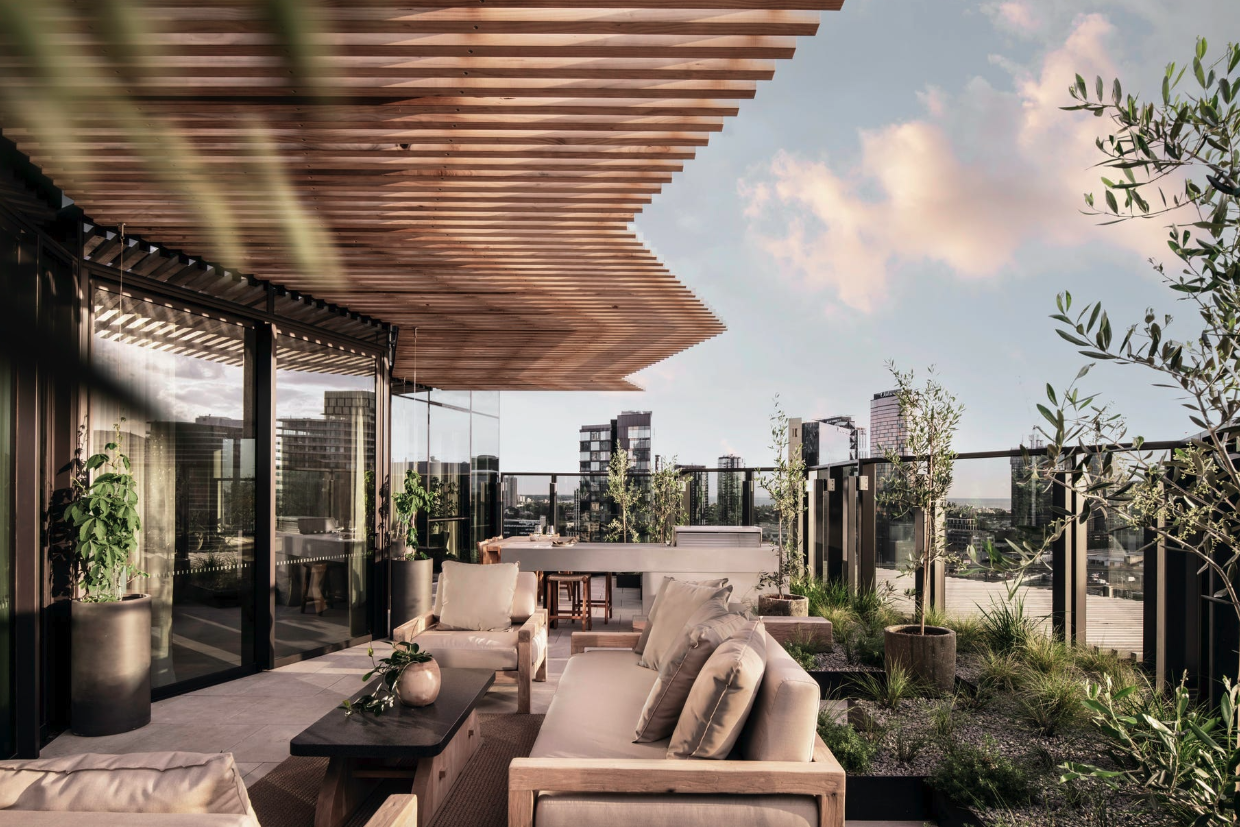
International hotel brand 1 Hotels has recently opened the doors to its debut Australian property in Melbourne’s Docklands.
The hotel forms part of Riverlee’s broader Seafarers development, which integrates the grandeur of the site, the former Goods Shed No. 5, meticulously reconstructed and restored piece by piece by the developer.
Designed by Fender Katsalidis in collaboration with CARR, Seafarers pays homage to the site’s wharfing history through the use of recycled timbers, steel beams and concrete, softened by expansive ceiling gardens.
Now, the first hotel-branded penthouse within the development has been listed for sale, and it is shaping up to become one of the few residences in Melbourne to push beyond the $20 million mark.
The penthouse commands expansive views across the city skyline and Port Phillip Bay, outlooks that can never be built out thanks to its prime, direct waterfront position.
A private lift opens into an exclusive lobby, leading to a gallery-style hallway that runs the full length of the expansive 715 sqm residence. Upon arrival, an ornamental conservatory sets the tone, anchored by a towering tree that rises toward a skylight, flooding the space with natural light.
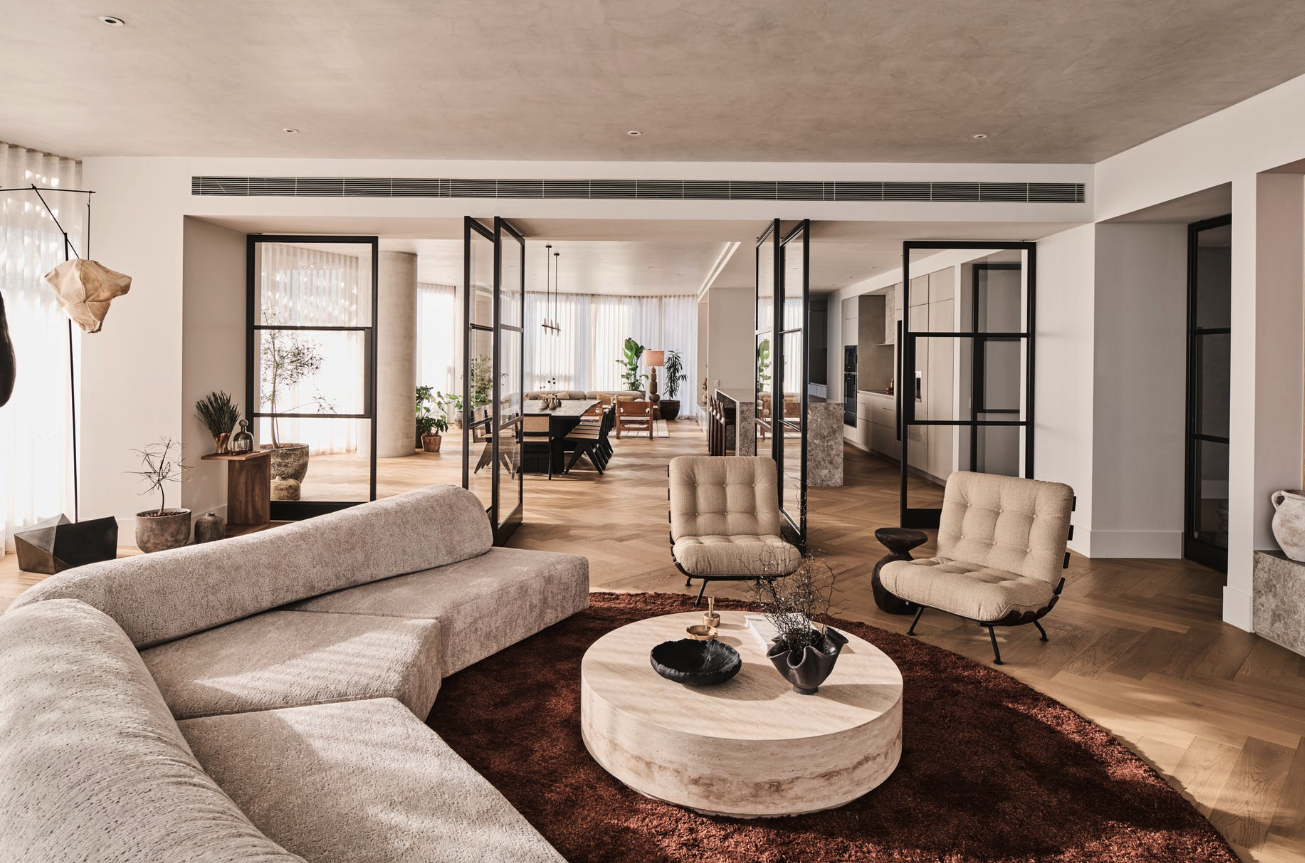 The eastern wing of the penthouse houses a dedicated entertainment room with its own bar, a home office with integrated desk space, and four bedrooms.
The master suite is wrapped in glass and features two walk-in wardrobes, both naturally lit by skylights, along with an ensuite complete with a freestanding bath.
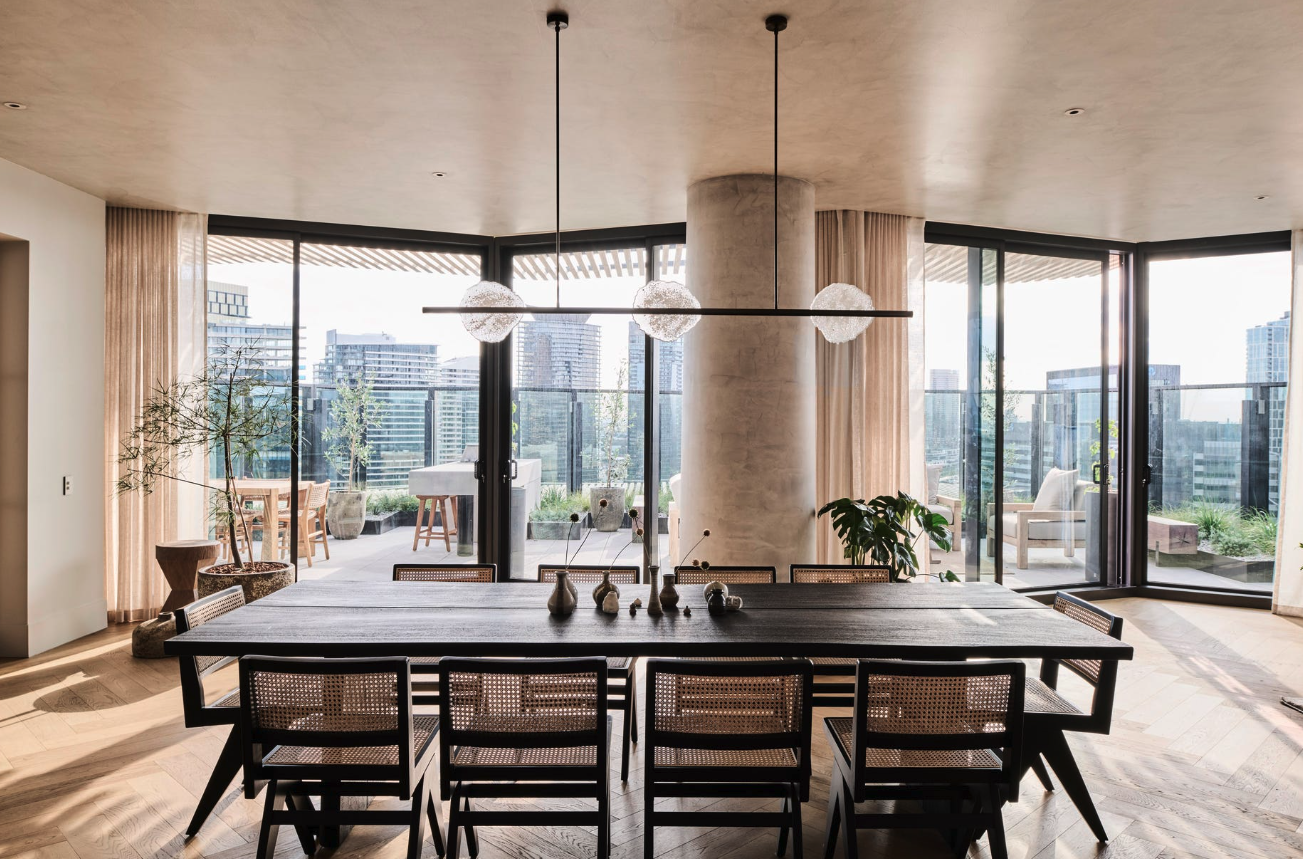
A formal dining area and wine cellar sit between the private quarters and the western edge of the home, where the main living spaces are positioned to capture uninterrupted views of the bay and city.
The kitchen is appointed with a fully equipped scullery, Gaggenau appliances, and a marble island bench.
Additional spaces include a cocktail lounge with a fireplace behind black-framed glass doors, as well as another living and dining area. All of these zones open onto a full-width terrace featuring an outdoor kitchen with integrated stone island, an alfresco dining area, and an outdoor lounge.
The penthouse also includes secure parking for four vehicles.
Forbes Global Properties Australia agents Nick Peters and Tracy Tian Belcher are guiding the property at $19.5 million to $21 million.
 While a sale at this level would place it among Melbourne’s most expensive apartments, it would still fall short of the city’s record. That benchmark was set in 2023 when billionaire Adrian Portelli, known for his high-profile purchases and giveaways on The Block, paid $39 million for a 1,200 sqm penthouse on the 57th floor of Sapphire by the Gardens in the CBD.
Designed by Fender Katsalidis and CARR, Seafarers pays homage to the wharfing history of the land with its recycled timbers, steel beams and concrete softened by ceiling gardens.
Founder and CEO of Starwood Capital Group, Barry Sternlicht was the driving force behind some of world’s most esteemed hotel marques, including St. Regis and W Hotels.
Passionate about sustainability and conservation, he believes the people who travel the world care about it deeply, and through 1 Hotels, set out to establish a mission-driven luxury hotel brand that would raise awareness, spark conversations and inspire change that benefits the planet.
From making unpopular decisions to learning when to listen, leaders from five businesses reveal what nobody prepared them for — and how running a company has challenged their expectations.

Technology and semiconductor shares fell sharply as investors questioned the debt financing the AI infrastructure boom and confronted higher rates and Chinese competition.

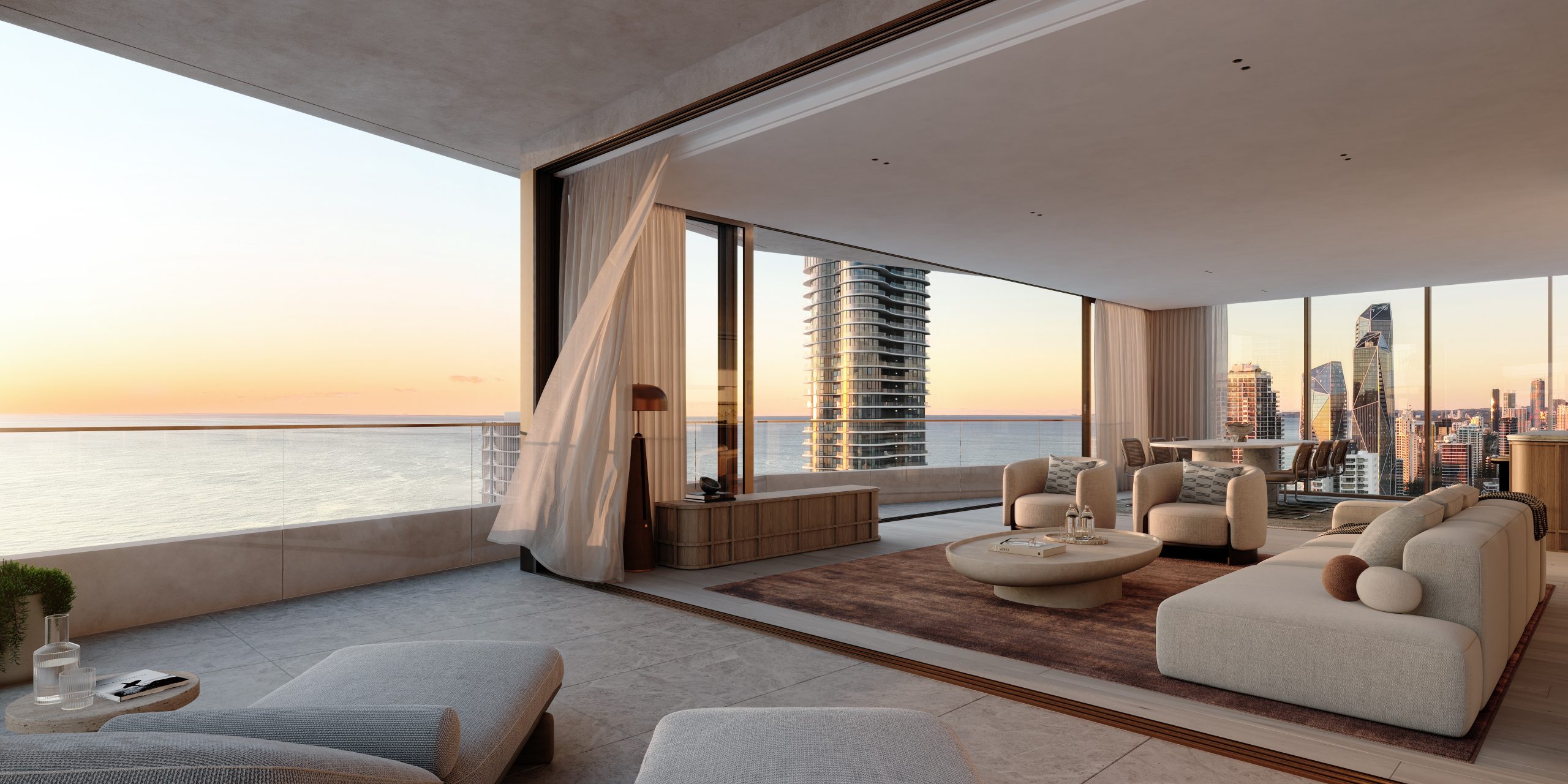
Mirvac’s 45-level Trielle has topped out at Yarra’s Edge, pairing riverfront apartments with wellness facilities, private dining and resident services.
3 min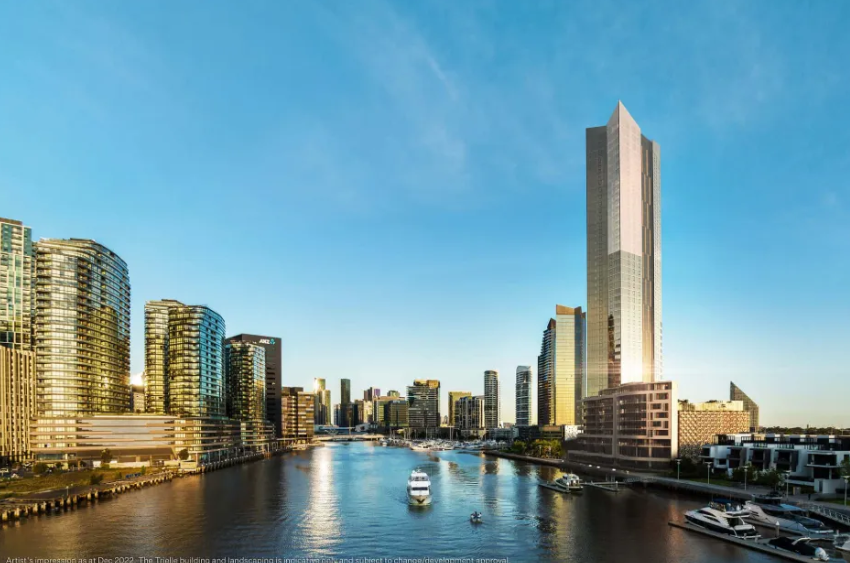
Mirvac has topped out Trielle at Melbourne’s Yarra’s Edge, with more than 70 per cent of the riverfront development sold and approximately 80 per cent of purchasers intending to make their apartment a home.
The figures, released on September 22, point to an owner-occupier audience for one of the precinct’s final residential towers. Mirvac began developing Yarra’s Edge in 2003, and its latest addition occupies one of the remaining absolute riverfront sites.
Mirvac CEO of Development Stuart Penklis said existing residents were among those moving up within the neighbourhood.
“Many purchasers already have a connection to Yarra’s Edge,” Mr Penklis said, describing buyers whose changing needs were encouraging an upgrade within the precinct.
“As one of the final residential towers within Yarra’s Edge, Trielle represents the culmination of more than two decades of creating one of Melbourne’s most established and sought-after waterfront communities,” Penklis said.
“Positioned on the Collins Street axis with absolute river frontage, Trielle offers residents a rare opportunity to enjoy sweeping views across the Yarra River, Melbourne skyline and Port Phillip Bay, while remaining seamlessly connected to the CBD. With Trielle now more than 70 per cent sold, we’re continuing to see strong demand from buyers seeking quality homes in established locations.”
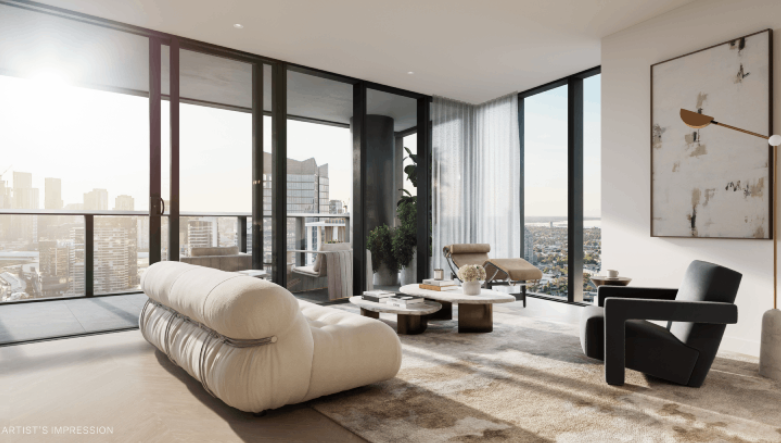
The developer also flagged a penthouse and sub-penthouse collection with larger layouts, premium finishes and broad outlooks. The planned wellness centrepiece, The Oasis, encompasses a 900-square-metre elevated urban rainforest.
Mirvac General Manager Residential Development Victoria Elysa Anderson said Trielle had resonated strongly with buyers seeking a rare lifestyle offering in Melbourne.
“Opportunities to secure a new luxury residence on a riverfront site of this calibre are incredibly rare, particularly within a community like Yarra’s Edge,” Anderson said.
“What makes Trielle unique is the combination of exceptional views, world-class residential facilities and the lifestyle that already exists around it. Residents are buying into a mature waterfront community with parks, promenades, dining, wellness and strong community connections already in place.”
The 45-level tower brings a substantial new presence to that waterfront. Its residential offering spans one-, two-, three- and four-bedroom apartments, with Signature, Prestige and Sub-Penthouse collections accommodating different household sizes. The north-facing position connects the apartments visually to the river and city beyond.
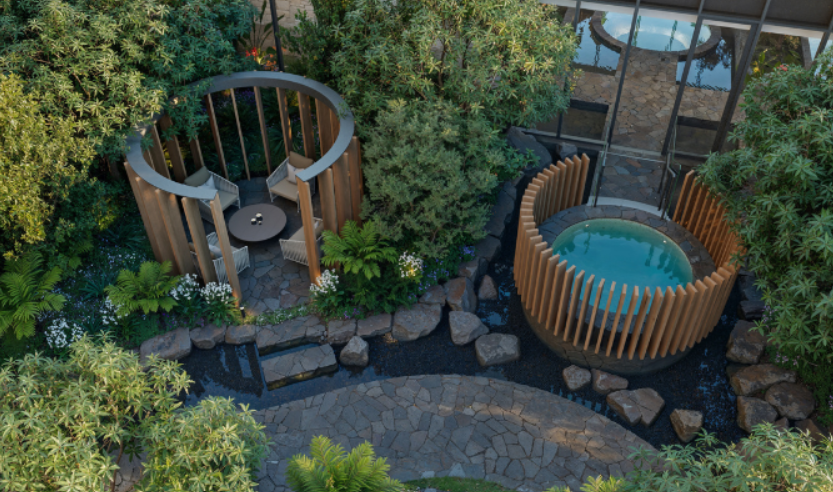
Seven storeys above the promenade, the planned Oasis combines planting and a running stream with a Scandinavian-inspired wellness club developed with spa specialist Naomi Gregory. Facilities include a 25-metre lap pool, hot magnesium pool, sauna, hydrotherapy, a gym, yoga and Pilates room, and treatment spaces.
The amenity extends beyond exercise. Residents will have access to The Biblioteca library and workspaces, ground-floor work pods, and The Salone piano lounge. A private Chef’s Table dining room offers a setting for larger gatherings, while a cinema, games room and sports lounge broaden the entertaining options. Concierge services and a dog-wash area support everyday routines.
Trielle comprises a collection of one, two, three and four-bedroom residences. Reflecting strong demand from owner occupiers, approximately 80 per cent of purchasers to date intend to live in their homes, highlighting the project’s appeal to those seeking a long-term waterfront lifestyle.
Mirvac has recently delivered The Albertine, a premium apartment development on the edge of Melbourne’s CBD, and is nearing completion of Prince & Parade in Brunswick, further strengthening its portfolio of thoughtfully designed apartment communities in some of Melbourne’s most sought-after urban locations.

By improving sluggish performance or replacing a broken screen, you can make your old iPhone feel new agai
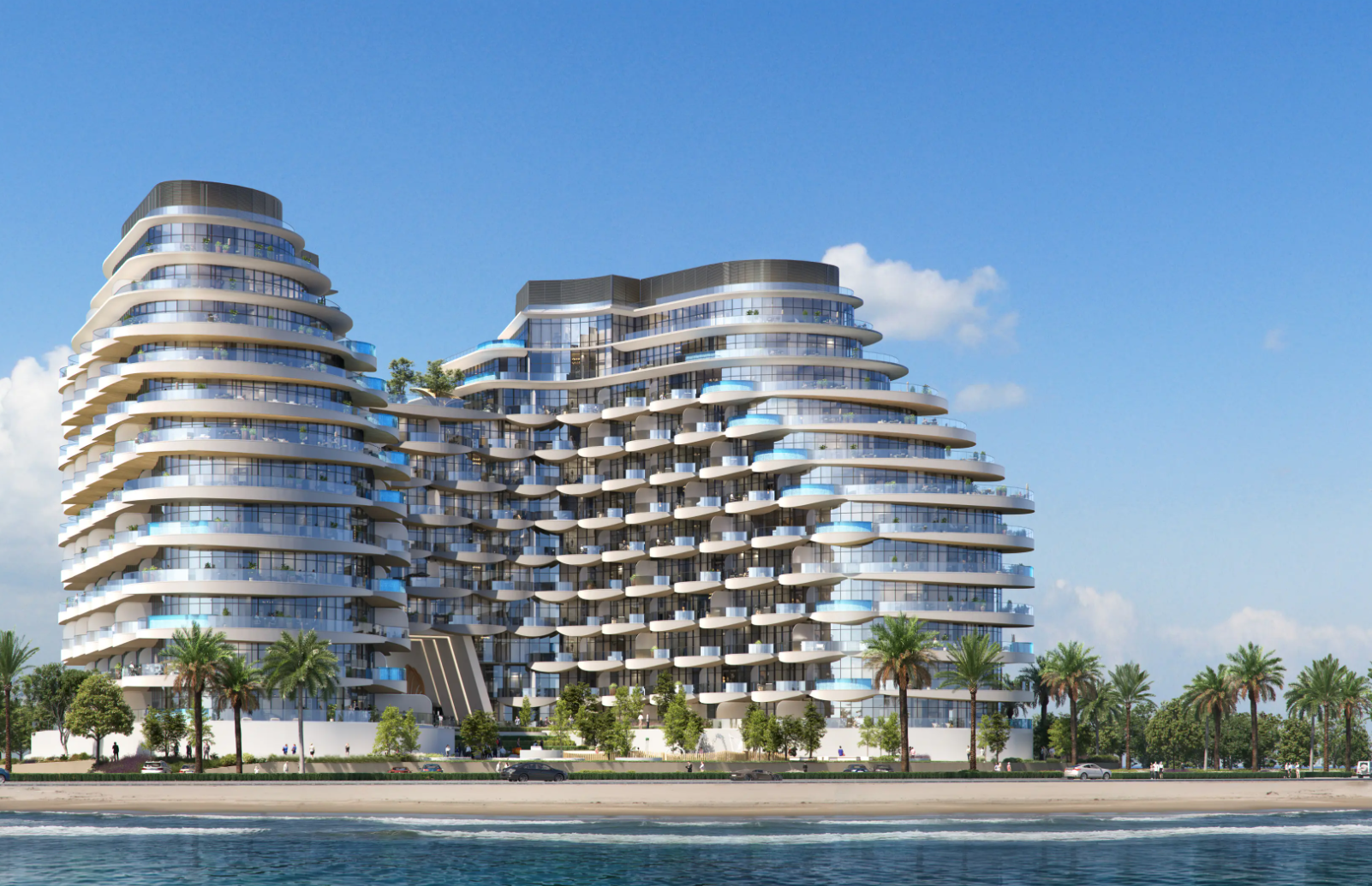
BNW Developments has established a Sydney presence, joining Arada and Sobha Realty among the growing number of UAE developers pursuing Australian buyers and development opportunities.