Niantic to Sell Pokemon GO, Other Games to Saudi-Backed Group in $3.5b Deal
The games and apps made more than $1 billion in revenue last year, Scopely said.

 2 min
2 min
“Pokemon GO” maker Niantic reached an agreement to sell its gaming business to Savvy Games Group’s subsidiary, Scopely, for $3.5 billion, handing the company backed by Saudi Arabia’s sovereign wealth fund the hit mobile game along with engagement and live-experience apps.
“Pokemon GO,” one of the first videogames to use augmented reality, exploded in popularity after launching in 2016. The game allows players use their smartphone cameras to find and capture virtual creatures. The franchise amassed more than $8 billion in revenue since its inception and the game reaches players in over 190 countries and regions, Savvy Games Group said.
Niantic is also selling “Pikmin Bloom,” a game in collaboration with Nintendo that debuted in 2021, and “Monster Hunter Now,” Niantic’s most recent game that reached more than 15 million downloads following its September 2023 launch. Under the deal, Scopely will also take control of Campfire, an app that connects players, and Wayfarer, a player engagement service.
Scopely said the games and apps, which draw more than 30 million monthly active players, made more than $1 billion in revenue last year. The deal will add three games to its stable, which already includes “MONOPOLY GO!,” “Stumble Guys,” “Star Trek Fleet Command” and “MARVEL Strike Force.”
“This transaction represents one of the largest games deals made by a private company in the last decade, ranking alongside Scopely’s own acquisition by Savvy in 2023 for $4.9 billion,” Tim O’Brien, Scopely’s chief revenue officer, said in a statement.
The deal marks a major structural overhaul for Niantic. The company has struggled to come up with big hits like “Pokemon GO” and slashed dozens of jobs in recent years in an effort to focus on fewer games and develop augmented-reality technology.
Niantic said it planned to spin off its geospatial artificial-intelligence business into a new company, Niantic Spatial, once the deal with Scopely closes. The company said Niantic Spatial would get $250 million of capital, including $200 million from Niantic’s balance sheet and a $50 million investment from Scopely.
Scopely and Niantic expect the deal to close this year, subject to customary closing conditions and completion of a regulatory review.
Write to Mauro Orru at mauro.orru@wsj.com
 Copyright 2020, Dow Jones & Company, Inc. All Rights Reserved Worldwide. LEARN MORE




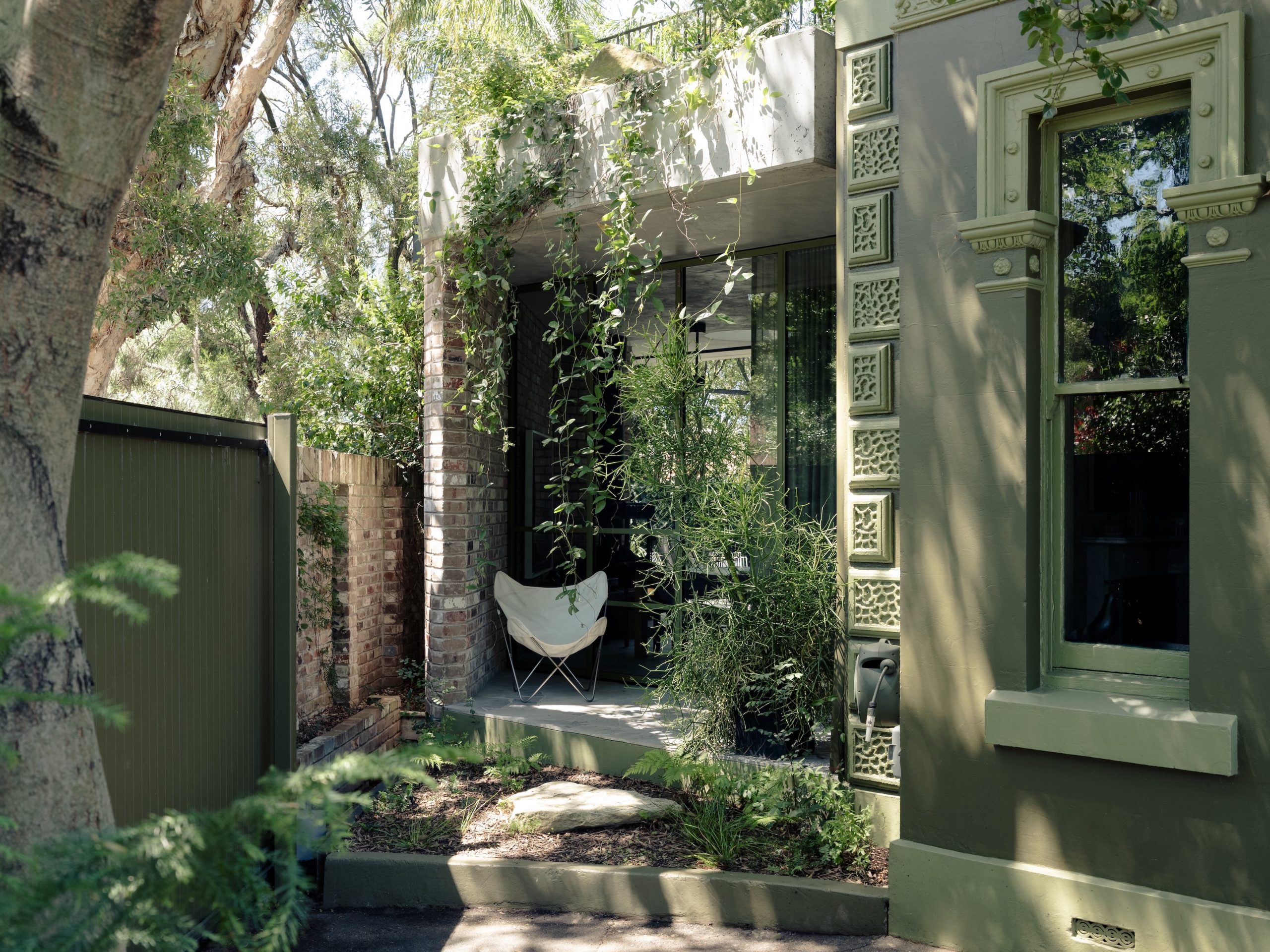
From bushland greens to valley reds, the country’s most awarded designers are proving that the best colour palette was never on a swatch card; it was outside the window all along.

The Australian leather house has opened an immersive four-day pop-up in Manhattan, unveiling its Bloom Collection and redefining what a product launch can look like.


The federal budget has rattled property investors. But the biggest mistake isn’t the tax changes, it’s the conclusion many are drawing from them.
2 min
The recent budget has forced a reckoning for property investors.
Negative gearing now restricted to new residential builds, the CGT discount gone and on paper, the numbers look different.
And many investors are responding by pivoting toward yield, prioritising cash flow over capital growth in a way that property strategists say misses the point entirely.
“The debate has shifted to yield versus growth as if they are opposing forces,” says Abdullah Nouh, founder of Melbourne-based buyers’ agency Mecca Property Group. “But that framing is itself the mistake.”
Nouh, who works with high-net-worth families and investors on long-term acquisition strategy, argues that capital growth remains the primary driver of genuine wealth creation and that the post-budget environment has made quality assets more important, not less.
The numbers make his case plainly. An additional $500 per week in rental income is welcome. A prestige asset appreciating by $1 million over a market cycle is transformative.
These are not equivalent outcomes, and portfolios built around yield at the expense of location and land value tend to generate income while wealth stands largely still.
The more nuanced shift Nouh is seeing among sophisticated investors is a move toward assets where both outcomes can be engineered simultaneously – established homes on substantial land in quality locations, where the existing dwelling can be repositioned, rental returns improved, and the underlying land value compounds independent of what sits on it.
For investors with existing equity, commercial property is also entering the conversation in a more serious way.
Prestige industrial assets, medical centres and long-leased essential retail offer income profiles that residential property in most capital city markets cannot currently match: longer lease terms, tenants covering outgoings, and greater predictability than the residential tenancy cycle.
“The investors who build lasting wealth are rarely the ones who chased yield or growth exclusively,” says Nouh.
“They are the ones who built a strategy they could sustain – one that generated enough income to hold quality assets through multiple cycles while those assets compounded in value.”
The budget has changed the settings. It has not changed the fundamentals.

ABC Bullion has launched a pioneering investment product that allows Australians to draw regular cashflow from their precious metal holdings.

As interest rates, inflation and market sentiment fluctuate, investors are being urged to focus on data, not panic.