The Japanese Sake Masters Swimming Against a Rising Tide of Whisky
Squeezed out by highballs and quality Japanese malts, the country’s sake breweries are trying to innovate to win back market share.

 4 min
4 min
OSAKA, Japan: The Japanese have been drinking sake since the eighth century. Back then, it was believed the rice-based liquor warded off ghosts.
Today, it has a stronger spirit to contend with: whisky.
Enter Nishiya, a bar in downtown Osaka, and you are given little choice of what to drink. You might fancy a glass of sake or a shot of the stronger, more bitter shochu. But regulars will insist you try another, less traditional Japanese delicacy, a highball.
“It was invented in the U.K.,” says the bartender, mixing a glass of whisky, which is spelled the Scottish way here, ice and soda. “But it was perfected in Japan.”
The cocktail has been gaining ground in the country since the late 2000s. It pairs well with the local cuisine, and provides momentary relief in neighborhood taverns, or izakaya, during the country’s hot and humid summers. Between 2015 and 2020, domestic whisky sales increased 50%. Japanese drinkers spent $3.5 billion on the spirit in 2023.
This has left sake producers struggling to find a way to keep the party going. By some measures consumption has fallen by more than 75% since the 1970s, and 30% in the past decade, displaced in part by invasive species—sometimes beer, but especially whisky.
The government in Tokyo has stepped in, introducing a network of brand ambassadors—or “sake samurai”—to help promote the ailing industry. Last year the beverage obtained Unesco world heritage status, like French Champagne or Belgian beer.
But resistance is also coming from the factory floor. Brewers have begun experimenting with new recipes of “craft” sake, adding unusual ingredients to hit hoppy, beer-inspired flavors and floral, gin-like notes. One brewery has developed an Italian-inspired “margherita” sake, blending the umami of sun-dried tomatoes with the amino acids produced during sake’s traditional brewing process.
All this to make the whisky-and-soda brigade look a little staid.
“We want to honor tradition but also create things no one has ever seen before,” said Shuhei Okazumi, founder of the Japan Craft Sake Brewers Association. This community of young, entrepreneurial toji want to upend sake’s image as the drink of a bygone era. Dedicated craft sake bars are now popping up around Tokyo. Festivals debuting new and unusual varieties from around the country are sold-out events.
“They’re like the young, punk-rock generation of sake brewing,” said Monica Samuels, one of roughly a hundred government-certified sake samurai. “For so long, mainstream Japanese culture has told people to blend in. You’re not supposed to be outrageous. The craft sake movement wants to change that.”
They could be in for a long, thirsty fight.
Whisky is now deeply entrenched in Japanese drinking culture. The country’s taste for the amber nectar can be traced back to Masataka Taketsuru, revered as the godfather of Japanese whisky, who traveled to Scotland in 1919 to serve an apprenticeship before returning to help found Japan’s first distilleries. The spirit has had its ups and downs since then, but consumption really took off when people began adding soda and ice.
Takeshi Niinami , chief executive of Suntory, Japan’s largest distillery, says shifting consumption patterns are partly demographic. Japan’s rapidly aging population means health considerations are to the fore of many drinkers’ minds, he says. Sake tends to have a high sugar content.
“When I go out for sushi, I’ll go for a highball. Because sake might be delicious, but I can’t afford the sugar. Sure I can have maybe just one glass, that’s fine. But sake is too good—you can rarely just have one,” Niinami says.
But it also speaks to a turn in local production. Many traditional sake brewers are now pivoting to whisky, attracted not only by strong domestic demand but the high prices premium varieties can command overseas. International awards , marketing campaigns and actor Bill Murray’s turn in “Lost in Translation” have whetted appetites for Japanese whisky to such an extent that a bottle of Suntory’s Yamazaki whisky, aged for 55 years, can set you back close to $1 million.
Yoichiro Nishi, an eighth-generation sake and shochu producer, opened Ontake Distillery in 2019.
Nestled in the foothills of Mount Ontake, Japan’s second-largest volcano after Fuji, the distillery strikes a blend between old and new. Dark timber panels, autumnal maple trees and natural springs recall the traditional tea houses of Kyoto, or the temples of Koyasan, but an angular, concrete walkway, echoing the masters of Japanese brutalism, suggests tradition might be taking a turn.
Inside, burnt-black sherry casks carry a single-malt whisky, now five years old. A first edition was released in 2023, taking gold at the San Francisco Wine & Spirits Competition.
Nishi acknowledges the jump from sake to whisky was far from straightforward. He recalls his fascination with the idea that a drink could improve over time, maturing for five, 10, or 20-plus years. “As a brewer of sake, a drink best consumed fresh, this was an intriguing concept,” he says.
But time is money, and whisky is by nature a waiting game. To get around this, Nishi sells casks before they have matured. While waiting, customers are invited to stay in the distillery, sample a few drams and sink a few holes in Ontake’s on-site golf course. The distillery is open to everyone—everyone who can shell out $50,000 for a cask, that is.
Nishi is one of many newcomers to the industry. In 2016, there were 10 whisky distilleries in Japan. Today there are nearly 130. But an increasingly vibrant market has come at a cost. From record highs in 2022, exports of Japanese whisky have now started falling. Many are worried that an explosion of distilleries is diluting authenticity, with blends of local and overseas whiskies commonly sold under the Japanese whisky brand.
Some are calling for tighter industry regulations. Others insist the rules are made to be broken.
“Creativity has always been vital to the Japanese spirit,” says Brian Ashcraft, an author who has written extensively on Japanese drinking culture. “Any regulation shouldn’t come at the expense of that.”
It is a sentiment shared by the craft sake movement, whose proponents hope new ideas will drive demand both domestically and abroad. Exports have roughly doubled since 2018, with sake breweries popping up around the world, from Taiwan to the U.S. and Mexico, each with their own take on the drink.
Okazumi, the craft brewer, said the new varieties could do for sake what the California roll did for sushi.
“Sometimes tradition needs to innovate to go global,” he said.
 Copyright 2020, Dow Jones & Company, Inc. All Rights Reserved Worldwide. LEARN MORE




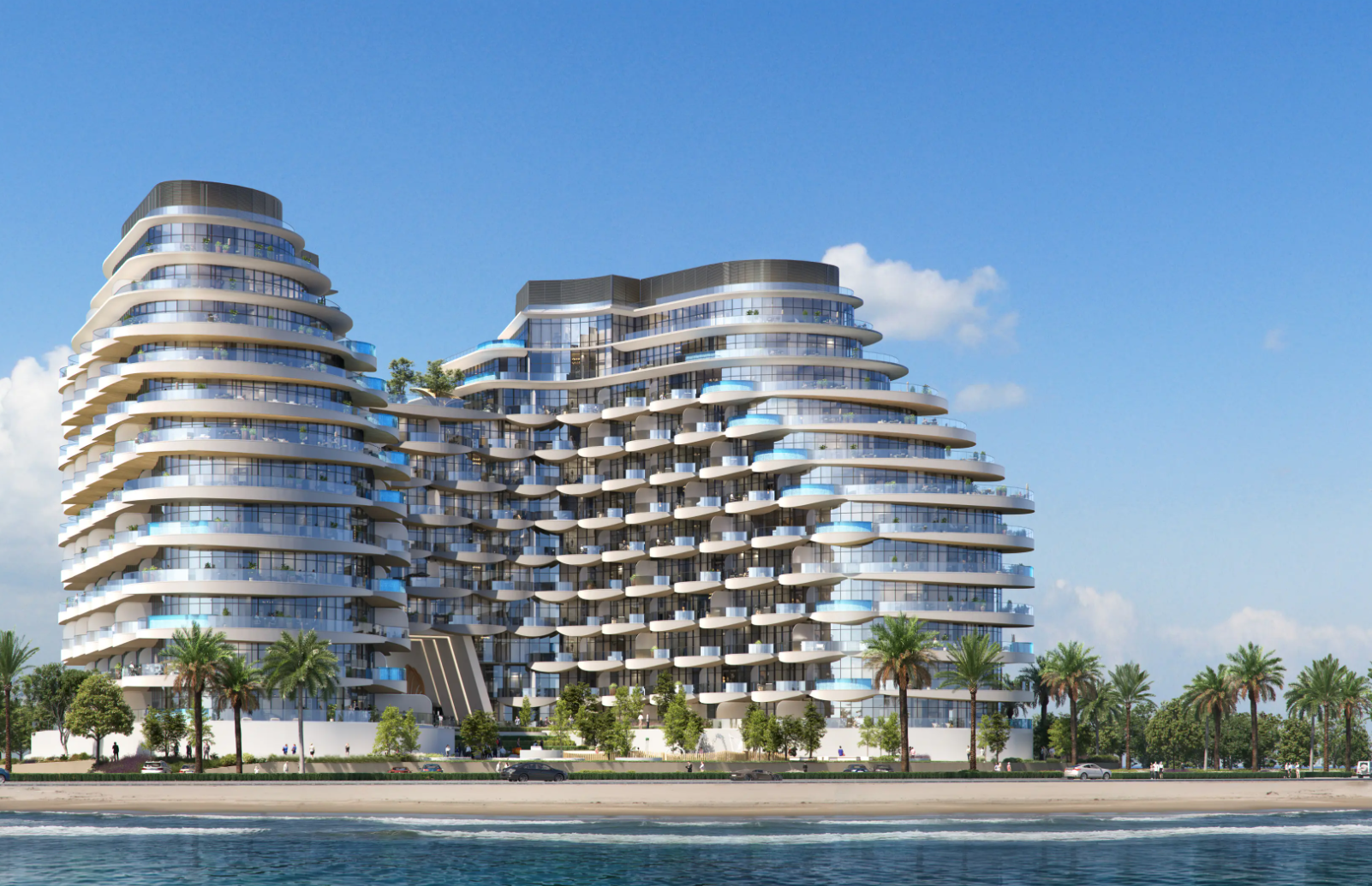
BNW Developments has established a Sydney presence, joining Arada and Sobha Realty among the growing number of UAE developers pursuing Australian buyers and development opportunities.

Australian shares fell on Thursday as Wall Street weakness, rising oil and persistent rate concerns weighed on most of the market. The S&P/ASX 200 declined 0.72 per cent to 8,702. The All Ordinaries lost 0.66 per cent to finish at 8,897. Mining stocks were hit particularly hard, while real estate also dragged on the index. …
Continue reading “ASX falls 0.7 per cent as miners and property stocks retreat”

 2 min
2 minAustralian shares fell on Thursday as Wall Street weakness, rising oil and persistent rate concerns weighed on most of the market.
The S&P/ASX 200 declined 0.72 per cent to 8,702. The All Ordinaries lost 0.66 per cent to finish at 8,897. Mining stocks were hit particularly hard, while real estate also dragged on the index.
Energy was the notable exception, gaining more than one per cent as Brent crude traded above US$103 a barrel. Oil had moved higher amid uncertainty surrounding potential US diesel-export restrictions and broader geopolitical supply risks. The move supported energy producers but renewed concern about inflation inputs across transport and the wider economy.
Gold shares were weak even as spot bullion remained historically elevated. The All Ordinaries Gold index fell about 2.25 per cent, showing that equity performance can diverge from the commodity because of valuation, currency, operating and company-specific factors.
Zip was a prominent loser, falling 11.38 per cent after the company reported short sales after the previous close. Nine Entertainment also weakened after UBS analysts warned of near-term revenue challenges associated with its advertising-supported subscription tier.
Premier Investments led larger winners despite caution about the retail environment. Breville, in which Premier owns a significant stake, also appeared among leading movers. In the broader ASX 300 screen, Myer gained 11.43 per cent and MAAS Group rose 7.93 per cent, while Lotus Resources fell 10.53 per cent. These percentage moves should be checked against company announcements and trading liquidity before attributing causes.
The Australian dollar was broadly flat at US70.38 cents. Spot gold was around US$4,280 an ounce, Brent crude approximately US$103.08 a barrel and iron ore near US$96.90 a tonne late in the session.
The rate outlook remains the central domestic catalyst. Labour-market weakness has not eliminated the possibility of an RBA increase next week, leaving banks, listed property and other rate-sensitive sectors exposed to changing expectations.
Market dashboard
S&P/ASX 200: 8,702, down 0.72 per cent.
All Ordinaries: 8,897, down 0.66 per cent.
Best sector: Energy, up more than one per cent.
Weakest areas: Real estate and materials were the major drags; confirm final sector percentages before publication.
Material winner: Premier Investments led the large-company gainers. Confirm its final closing move from the ASX before publication.
Material loser: Zip, down 11.38 per cent.
ASX 300 percentage leader: Myer, up 11.43 per cent.
ASX 300 percentage laggard: Zip, down 11.38 per cent.
AUD/USD: Approximately US$0.7038, broadly flat.

International AI strategist Justin Kabbani will headline the Kanebridge Property Summit in Sydney on June 18, with tickets selling fast.
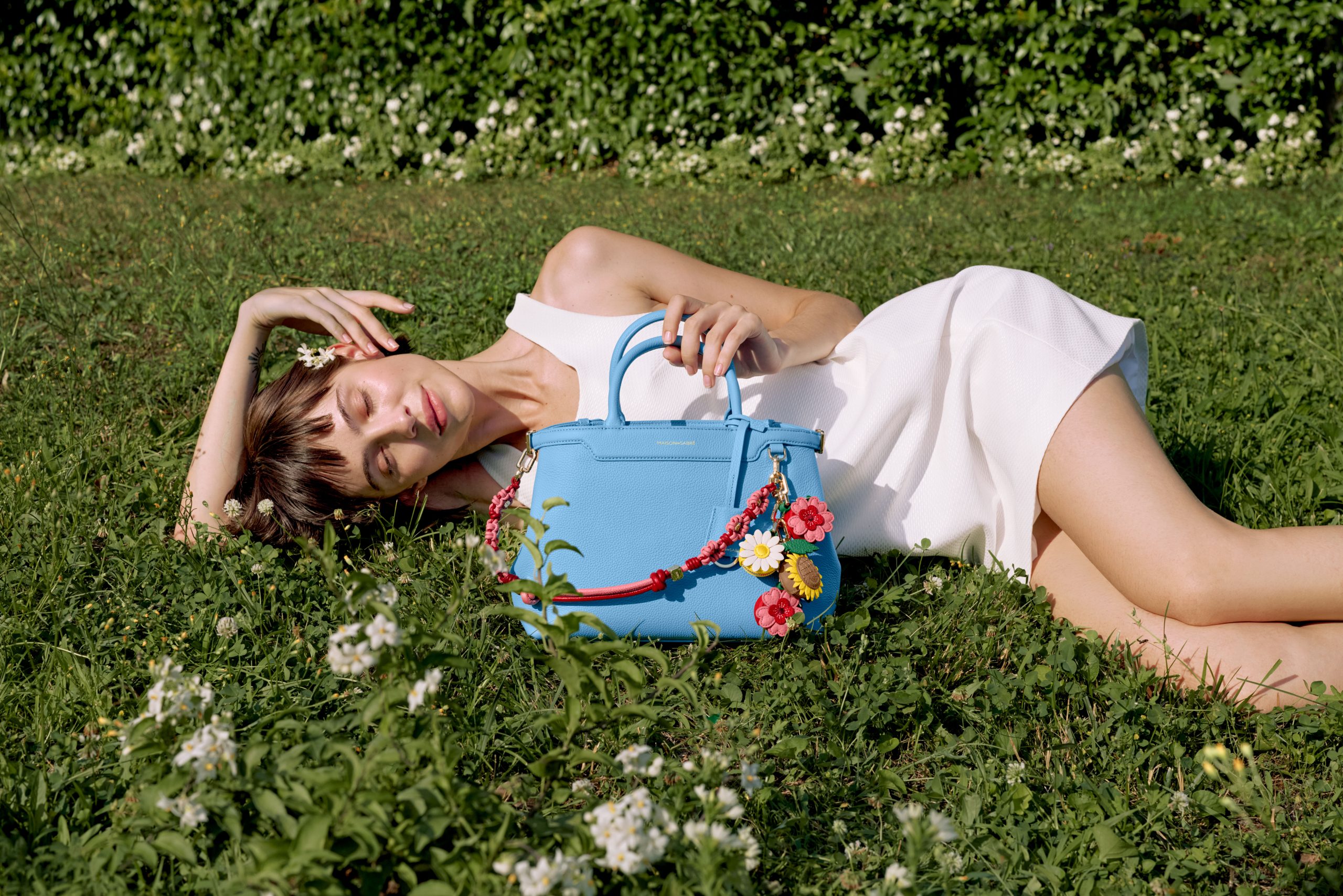
The Australian leather house has opened an immersive four-day pop-up in Manhattan, unveiling its Bloom Collection and redefining what a product launch can look like.