PADDINGTON HOUSE RECORD SET WITH $12M SALE OF LANDMARK ‘GOVERNESS’ HOME
A restored 1860s Brisbane residence transformed by GRAYA has smashed Paddington’s house price record, selling for more than $12 million.
 3 min
3 min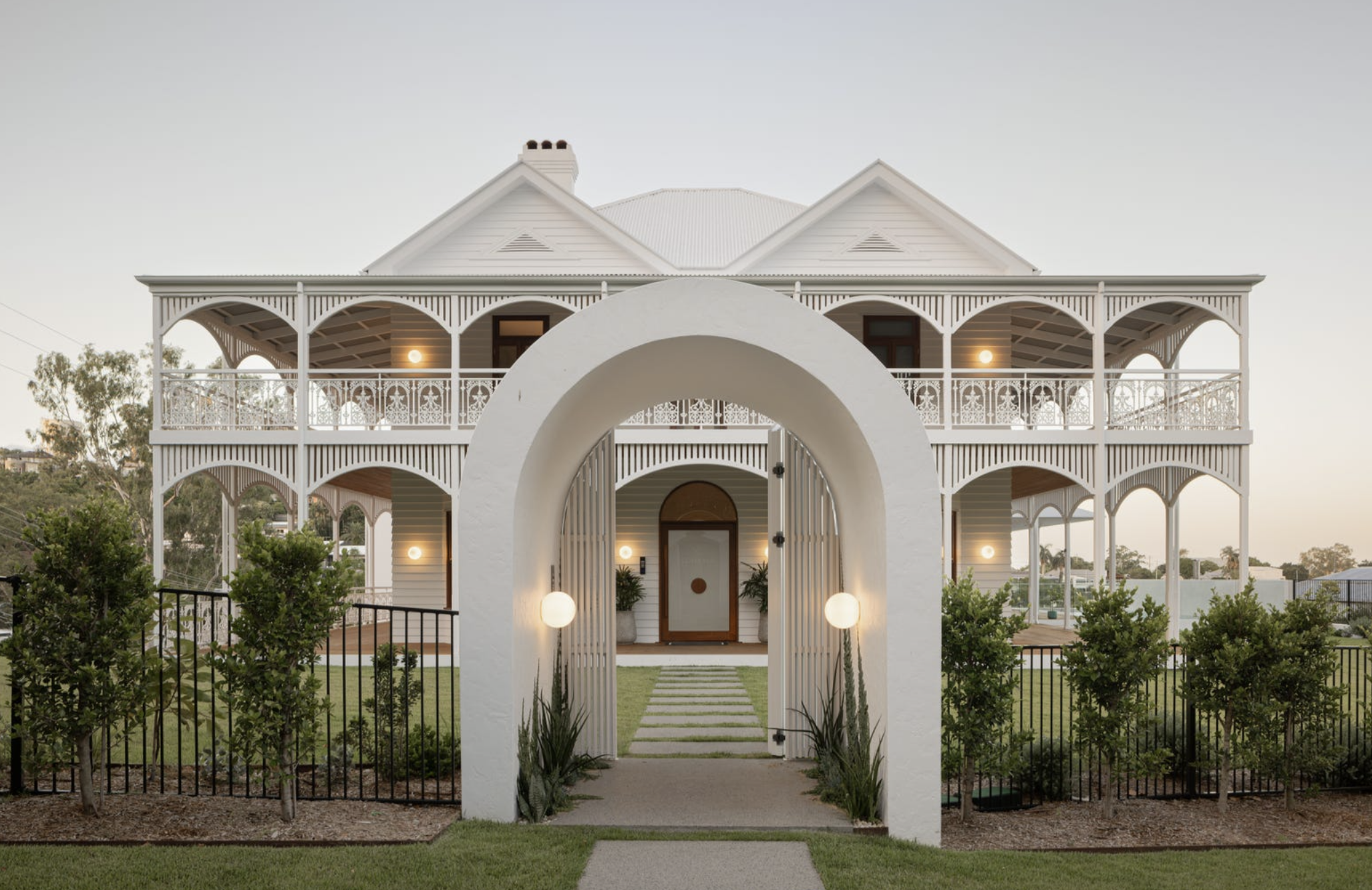
Queensland’s Paddington has a new benchmark.
The Brisbane suburb’s residential price record has been reset following the sale of ‘Governess’, a landmark 1860s-era home reimagined by local builder-developer GRAYA.
The five-bedroom residence at 49 Reading Street has transacted for more than $12 million, the highest price achieved in the tightly held inner-Brisbane suburb, underlining continued strength at the top end of the market.
GRAYA, led by brothers Rob and Andrew Gray, has built a reputation for delivering design-led homes and boutique residential projects, but ‘Governess’ represents one of its most ambitious undertakings to date, both in scale and execution.
The home was marketed by Ray White Collective’s Matt Lancashire and Josh Brown, who said the result reflects both the quality of the product and the depth of demand for premium homes in established suburbs.
“Governess is an absolute showstopper,” Lancashire said.
“It’s easily one of the most significant and meticulously transformed character homes ever to hit the Brisbane market, and the record result reflects exactly that.”
Brown said the sale reinforced a consistent trend emerging across Brisbane’s prestige market.
“To achieve a result like this in Paddington proves there is still an incredible appetite for ultra-premium, character-rich homes when they are executed flawlessly,” he said.
For much of the past year, the home has been a point of local intrigue. During its transformation, it drew regular attention from passersby along Reading Street, a reflection of both the scale of the site and the prominence of the build.
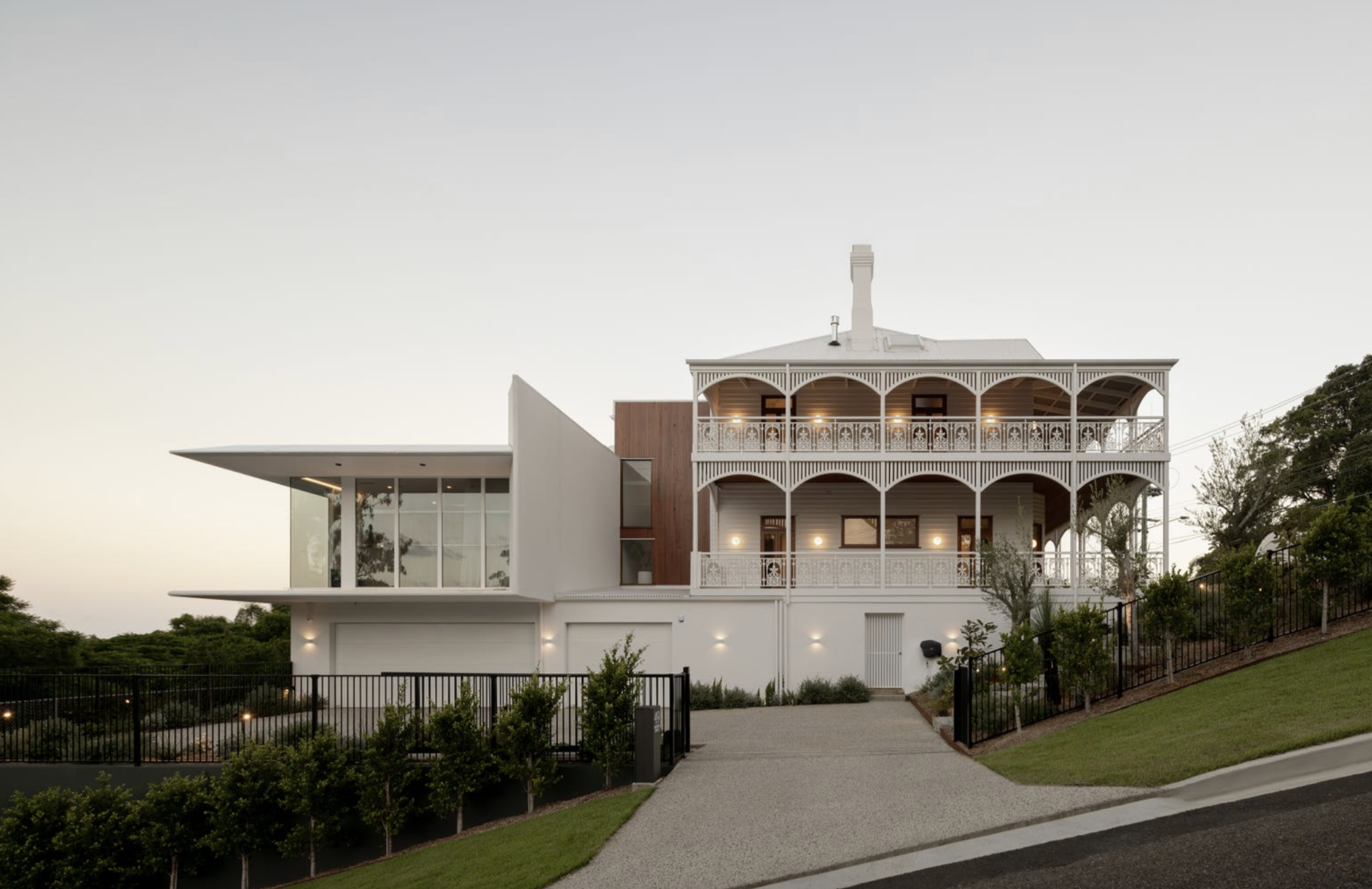
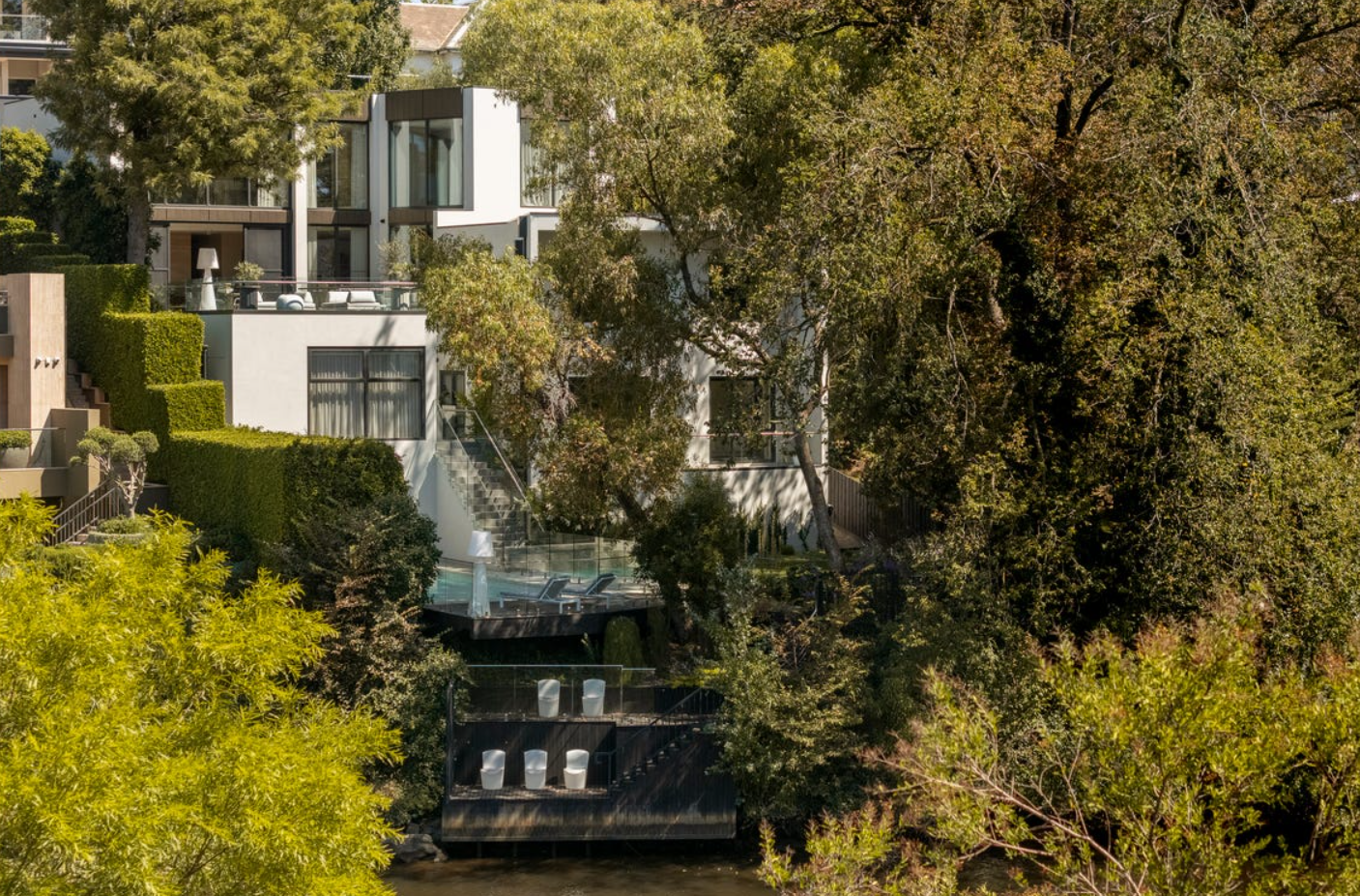
Set on a 1,634 sqm corner parcel, ‘Governess’ sits elevated above the surrounding streetscape, capturing sweeping city and ridgeline views. The position alone places it among a limited pool of homes capable of achieving outcomes at this level.
What distinguishes the project, however, is not just the site, but how the existing home has been reworked.
Rather than a conventional renovation, GRAYA has undertaken a full-scale reinterpretation of the original 1860s residence, retaining its heritage elements while introducing a contemporary extension that reshapes how the home is used.
The transition between old and new is anchored by a central spiral staircase, which acts as both a functional connection point and a defining architectural feature. It separates the more traditional elements of the home from the contemporary addition, creating a clear but cohesive distinction between the two.
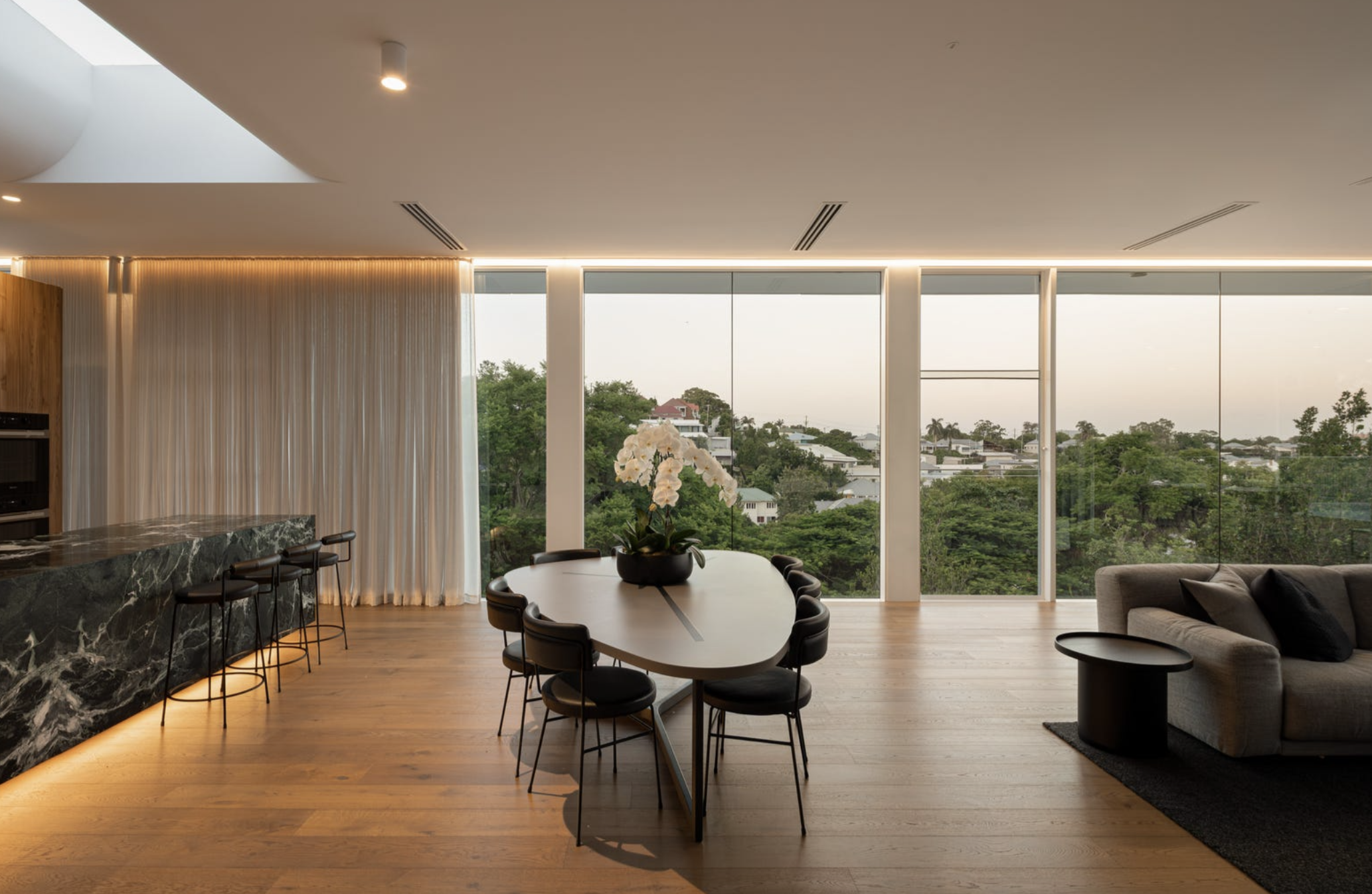
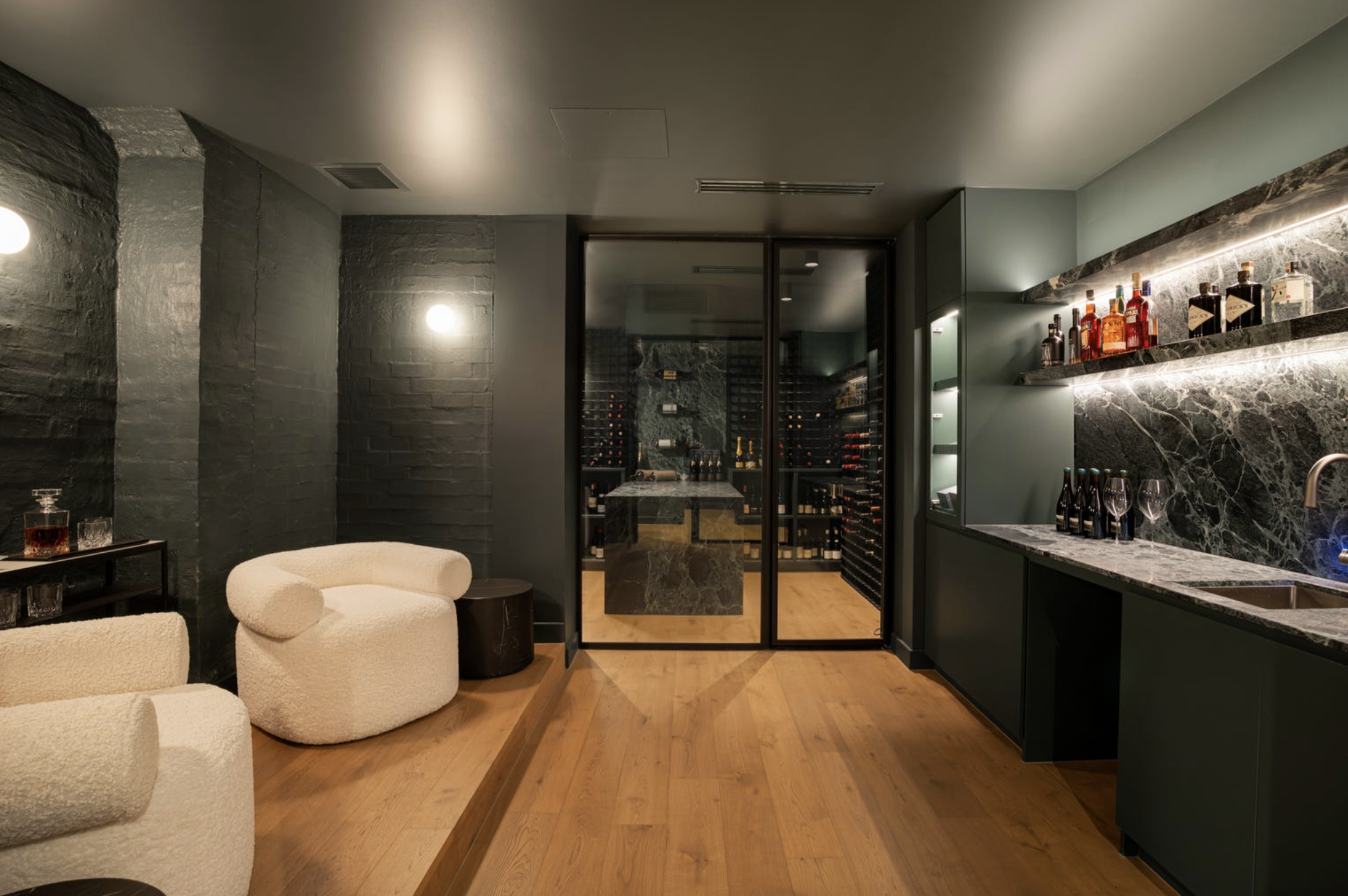
Internally, the material palette has been carefully considered to reflect the surrounding environment. Green marble and walnut-toned cabinetry echo the leafy outlook, while large expanses of glazing bring in natural light and frame the elevated views.
Ceiling heights of 3.1 metres and floor-to-ceiling glass reinforce that sense of openness, allowing the home to operate across both indoor and outdoor zones. Living and dining areas extend to a wraparound deck overlooking landscaped lawns and a resort-style pool, positioning the home as much for entertaining as it is for day-to-day living.
The kitchen has been designed as a central hub, anchored by a 4.5-metre island beneath a skylight and supported by a concealed butler’s pantry. Outdoor entertaining is equally integrated, with an alfresco BBQ area connecting directly to the main living spaces.
Below, additional amenity spaces reflect the growing expectation for lifestyle-driven design at this level of the market. A gym and tasting room, complete with cellar, bar and lounge, sit behind thermally insulated glass, providing dedicated zones for both recreation and entertaining.
Accommodation is spread across five bedrooms, alongside a study and additional office space. The primary suite occupies the uppermost level, functioning as a self-contained retreat with its own lounge, private deck, dressing room and ensuite.
The inclusion of features such as an internal lift, home automation via Electronic Living, and a five-car garage reinforce the level of specification.
The sale highlights the continued evolution of Brisbane’s prestige housing market.
Suburbs like Paddington, long defined by their character housing and proximity to the CBD, are increasingly seeing a new layer of product emerge. Rather than incremental renovations, developers are delivering full-scale transformations that position heritage homes at the very top of the market.
The former Paddington record was set in early 2025 when a newly built home, ‘Mascotte’, on Garfield Drive, sold for $11.8 million.
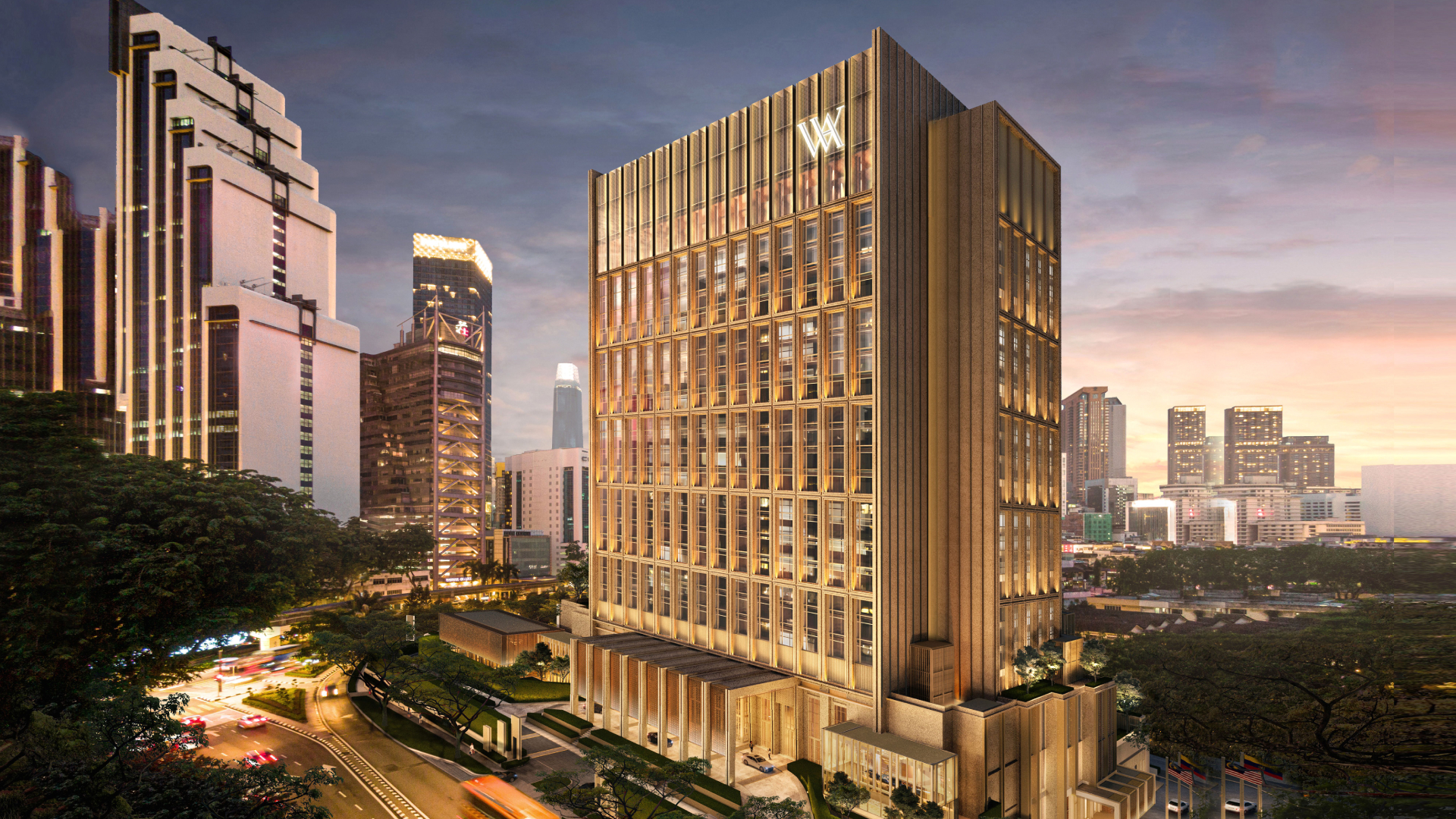
Waldorf Astoria Kuala Lumpur is scheduled to open on 30 October, introducing the Hilton luxury brand to Malaysia with an all-suite hotel in the city’s Golden Triangle.
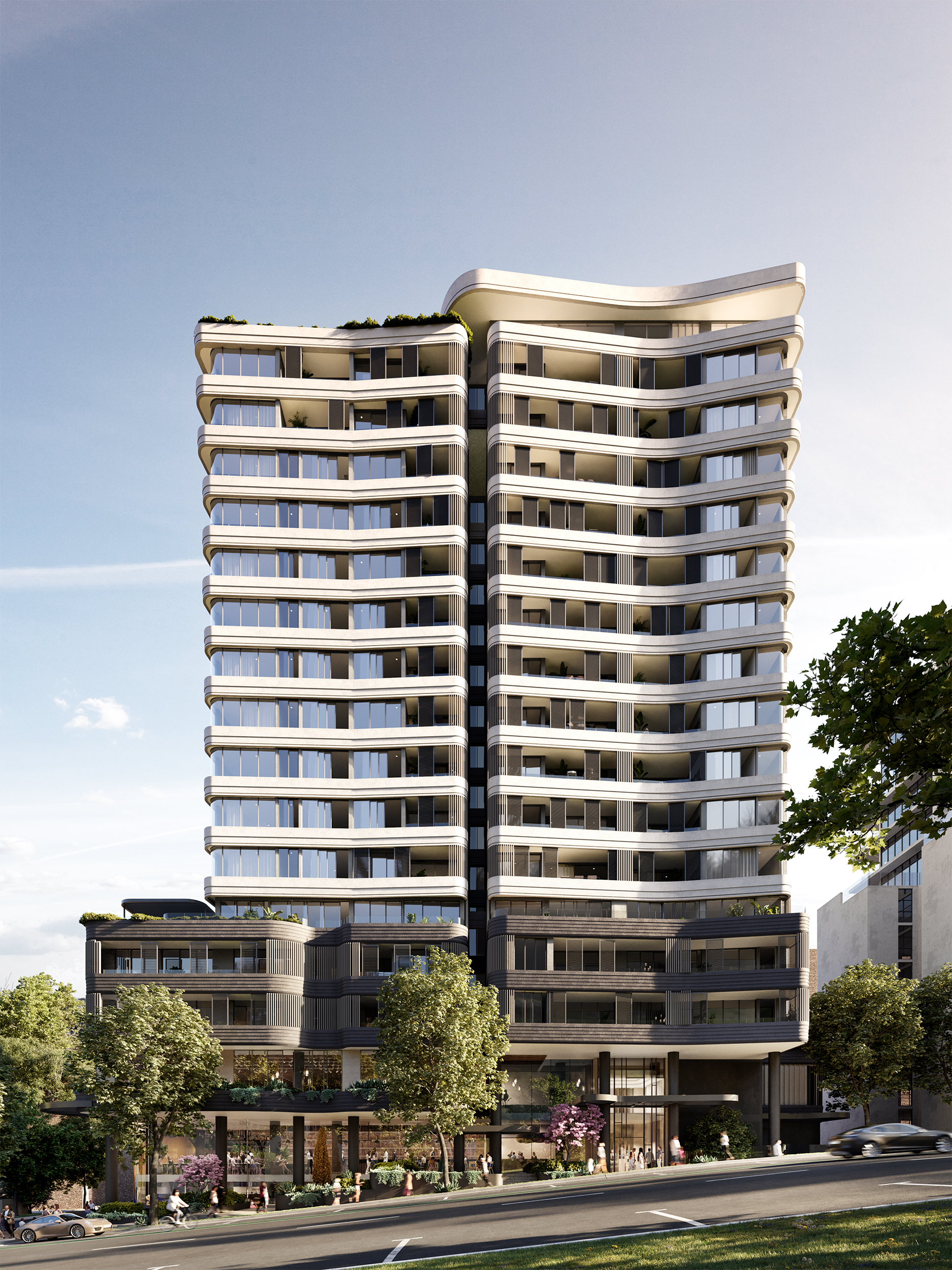
Located steps from Crows Nest Metro, the near-complete development brings luxury living to Sydney’s Lower North Shore.
Employment fell by 39,300 and unemployment held at a revised 4.7 per cent, giving the RBA more room to pause in November.
2 min
Australia’s labour market weakened in September, reducing—but not eliminating—the case for another Reserve Bank rate rise in November.
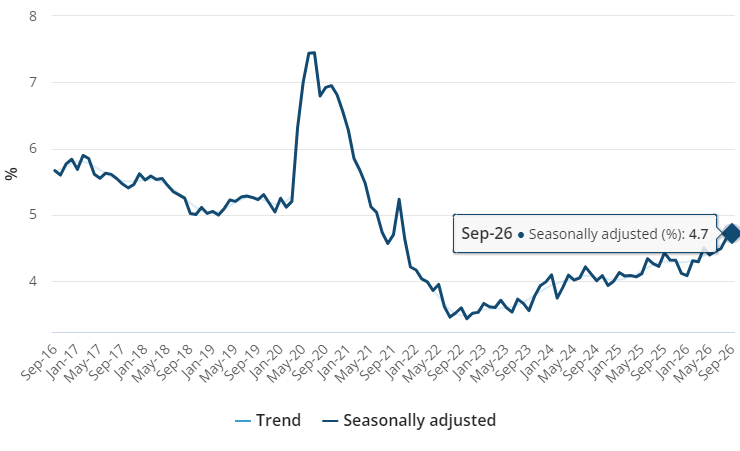
The seasonally adjusted unemployment rate was 4.7 per cent, according to the Australian Bureau of Statistics. August was revised to the same level, while September employment fell by 39,300 people. The number of unemployed Australians increased by 8,900 to 732,000.
The weakness extended beyond the headline rate. The employment-to-population ratio fell 0.3 percentage points to 63.6 per cent, participation declined 0.2 points to 66.8 per cent and underemployment edged up to 6.3 per cent. Part-time employment fell by 73,700, partly offset by a 34,400 increase in full-time work.
For the RBA, this is a clearer sign that restrictive monetary policy is cooling demand. Higher unemployment and falling employment reduce wage pressure over time and increase the risk that another rate rise would push the economy harder than necessary.
That makes a November increase less certain. It does not make a hold inevitable. The RBA must balance labour-market softness against inflation, and the September-quarter consumer price index due later in October will carry more direct weight in the decision.
For mortgage holders and property investors, the practical conclusion is not to trade one data release. Borrowers should continue testing repayments at higher rates, preserve liquidity and avoid basing a purchase on an assumed near-term reversal. Refinancing decisions should be assessed against total cost, not simply the advertised rate.
Property markets may initially welcome a reduced probability of another increase because borrowing capacity and sentiment are highly rate-sensitive. But a weakening labour market is not unambiguously positive for housing: job security supports mortgage serviceability, rental demand and buyer confidence.
The September numbers have given the RBA a credible reason to wait. Inflation will determine whether it can use it.

Chinese carmaker GAC will expand its Australian electric vehicle line-up with the city-focused AION UT hatchback.

By improving sluggish performance or replacing a broken screen, you can make your old iPhone feel new agai