LOW-FOOTPRINT LUXURY REDEFINES SOUTHERN AFRICA’S SAFARI EXPERIENCE
Exclusive eco-conscious lodges are attracting wealthy travellers seeking immersive experiences that prioritise conservation, community and restraint over excess.
 2 min
2 min
Luxury travel in Southern Africa is undergoing a quiet but profound transformation. Where sprawling resorts and visible opulence once defined status, a new generation of high-end travellers is gravitating towards smaller, low-footprint lodges that deliver exceptional experiences while preserving the environment around them.
This shift reflects a broader recalibration of priorities among affluent travellers, who are increasingly placing sustainability alongside comfort and exclusivity when selecting destinations.
Industry reports from Virtuoso and American Express Travel highlight growing demand for accommodation that supports conservation, limits environmental impact and contributes meaningfully to local communities.
For operators such as Isibindi Africa, this approach has long been central to their philosophy. Its flagship properties, Thonga Beach Lodge in South Africa and Tsowa Safari Island on the Zambezi River, demonstrate how thoughtful design and operational restraint can enhance rather than diminish the luxury experience.
DESIGNED TO DISAPPEAR INTO THE LANDSCAPE
Set within the UNESCO-listed iSimangaliso Wetland Park, Thonga Beach Lodge is defined by its deliberate invisibility. Guest numbers are strictly capped, and the lodge’s timber structures are elevated on stilts to minimise disruption to the fragile dune ecosystem.
Lighting is carefully controlled to avoid interfering with turtle nesting along the coastline, ensuring wildlife encounters remain entirely natural.
“Low-footprint luxury starts with knowing when to stop,” says Lucy Cooke, Group Marketing Manager at Isibindi Africa. “Guests notice when a place feels considered rather than overbuilt, and many now expect that.”
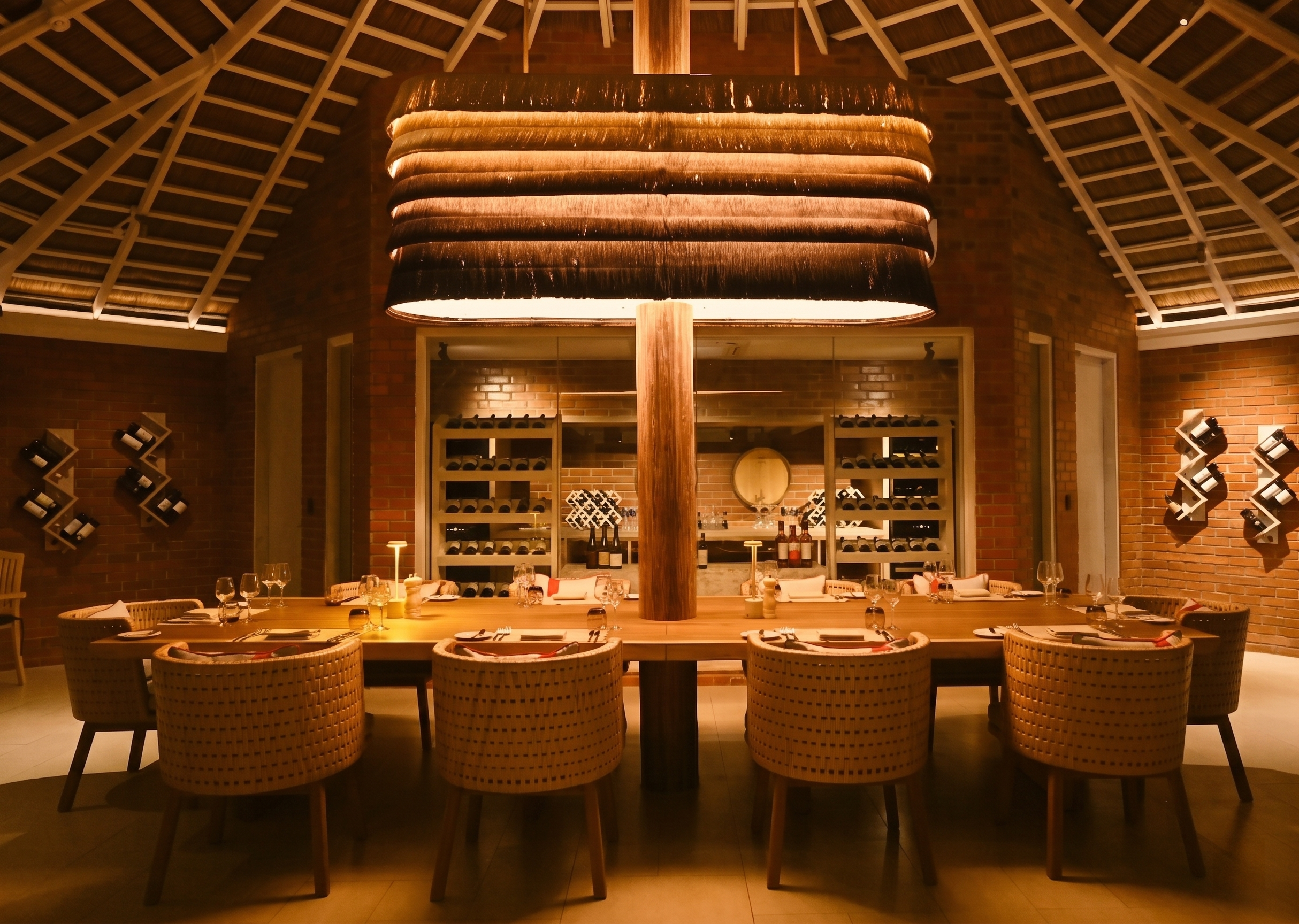
That same restraint extends to construction and daily operations. Traditional thatched roofs and local building techniques allow the lodge to blend seamlessly into its surroundings, while refillable amenities, reusable containers and the elimination of single-use plastics reduce waste.
POWERED BY NATURE, NOT EXCESS
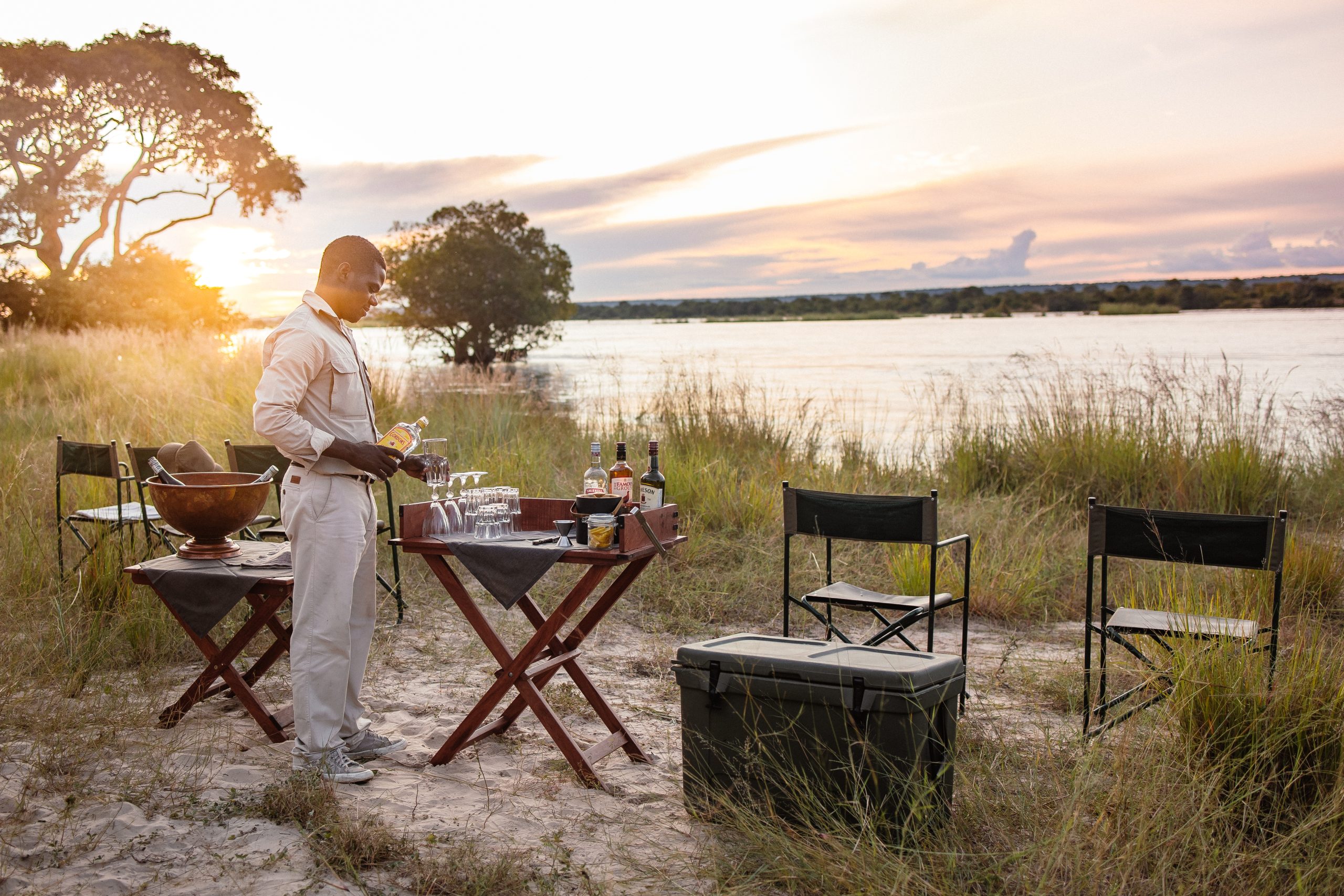
On the Zambezi River, Tsowa Safari Island offers an equally refined yet restrained experience. Limited to just nine safari tents and a maximum of 18 guests, the camp operates entirely on solar power, with water sourced from the river, filtered onsite and returned through environmentally sensitive systems.
The lodge was built without removing a single tree, with structures carefully positioned around existing vegetation to preserve the island’s natural character.
This intentional scarcity enhances the sense of exclusivity while ensuring the environmental footprint remains minimal.
COMMUNITY AND CONSERVATION AT THE CORE
Beyond environmental sensitivity, these lodges also reflect a deeper integration with local communities. At Thonga Beach Lodge, more than 90 per cent of staff come from the nearby Mabibi community, supported through training and long-term employment opportunities.
The lodge also supplies clean water to approximately 800 households each month, alongside investment in local schools, infrastructure and conservation initiatives.
Tsowa Safari Island similarly supports surrounding communities through water access programmes, agricultural support and anti-poaching partnerships with park authorities.
THE FUTURE OF LUXURY IS LESS, NOT MORE
As luxury travellers become more discerning about the true impact of their journeys, exclusivity is increasingly defined by authenticity, privacy and environmental sensitivity rather than scale.
These new-generation lodges demonstrate that luxury no longer requires excess. Instead, the most desirable experiences are those that tread lightly, preserve what makes a place special and offer guests a deeper connection to the natural world.
In Southern Africa, restraint has become the ultimate luxury.
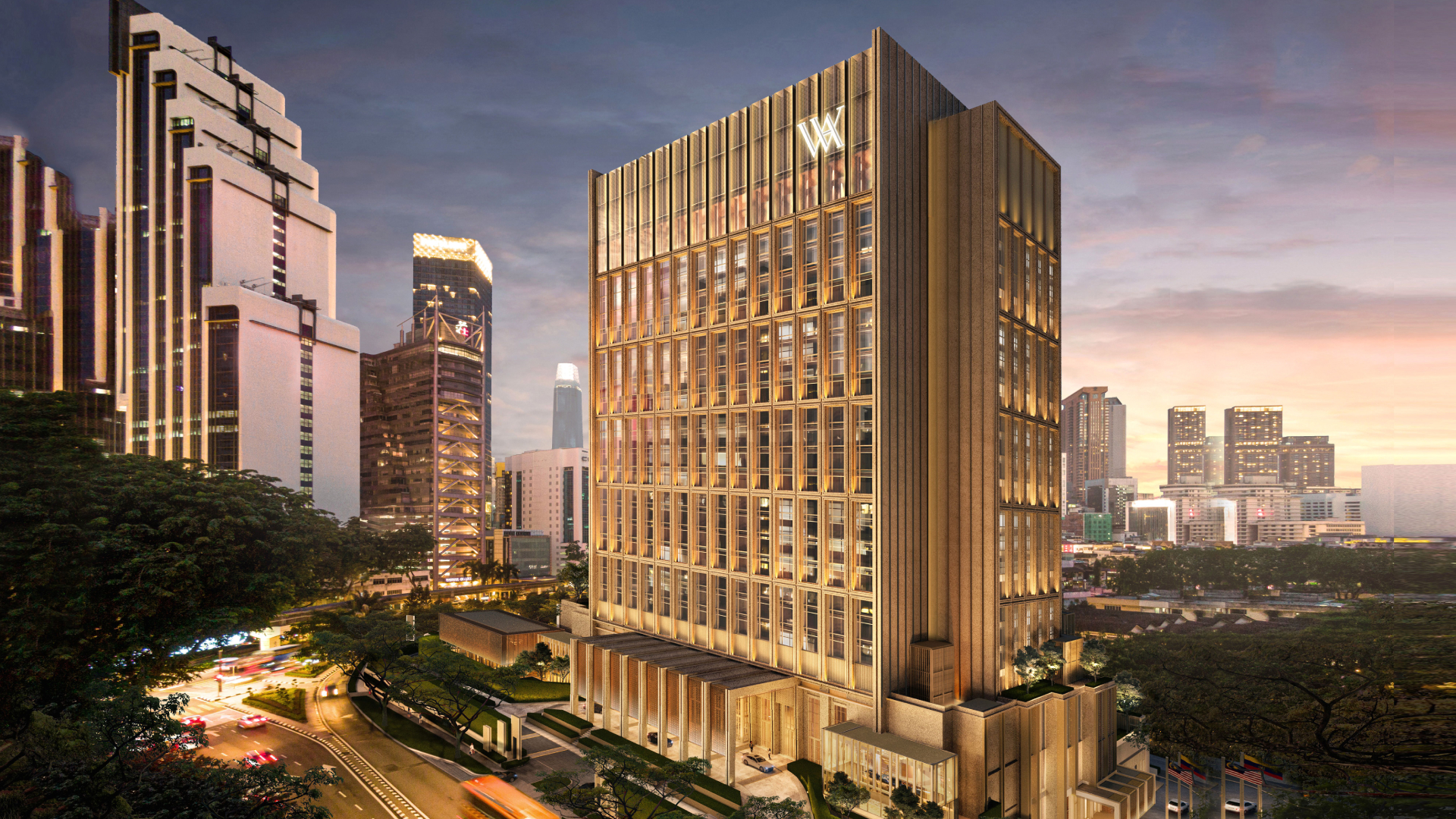
Waldorf Astoria Kuala Lumpur is scheduled to open on 30 October, introducing the Hilton luxury brand to Malaysia with an all-suite hotel in the city’s Golden Triangle.
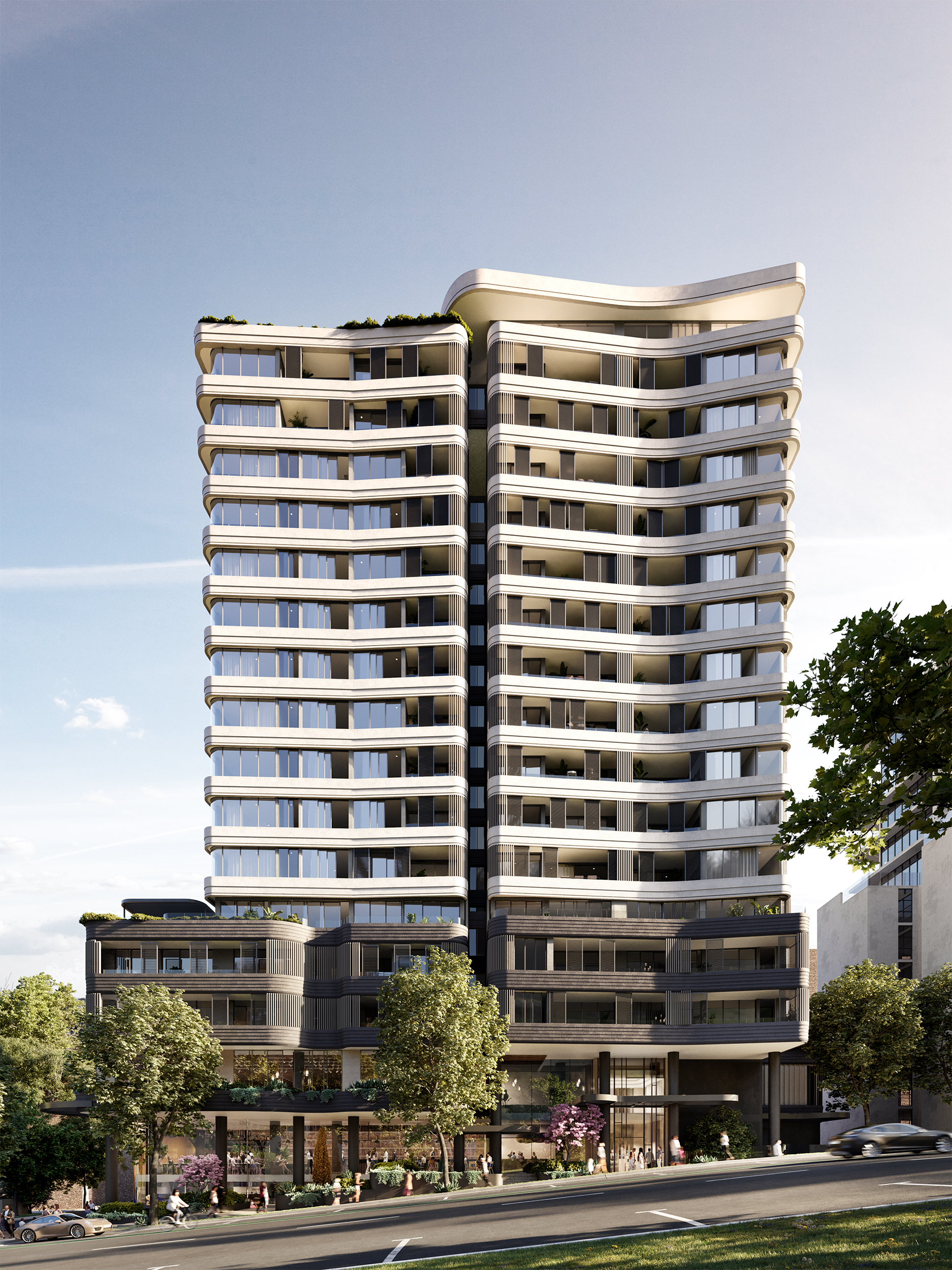
Located steps from Crows Nest Metro, the near-complete development brings luxury living to Sydney’s Lower North Shore.
3 min
Buyers of Aston Martin’s 1,079PS Valhalla can commission one of two bespoke Breitling Super Chronomat watches, with colours and personalised details inspired by their individual car.
The relationship between cars and watches has produced countless branded chronographs, racing editions and logo-bearing collaborations. Breitling and Aston Martin are taking a more personal route with a new watch program reserved exclusively for owners of the Valhalla supercar.
Rather than offering every customer the same limited-edition watch, Breitling is opening part of its Super Chronomat design process to Valhalla owners. A dedicated configurator will allow each buyer to commission a timepiece inspired by the specification of their car and their individual tastes.
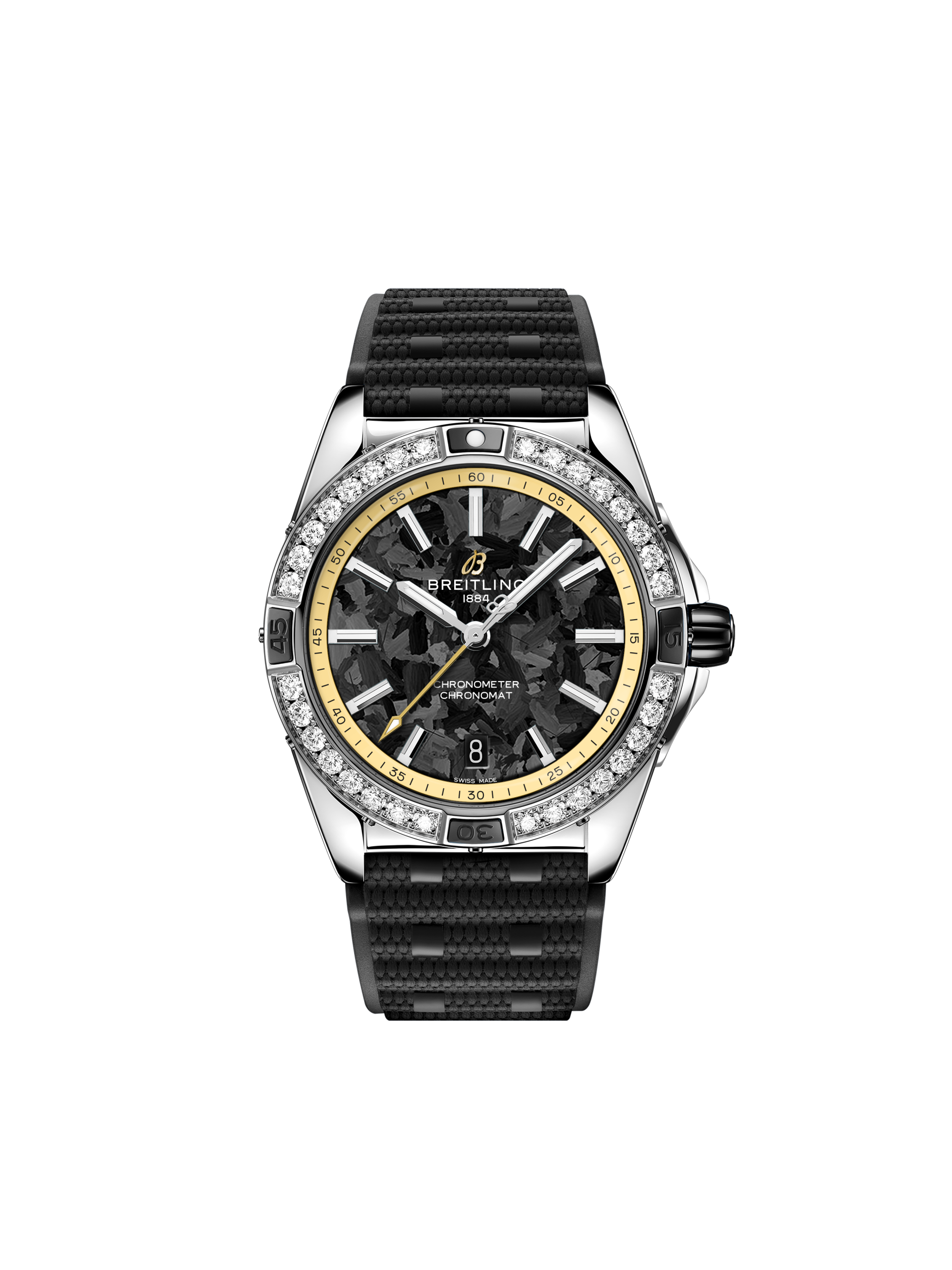
Two Super Chronomat models are available: a technically ambitious 44mm perpetual-calendar chronograph and a more compact 38mm automatic watch.
The flagship is the Super Chronomat B19 44 Perpetual Calendar Chronograph. Presented in a 44mm titanium case with Breitling’s distinctive Rouleaux bracelet, it combines a carbon-fibre dial with one of mechanical watchmaking’s most sophisticated complications.
Its automatic perpetual calendar accounts for months of different lengths, leap years and the phases of the moon. Provided it continues running, the calendar will not require manual correction until 2100—the next centurial year that will not be recognised as a leap year.
The B19 movement also provides a 96-hour power reserve, allowing the watch to be left unworn for four days without stopping. A display caseback exposes the movement and black rotor.
Valhalla owners can customise the colour of the inner bezel, seconds hand and chronograph counter hands. The rotor can also be engraved, creating a more permanent connection between the watch and its owner.

The second option, the Super Chronomat Automatic 38, offers a less complicated and more restrained interpretation.
Its 38mm stainless-steel case is paired with a textured carbon-fibre dial, a titanium crown and a diamond-set bezel. The automatic three-hand display incorporates a date window at six o’clock, while customisation extends to the colours used for the inner bezel and hands, together with a personalised caseback engraving.
The combination of carbon fibre and diamonds might appear contradictory, but it captures the dual character of the Valhalla: a car built around highly technical performance that remains unmistakably positioned as a luxury object.
The watch program draws directly from Aston Martin’s first series-production, mid-engined plug-in hybrid supercar.
Valhalla combines a 4.0-litre twin-turbocharged V8 with three electric motors to produce 1,079PS. Aston Martin claims it can accelerate from zero to 62mph—approximately 100km/h—in 2.5 seconds and reach 217mph, or about 349km/h.

Production is limited to 999 examples worldwide.
Formula One-derived technology and aerodynamic development have played central roles in the car’s engineering, but customisation is equally important to its ownership proposition. Breitling’s configurator extends that process from the Aston Martin specification studio to the wrist.
Each car will be produced at Aston Martin’s headquarters in Gaydon, England, while the watches will be made at Breitling’s Chronometrie in La Chaux-de-Fonds, Switzerland.
The program also reflects a broader change in the luxury market. Exclusivity is increasingly being defined by access rather than the simple production of another numbered edition. These watches cannot be purchased merely by joining a waiting list or paying a premium on the secondary market; the commission begins with ownership of the corresponding car.
That restriction gives the project greater authenticity than a conventional co-branded release. The strongest configurations should be those that use colour and engraving to create a subtle relationship with a particular Valhalla, rather than attempting to reproduce the car too literally.
For Valhalla buyers, the choice ultimately comes down to two very different expressions of the same idea. The 44mm B19 is the serious collector’s proposition, built around a rare combination of perpetual calendar and chronograph. The Automatic 38 is simpler, smaller and likely more versatile as an everyday watch.
Both turn the usual automotive-watch collaboration into something more individual: a timepiece configured alongside one of Aston Martin’s most significant new cars.
Watch summary
Program: Bespoke Breitling Super Chronomat watches for Aston Martin Valhalla owners
Available models: Super Chronomat B19 44 Perpetual Calendar Chronograph and Super Chronomat Automatic 38
B19 case: 44mm titanium
B19 power reserve: Approximately 96 hours
B19 complication: Automatic perpetual calendar chronograph
Automatic 38 case: 38mm stainless steel
Shared design element: Textured carbon-fibre dial
Customisation: Selected colours and personalised engraving
Availability: Exclusively for Aston Martin Valhalla owners
Valhalla production: Limited to 999 cars worldwide

An opulent Ryde home, packed with cinema, pool, sauna and more, is hitting the auction block with a $1 reserve.

The sports-car maker delivered 279,449 cars last year, down from 310,718 in 2024.