Foreign Home Buyers Craving a Piece of the Swiss Alps Finally Have a Way In
The government in Switzerland has waived residency requirements in a handful of locations, including one that’s growing fast.
 3 min
3 min
While golden visa schemes proliferate, Switzerland remains famously protective about buying property in the country.
Rules known as Lex Koller, introduced in 1983, prohibit foreigners from buying homes in cities like Geneva and Zurich. And in the few locations where foreigners can buy, purchase permits come with rules around size and occupancy.
But non-Swiss buyers who have coveted an Alpine home now have a pathway to ownership, and it’s likely to come with financial upside. The Swiss government has waived residency requirements in a handful of locations where developers have negotiated exemptions in exchange for billions of dollars of investment in construction and improvements.
Andermatt, a village 4,715 feet above sea level in the centre of the Swiss Alps, is the largest municipality to open up to foreign buyers.
Its main investor, Egyptian magnate Samih Sawiris, “believed Andermatt could become a full-town redevelopment when he first visited in 2005, but the key was to offer real estate to people outside of Switzerland,” said Russell Collins, chief commercial officer of Andermatt-Swiss Alps, Sawiris’s development company.
“We became the only large-scale real estate development in Switzerland with an exemption from the Lex Koller regulations.”
In the ensuing decades, Andermatt has become a major draw for high-net-worth buyers from around the world, said Alex Koch de Gooreynd, a partner at Knight Frank in London and head of its Swiss residential sales team.
“What the Andermatt-Swiss Alps guys have done is incredible,” he said. “It’s an impressive resort, and there is still a good 10 years’ worth of construction to come. The future of the resort is very good.”
Andermatt’s profile got another boost from the 2022 acquisition of its ski and resort operations by Vail Resorts, which runs 41 ski destinations worldwide.
“Vail has committed to 150 million Swiss francs (US$175 million) in investments, which is another game-changer,” de Gooreynd said.
“If you’d asked me about Andermatt 10 years ago, I would have said the ski areas weren’t good enough of a draw.”
Along with the five-star Chedi Andermatt hotel and residences, which opened in 2013, residential offerings include the Gotthard Residences at the Radisson Blu hotel; at least six branded residences are planned to open by 2030, according to Jeremy Rollason, director for France, Switzerland, and Austria at Savills Ski.
“Most of these are niche, boutique buildings with anywhere from eight to 14 units, and they’re releasing them selectively to create interest and demand, which has been a very successful approach,” he said.
“Andermatt is an emerging destination, and an intelligent buy. Many buyers haven’t heard of it, but it’s about building a brand to the level of Verbier, Courchevel or Gstaad.”
The Alpinist, Andermatt’s third hotel residence, is slated to open in 2027; with 164 apartments, the five-star project will be run by Andermatt-Swiss Alps, according to Collins.
Other developments include Tova, an 18-unit project designed by Norwegian architects Snohetta, and La Foret, an 18-apartment building conceived by Swiss architects Brandenberger Kloter.
Prices in Andermatt’s new buildings range from around 1.35 million francs for a one-bedroom apartment to as much as 3.5 million francs for a two-bedroom unit, according to Astrid Josuran, an agent with Zurich Sotheby’s International Realty.
Penthouses with four or more bedrooms average 5 million-6 million francs. “Property values have been increasing steadily, with an average annual growth rate of 7.7% in the last 10 years,” she said.
“New developments will continue for the next 10 years, after which supply will be limited.”
Foreign buyers can obtain mortgages from Swiss banks, where current rates hover around 1.5% “and are declining,” Josuran said.
Compared to other countries with Alpine resorts, Switzerland also offers tax advantages, said Rollason of Savills. “France has a wealth tax on property wealth, which can become quite penal if you own $4 million or $5 million worth of property,” he said.
Andermatt’s high-end lifestyle has enhanced its appeal, said Collins of Andermatt-Swiss Alps.
“We have three Michelin-starred restaurants, and we want to create a culinary hub here,” he said. “We’ve redeveloped the main shopping promenade, Furkagasse, with 20 new retail and culinary outlets.
And there is a unique international community developing. While half our owners are Swiss, we have British, Italian and German buyers, and we are seeing inquiries from the U.S.”
But Andermatt is not the only Swiss location to cut red tape for foreign buyers.
The much smaller Samnaun resort, between Davos and Innsbruck, Austria, “is zoned so we can sell to foreigners,” said Thomas Joyce of Alpine property specialist Pure International.
“It’s high-altitude, with good restaurants and offers low property taxes of the Graubunden canton where it’s located.”
At the Edge, a new 22-apartment project by a Dutch developer, prices range from 12,000-13,500 francs per square metre, he said.
As Andermatt’s stature grows, this is a strategic time for foreigners to invest, said Josuran of Sotheby’s.
“It might be under the radar now, but it’s rapidly growing, and already among Switzerland’s most attractive ski locations,” she said. “Now’s the time to buy, before it reaches the status of a St. Moritz or Zermatt.”
 Copyright 2020, Dow Jones & Company, Inc. All Rights Reserved Worldwide. LEARN MORE




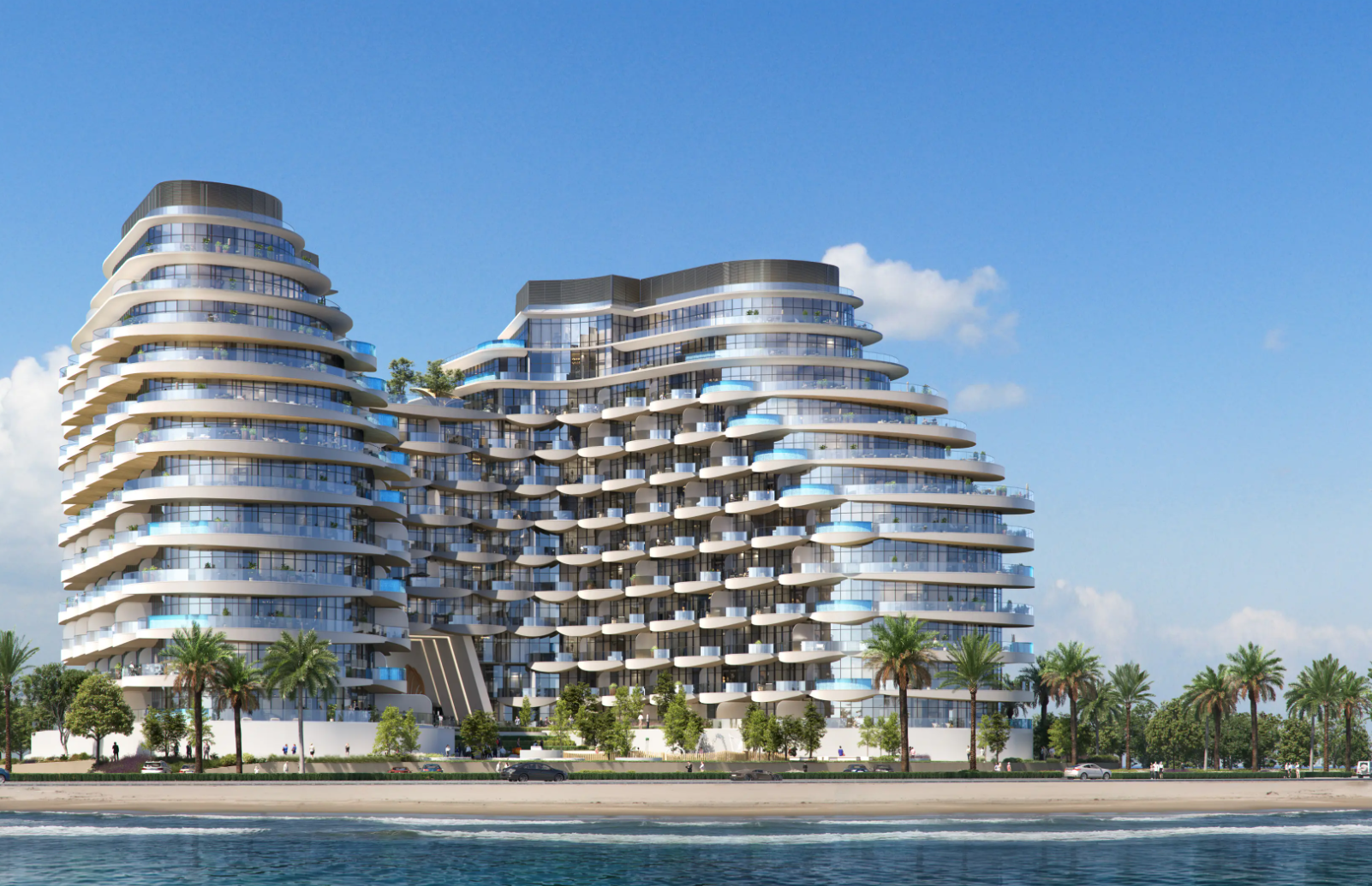
BNW Developments has established a Sydney presence, joining Arada and Sobha Realty among the growing number of UAE developers pursuing Australian buyers and development opportunities.
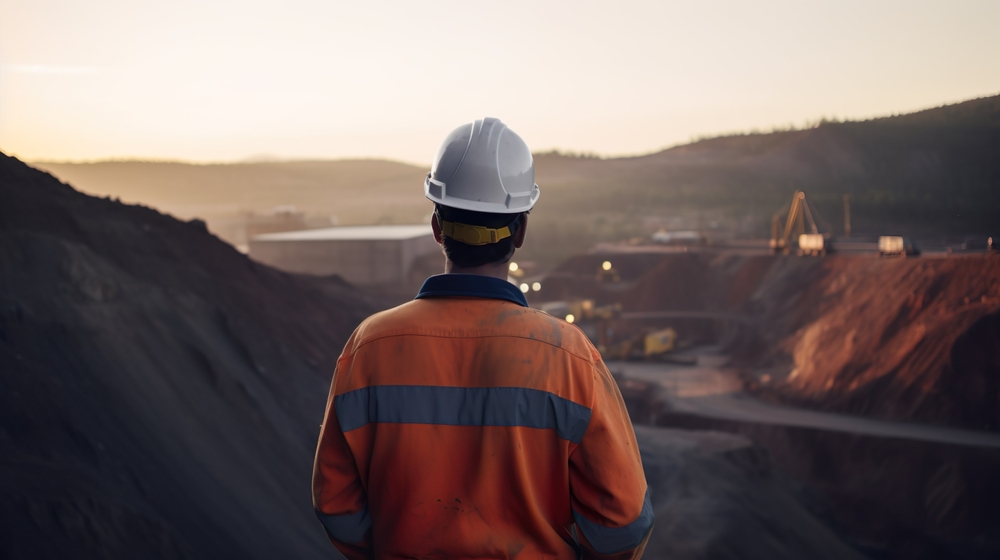
Australian shares fell on Thursday as Wall Street weakness, rising oil and persistent rate concerns weighed on most of the market. The S&P/ASX 200 declined 0.72 per cent to 8,702. The All Ordinaries lost 0.66 per cent to finish at 8,897. Mining stocks were hit particularly hard, while real estate also dragged on the index. …
Continue reading “ASX falls 0.7 per cent as miners and property stocks retreat”

 2 min
2 minAustralian shares fell on Thursday as Wall Street weakness, rising oil and persistent rate concerns weighed on most of the market.
The S&P/ASX 200 declined 0.72 per cent to 8,702. The All Ordinaries lost 0.66 per cent to finish at 8,897. Mining stocks were hit particularly hard, while real estate also dragged on the index.
Energy was the notable exception, gaining more than one per cent as Brent crude traded above US$103 a barrel. Oil had moved higher amid uncertainty surrounding potential US diesel-export restrictions and broader geopolitical supply risks. The move supported energy producers but renewed concern about inflation inputs across transport and the wider economy.
Gold shares were weak even as spot bullion remained historically elevated. The All Ordinaries Gold index fell about 2.25 per cent, showing that equity performance can diverge from the commodity because of valuation, currency, operating and company-specific factors.
Zip was a prominent loser, falling 11.38 per cent after the company reported short sales after the previous close. Nine Entertainment also weakened after UBS analysts warned of near-term revenue challenges associated with its advertising-supported subscription tier.
Premier Investments led larger winners despite caution about the retail environment. Breville, in which Premier owns a significant stake, also appeared among leading movers. In the broader ASX 300 screen, Myer gained 11.43 per cent and MAAS Group rose 7.93 per cent, while Lotus Resources fell 10.53 per cent. These percentage moves should be checked against company announcements and trading liquidity before attributing causes.
The Australian dollar was broadly flat at US70.38 cents. Spot gold was around US$4,280 an ounce, Brent crude approximately US$103.08 a barrel and iron ore near US$96.90 a tonne late in the session.
The rate outlook remains the central domestic catalyst. Labour-market weakness has not eliminated the possibility of an RBA increase next week, leaving banks, listed property and other rate-sensitive sectors exposed to changing expectations.
Market dashboard
S&P/ASX 200: 8,702, down 0.72 per cent.
All Ordinaries: 8,897, down 0.66 per cent.
Best sector: Energy, up more than one per cent.
Weakest areas: Real estate and materials were the major drags; confirm final sector percentages before publication.
Material winner: Premier Investments led the large-company gainers. Confirm its final closing move from the ASX before publication.
Material loser: Zip, down 11.38 per cent.
ASX 300 percentage leader: Myer, up 11.43 per cent.
ASX 300 percentage laggard: Zip, down 11.38 per cent.
AUD/USD: Approximately US$0.7038, broadly flat.

In the lead-up to the country’s biggest dog show, a third-generation handler prepares a gaggle of premier canines vying for the top prize.

Two coming 2027 models – the first of the “Neue Klasse” cars coming to the U.S. early next year – have been revealed.