Cold Plunges Are Hot. But Can You Do It in Your Home Pool?
With interest booming, wellness experts and pool builders have seen more homeowners hoping to take cold therapy immersion into their own backyards.

 4 min
4 min
Cold plunges have gone from fringe curiosity to full-blown cultural phenomenon, the wellness world’s equivalent of a headline-grabbing breakout star.
Adherents slip into icy water on a daily basis, chasing an electric jolt of clarity that feels like a flip has been switched inside your brain.
Dedicated cold plunge practices are everywhere from upscale fitness studios and pro sports locker rooms to renowned wellness destinations such as Mountain Trek Health Reset Retreat in British Columbia.
Considering the ever-expanding assortment of companies flooding the market with cold plunge tubs and other custom devices dedicated to achieving icy bliss—with costs potentially reaching into the tens of thousands—some homeowners are tempted to use their swimming pools as an alternative.
“We’re absolutely seeing more homeowners use their pools as year-round cold plunges, especially in colder climates,” said Nick McNaught, CEO and co-founder of Toronto-based Stay Unbounded, which offers cold exposure workshops, retreats and certifications.
“The motivation is often simplicity and cost. If the water is already cold, people see value in keeping the pool open longer or winterizing it differently to support cold exposure.”
Suzanne Vaughan, president of Massachusetts-based pool builder SwimEx, points out the inherent convenience that comes with taking a frosty dip out back.
“From what homeowners tell us, the appeal of a cold plunge at home is less about chasing extremes and more about having a simple ritual that’s always available,” she said.
“It’s quick, accessible and easy to build into a daily routine.”
Among new clients Vaughan works with, year-round cold plunge use is usually planned from the start rather than as an afterthought.
“More are choosing indoor pools or small attached structures because that makes temperature control, equipment protection and day-to-day use much easier in colder climates,” she said.

If someone is thinking about using an existing home pool as a cold plunge, the main questions are likely to involve practicality and protection.
“Larger volumes of water take more energy and time to keep at colder temperatures, and you need a plan to protect plumbing, finishes and equipment from freeze–thaw cycles,” she added.
“Whatever the design, you want a system that’s built for the temperature range you have in mind, and a pool professional who can help you winterize safely.”
One such professional is Hunter Gary, a certified master pool builder and owner of H2 Outdoor Living in Tennessee.
“Most everyone has a ‘number’ in degrees when it comes to cold plunging. When a client asks our company to design a cold plunge for them, I ask ‘what’s your number?’” Gary said.
“A smaller body of water or cold plunge vessel may be much easier for maintaining a balanced temperature…but if using a pool gets you excited about a more serious approach to inviting this wellness experience in your life, then go for it.”
Amy McDonald, owner and CEO of Under a Tree, a wellness consultancy, said transforming a pool into a plunge might not be worth time and investment
“It is almost impossible to retrofit a standard swimming pool into a cold plunge,” she said.
“The energy and money to do it properly is greater compared to just creating a complimentary contrast circuit.”
A proper setup needs to be exceptionally cold, she noted, so depending on where the pool is located it might not get chilly enough to provide optimal health benefits.
“That could work in northern areas of the U.S., but it takes a lot for a pool to generate and keep that kind of cold, not even considering if the pool ices over,” she said.
McNaught echoed those concerns, citing how home pools aren’t designed specifically for cold plunging, so temperature consistency, cleanliness, ease of access and safety become important factors.
“Dedicated cold plunge setups offer more control, smaller volumes and lower ongoing maintenance,” he said.
“For many people, a pool works as an entry point. Over time, those who commit to the practice transition to a dedicated setup because it better supports frequency, comfort and long-term use.”
Beyond geography and climate, industry experts pointed out other challenges homeowners are likely to face.
“Pools are saturated with chlorine and other chemicals that directly absorb into the bloodstream. The advantage of many cold plunges is that no chemicals are required for residential use,” said David Haddad, as the co-founder of Oregon-based BlueCube Wellness.
“Constant ozonation and filtration is enough to kill organic compounds without exposure to sanitizing chemicals.”
Most cold-plunge systems are monitored to stay between 50-60 degrees Fahrenheit—with experienced plungers often preferring lower temperatures.
While “the ultimate experience might be a glacial lake in Finland, unfortunately that’s a bit out of reach for most of us,” said Andreas Stelluti, co-founder at Texas-based Colderatti, whose vessels feature the world’s first chemical-free cold plunge technology, powered by a triple filtration system that removes 99% of impurities to provide a system with drinking-quality water.
“Having a cold plunge at home brings that experience to your backyard, making it very easy and accessible, so you have the ability to make it part of your lifestyle,” he added.
Stelluti noted that as spring arrives and clients’ home pools start to warm up again, they begin to miss the cool water.
“Many say ‘I really need this to be part of my lifestyle year-round’ and that desire for consistent, accessible cold immersion is what motivates them to invest in a dedicated cold plunge setup,” he explained.
“Unfortunately, you can’t use your pool as a year-round cold plunge during the summer. Especially not here in Texas.”
 Copyright 2020, Dow Jones & Company, Inc. All Rights Reserved Worldwide. LEARN MORE




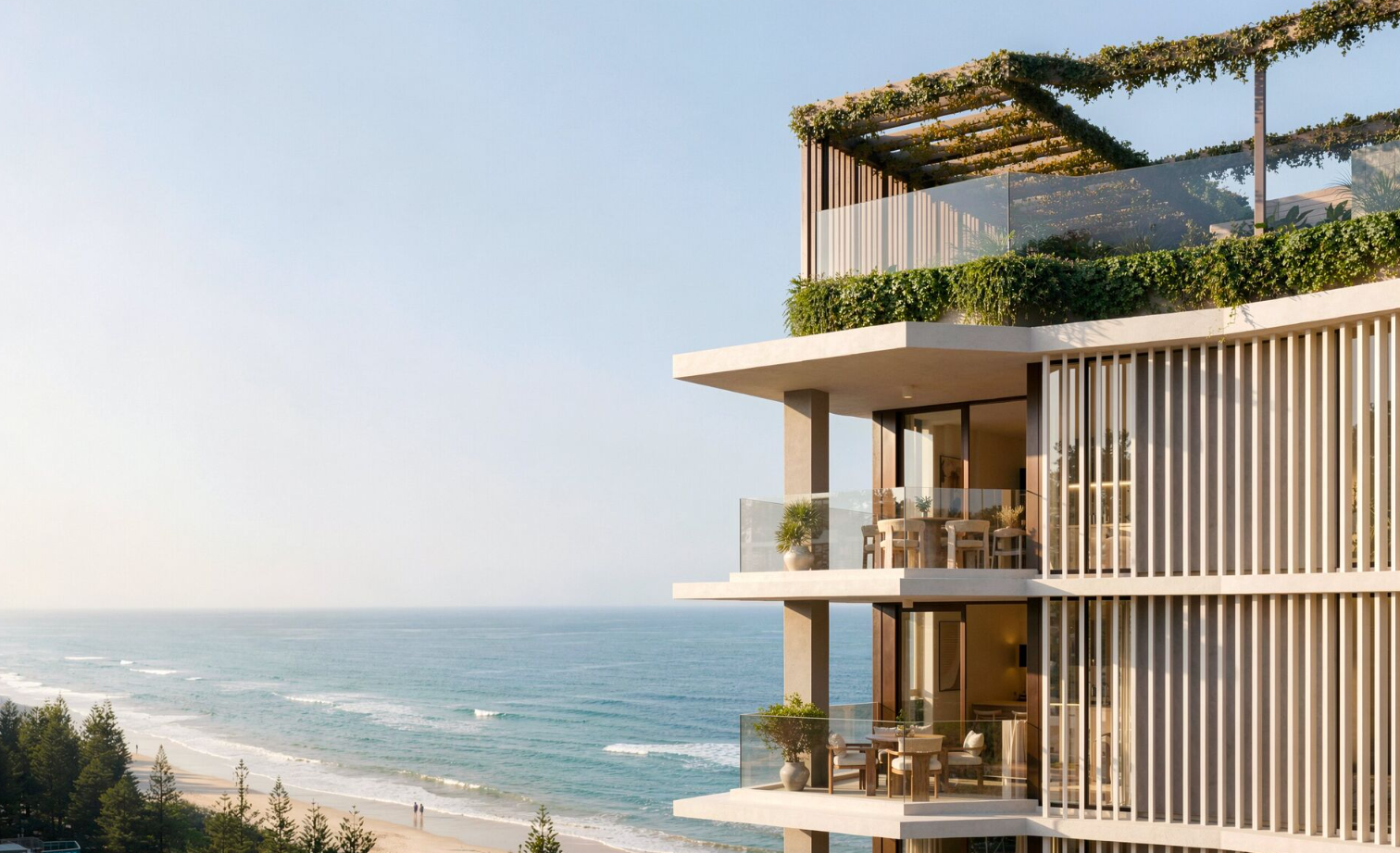
Studio apartments have almost disappeared from new Australian developments. Lura is bringing them back to Burleigh Heads from $495,000.

Porsche’s Cayenne Turbo Electric produces up to 1,156PS and reaches 100km/h in a claimed 2.5 seconds.
Bjorn Farrugia was named for Björn Borg, the ice-cool Swede who once ruled Wimbledon’s Centre Court, and for a long stretch of his young life the name felt like a mandate
3 min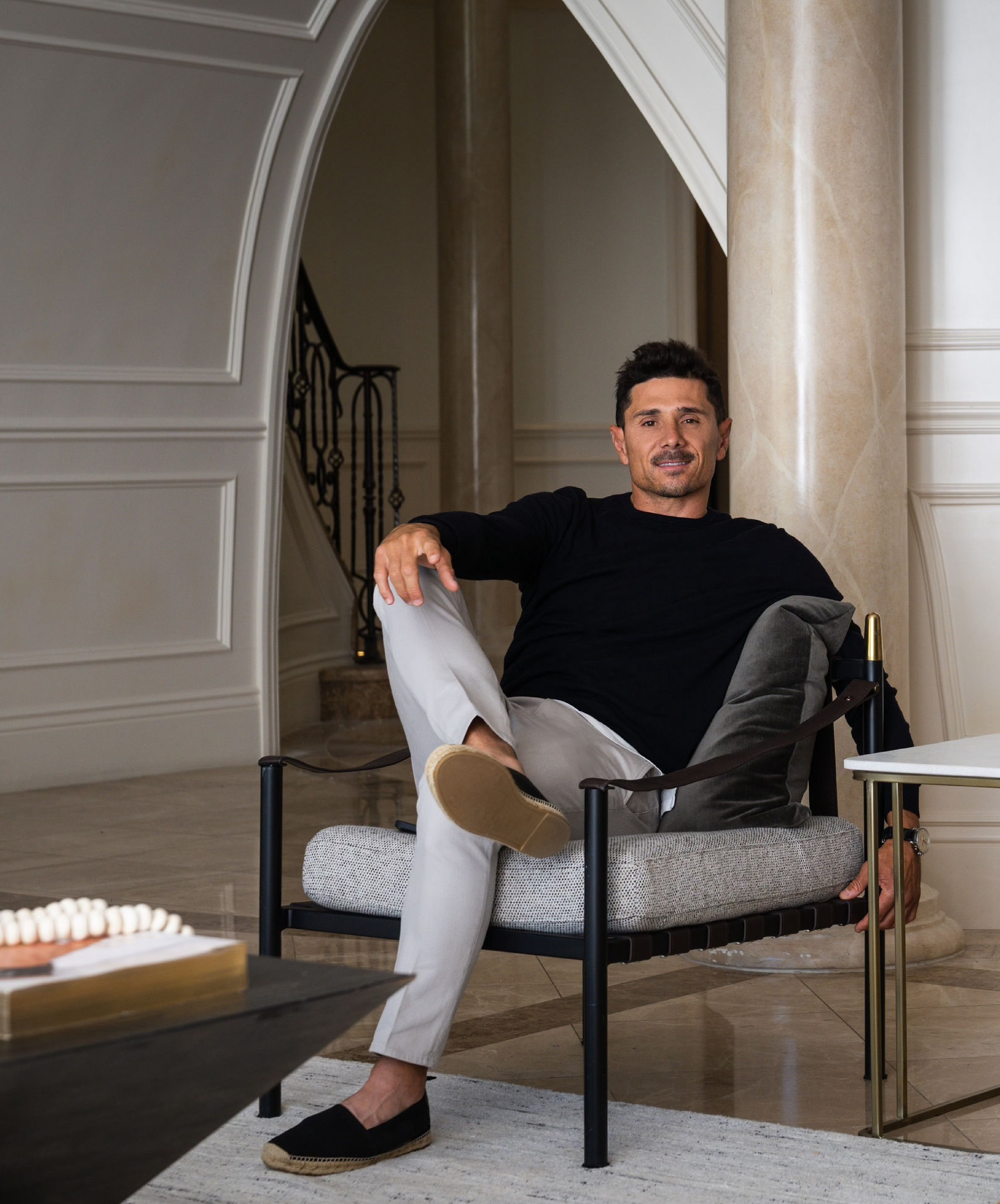
A tennis scholarship took him to America two decades ago with no return ticket in mind. Today the Melbourne-born, Beverly Hills-based agent is one of the most decorated names in Los Angeles luxury real estate — and still calls himself an Australian first.
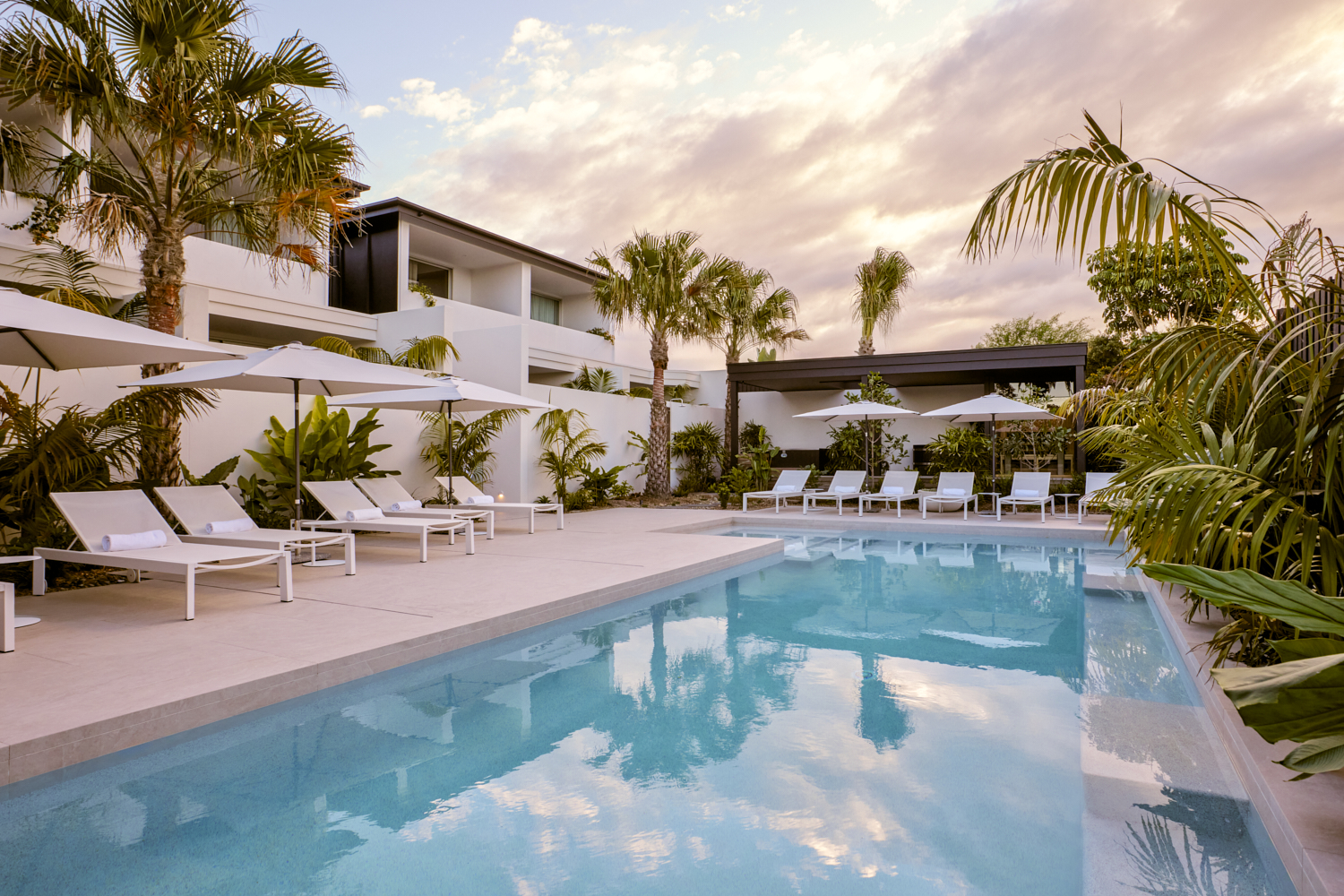
When the Writers Festival was called off and the skies refused to clear, one weekend away turned into a rare lesson in slowing down, ice baths included.

Victorian auction buyers will soon receive a piece of information that has traditionally been withheld until bidding reaches it: the vendor’s reserve price. Under new property-sale and underquoting laws, agents must publish the agreed reserve at least seven days before an auction or fixed-date sale. Most changes begin on 1 October 2026 and apply to …
Continue reading “Victoria’s New Auction Rules Will Force Reserve Prices Into the Open”