Luxury apartment ‘rightsizing’ boom reshapes prestige property market
Wealthy Aussies are swapping large family homes for high-end apartments, with sales of prestige units tripling over the past decade.
 2 min
2 min
Australia’s prestige apartment market is booming as wealthy homeowners increasingly choose to “rightsize” into luxury apartments rather than remain in large family houses.
New research from McGrath shows the number of prestige apartments sold in 2025 has tripled over the past decade as high-net-worth buyers prioritise lifestyle, security and convenience.
McGrath chief executive John McGrath said the shift reflects a growing preference among affluent Australians for luxury apartment living.
“Prestige apartments have been the strongest market segment in the last few years as high-net-worth individuals choose luxury, security and lifestyle in apartments over houses,” he said.
“Demand has increased dramatically as luxury apartments have gone to a whole new level in design, finishes and amenities.”
Queensland has led the surge in prestige apartment sales, accounting for 43 per cent of East Coast transactions in 2025. New South Wales followed with 41 per cent, while Victoria made up the remaining 16 per cent.
Southeast Queensland leads the trend
Southeast Queensland has become a particularly popular destination for luxury apartment buyers seeking waterfront lifestyles with convenient access to major cities.
Mr McGrath said the region’s beaches and rivers had provided the ideal setting for a new generation of high-end residential developments.
Prices for newly built prestige apartments have also significantly outperformed established units over the past five years. New apartments on the Gold Coast have surged 88 per cent, compared with 60 per cent in Brisbane, 34 per cent in Sydney and 32 per cent in Melbourne.
Apartments getting larger
Developers have responded by building larger apartments with more bedrooms and premium amenities to appeal to affluent downsizers.
McGrath’s national head of research, Michelle Ciesielski, said the emerging rightsizing trend had reshaped the type of apartments being built across Australia.
“After identifying the emerging rightsizing trend in Australia back in 2020, there has been more than double the delivery of apartments with three or more bedrooms, and the average apartment built was one-third larger,” she said.
Hotel-style amenities and premium parking
Buyers are also increasingly seeking features previously associated with luxury hotels, including pools, gyms and high-end shared facilities.
More than two-thirds of residential towers across the CBDs of Sydney, Melbourne and Brisbane now include both a pool and gym.
Parking has also become a major selling point in the prestige apartment market. Research shows Sydney apartments with more than four car spaces command a 62 per cent price premium compared with those with just one space.
Despite strong demand, developers continue to face rising construction costs, labour shortages and higher material prices when delivering new luxury projects.
Even so, McGrath said demand for prestige apartment living is expected to remain strong as wealthy Australians look for sophisticated homes that offer space, security and a lifestyle-driven alternative to traditional houses.
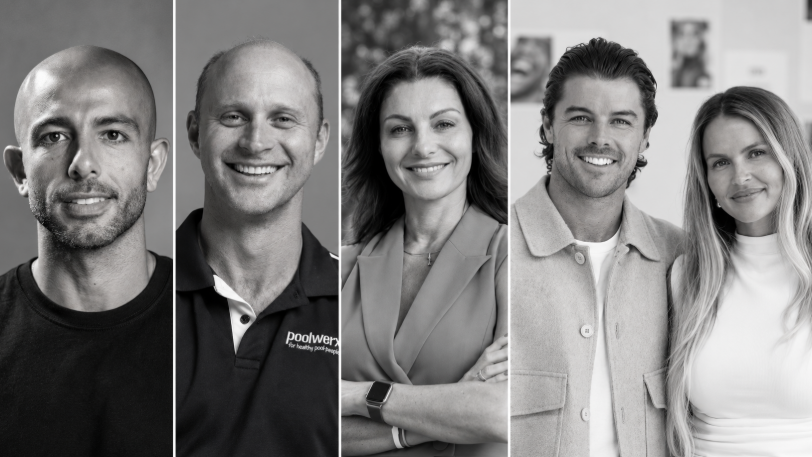
From making unpopular decisions to learning when to listen, leaders from five businesses reveal what nobody prepared them for — and how running a company has challenged their expectations.

Technology and semiconductor shares fell sharply as investors questioned the debt financing the AI infrastructure boom and confronted higher rates and Chinese competition.
Tesla’s new Roadster used suction technology and SpaceX-derived thrusters to jump and flip—but production, price and road legality remain unresolved.
3 min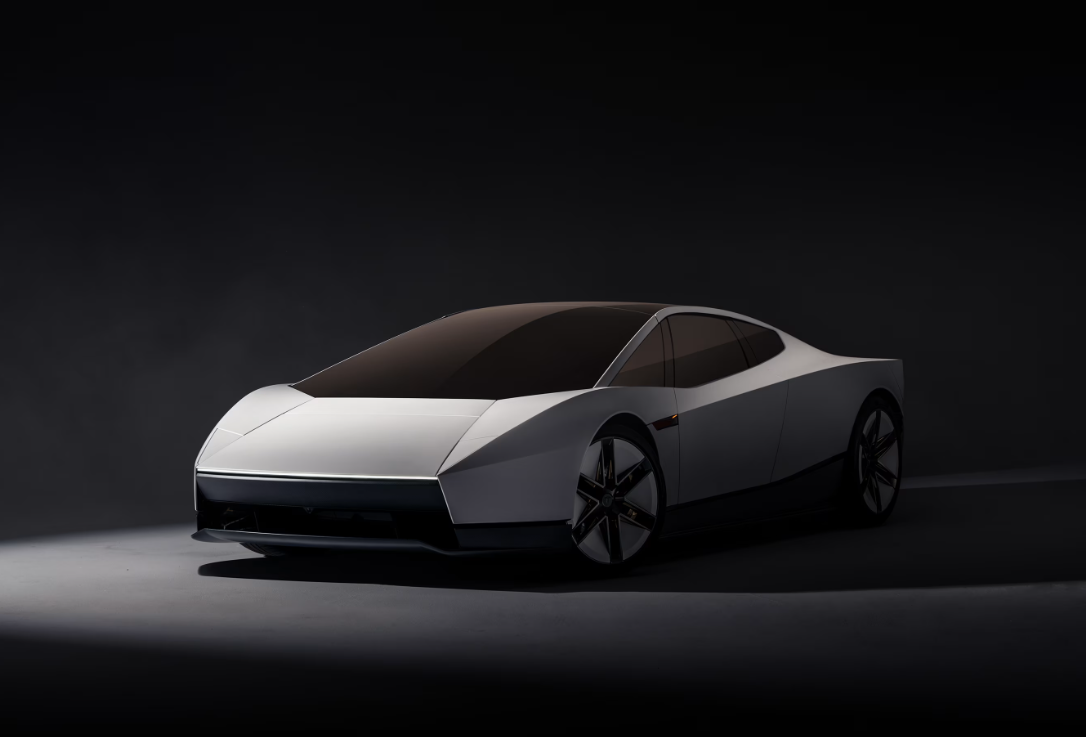
Tesla has finally revealed its radically redesigned Roadster—and delivered the airborne spectacle Elon Musk has been promising for years.
Unveiled at a SpaceX testing facility near Waco, Texas, the new electric supercar drove onto a steeply curved ramp, used a suction system to cling to its underside and launched into the air. Cold-gas thrusters stabilised the vehicle as it rotated and returned to the ground.
In another demonstration, the Roadster cleared a line of Tesla vehicles that included a Semi, Cybertruck, Cybercab, Model Y and Model 3.
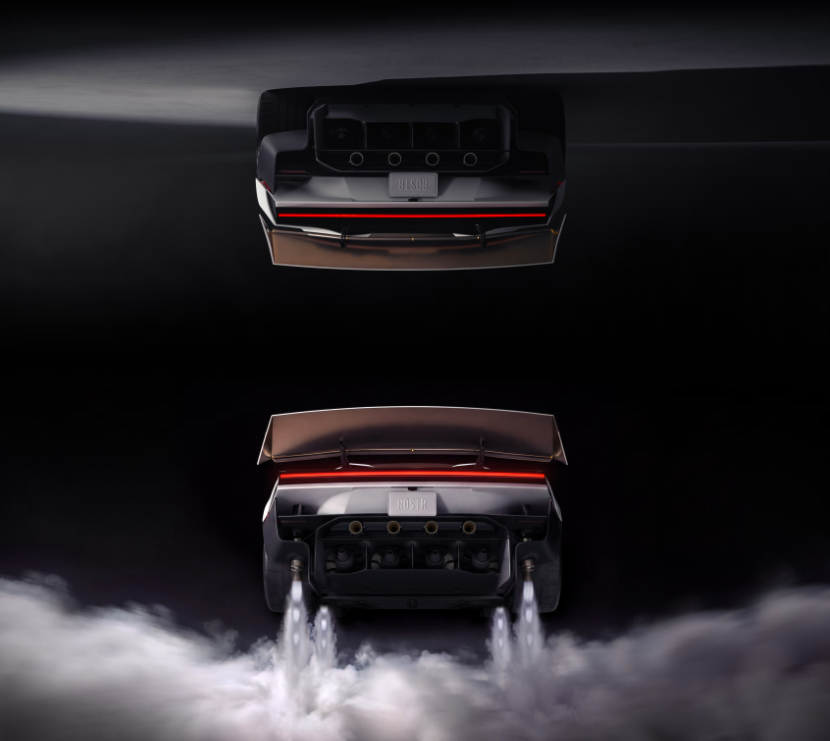
It was an extraordinary stunt. Whether it proved Tesla has created a genuine flying car is another matter.
The vehicle did not demonstrate sustained, controlled flight of the kind associated with an aircraft or electric vertical take-off and landing vehicle. Its thrusters instead produced brief powered leaps, rotation and landing control.
“We’re not talking about sustained flight,” Smithsonian National Air and Space Museum curator Roger Connor told CNN. “We are literally talking about hopping.”
How does it work?
Tesla has outlined three intended Roadster configurations.
The two-seat Performance model is the comparatively conventional version, although little about it sounds ordinary. It uses active aerodynamics and what Tesla calls a multi-mode suction system to increase downforce and allow the car to adhere to steep or inverted surfaces.
The two-seat Thrust adds rear-mounted cold-gas thrusters, designed to deliver acceleration from zero to 60mph—approximately 97km/h—in less than one second.
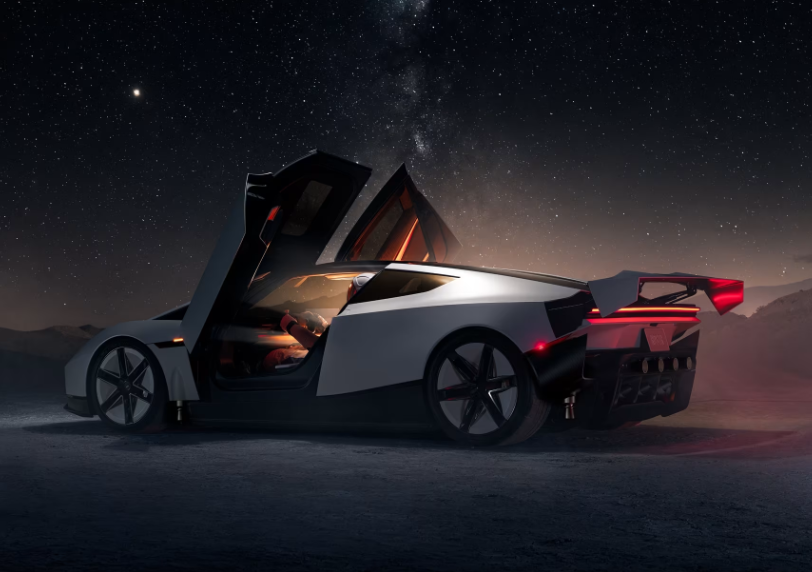
At the top is the single-seat Rocket, equipped with 10 thrusters positioned around the vehicle. This is the version intended to perform the airborne manoeuvres demonstrated in Texas.
Tesla engineering vice-president Lars Moravy said the system uses approximately 600 litres of compressed air. Carbon-fibre-wrapped pressure vessels occupy available spaces throughout the car, supplying the thrusters used for acceleration, lift and directional control.
The technology is more closely related to a rocket reaction-control system than a conventional flying-car powertrain. Rather than producing continuous lift through wings or propellers, it releases highly pressurised gas to generate short bursts of thrust.
Tesla says all three versions will offer approximately 300 miles—or 483 kilometres—of driving range and a top speed exceeding 230mph, equivalent to about 370km/h.
These remain company claims rather than independently verified production specifications.
Can buyers order one?
Reservations have reopened in selected markets. According to reporting from the launch, Tesla is seeking US$50,000 to reserve the Performance variant and US$250,000 for the Thrust. Access to the Rocket is described as invitation-only.
No final purchase price was announced, and Tesla has not confirmed Australian pricing, delivery timing or regulatory approval.
Musk said production would begin in 2028. That should be treated as an ambition rather than a settled delivery date.
The second-generation Roadster was originally unveiled in 2017 and was expected to reach customers within several years. The program was subsequently delayed in 2020, 2021, 2023 and 2024. Some customers have consequently held substantial reservations for close to a decade.
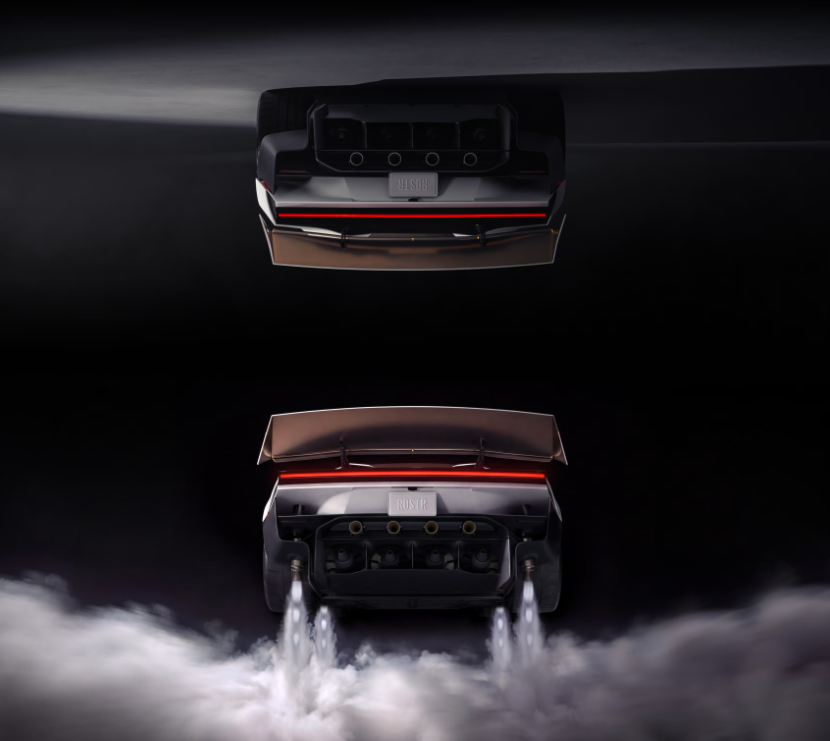
There are also formidable regulatory questions. A road-registered vehicle capable of deliberately leaving the ground, rotating and landing among other traffic does not fit neatly within existing vehicle standards. Its compressed-air system, pressure vessels and unconventional manoeuvres would require extensive safety assessment.
The more plausible outcome is that Tesla produces the Performance and perhaps Thrust versions for road and track use, while tightly restricting the Rocket’s airborne functions—or reserving them for controlled environments.
Tesla has produced a genuine moving prototype capable of remarkable stunts. It has not yet demonstrated that customers will be permitted to repeat them on public roads.
For now, the Roadster is real enough to jump. Whether it becomes a car people can buy, register and use as demonstrated remains the more consequential test.

Hand-built in Melbourne and limited to just 10 cars a year, the Zeigler/Bailey Z/B 4.4 is reshaping what a modern collector car can be.

The pandemic-fuelled love affair with casual footwear is fading, with Bank of America warning the downturn shows no sign of easing.