Meet the CEOs Who Pull In More Than $100 Million a Year
Chief executives at Pinterest, Peloton and Hertz are outearning Apple’s Tim Cook—and hundreds of others leading bigger companies

 4 min
4 min
The highest-paid CEOs aren’t always the ones running the biggest companies.
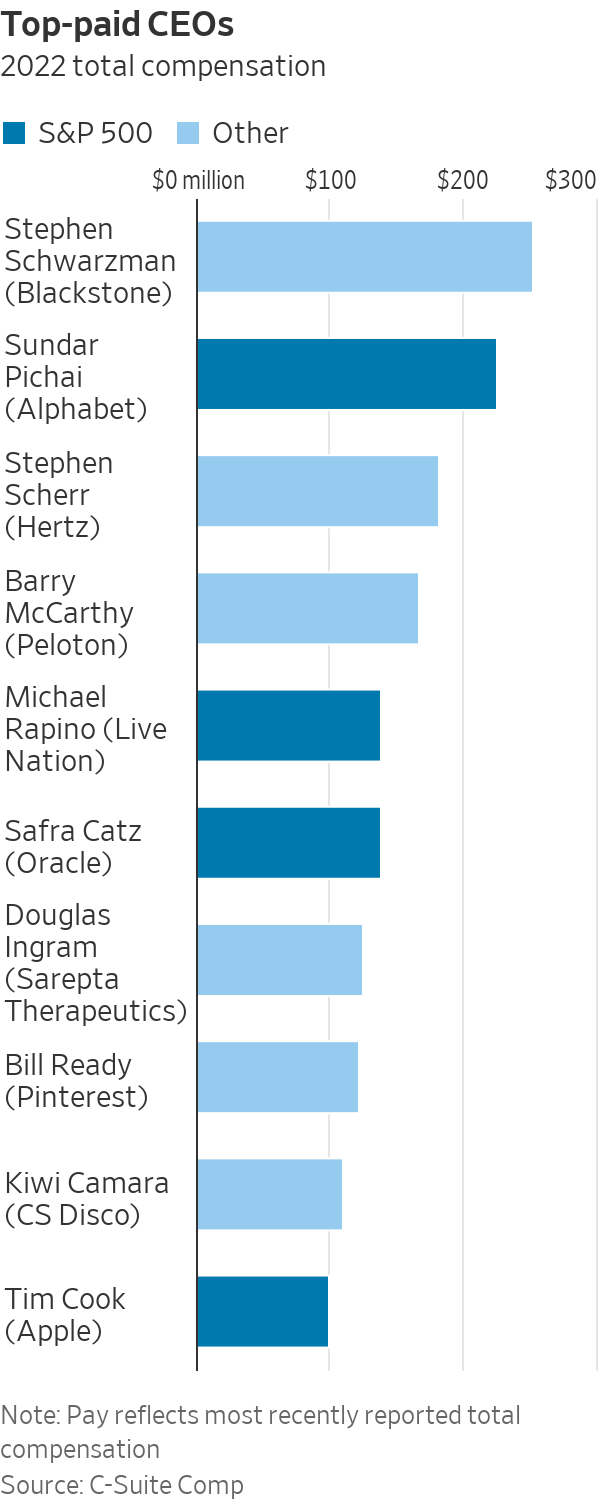
The chief executives of Hertz, Peloton and Pinterest all earned more than $100 million in 2022, topping almost every CEO in the S&P 500 including Apple’s Tim Cook, who made $99 million. Also on that list: The man who runs CS Disco, a cloud-services provider that caters to attorneys and has a market capitalisation of about $500 million.
Six of the 10 highest-paid CEOs last year ran companies that weren’t in the S&P 500, according to C-Suite Comp, an executive-pay-data and analytics company. The S&P 500 comprises most of the biggest U.S. publicly traded companies.
Stephen Schwarzman of private-equity giant Blackstone earned the biggest pay package overall, at $253 million. Blackstone, larger than many S&P 500 companies at a market capitalisation of more than $100 billion, has a corporate structure similar to dual share-class setups that until recentlyhave kept other companies out of the index.
Schwarzman edged out Sundar Pichai, who runs Google parent Alphabet and received a pay package of $226 million—a total that put Pichai atop The Wall Street Journal’s annual CEO pay survey earlier this year. Pichai was followed in the earlier survey by Live Nation’s Michael Rapino, at $139 million.
Some executives in C-Suite Comp’s top-paid list, such as the leaders of Pinterest and Hertz, wouldn’t make the Journal’s annual pay ranking because those CEOs started during the year. The Journal’s analysis only ranks CEOs who served the full year.
Median pay for CEOs of S&P 500 companies slipped to $14.5 million last year, from $14.7 million the year before.
More broadly, nine CEOs made more than $100 million in 2022, of nearly 4,000 publicly traded U.S. companies in C-Suite Comp’s analysis. That is down from more than 20 a year earlier, as equity awards slimmed down, the firm said.
The bulk of CEO pay usually consists of restricted stock or options, the value of which can fluctuate. Many equity awards often only vest—becoming fully the executive’s property—if certain performance targets are met, or if the executive remains employed for a specified period.
For Schwarzman, Blackstone’s co-founder, about $190 million of his pay came in the form of carried interest and incentive-fee allocations. Carried interest refers to a cut of profit above a target that some investment managers receive. A further $58.8 million consisted of shares in real-estate investment trusts that Blackstone manages.
Schwarzman’s total pay was more than 50% larger than his 2021 package of $160 million. Total return for Blackstone shares, including the company’s dividend, was minus 40% last year, compared with minus 18% for the S&P 500. Through late June this year, Blackstone’s total return was 22%, compared with about 14% for the index.
Schwarzman owns almost 20% of Blackstone, a stake qualifying for dividends of about $1 billion in 2022.
A Blackstone spokesman said nearly 30% of Schwarzman’s 2022 pay reflects investment performance in 2021, in a period when the company’s share price also doubled. “Virtually all his compensation is carried interest and incentive fees—which are only paid when we deliver for our customers,” the spokesman said. He declined to say how much of Schwarzman’s pay was in cash.
At Hertz, Stephen Scherr’s total pay of $182 million included $3.4 million in salary and bonus. A further $178 million in restricted stock is structured to vest through 2026, much of it only if the company’s shares reach 90-day average price targets ranging up to nearly double its current share price.
In its annual proxy statement, Hertz said two price targets had already been met, meaning about $50 million in shares at recent prices stand to vest if Scherr stays employed through 2026, in addition to roughly $20 million that vested on Dec. 31.
Scherr, who earlier worked as Goldman Sachs Group’s chief financial officer, took Hertz’s top job in February 2022, about seven months after the rental-car chain emerged from bankruptcy-court protection.
Hertz shares fell 22% during Scherr’s tenure last year, while the S&P 500 fell 16%. The company valued Scherr’s equity award at roughly $128 million at year-end, securities filings show. Hertz shares were up about 20% this year through June 30.
A Hertz spokesman declined to comment beyond company disclosures.
Peloton’s Barry McCarthy started as CEO in February 2022, after stints as chief financial officer at Spotify and Netflix. His $168 million pay package at Peloton was almost entirely in stock options, which vest monthly over four years.
With Peloton trading near $7.50 in recent days, those eight million options are underwater, meaning they would cost more to exercise than the underlying shares are worth.
Peloton shares have fallen about 3% this year through June 30, and fell 79% in 2022 as declining demand left the company with a glut of the exercise bikes it sells.
Peloton representatives didn’t respond to requests for comment.
Of the $123 million Pinterest awarded Bill Ready last year, nearly $101 million came in stock options and $21.5 million in restricted stock made up most of the rest. Both were awarded in connection with his hiring as CEO in late June 2022.
The equity awards vest quarterly over four years if Ready remains employed. By year-end, Ready’s 2022 stock and option awards had increased in value to $153.6 million, Pinterest said in its securities filings.
Pinterest shares rose just over 20% last year. So far this year, Pinterest shares have risen about 13% through June 30.
A Pinterest spokeswoman said Ready isn’t expected to receive additional equity during his first four years, and the company sees his 2022 equity awards as the equivalent of about $30 million a year over that time. Ready also had to buy and hold $5 million in shares.
“If the company performs well, then Bill’s options have value,” the spokeswoman said. “If the company doesn’t perform well, then Bill’s compensation is going to be impacted.”
CS Disco, a 10-year-old Austin, Texas, company that sells online services to law firms, attorneys and legal-services companies, is the smallest company in the top-paid set. CEO Kiwi Camara, a co-founder, received $500,000 in salary plus stock options valued at $109 million, an award shareholders approved in a vote last year.
Camara’s options vest only if the company’s 90-day average share price reaches any of six targets through 2032, or if the company is acquired or Camara loses his job under certain circumstances.
Camara earned just under $1 million total in 2021, the year the company went public in late July. Its shares closed at $8.22 on Friday, up 30% for the year so far but down more than 75% from the company’s share price at the start of 2022.
CS Disco didn’t respond to requests for comment.
 Copyright 2020, Dow Jones & Company, Inc. All Rights Reserved Worldwide. LEARN MORE




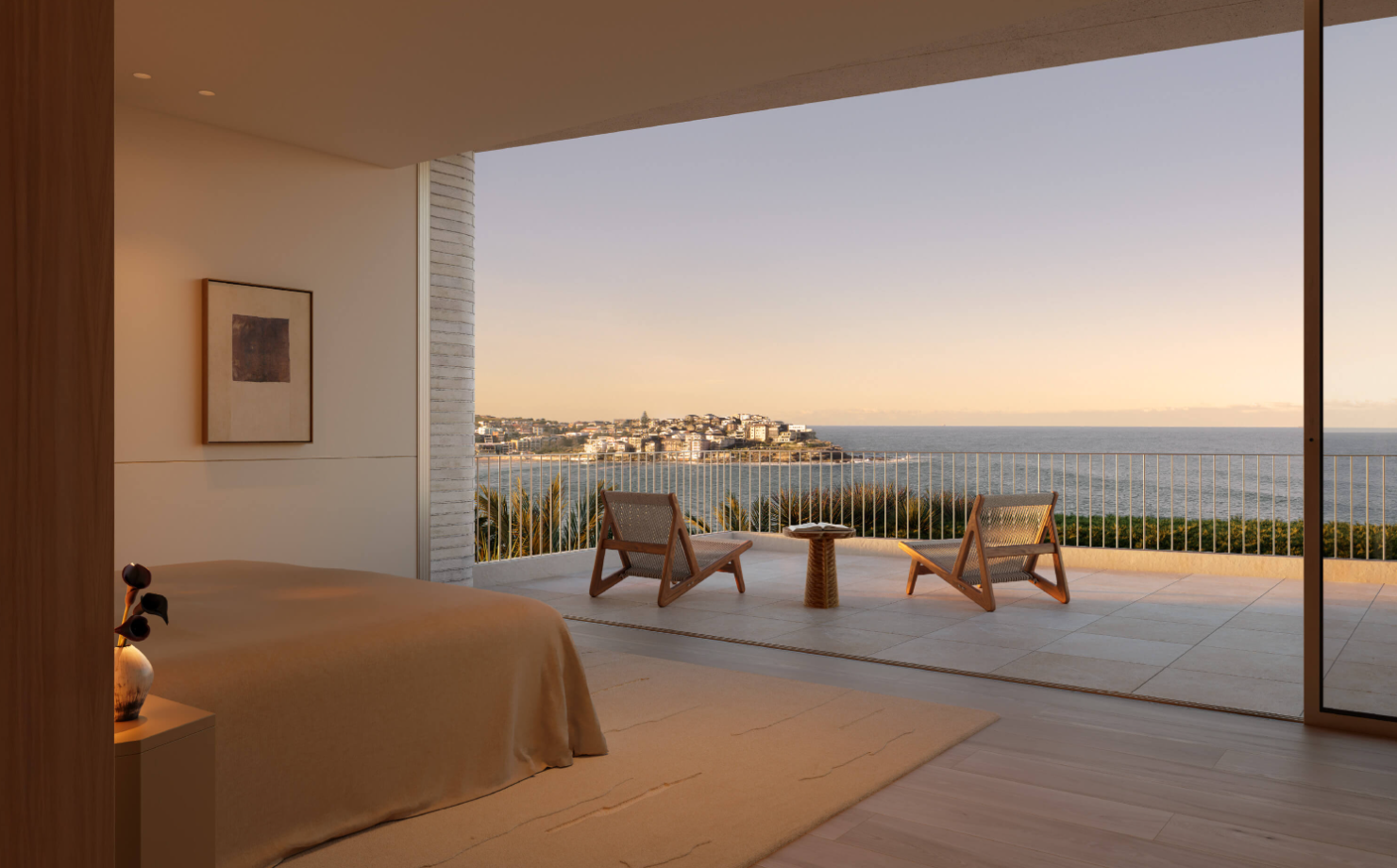
For Central Element, the start of work at Pearl represents another step in the company’s growing eastern suburbs pipeline.

All three vehicles will form part of a broader charitable initiative benefiting Big Brothers Big Sisters of America, the American Red Cross and Starlight Children’s Foundation

From its Liverpool headquarters, Kanebridge Finance brings together decades of banking and lending experience to support developers and businesses across one of Sydney’s fastest-growing regions.
3 min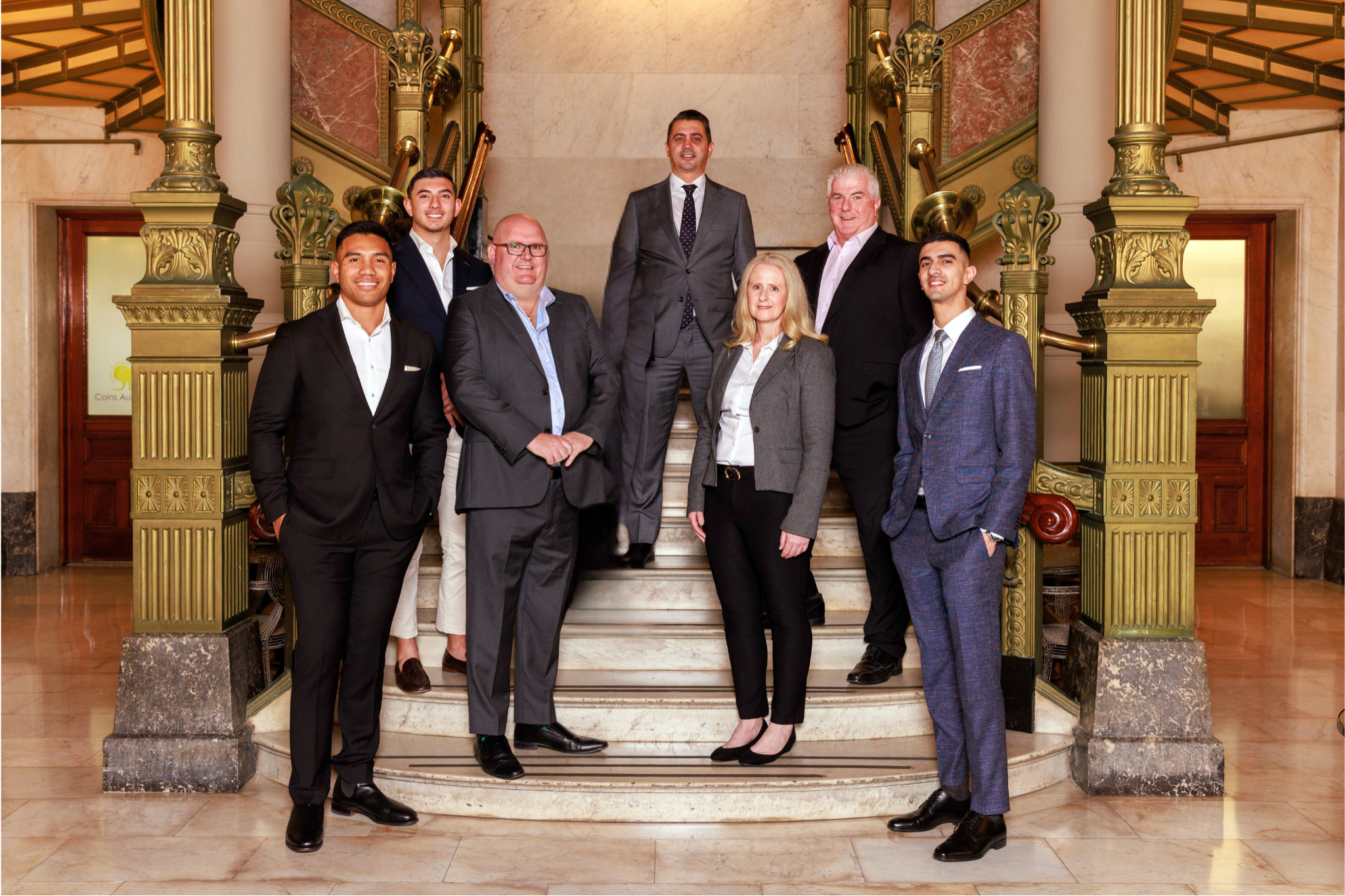
South Western Sydney is undergoing a significant transformation. New infrastructure, expanding industries and sustained population growth are creating opportunities for developers and business owners—but they are also producing increasingly complex funding requirements.
Kanebridge Finance has grown alongside this changing market. Established in 1999 and headquartered in Liverpool, the brokerage combines local knowledge with specialist experience across property development, commercial lending, asset finance and working capital.
Rather than relying on a traditional founder-led structure, the business draws on the complementary expertise of three senior leaders: Marwan Rahme, Jon Gawley and Mark Donovan.
Complementary experience, shared direction
Founder Marwan Rahme continues to shape Kanebridge Finance’s broader vision and growth strategy. His focus on innovation and expanding the firm’s capabilities has helped the business evolve well beyond a conventional finance brokerage.
Managing Director Jon Gawley oversees its day-to-day operations and commercial lending activities. A finalist for the 2026 AFG Best Broker – Commercial Lending award, Jon brings more than 20 years of senior business banking experience from NAB and Suncorp. His understanding of how lenders assess commercial transactions is particularly valuable for developers, business owners and borrowers navigating complex funding decisions.
Mark Donovan leads Kanebridge Finance’s asset finance and working capital offering. Recognised as a finalist for the 2026 AFG Best Broker – Asset Finance award, Mark joined the business following almost three decades in NAB’s business banking division. His team supports businesses seeking finance for equipment, construction activity, cash flow and expansion.
Together, the three leaders provide distinct but connected areas of expertise. Clients benefit from access to a broader team while still receiving advice from someone experienced in the particular type of finance their transaction requires.
Experience demonstrated through delivery
Kanebridge Finance’s position has been built through completed transactions and long-term client relationships.
The brokerage has funded approximately $675 million across residential and commercial projects, arranged $300 million in property development finance and supported the successful delivery of more than 100 projects.
These transactions frequently involve the kinds of challenges that require more than a standard lending approach: complicated ownership structures, staged developments, commercial property, business expansion and time-sensitive capital requirements.
The firm’s work has also received industry recognition. Kanebridge Finance was named MPA Magazine’s Commercial Broker of the Year in 2025 and 2026 and received a Global Best in Mortgage award recognising commercial brokers across the Asia-Pacific region, North America and the United Kingdom.
Local knowledge in a rapidly changing region
Liverpool is more than Kanebridge Finance’s head office location. It places the business within one of Australia’s most active development and investment corridors.
The growth associated with Western Sydney International Airport and the Aerotropolis is contributing to wider industrial, logistics, commercial and residential activity throughout South Western Sydney. For local businesses and developers, these opportunities often bring financing questions that cannot be answered by comparing interest rates alone.
Project location, development timing, lender appetite, cash-flow requirements and future expansion plans can all influence how a facility should be structured. Kanebridge Finance’s presence in the region gives its team an informed understanding of this environment and the ambitions of the people investing in it.
Specialist support without unnecessary complexity
For clients, the benefit of Kanebridge Finance’s leadership model is straightforward: they can work with one brokerage across several stages of growth without receiving generalised advice.
A developer seeking project funding can draw on the firm’s property and commercial finance experience. A growing company purchasing machinery or vehicles can work directly with its asset finance specialists. A business requiring additional liquidity can explore working capital solutions with advisers who understand business banking and cash flow.
Each client is connected with the expertise most relevant to the transaction, while the wider team remains available as their circumstances evolve.
As investment in South Western Sydney continues, Kanebridge Finance is positioned to support the businesses and developments helping shape the region—combining more than two decades of local presence with the specialist capability required to turn ambitious plans into funded projects.

Pure Amazon has begun journeys deep into Peru’s Pacaya-Samiria National Reserve, combining contemporary design, Indigenous craftsmanship and intimate wildlife encounters in one of the richest ecosystems on Earth.

Following the successful launch of its Palais Collection, MAISON de SABRÉ has unveiled a new modular handbag system offering more than 720 styling combinations.