A Gilded Age Is Fading for Luxury Brands
The latest results from Louis Vuitton owner LVMH show that luxury shoppers are sobering up after years of heavy spending

 3 min
3 min
The end of easy money is catching up with luxury brands. It took a long time, so the skills needed to protect their profit margins may be a bit rusty.
Shares in the world’s biggest luxury company, LVMH Moët Hennessy Louis Vuitton, fell 6% Wednesday after it reported a slowdown in sales for the third quarter the previous evening. LVMH grew sales by 9% for the three months through September compared with a year ago. That sounds impressive, but the business was growing at almost double this pace in the second quarter.
Demand for luxury goods has slowed for most products and in all major regions. One surprise was a 14% drop in sales at LVMH’s wines and spirits divisions. Shipments of cognac brands such as Hennessy have been weak in the U.S. all year as cash from pandemic stimulus checks runs out, but the trend is getting worse.
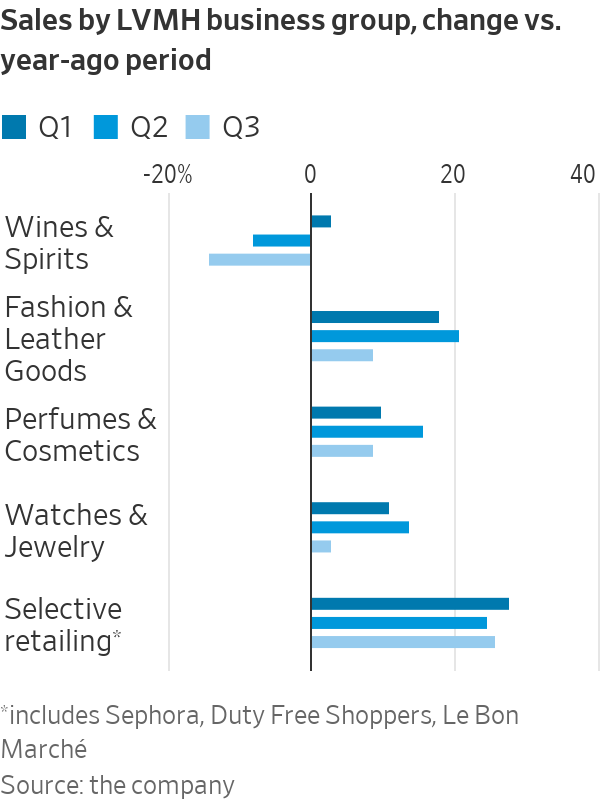
The slowdown is no longer limited to “aspirational” shoppers, as the industry lingo frames less wealthy buyers. Sales of LVMH’s expensive watch and jewellery brands were weaker than analysts expected. And wealthy European consumers who were spending freely on luxury goods early this summer turned cautious in the third quarter.
Investors knew that a slowdown was coming, but not how big it would be. After Wednesday’s share-price drop, LVMH has lost a quarter of its market value in roughly six months. The slump may be more severe at weaker rivals like Burberry or Gucci owner Kering, whose stocks also fell Wednesday. Recently, the entire luxury industry has fallen out of fashion with shareholders, who at the start of the year expected a bigger surge in Chinese demand after the country lifted all pandemic restrictions.
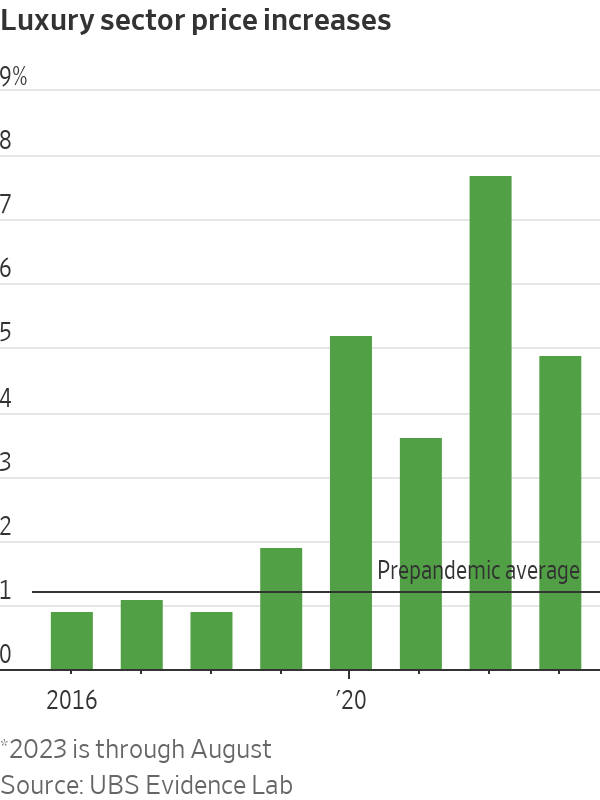
With business probably as good as it can get in China, there is no obvious place the industry can turn to for new growth. Weaker demand for luxury goods will damp brands’ ability to raise prices. Last year, exceptionally strong sales helped them lift prices by 8% on average, according to UBS estimates. This pricing power has been a big draw for investors, and boosted profit margins, but it is probably over for now. In the four years leading up to the pandemic, prices rose only 1.2% annually on average.
Luxury companies face a balancing act with their multibillion-dollar advertising budgets and store-rollout plans. They may need to save cash to protect margins. At the same time, they must continue to spend on advertising to maintain their trademark desirability.
Some perspective is necessary, though: Today, LVMH’s fashion-and-leather-goods division, its main profit driver, is 80% larger than it was in the third quarter of 2019, before the pandemic. The industry has had an amazing run and is expected to grow in 2024. Still, some of the sheen that made it particularly attractive to investors in recent years has faded.
Last month, LVMH was even dethroned as Europe’s most valuable company by Novo Nordisk, the Danish pharmaceutical company behind weight-loss drug Ozempic. Leaner times ahead.
 Copyright 2020, Dow Jones & Company, Inc. All Rights Reserved Worldwide. LEARN MORE




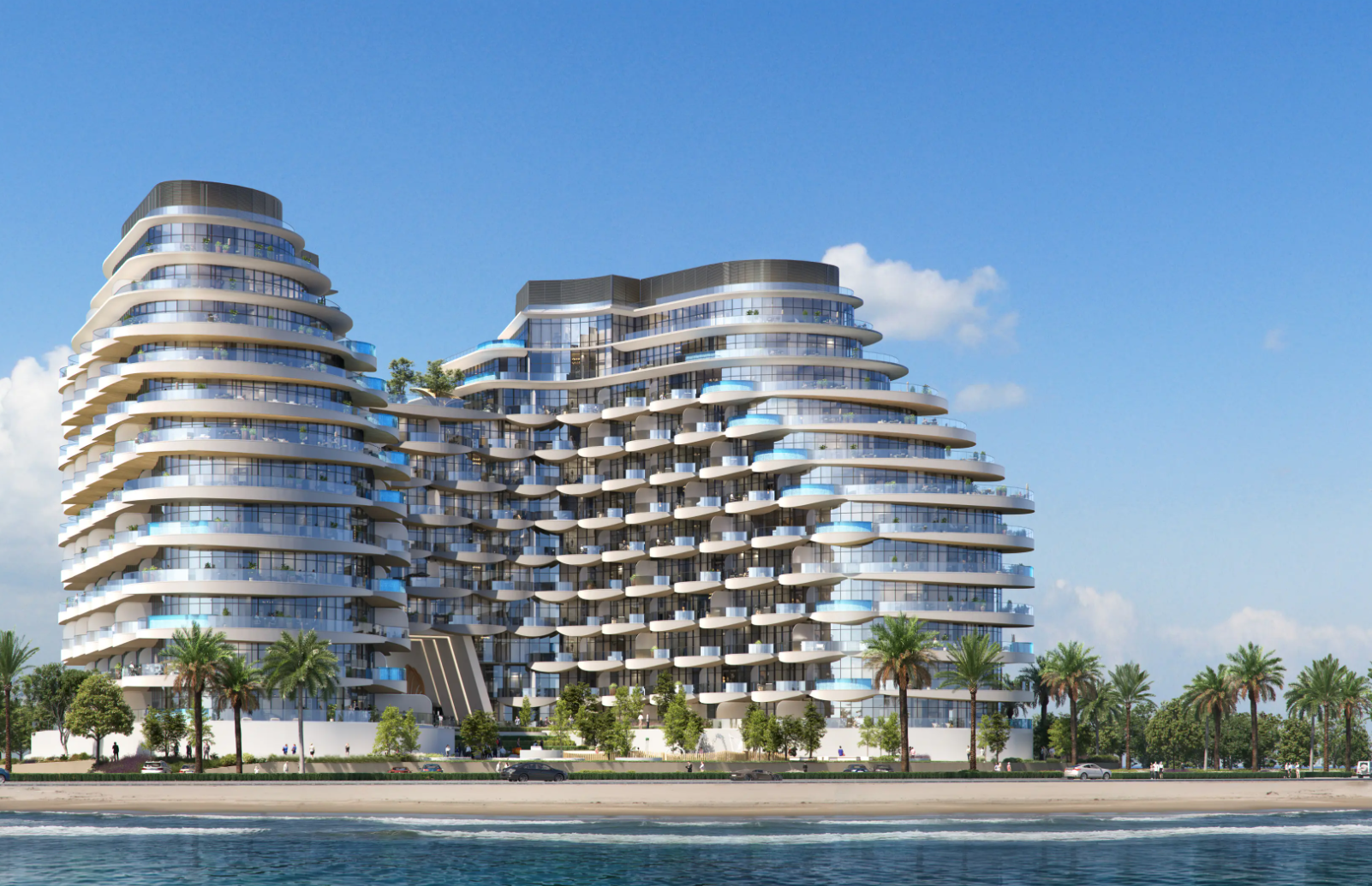
BNW Developments has established a Sydney presence, joining Arada and Sobha Realty among the growing number of UAE developers pursuing Australian buyers and development opportunities.

Australian shares fell on Thursday as Wall Street weakness, rising oil and persistent rate concerns weighed on most of the market. The S&P/ASX 200 declined 0.72 per cent to 8,702. The All Ordinaries lost 0.66 per cent to finish at 8,897. Mining stocks were hit particularly hard, while real estate also dragged on the index. …
Continue reading “ASX falls 0.7 per cent as miners and property stocks retreat”
 2 min
2 minAustralian shares fell on Thursday as Wall Street weakness, rising oil and persistent rate concerns weighed on most of the market.
The S&P/ASX 200 declined 0.72 per cent to 8,702. The All Ordinaries lost 0.66 per cent to finish at 8,897. Mining stocks were hit particularly hard, while real estate also dragged on the index.
Energy was the notable exception, gaining more than one per cent as Brent crude traded above US$103 a barrel. Oil had moved higher amid uncertainty surrounding potential US diesel-export restrictions and broader geopolitical supply risks. The move supported energy producers but renewed concern about inflation inputs across transport and the wider economy.
Gold shares were weak even as spot bullion remained historically elevated. The All Ordinaries Gold index fell about 2.25 per cent, showing that equity performance can diverge from the commodity because of valuation, currency, operating and company-specific factors.
Zip was a prominent loser, falling 11.38 per cent after the company reported short sales after the previous close. Nine Entertainment also weakened after UBS analysts warned of near-term revenue challenges associated with its advertising-supported subscription tier.
Premier Investments led larger winners despite caution about the retail environment. Breville, in which Premier owns a significant stake, also appeared among leading movers. In the broader ASX 300 screen, Myer gained 11.43 per cent and MAAS Group rose 7.93 per cent, while Lotus Resources fell 10.53 per cent. These percentage moves should be checked against company announcements and trading liquidity before attributing causes.
The Australian dollar was broadly flat at US70.38 cents. Spot gold was around US$4,280 an ounce, Brent crude approximately US$103.08 a barrel and iron ore near US$96.90 a tonne late in the session.
The rate outlook remains the central domestic catalyst. Labour-market weakness has not eliminated the possibility of an RBA increase next week, leaving banks, listed property and other rate-sensitive sectors exposed to changing expectations.
Market dashboard
S&P/ASX 200: 8,702, down 0.72 per cent.
All Ordinaries: 8,897, down 0.66 per cent.
Best sector: Energy, up more than one per cent.
Weakest areas: Real estate and materials were the major drags; confirm final sector percentages before publication.
Material winner: Premier Investments led the large-company gainers. Confirm its final closing move from the ASX before publication.
Material loser: Zip, down 11.38 per cent.
ASX 300 percentage leader: Myer, up 11.43 per cent.
ASX 300 percentage laggard: Zip, down 11.38 per cent.
AUD/USD: Approximately US$0.7038, broadly flat.

New research suggests that bonuses make employees feel more like a mere cog in a wheel.

Paine Schwartz joins BERO as a new investor as the year-old company seeks to triple sales.