HIGH-RISE APARTMENTS VS HOUSES: WHICH INVESTMENT COMES OUT ON TOP?
As Australia accelerates apartment construction, investors face a critical decision between high-rise living and land-backed homes.
 3 min
3 min
Australia’s housing shortage has long positioned real estate as a cornerstone of wealth creation. But as governments push to deliver 1.2 million new homes, many of them high-rise apartments, investors are increasingly weighing whether vertical living offers the same long-term returns as traditional houses.
While apartments offer lower entry prices and strong rental demand in key locations, critics warn that strata costs, oversupply and lack of land ownership can undermine long-term capital growth.
LOCATION AND LIFESTYLE DRIVE DEMAND
Company RE chief executive Marcus Buskey says thoughtfully designed high-rise developments in lifestyle precincts can deliver strong returns, particularly in premium coastal markets.
Demand remains robust across the Gold Coast and inner-city Brisbane, driven by downsizers, professionals and interstate buyers seeking convenience and lifestyle.
“Apartments in premium Gold Coast areas like Mermaid Beach, Broadbeach and Burleigh Heads have consistently demonstrated capital growth, driven by limited availability, desirability of location and ongoing demand from lifestyle-focused buyers,” Buskey says.
He adds that quality, exclusivity, views and proximity to amenities remain critical factors influencing performance.
MELBOURNE MARKET SHOWS MIXED SIGNALS
Melbourne project marketing specialist Jon Ellis, founder of The Move, says apartments continue to dominate transactions, accounting for 360 of his last 400 sales.
However, he warns not all developments perform equally.
“Some lower-grade apartments in Melbourne may never go back up to the sales price they were achieving a few years ago,” Ellis says.
He notes that construction costs have risen sharply, making it harder to deliver strong investment yields. Yet demand remains strong for well-executed developments.
“Investors purchasing an apartment for $600,000 need to get about $600 a week in rent. If you can get that right and prove it, demand for apartments certainly outstrips residential houses.”
THE LAND FACTOR REMAINS CRITICAL
Like all investment opportunities, others favour a freestanding home over a high-rise apartment.
“In my opinion, the only people who make money from high-rise apartments are the developers who build and sell them,” buyers’ agent Gianni Musumeci says.
For this reason, the Sydneysider steers investors away from high-rise apartments. “While they may appear to be an appealing investment on the surface with attractive guarantees, modern designs and convenient locations at somewhat lower entry points, high-rise apartments are, in my view, rarely a good investment,” Musumeci, of Leverage Property Advisers, says.
“This is especially the case when compared to standard residential homes in suburban markets, primarily due to the overwhelmingly high supply of apartments, the high level of cash flow expenses, the number of defects commonly found in high-rise buildings and the cost to remediate them, as well as the lack of land ownership, which is the primary driver of capital growth.”
“Economics 101 tells us that capital growth is achieved when diminishing supply meets increasing demand. The issue with high-rise apartments is that they’re typically built in areas with overwhelming supply, and often, that supply exceeds demand,” he says.
“These developments are usually located around major transport hubs, and as a result, if you’re looking to buy in one of these areas, you’re competing with dozens or even hundreds of similar listings.”
“Apartments are far easier to mass produce because the only restriction is how high you can build. You can’t expect strong growth in a market that’s saturated. In contrast, standalone residential homes are limited by land availability,” Musumeci says.
WEALTH CREATOR FAVOURS FREEHOLD PROPERTY
Entrepreneur and investor Scott O’Neill, who has amassed a combined net worth of $252 million with his wife Mina, says his personal experience has reinforced the benefits of freehold ownership.
He owned a high-rise apartment early in his investing journey but sold it after two years.
“The yields can vary significantly, ranging from four to seven per cent, but that’s before accounting for sinking funds and strata fees. Your net returns often drop to between one and two per cent,” O’Neill says.
He says oversupply and rising strata costs can further weaken performance.
“Most long-term property owners end up selling high-rise apartments in favour of freehold properties.”
INVESTMENT DECISION DEPENDS ON STRATEGY
Despite the risks, apartments can still deliver strong results when chosen carefully.
Experts agree that location, developer quality, supply levels and long-term demand are critical factors.
While houses continue to offer superior land value and long-term growth potential, apartments can provide attractive yields and accessibility for investors seeking exposure to high-demand urban markets.
Ultimately, the right investment depends on an investor’s strategy, time horizon and appetite for risk.

From making unpopular decisions to learning when to listen, leaders from five businesses reveal what nobody prepared them for — and how running a company has challenged their expectations.

Technology and semiconductor shares fell sharply as investors questioned the debt financing the AI infrastructure boom and confronted higher rates and Chinese competition.

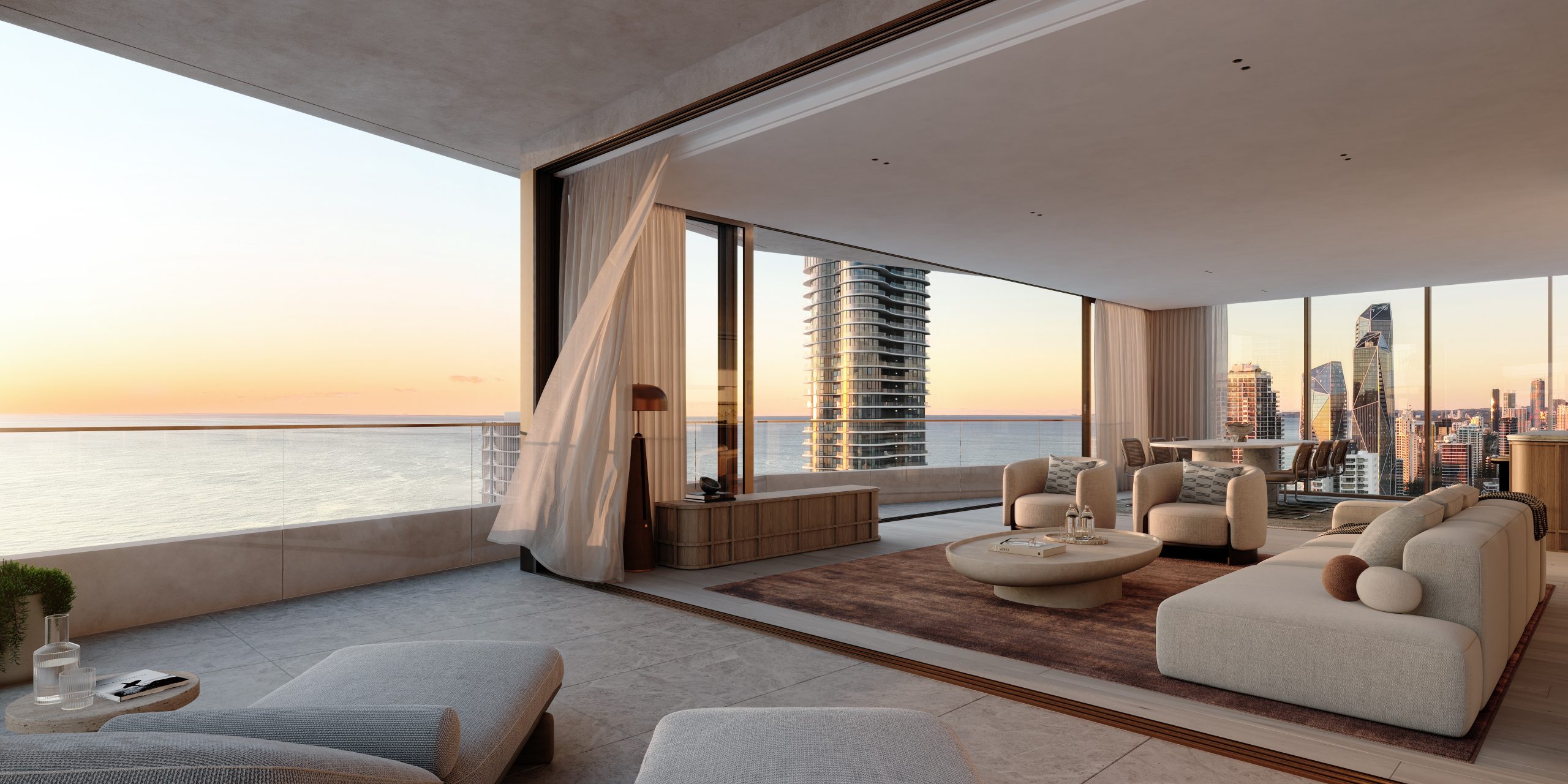
Mirvac’s 45-level Trielle has topped out at Yarra’s Edge, pairing riverfront apartments with wellness facilities, private dining and resident services.
3 min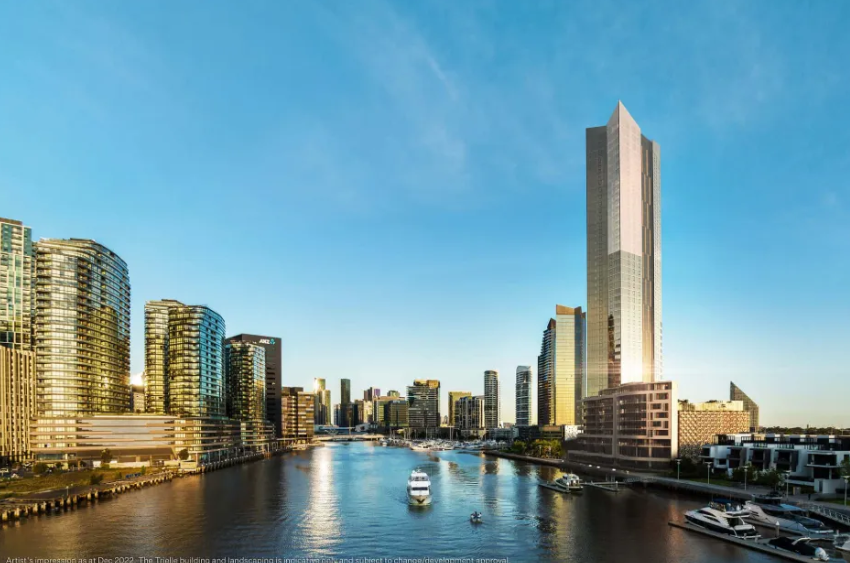
Mirvac has topped out Trielle at Melbourne’s Yarra’s Edge, with more than 70 per cent of the riverfront development sold and approximately 80 per cent of purchasers intending to make their apartment a home.
The figures, released on September 22, point to an owner-occupier audience for one of the precinct’s final residential towers. Mirvac began developing Yarra’s Edge in 2003, and its latest addition occupies one of the remaining absolute riverfront sites.
Mirvac CEO of Development Stuart Penklis said existing residents were among those moving up within the neighbourhood.
“Many purchasers already have a connection to Yarra’s Edge,” Mr Penklis said, describing buyers whose changing needs were encouraging an upgrade within the precinct.
“As one of the final residential towers within Yarra’s Edge, Trielle represents the culmination of more than two decades of creating one of Melbourne’s most established and sought-after waterfront communities,” Penklis said.
“Positioned on the Collins Street axis with absolute river frontage, Trielle offers residents a rare opportunity to enjoy sweeping views across the Yarra River, Melbourne skyline and Port Phillip Bay, while remaining seamlessly connected to the CBD. With Trielle now more than 70 per cent sold, we’re continuing to see strong demand from buyers seeking quality homes in established locations.”
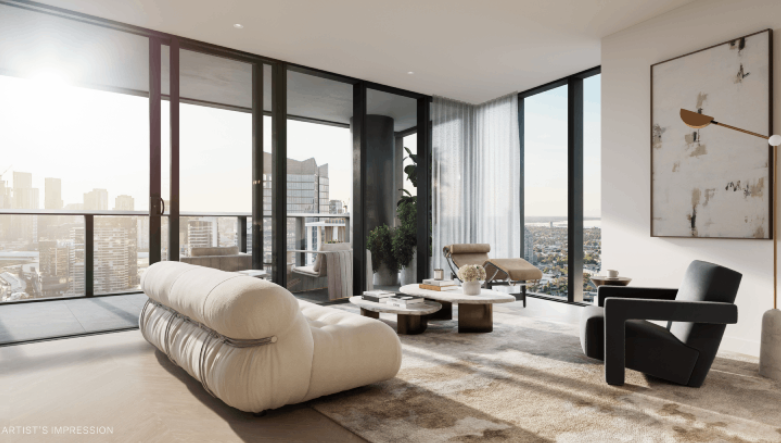
The developer also flagged a penthouse and sub-penthouse collection with larger layouts, premium finishes and broad outlooks. The planned wellness centrepiece, The Oasis, encompasses a 900-square-metre elevated urban rainforest.
Mirvac General Manager Residential Development Victoria Elysa Anderson said Trielle had resonated strongly with buyers seeking a rare lifestyle offering in Melbourne.
“Opportunities to secure a new luxury residence on a riverfront site of this calibre are incredibly rare, particularly within a community like Yarra’s Edge,” Anderson said.
“What makes Trielle unique is the combination of exceptional views, world-class residential facilities and the lifestyle that already exists around it. Residents are buying into a mature waterfront community with parks, promenades, dining, wellness and strong community connections already in place.”
The 45-level tower brings a substantial new presence to that waterfront. Its residential offering spans one-, two-, three- and four-bedroom apartments, with Signature, Prestige and Sub-Penthouse collections accommodating different household sizes. The north-facing position connects the apartments visually to the river and city beyond.
Seven storeys above the promenade, the planned Oasis combines planting and a running stream with a Scandinavian-inspired wellness club developed with spa specialist Naomi Gregory. Facilities include a 25-metre lap pool, hot magnesium pool, sauna, hydrotherapy, a gym, yoga and Pilates room, and treatment spaces.
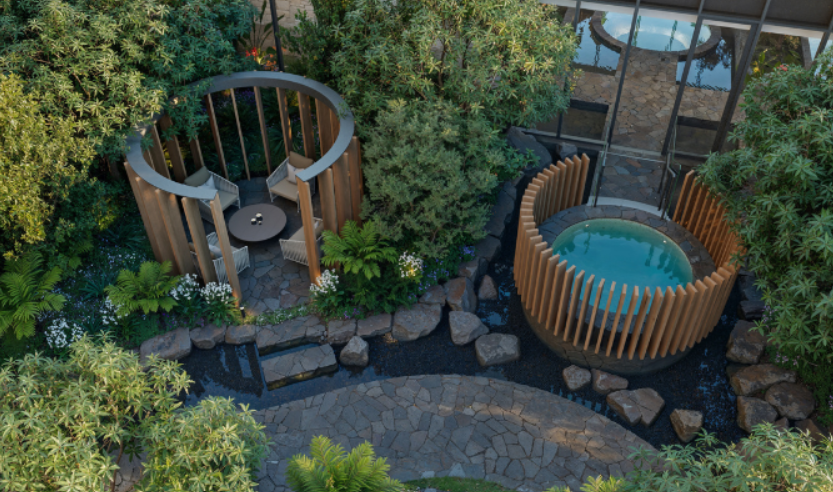
The amenity extends beyond exercise. Residents will have access to The Biblioteca library and workspaces, ground-floor work pods, and The Salone piano lounge. A private Chef’s Table dining room offers a setting for larger gatherings, while a cinema, games room and sports lounge broaden the entertaining options. Concierge services and a dog-wash area support everyday routines.
Trielle comprises a collection of one, two, three and four-bedroom residences. Reflecting strong demand from owner occupiers, approximately 80 per cent of purchasers to date intend to live in their homes, highlighting the project’s appeal to those seeking a long-term waterfront lifestyle.
Mirvac has recently delivered The Albertine, a premium apartment development on the edge of Melbourne’s CBD, and is nearing completion of Prince & Parade in Brunswick, further strengthening its portfolio of thoughtfully designed apartment communities in some of Melbourne’s most sought-after urban locations.

A&K Sanctuary unveils Kitirua Plains Lodge, a sustainability-focused luxury property shaped by landscape, local craft and contemporary safari architecture.

A thoughtful timber-led renovation in Byron Bay has reimagined an existing house as a warm, resort-style family sanctuary grounded in natural materials.