


Five Minutes With Five Executives
From early financial mistakes to hard-earned habits, five high-performing leaders share how they spend, invest and think about wealth.
 9 min

Five minutes doesn’t sound like much. But it’s enough time to tell whether someone really understands money or just talks about it. Because once the gloss is stripped away, what’s left is instinct. The early mistakes. The bad calls. The quiet pivots that no one brags about but shape everything that follows. Making money is one thing. Living with it, and not mishandling it, is another. Here, five executives talk about what they got wrong, what they’ve learned, and how they now actually spend, invest and think about wealth.
Andrew Raso: Founder, Online Marketing Gurus
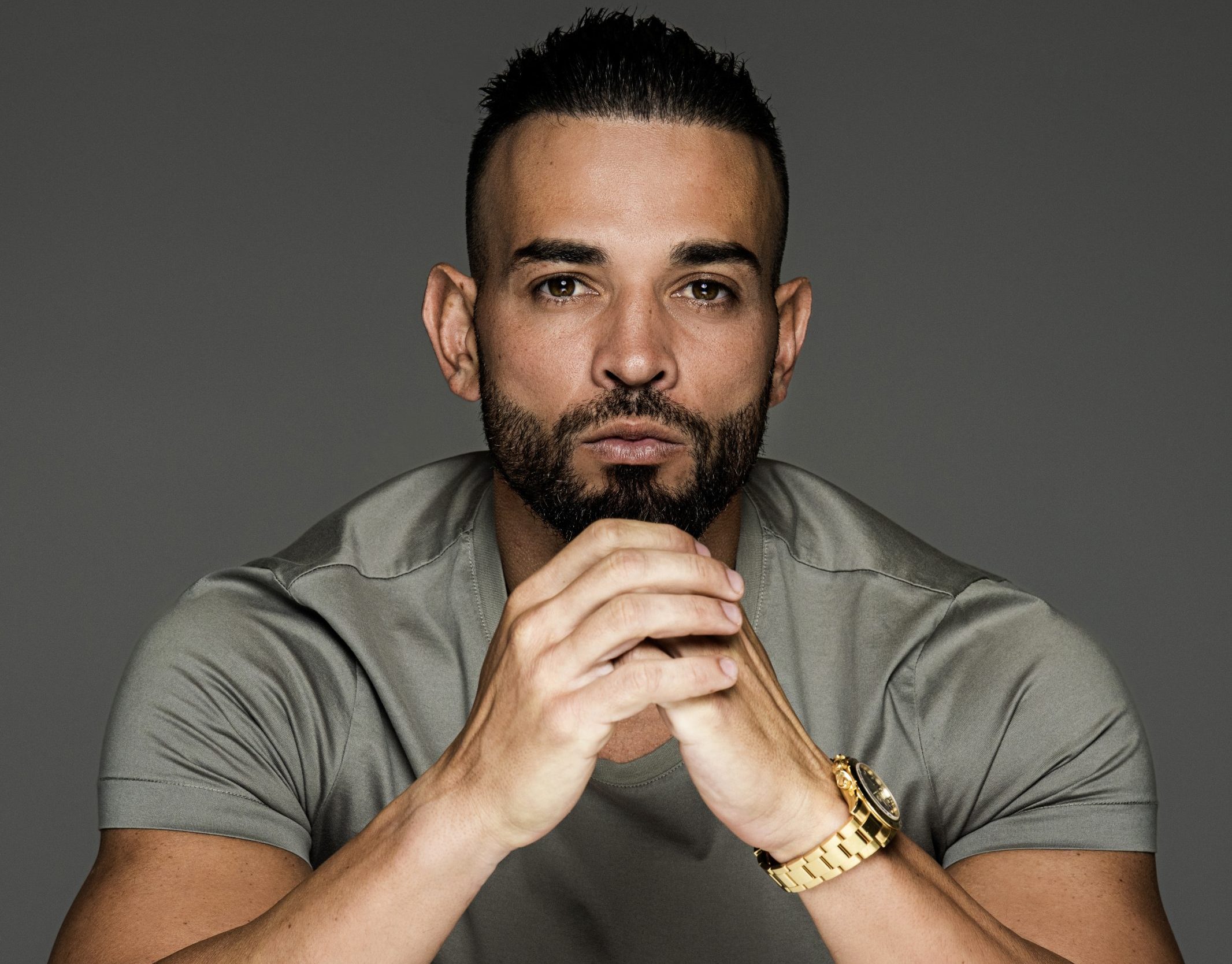
Self-made millionaire Andrew Raso grew up in an ethnic household with a father in construction. Investing was not a priority, he recalls.
The co-founder and CEO of Online Marketing Gurus, a digital marketing platform that generated more than $30 million in revenue in the 204/25 financial year, admits he’s had to learn about handling money as his wealth has grown.
“If I had my time again, I would change my spending habits and would probably be a lot more wealthy as a result,” the Sydneysider tells Kanebridge Quarterly.
Raso, in his mid-30s, says that his biggest lessons have come from his losses.
Buying the wrong property and copping the losses upon sale. Feeling FOMO when buying crypto and making a purchase that lost money.
“I’ve learned a lot from the errors that I’ve made,” he says.
Raso admits that he gets more of a thrill out of working than watching money hit his bank account.
“I’ve had the cars, I’ve had the property, I’ve had the watches. Once you’ve had them, they’re not that exciting, but the process of earning money is pretty cool.”
What he won’t forget is being $45 million in property debt a few years ago.
“I’d never want to be in that position again,” he says.
“My investing strategy is a lot safer these days. I’m very cautious. I’d prefer to invest in things that don’t take as long to be realised so my family can be financially secure.
“Once you have a house paid off and a few investments, it then becomes about enjoying your money, rather than hoarding it. Giving back gives me a much bigger kick than spending these days.”
Daniel Wessels: CEO, Jacaranda Finance
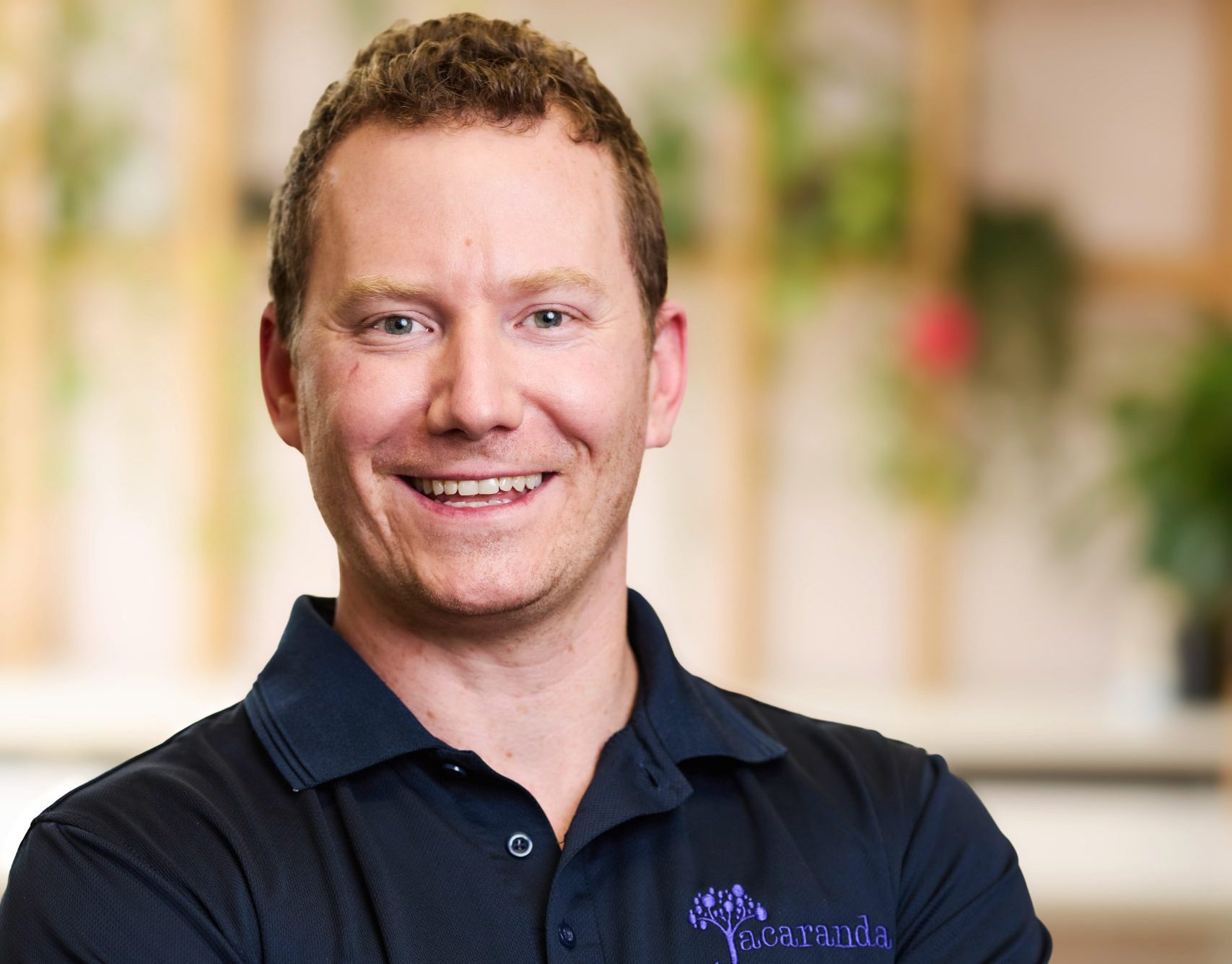
Fintech founder Daniel Wessels knows only too well that money remains a taboo topic in Australia with many people.
He points to consumer surveys that reveal people are more likely to talk about their sex life with friends than their finances.
It’s a major concern for the man who founded Jacaranda Finance in 2013, which has helped countless people lift their credit scores and get their finances back on track.
“If people aren’t learning money habits at school and they aren’t discussing it with their friends, learning new strategies and better habits is difficult,” says Wessels, who is based in Brisbane.
He wants to see more people take the time to proactively understand where and why they are spending money.
“Everyone needs to have a financial strategy and a plan to measure if it’s working,” he says.
The father of two young children admits his week can be pretty fast-paced. Pomodoro clocks, sleep optimisation techniques and saying ‘no’ keep him on task during the week.
“I used to think I was fairly decent at managing time, but the whole game changed when we had kids,” he says.
“Now, I’ve got to get out of the house at a certain time and leave the office at a certain time for daycare pickup. I’ve got to be really specific about my tasks to maximise my week.”
Before he had a family, he loved heading out to one of the trendy new restaurants popping up in Brisbane.
But that happens less these days. He’s saving to build his forever home but admits that price rises have resulted in rising costs.
“It’s such a big project with so many variables that change quickly,” he says.
These days, Wessels likes to optimise his professional and personal life. “With only a finite amount of money, time and energy, you’ve got to be really good at deciding what you want to be good at,” he says.
He calls this ruthless prioritisation. He has a very specific focus on activities that prioritise health and wealth, adding experiences into the mix more recently. This has meant the addition of micro-holidays to his annual calendar.
Wessels works with a couple of financial advisers. That said, he also does his own due diligence before agreeing to investments.
“One likes private equity investments that pay cash every month and another prefers to focus on the NASDAQ Stock Exchange for buying shares because he’s bullish about that.” he says. “They’re each experts and really good at what they do.”
Jim Penman: CEO, Jim’s Group
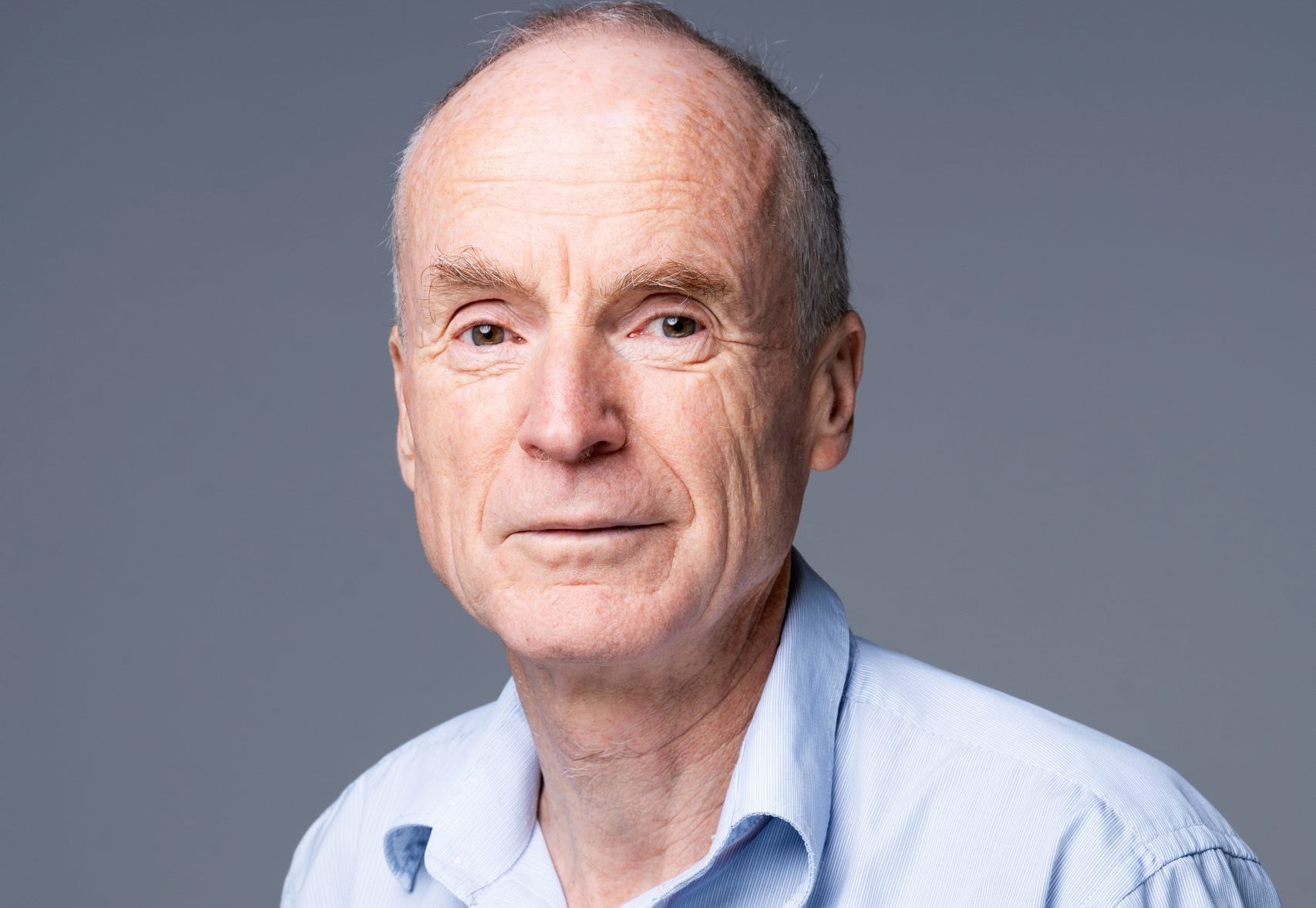
He may have invested a lifetime building a franchise juggernaut that is reportedly a $1 billion a year empire, but Jim Penman insists he’s a frugal guy who prefers to spend time planting a tree in his garden than contemplating his wealth.
What started out as Jim’s Mowing back in 1989 became Jim’s Group. Today, there are 5,700 franchisees across Australia and New Zealand in the business that has become ubiquitous for being the local handyman company that households could rely on.
He may have built a successful business empire, but the Melburnian insists he’s stingy when it comes to money.
“I wear my clothes even today until they wear out. I’ve always had a very lean and mean attitude. I live a simple life. My personal needs are very modest and my finances are simple,” he says. Jim reveals he’s usually in his garden these days and rarely eats out or takes holidays.
He is also running for state politics in the November Victorian election.
“I’m not particularly money focused. I could tweak the franchise contract to put more fees in and double my profitability, but that’s not my goal or my aim. To be honest, I often make decisions that go against my financial self-interest,” he says.
Jim purchased his first brand new car three years ago, opting for an electric Volvo.
“Being rich is not my aim and it never has been. People think I’m a lot richer than I am. They think I’m a billionaire, which is kind of ridiculous,” he says.
In fact, he insists he carries debt, which is common for anyone in business. “If I wanted, I could pay it off in 18 months.”
While his competitors were spending on fancy office space, Penman was running his franchise from his basement, keeping business costs low. “When I started out, I didn’t have any concept of how big this business could be. But there has never been a plan to grow franchisee numbers.
“Our attrition rate is far more important, and how to reduce complaint rates and drive more enquiries through new software.”
He believes people these days worry too much about impressing others, which leads to spending on superficial things.
“I would rather than offer people advice on how to be happy, rather than how to become rich. It’s important to have a good income so you can support yourself. But life is more about purpose.”
Jim doesn’t bother with stocks or bonds. He only invests in his own business. “My rate of return on my business is substantial. I could buy back a regional franchise when they come on the market and get a 20-25 per cent annual rate of return, plus capital gains. There’s nothing like that available in the investment space.”
Nicola Beswick: Founder, White Rabbit Advisory
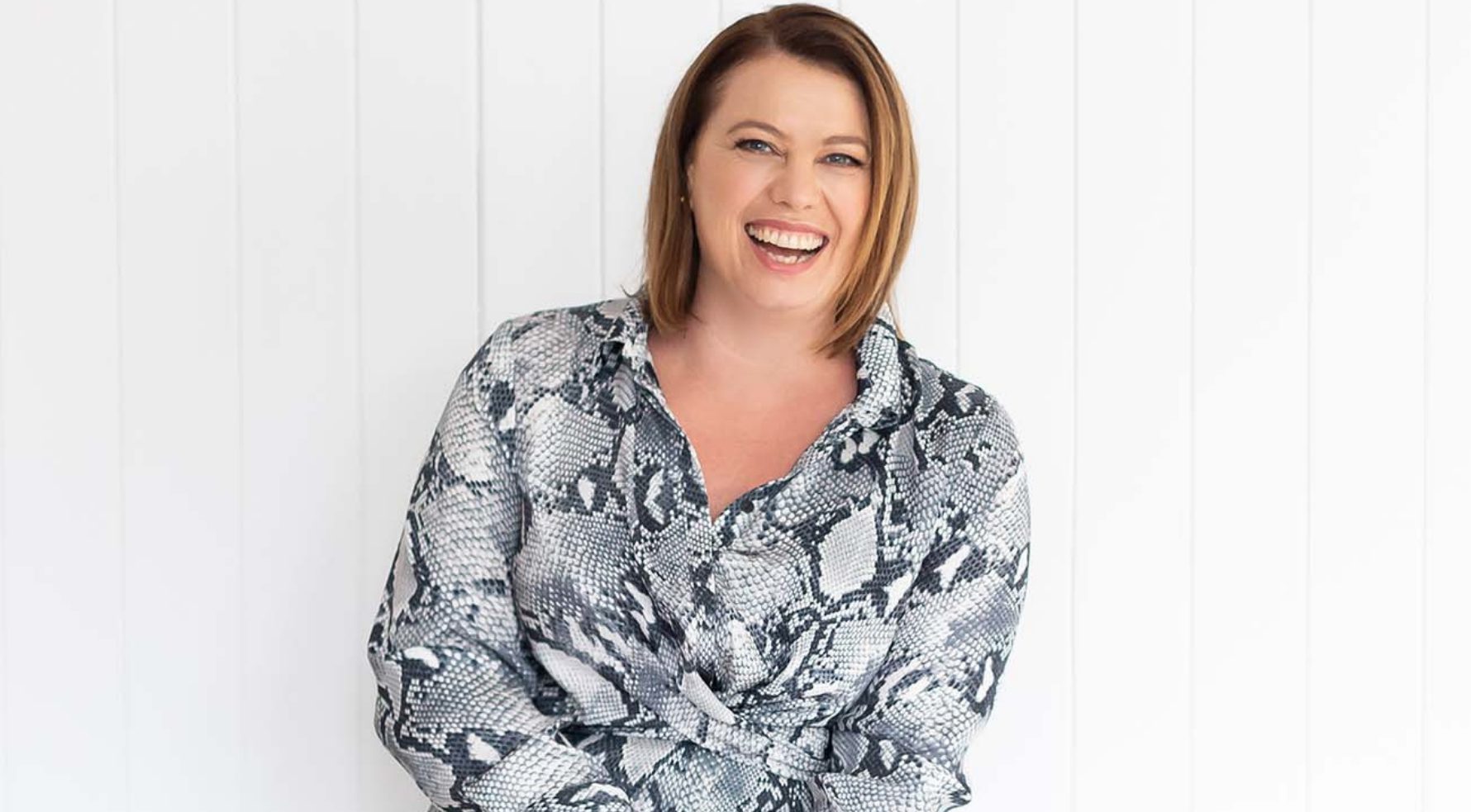
Rabbit Advisory founder.
A clothing allowance provided by her parents and then a part-time job during high school was the first taste of financial freedom for Nicola Beswick.
She quickly became a spender rather than saver, but she’s changed her tune over the years.
The founder of financial advice firm White Rabbit Advisory left behind a successful career in intellectual property law a year ago to become a financial adviser because she realised the potential that financial education could have on someone’s life.
Her journey began after coming across the book Rich Dad Poor Dad some years ago, which opened her eyes to the power that money could have on her life. This marked a time when she became serious about her finances.
“Financial education and investing over time can have a huge impact on a person, and that book got me thinking about money and financial education in the first place,” she says.
Nicola says years ago, her father was diagnosed with multiple sclerosis. When dealing with the devastating news and an uncertain future, her father discovered he was eligible to receive an income protection payout.
“This was the stone that rippled his pond and mine. A new complex world of finance opened up and I discovered my calling – helping people plan for a financially secure future.”
She hasn’t looked back. “Commercial law was very transactional. I don’t regret quitting at all. I’m much happier now helping people get their finances in order. Financial planning helps people change their lives. That was a really big driver for me.”
The Melburnian admits she’s learned plenty of lessons along the way as she embarks on the process of building wealth. She uses superannuation as an investment vehicle, favouring its tax advantages.
“I also built a nest egg outside of super, because you never know when the rules will change,” she says.
She prefers to set a financial goal and save up for something specific over time than rush out and make a purchase.
“It’s a really powerful thing to wait before making a purchase,” she says.
Her current financial goals involve renovating her heritage-listed home. “We will keep the façade and gut it to rebuild. That’s a major expense for us on the horizon.”
While holidays are rare, she will spend on overseas trips on occasion. “I’m terrible at taking time off. I’m always working.”
Sam Riley: CEO, Drova
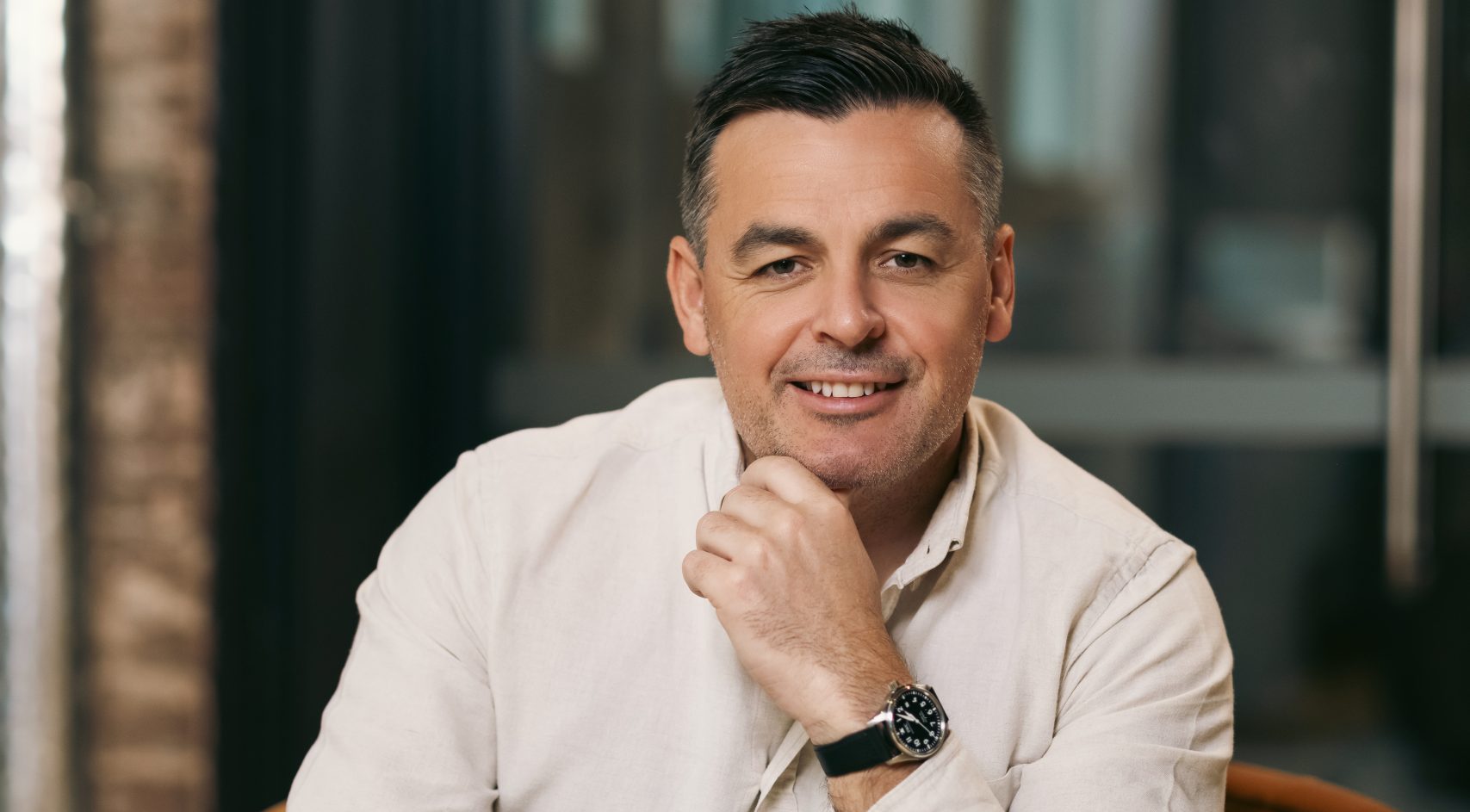
Sam Riley was in his 20s when he set out to amass enough money to be able to retire by the age of 40 if he wanted to.
“The goal was always to be doing something by 40 that kept me engaged enough that I didn’t actually want to retire because I was happy,” he says.
An entrepreneur at heart, Sam started a juice and espresso bar when he was 21, which didn’t work out. His next venture was a technology business, Ansarada, an ASX-listed company he ultimately sold nearly two years ago for $250 million.
The sale set him up for life, but he’s not one to rest on his laurels, launching into the complex world of artificial ntelligence with his next technology play, a company called Drova.
The technology startup simplifies risk, compliance and resilience for small businesses. Sam believes it’s got potential to become a tech juggernaut in time.
Having early financial success has meant he has the luxury of slow mornings and working in short bursts throughout the day, problem solving, experimenting with what works and figuring out how to harness AI.
“I favour a more sustainable approach to working these days. More frequent breaks. Making sure not to deteriorate my capacity,” he says.
It was a hard slog. He admits he touched the fringes of serious burnout when he was younger, which he works hard to avoid these days.
“Every business venture has exposed a gap in my skills that I’ve worked to close. Whether that’s marketing or managing people, closing those gaps along the way is how you get more effective at generating wealth,” he says.
The secret to his success has been finding ways to bolster value in the corporate world, finding ways to bring more to the table. Sam admits he spends too much money on travel, food and niche vinyl audio equipment, like turntables. He prefers to invest in experiences rather than things.
But it can get expensive. Like a recent trip to Antarctica to stay in a lodge for a week. “The thing is I didn’t like having these experiences on my own, so I have to bring family or other people and then pay for them.”
Sam describes his investment portfolio as balanced. While he continues to invest in entrepreneurial ventures, he admits he has a safe foundational platform to his investment approach.
“Over the years, I’ve added a lot more dividend stocks and protective assets like gold and silver, and some index funds.
“When I was younger, I didn’t appreciate the value of being safe and boring in the investment world.”
He says a lot of his investments used to be leading edge and visionary. “Some of them work, and some of them don’t. I didn’t really have much balance in my portfolio. I still invest in entrepreneurial things, but am much more conscious of taking a more even-handed approach,” he says.
This article appeared in the Winter 26 issue of Kanebridge Quarterly, which you can buy here.

A Sydney couple has paid $15.5 million for the Grand Penthouse at Marquee’s $285 million La Belle Residences beachfront development which is nearing completion at Palm Beach, eclipsing the record for an off-the-plan apartment sale on the southern Gold Coast. The sprawling single level 640 sqm beachfront residence, with sweeping views of the Gold Coast …
Continue reading “$15.5m La Belle Penthouse eclipses southern Gold Coast record”

On the owner’s deck, a 20-metre swimming pool incorporates Feadship’s patented ContraWave technology and extends indoors as a suspended, glass-bottomed infinity pool.
The ASX 200 rose 1.28 per cent in the week ending 30 October as miners rallied, consumer stocks fell and rate-rise expectations climbed
6 min
The Australian sharemarket rose during four of five sessions in the week ending 30 October, but the headline gain concealed a sharp divide between recovering miners, rate-sensitive property stocks and retailers hit by inflation and weaker trading updates.
The Australian sharemarket finished October with a positive week, although the route higher was anything but uniform.
The S&P/ASX 200 closed Friday 30 October at 8,908.1, gaining 112.9 points, or 1.28 per cent, from the previous Friday’s close of 8,795.2.
The All Ordinaries advanced 1.34 per cent to 9,025, while the more concentrated S&P/ASX 20 gained 1.11 per cent.
The benchmark rose during four of the week’s five sessions. It added 0.17 per cent on Monday and 0.46 per cent on Tuesday, before slipping 0.03 per cent on Wednesday. It recovered 0.50 per cent on Thursday and gained another 0.18 per cent on Friday.
The index briefly reached 8,933.3 but again failed to establish itself above the psychologically important 9,000-point mark.
The week’s central tension was between a resources recovery and a less forgiving domestic interest-rate outlook.
Materials gained 4.06 per cent, reclaiming part of the previous week’s heavy fall. Australian real estate investment trusts rose 3.77 per cent, financials gained 1.05 per cent and energy advanced 1.39 per cent.
At the other end of the market, consumer staples fell 5.13 per cent and consumer discretionary shares lost 2.35 per cent. Utilities declined 0.73 per cent and communication services eased 0.68 per cent.
Inflation changes the conversation
Australia’s September inflation data was the week’s pivotal domestic release.
Annual inflation of 4.3 per cent pushed market pricing towards another possible Reserve Bank increase and disrupted Wednesday’s early sharemarket rally.
By Thursday’s close, one widely followed market measure placed the probability of an increase in the cash rate to 4.85 per cent at approximately 80 per cent.
That pricing does not make an increase certain. It does, however, change the framework through which investors assess Australian businesses.
Companies dependent on discretionary household spending face renewed pressure on sales and margins. Property trusts, banks, developers and highly leveraged companies must be considered against the prospect of higher funding costs.
Banks present a more complicated equation. Higher rates can support margins, but they may also slow credit growth and increase arrears.
Miners recover
BHP gained 4.56 per cent across the week to close at $57.56, making a substantial contribution to the benchmark’s rise.
The recovery followed an 8.3 per cent fall during the previous week and helped lift the broader materials sector.
Northern Star Resources added 4.59 per cent, while Goodman Group advanced 6.85 per cent to become the strongest performer in the ASX 20.
The commodities picture was mixed. Gold fell approximately 3.12 per cent on the cited weekly measure, while Brent crude added around 0.68 per cent.
The Australian dollar was little changed at approximately US70.35 cents at the reference point.
Supermarkets and consumer shares retreat
The consumer-staples story was markedly weaker.
Coles fell 11.77 per cent after its first-quarter update, making it one of the largest significant-company declines of the week.
Woolworths lost 3.66 per cent and Wesfarmers fell 4.48 per cent to $76.69 as investors processed company trading commentary against the prospect of another squeeze on household demand.
The moves illustrate how quickly expectations can change when an apparently defensive company disappoints.
Supermarkets still benefit from the recurring need for groceries, but customers can trade down, shift between chains and reduce spending on higher-margin discretionary lines.
Wesfarmers carries exposure to several consumer categories through businesses including Bunnings, Kmart and Officeworks. A renewed rate increase would place more pressure on households already confronting higher prices.
The wider market’s biggest movements
Among companies outside the ASX 20, Mesoblast surged 27.32 per cent, SiteMinder gained 22.74 per cent and Zip rose 22.60 per cent.
The sharpest weekly falls included 4DMedical, down 33.51 per cent; Tuas, down 29.95 per cent; Catalyst Metals, down 17.47 per cent; and Champion Iron, down 13.35 per cent.
Those percentages require context.
The movements in BHP, Commonwealth Bank and other very large companies had substantially more influence on the index than similarly dramatic changes among smaller companies.
A 20 per cent move in a relatively small stock may attract more attention than a two per cent rise in a major bank, but the bank can have the greater effect on the market.
How the ASX 20 moved
The following list uses the S&P/ASX 20 constituents and five-session movements reported at the 30 October close.
Where the component feed did not publish a valid five-day comparison, no figure has been estimated.
BHP Group: Up 4.56 per cent
Commonwealth Bank: Up 1.66 per cent
Rio Tinto: Down 2.20 per cent
National Australia Bank: Up 0.48 per cent
Westpac: Up 0.08 per cent
ANZ Group: Up 1.92 per cent
CSL: Up 2.05 per cent
Macquarie Group: Up 2.19 per cent
Wesfarmers: Down 4.48 per cent
Woodside Energy: Up 1.43 per cent
Goodman Group: Up 6.85 per cent
Telstra: Five-day comparison unavailable from the cited component feed
Woolworths: Down 3.66 per cent
Fortescue: Five-day comparison unavailable from the cited component feed
Transurban: Down 2.40 per cent
QBE Insurance: Down 1.21 per cent
Aristocrat Leisure: Up 0.63 per cent
Northern Star Resources: Up 4.59 per cent
Sigma Healthcare: Down 0.36 per cent
Brambles: Down 1.20 per cent
The companies dominating the conversation
Coles was the week’s standout media-facing company for the wrong reason.
Its trading update produced an outsized repricing and drew attention across the grocery and retail sectors. Woolworths and Wesfarmers were also scrutinised as investors considered how stubborn inflation and another possible rate rise could affect sales volumes.
Bank of Queensland offered a more positive corporate signal.
The bank reported that its FY26 net interest margin had risen six basis points to 1.70 per cent, ahead of the 1.68 per cent expected by the market according to contemporaneous reporting.
Bank of Queensland shares rose 5.8 per cent on Thursday, while the major banks also rallied.
Endeavour Group finished Friday at $3.39, up 4.31 per cent on the day, and released the results of its annual general meeting.
The movement was notable during a week in which investors were highly sensitive to consumer-facing companies. The AGM result should not, however, be presented as the sole cause of the share-price increase without further supporting company guidance.
Mesoblast’s 23.4 per cent Thursday rise and 27.32 per cent weekly gain returned the biotechnology company to the centre of market attention.
For editors, it is important to separate the size of that percentage movement from its influence on the index. Mesoblast was an eye-catching performer, but it did not drive the ASX 200 in the way BHP or Commonwealth Bank did.
Qantas remained part of the broader market conversation as investors watched travel demand and company updates.
However, the primary-source review did not locate a fresh Qantas announcement that justified attributing a major weekly market movement to new company information. The airline should therefore remain on the monitoring list rather than being forced into the week’s causal narrative.
Is Australia’s IPO market reopening?
The official ASX new-listings pipeline remains active but selective.
ASX’s upcoming-floats page included formal applications with offer timetables extending through October and at least one anticipated listing on 30 November.
The exchange notes that its page covers companies for which a formal listing application has been received. It does not represent every company privately exploring a float.
The wider debate concerns whether Australia’s public market is sufficiently competitive when high-growth businesses can pursue capital in the United States or remain privately funded for longer.
ASX has previously raised possible reforms designed to improve the attractiveness of the local market. These include debate about reducing minimum free-float requirements and streamlining aspects of the admissions process.
An enhanced fast-track pathway for qualifying applicants can shorten the review process, reducing the execution risk created when market conditions change during a long IPO timetable.
That does not remove the more fundamental challenge.
New floats still require credible earnings or a convincing growth pathway, sensible pricing and enough genuine free float to support trading after listing.
Investors can already obtain diversified exposure through low-cost exchange-traded funds or buy established, liquid businesses. A float must therefore offer more than novelty.
The current pipeline suggests that the IPO window is open, but it is not indiscriminate.
What investors will watch next
The Reserve Bank’s next decision now sits at the centre of the domestic outlook.
Any change in cash-rate expectations will flow rapidly through banks, retailers, property trusts, listed developers and companies carrying substantial debt.
Investors will also watch whether the materials recovery can continue, whether BHP can hold its rebound and whether consumer companies provide further evidence of slowing demand.
Overseas, technology-sector volatility, commodity prices and the United States interest-rate outlook will continue to shape Australian trading.
The week’s 1.28 per cent headline gain was encouraging, but it was not a broad declaration of confidence.
It was a rotation towards miners, selected financials and property securities—and away from consumer businesses facing a more difficult inflation and interest-rate equation.
Market dashboard
S&P/ASX 200: 8,908.1, up 1.28 per cent for the week
All Ordinaries: 9,025, up 1.34 per cent
S&P/ASX 20: 5,214.7, up 1.11 per cent over five sessions
Best sector: Materials, up 4.06 per cent
Next-best sector: A-REITs, up 3.77 per cent
Weakest sector: Consumer staples, down 5.13 per cent
Major large-cap winner: Goodman Group, up 6.85 per cent
Major large-cap loser: Coles, down 11.77 per cent
AUD/USD: Approximately US70.35 cents at the weekly reference point
Gold: Approximately US$3,885 an ounce, down 3.12 per cent on the cited weekly measure
Brent crude: Approximately US$117.70 a barrel, up 0.68 per cent on the cited weekly measure

Technology and semiconductor shares fell sharply as investors questioned the debt financing the AI infrastructure boom and confronted higher rates and Chinese competition.

From the Caribbean to Australia’s east coast, Oyster’s latest world rally promises a bluewater voyage designed for owners seeking ultimate sailing experiences.