





The 20-Something Employees Who Want Feedback to Be Gentle
Employers are rethinking performance reviews as Gen Z workers seek more frequent, clear and actionable feedback.

 4 min
4 min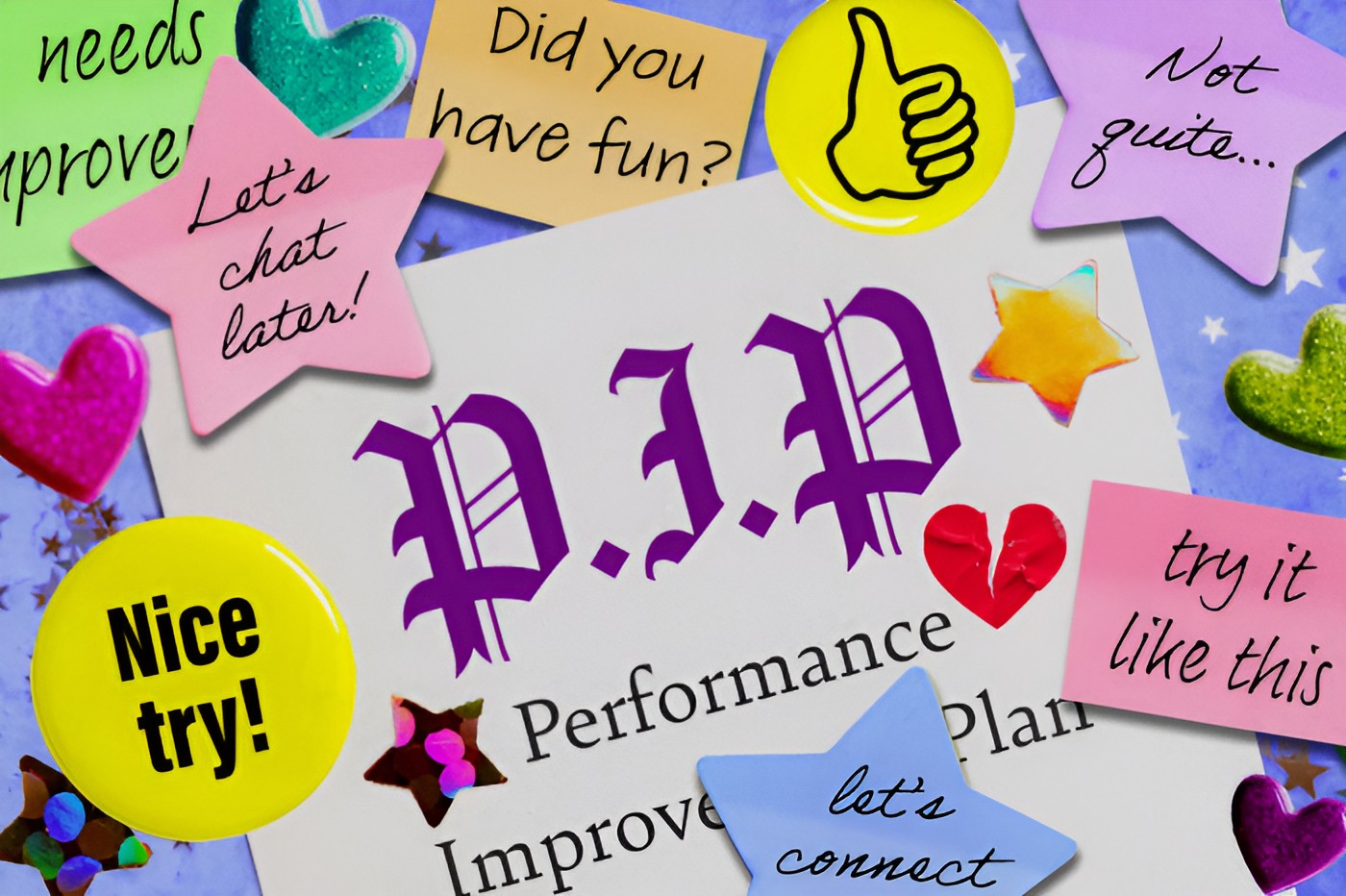
Bosses are getting no shortage of feedback on how to give their youngest staffers…well, feedback: Do ask how they are doing first. Don’t criticize a personality trait. Do give them concrete direction, and a lot of it.
And whatever you do, call a performance discussion a check-in, not a review.
The oldest members of Gen Z are about to turn 30, yet companies are devoting more time and resources than ever to figuring out how to give this manager-befuddling generation better direction. For help, they are turning to a cottage industry of multigeneration-workplace consultants and even artificial-intelligence bots, while ripping up the script for what used to be once-a-year evaluations.
All of it is a departure for leaders who rose through the ranks in an era devoid of so much thought to effective coaching and criticism. “When I started my first job, I got a performance review a year later, and that was just expected,” said Adam Coyne, chief administrative officer at research and analytics firm Mathematica, which has shifted from annual reviews to quarterly, two-way check-ins for new junior hires.
“This is a group that wants a lot more real-time feedback,” added Coyne, 55.
It is a message managers say they are getting nonstop from surveys and all-hands meetings, not to mention the universities and colleges preparing graduates for the white-collar world of work: Used to the immediate validation of social-media likes and comments, even instantly posted grades, this generation of workers craves clear, frequent direction—and they feel disoriented and anxious when they don’t get it.
Gallup data suggest companies are still struggling to get the hang of it. Younger workers report some of the biggest drops in engagement at work over the past five years. Not knowing where they stand appears to be a big factor. The share of Gen Z and younger millennials who strongly agreed with the statement, “I know what is expected of me at work,” fell 9 points to 42% in surveys between 2020 and 2025.
That doesn’t mean they need the effusive praise that many managers claim they do, some 20-something workers say. “I personally dislike this style,” said Nathan Luckock, a 20-year-old engineer at an AI startup. More effective, he said, is just “pointing out mistakes and then offering a solution.”
That sounds familiar to Lindsey Pollak, a multigenerational workforce expert and executive coach, who says she coaches bosses to be as specific as possible. Instead of “be more responsive,” for instance, she suggests “need to hear from you within an hour of receiving an instruction.”
At Mathematica, Chief Executive Paul Decker said the firm switched to more frequent check-ins in part because so many new entry-level hires were peppering supervisors with questions like: “How am I doing?” and “What does the next level require?” At staff meetings, younger workers often questioned why things were done the way they had always been done.
That included things like “waiting months to learn whether you’re meeting expectations,” he said.
KPMG executives said they, too, began giving their younger workers more frequent assessments on skills like critical thinking and adaptability last year after interns said they wanted to hear more often how their skills were coming along. The firm wanted to “make sure that we scratch the itch,” said Jason LaRue, vice chair of talent and culture at KPMG’s U.S. practice.
Some managers are getting feedback on giving feedback from bots.
Joe Hirsch, a corporate speaker and author of “The Feedback Fix,” recently used an AI coaching platform to work with a tech-company manager on her delivery. She had been frustrated that one of her junior reports wasn’t grasping her pointers on pitching clients, so she role-played the conversation with the AI coach.
The problem, the bot advised, was that she wasn’t giving the employee enough context for why she wanted things done a certain way. “Let’s connect so I can share more about our approach and get your take on it,” it suggested she say.
That did the trick when she tried the approach in real life. “The advice finally landed,” Hirsch said.
Even a few, clear bullet points work, said Valerie Chapman, the 27-year-old founder and CEO of Ruth AI, a career strategist platform for women. “My generation likes to get feedback so that they know how they should adjust.”
She recalls getting bullet-pointed direction when she worked as a strategic growth partner at real-estate company Compass a few years ago. The feedback started with praise before offering pointers.
“It would be, ‘Great job. Here are some things that you could do next week,’” she said. “If that comes in on a Friday, then my Gen Z brain knows exactly what I need to do on a Monday.”
Mike Ekbundit, director of GE Appliances’ engineering programs, said he has tried to make performance discussions with younger workers in rotational programs two-way dialogues rather than top-down critiques. So he revised online evaluations to include prompts for managers to ask questions like “Did you like the assignment leader?” and “Was it too much work?”
Managers are also asked to assess the program participants on nine different categories, like innovation and resilience, while employees are prompted to list their top strengths and weaknesses.
“I need high customer satisfaction to retain this highly sought-after talent, and this is part of how I get it,” he said.
 Copyright 2020, Dow Jones & Company, Inc. All Rights Reserved Worldwide. LEARN MORE





Technology and semiconductor shares fell sharply as investors questioned the debt financing the AI infrastructure boom and confronted higher rates and Chinese competition.

Waldorf Astoria Kuala Lumpur is scheduled to open on 30 October, introducing the Hilton luxury brand to Malaysia with an all-suite hotel in the city’s Golden Triangle.
3 min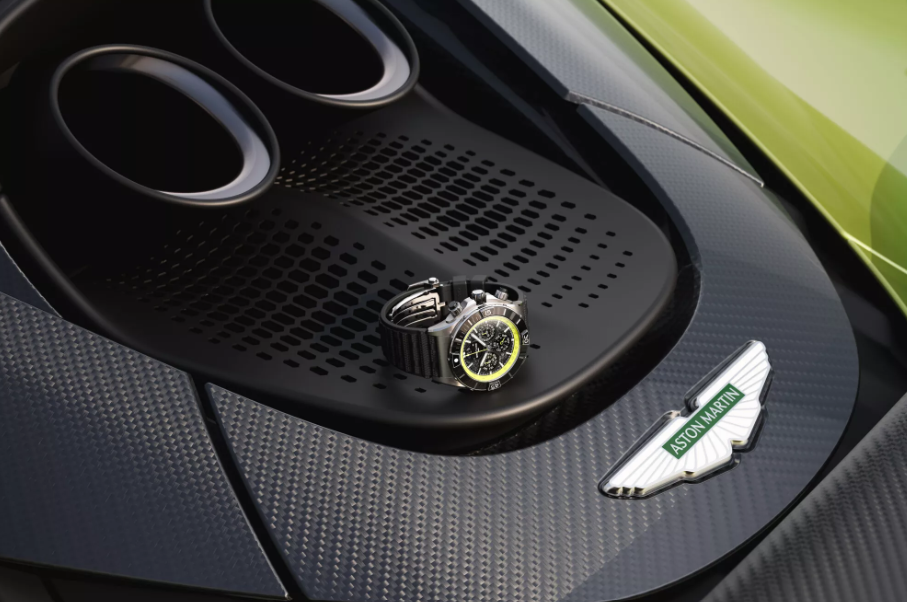
Buyers of Aston Martin’s 1,079PS Valhalla can commission one of two bespoke Breitling Super Chronomat watches, with colours and personalised details inspired by their individual car.
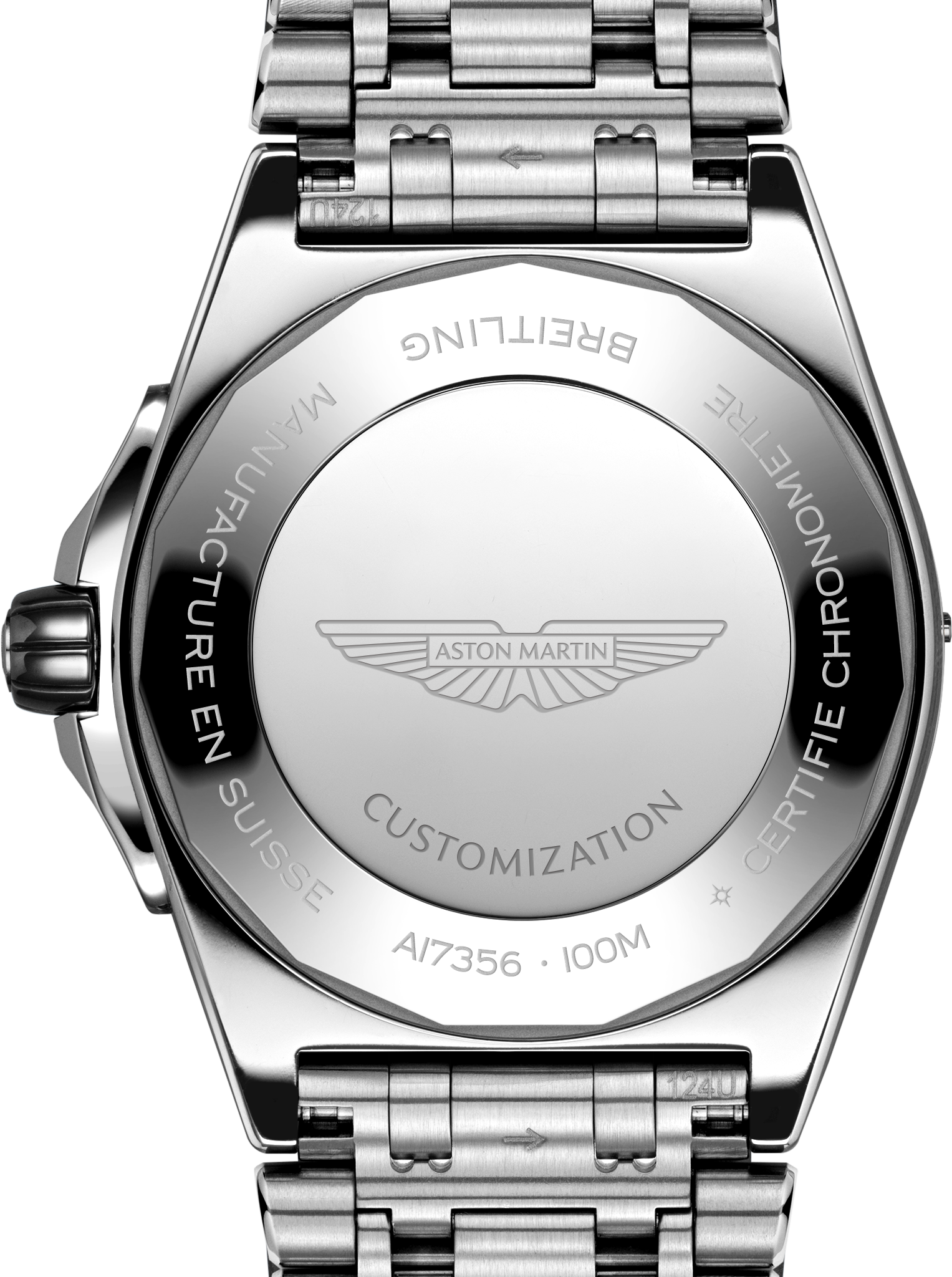
The relationship between cars and watches has produced countless branded chronographs, racing editions and logo-bearing collaborations. Breitling and Aston Martin are taking a more personal route with a new watch program reserved exclusively for owners of the Valhalla supercar.
Rather than offering every customer the same limited-edition watch, Breitling is opening part of its Super Chronomat design process to Valhalla owners. A dedicated configurator will allow each buyer to commission a timepiece inspired by the specification of their car and their individual tastes.
Two Super Chronomat models are available: a technically ambitious 44mm perpetual-calendar chronograph and a more compact 38mm automatic watch.
The flagship is the Super Chronomat B19 44 Perpetual Calendar Chronograph. Presented in a 44mm titanium case with Breitling’s distinctive Rouleaux bracelet, it combines a carbon-fibre dial with one of mechanical watchmaking’s most sophisticated complications.
Its automatic perpetual calendar accounts for months of different lengths, leap years and the phases of the moon. Provided it continues running, the calendar will not require manual correction until 2100—the next centurial year that will not be recognised as a leap year.
The B19 movement also provides a 96-hour power reserve, allowing the watch to be left unworn for four days without stopping. A display caseback exposes the movement and black rotor.
Valhalla owners can customise the colour of the inner bezel, seconds hand and chronograph counter hands. The rotor can also be engraved, creating a more permanent connection between the watch and its owner.
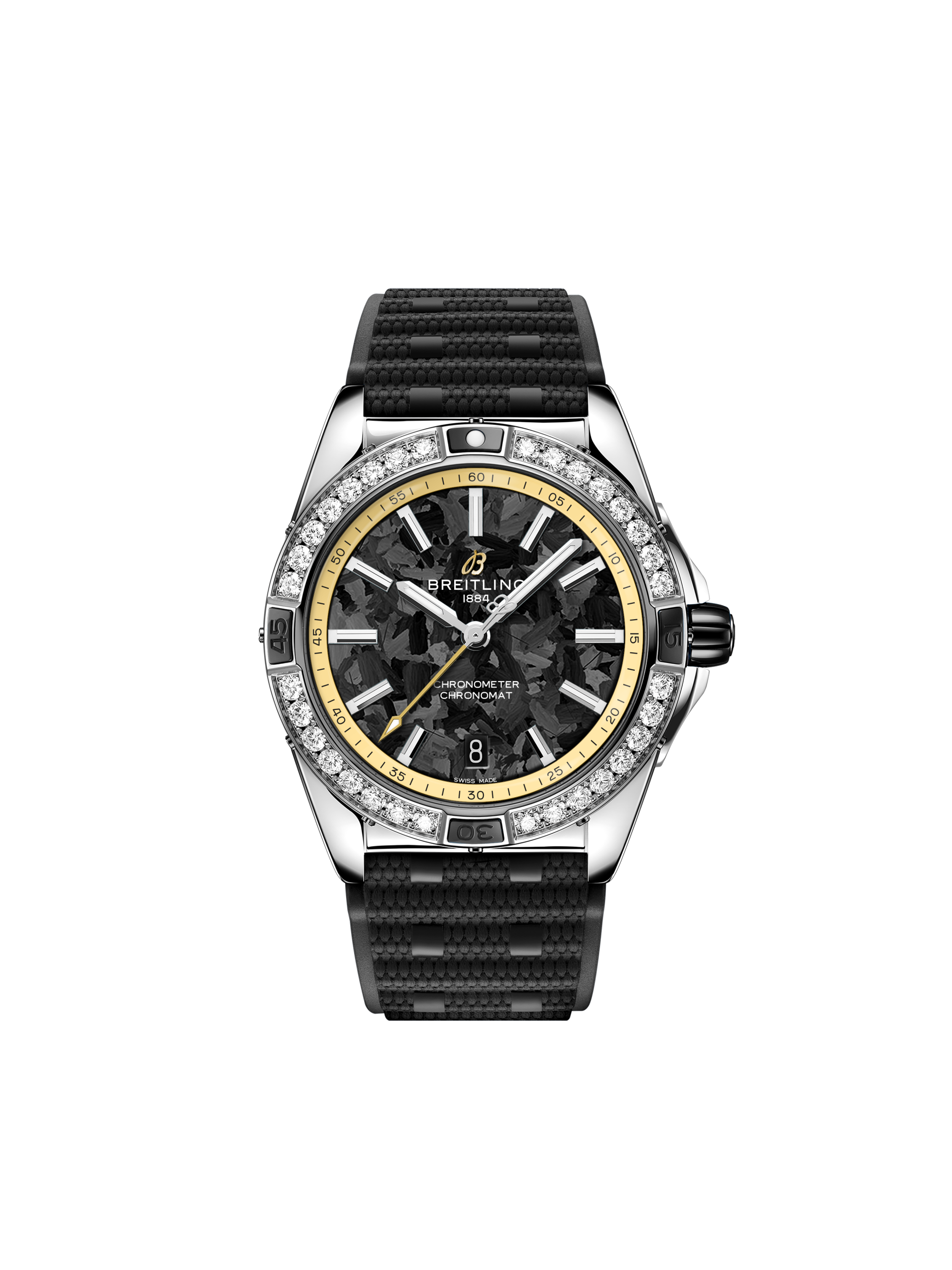
The second option, the Super Chronomat Automatic 38, offers a less complicated and more restrained interpretation.
Its 38mm stainless-steel case is paired with a textured carbon-fibre dial, a titanium crown and a diamond-set bezel. The automatic three-hand display incorporates a date window at six o’clock, while customisation extends to the colours used for the inner bezel and hands, together with a personalised caseback engraving.
The combination of carbon fibre and diamonds might appear contradictory, but it captures the dual character of the Valhalla: a car built around highly technical performance that remains unmistakably positioned as a luxury object.
The watch program draws directly from Aston Martin’s first series-production, mid-engined plug-in hybrid supercar.
Valhalla combines a 4.0-litre twin-turbocharged V8 with three electric motors to produce 1,079PS. Aston Martin claims it can accelerate from zero to 62mph—approximately 100km/h—in 2.5 seconds and reach 217mph, or about 349km/h.

Production is limited to 999 examples worldwide.
Formula One-derived technology and aerodynamic development have played central roles in the car’s engineering, but customisation is equally important to its ownership proposition. Breitling’s configurator extends that process from the Aston Martin specification studio to the wrist.
Each car will be produced at Aston Martin’s headquarters in Gaydon, England, while the watches will be made at Breitling’s Chronometrie in La Chaux-de-Fonds, Switzerland.
The program also reflects a broader change in the luxury market. Exclusivity is increasingly being defined by access rather than the simple production of another numbered edition. These watches cannot be purchased merely by joining a waiting list or paying a premium on the secondary market; the commission begins with ownership of the corresponding car.
That restriction gives the project greater authenticity than a conventional co-branded release. The strongest configurations should be those that use colour and engraving to create a subtle relationship with a particular Valhalla, rather than attempting to reproduce the car too literally.
For Valhalla buyers, the choice ultimately comes down to two very different expressions of the same idea. The 44mm B19 is the serious collector’s proposition, built around a rare combination of perpetual calendar and chronograph. The Automatic 38 is simpler, smaller and likely more versatile as an everyday watch.
Both turn the usual automotive-watch collaboration into something more individual: a timepiece configured alongside one of Aston Martin’s most significant new cars.
Watch summary
Program: Bespoke Breitling Super Chronomat watches for Aston Martin Valhalla owners
Available models: Super Chronomat B19 44 Perpetual Calendar Chronograph and Super Chronomat Automatic 38
B19 case: 44mm titanium
B19 power reserve: Approximately 96 hours
B19 complication: Automatic perpetual calendar chronograph
Automatic 38 case: 38mm stainless steel
Shared design element: Textured carbon-fibre dial
Customisation: Selected colours and personalised engraving
Availability: Exclusively for Aston Martin Valhalla owners
Valhalla production: Limited to 999 cars worldwide
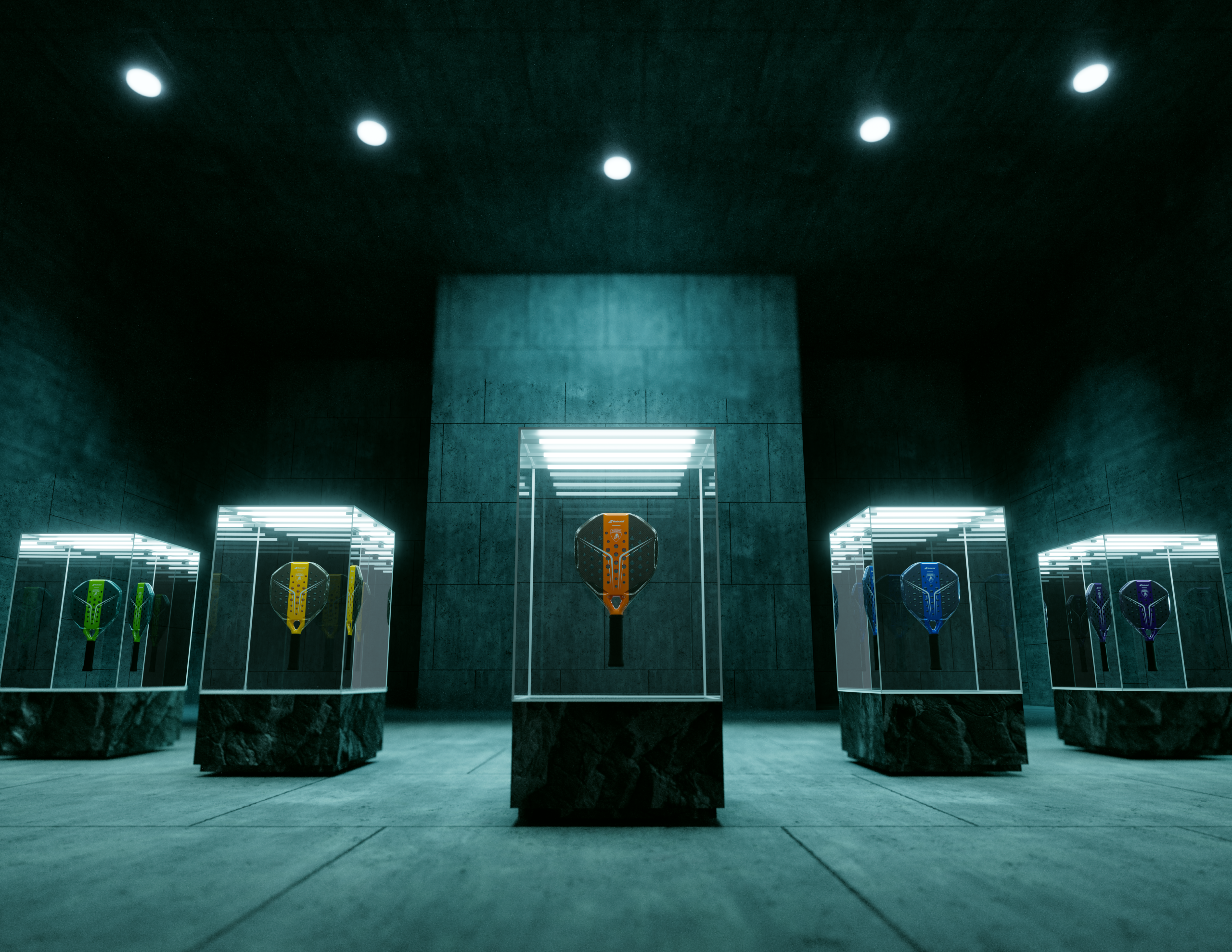
Automobili Lamborghini and Babolat have expanded their collaboration with five new colourways for the ultra-exclusive BL.001 racket, limited to just 50 pieces worldwide.

A restored 1860s Brisbane residence transformed by GRAYA has smashed Paddington’s house price record, selling for more than $12 million.


