

A February rate cut? What the banks are actually saying
Unemployment hit 4.9% in October, but with inflation at 4.3% the big four aren’t tipping a February RBA cut. Here’s what CBA, Westpac and NAB say.
 3 min
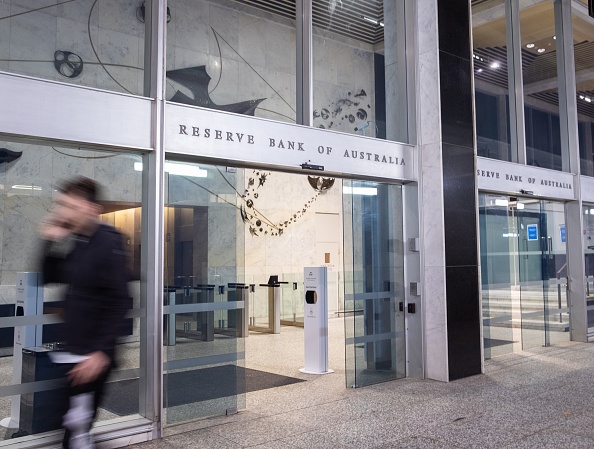
Unemployment is at a five-year high and the talk has turned from hikes to cuts. But with inflation still well above target, the big banks aren’t ready to promise relief by February.
Three weeks ago the Reserve Bank lifted the cash rate for the fifth time this year. The conversation has now flipped.
Last Thursday the Australian Bureau of Statistics reported that the seasonally adjusted unemployment rate rose to 4.9 per cent in October, up from 4.7 per cent. That is the highest reading since October 2021. Economists had expected about 25,000 new jobs and an unchanged jobless rate.
“In October, there were 44,000 less employed people and 18,000 more unemployed people,” said Sean Crick, the ABS head of labour statistics. Youth unemployment rose to 11.3 per cent. October was also the second straight monthly fall in employment, following a drop of more than 36,000 in September.
Ahead of the RBA’s forecasts
The timing is awkward for the RBA. On 3 November its Monetary Policy Board raised the cash rate by 25 basis points to 4.85 per cent, the highest level since 2008. The vote was 6–3, with three members preferring to hold at 4.60 per cent.
The November Statement on Monetary Policy had forecast unemployment averaging 4.7 per cent in the December quarter, and reaching 4.9 per cent only at the end of 2027. October’s figure got there more than a year early.
Unemployment is also now above the RBA’s own estimate of full employment. Westpac economist Ryan Wells said in the bank’s labour force note that “slower hiring is now being compounded by more firing.” Westpac now expects unemployment to peak at 5.2 per cent by mid-2027, up from its earlier forecast of 4.8 per cent.
Markets moved quickly. Before the data, interest rate swaps had priced a 28 per cent chance of a rate rise by February. Afterwards they implied a roughly 20 per cent chance of a cut by March, with one cut fully priced by November 2027.
The inflation problem
So why isn’t anyone calling a February cut? Inflation hasn’t eased.
Headline CPI rose 4.3 per cent in the year to September, up from 4.0 per cent in August. Housing was the biggest contributor, up 5.2 per cent. Trimmed mean inflation, the RBA’s preferred underlying measure, was 3.6 per cent.
The RBA expects headline inflation to peak at 4.5 per cent this quarter. It sees both headline and underlying inflation staying above 3 per cent until the end of 2027, and not returning to the 2.5 per cent midpoint until mid-2028. The Board also flagged “the increasing risk that higher inflation expectations will become embedded.”
Wages add to the caution. The Wage Price Index rose 1.1 per cent in the September quarter, the strongest quarterly gain since late 2023, taking annual growth to 3.5 per cent. That is still below inflation, so real wages are falling, but the quarterly pace is not what a central bank trying to cool prices wants to see.
Where the banks stand
None of the big four is forecasting a cut at the February meeting. What has changed is the consensus that hikes are over.
- NAB: “We think the RBA are done,” chief economist Sally Auld said on 9 November. She pointed to weaker growth in the first half of 2026, business conditions below their long-run average and fading momentum in household spending. After the jobs data, NAB senior economist Taylor Nugent said unemployment was already well above where the RBA expected it to be this year, which supports the view that the tightening cycle is finished.
- CommBank: in its 2 November forecast update, CBA warned of a “sharper, longer slowdown”. It now expects GDP growth to fall to 1 per cent by mid-2027 and unemployment to peak at 5.1 per cent at the end of 2027. It still has two cuts pencilled in for August and November 2027, though it says the timing is uncertain.
- Westpac: sees November’s increase as the peak of the cycle and expects the Board to pause in December. It said a February move could not be ruled out but looked increasingly unlikely. That comment referred to a further hike, not a cut.
What it means for property
For borrowers, the change is that a sixth hike now looks unlikely. Relief, though, still looks like a story for the second half of 2027.
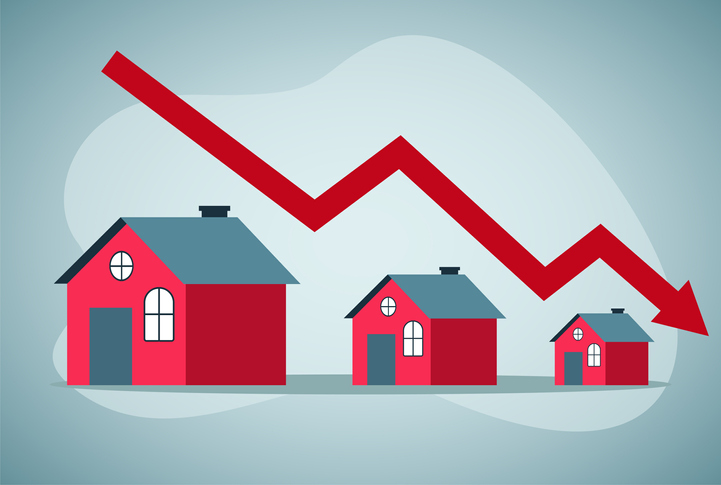
The housing market is already feeling the strain. NAB’s November Housing Monitor shows combined capital city dwelling prices fell 1.4 per cent in October, the seventh straight monthly fall. Prices are now 8.1 per cent below their March 2026 peak. Westpac cited a deeper-than-expected housing downturn as one reason it lifted its unemployment forecast.
What to watch
October CPI is released on Wednesday 25 November, and November jobs figures follow on 17 December. Both land before or around the RBA’s final meeting of the year next month. The December-quarter inflation figures in late January will then set up the February decision.
If unemployment keeps rising and underlying inflation falls faster than the RBA expects, February could become a real possibility. For now, the banks expect the RBA to hold rates where they are.
Unemployment hit 4.9% in October, but with inflation at 4.3% the big four aren’t tipping a February RBA cut. Here’s what CBA, Westpac and NAB say.

Dutch studio Vripack took cues from a Shirley Temple song for Lollipop, a 37.4-metre Moonen superyacht built for long-range cruising.
 2 min
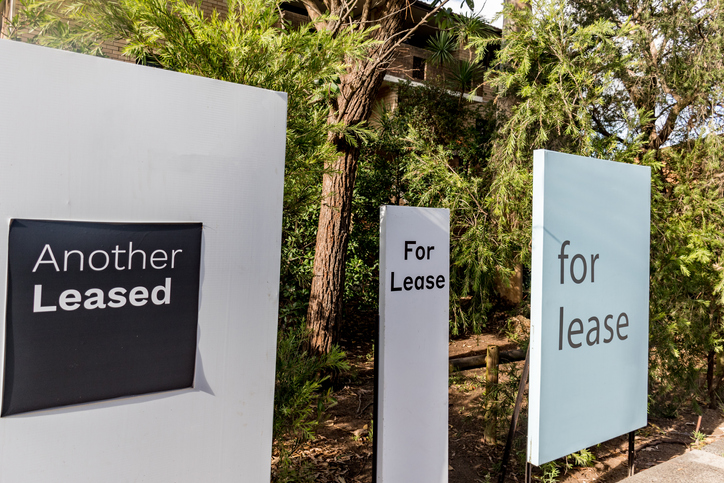
Sydney had roughly 4,300 more vacant rentals in October than it did a year earlier, giving tenants a wider pool of properties to inspect. SQM Research counted 13,872 vacancies in the city, up about 45 per cent on October 2025. The vacancy rate held at 1.8 per cent, compared with 1.3 per cent a year earlier.
Melbourne’s vacancy rate rose to 2 per cent, the highest of any capital, with 10,833 properties available. Together, Sydney and Melbourne accounted for more than half the 44,275 vacancies SQM recorded nationally. The national rate edged up to 1.5 per cent, from 1.4 per cent in September and 1.2 per cent a year earlier. SQM’s measure counts online rental listings that have been advertised for at least three weeks.
That three-week threshold matters. A rental let quickly can come and go without entering the count. A bigger pool of listings that have been advertised for at least three weeks suggests more properties are taking longer to lease. SQM noted that Melbourne’s rise in vacancies came as asking rents softened across houses and units during spring, when rents would usually pick up.
Sydney’s house and unit rents are moving in different directions
Sydney unit asking rents fell 0.7 per cent over the 30 days to 12 November, to about $744 a week. House asking rents rose 1.6 per cent to about $1,175. In Melbourne, both fell for a second consecutive month, with units down 1.6 per cent and houses down 0.4 per cent. Melbourne’s combined asking rent was still 5.7 per cent higher than a year earlier.
The Sydney figures put the weekly gap between house and unit asking rents at about $431. The averages cover different properties across the city, but the size of the gap helps explain why a household looking for an extra bedroom or outdoor space may experience a tighter market than someone looking for a unit.
Smaller capitals are still tight
Perth and Adelaide both recorded vacancy rates of 0.6 per cent, while Hobart had the lowest capital-city rate at 0.4 per cent. Brisbane moved up to 1 per cent, the same as a year earlier, and its combined asking rents were still 7.1 per cent higher over the year. Canberra, at 1.9 per cent, was closer to Melbourne and Sydney on availability. Darwin recorded a monthly fall in advertised rents, yet annual growth there was still 11.8 per cent.
A separate Cotality review puts the recent easing in perspective. Its national series recorded rental growth of 0.5 per cent in the September quarter, down from 1.6 per cent in June and 2.1 per cent in March. Even after that slowdown, Cotality estimated national unit rents were $208 a week higher than five years earlier, while house rents had risen $195 a week.
On SQM’s measure, national advertised rents were still 6.4 per cent higher than a year ago. The clearest signs of relief are in Melbourne and in Sydney’s apartment market, where asking rents have eased as more rentals have become available. For renters looking for a detached house in Sydney, the latest figures still point to rising asking prices.

A luxury lifestyle might cost more than it used to, but how does it compare with cities around the world?
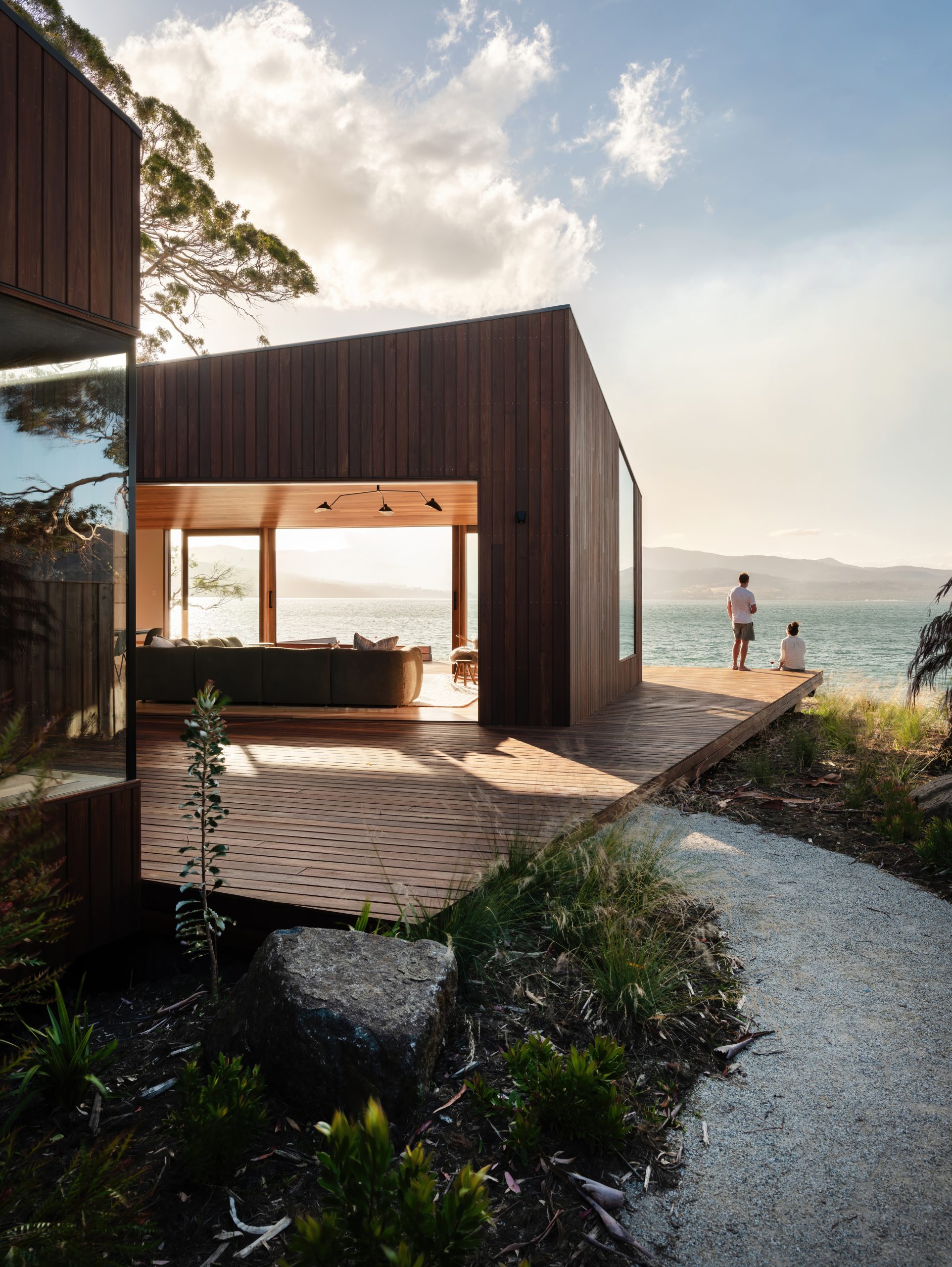
From the shacks of yesterday to the sculptural sanctuaries of today, Australia’s coastal architecture has matured into a global benchmark for design.