


Harley-Davidson Seeks New CEO, While Grappling With Sales Slump, Tariffs
Motorcycle maker says Jochen Zeitz plans to retire after five years in the role.

 2 min
2 min
Wanted: CEO for iconic (but challenged) motorcycle maker.
Harley-Davidson is seeking a replacement for Chief Executive Jochen Zeitz, who the company said Tuesday plans to retire after five years on the job.
Harley said it retained an executive search firm late last year after Zeitz expressed interest in retiring. He will remain in his position until a successor is chosen.
During his tenure, Zeitz has boosted Harley’s profit but has seen sales of the bikes continue to decline . The company last year sold 151,000 motorcycles worldwide, less than half as many as it sold in 2008.
Shares in Harley and other power-sports manufacturers dropped sharply Tuesday as investors’ worries about tariffs and a possible recession mounted. Harley stock closed at $20.82, down nearly 9%.
Zeitz, a longtime board member, took over in 2020 as the Covid-19 pandemic took hold and kept the Milwaukee-based company running , despite factory closings and supply-chain tangles. As CEO he has prioritized profits over volume, cutting money-losing entry-level bikes from the lineup to focus on more expensive cruising and touring models.
The strategy was different than one implemented by his predecessor, Matt Levatich, whose “More Roads to Harley-Davidson” plan called for dozens of new models to broaden the brand’s appeal. Levatich left the company after an activist investor said the approach had led to poor financial performance.
Zeitz has said Harley is faring better than its competitors, as the industry suffers from high interest rates and low consumer confidence. Harley’s prospects have also been shaken in the trade war launched by the Trump administration, with the European Union threatening to impose 50% tariffs on the company’s bikes .
The motorcycle maker said in March that bikes imported into the U.S., which receive a 2.4% tariff at most, should face reciprocal duties to even the playing field.
Harley’s network of dealers often criticized Zeitz as being out of touch with the brand’s distinct culture. He grew up in Germany and had made his name rescuing sportswear company Puma , but as sales continued to decline, some said he didn’t understand what made Harley riders tick.
“This company has a great future under someone else’s direction,” said Mark Forszt , a dealer with six locations in Indiana. “Hopefully they’ll bring someone in with knowledge of Harley-Davidson culture.”
Justin Johnson, operating partner at St. Paul Harley-Davidson in Minnesota, gave Zeitz credit for kick-starting the development of popular new touring models that came out last year.
“That was the fastest I’ve ever seen Harley bring something to market,” Johnson said.
Harley faces numerous challenges, including an aging customer base. Dealers say entry-level models have failed to capture the appeal of their predecessor, the Sportster, which was phased out to comply with tightening air-quality standards.
The company’s electric-motorcycle spinoff, LiveWire , which launched in 2019, has seen losses in excess of $100 million while shipping fewer than 700 bikes in each of the past two years. Zeitz indicated on a quarterly conference call in February that he was losing patience with the project.
Zeitz was thrust into America’s culture wars last summer when conservative activist Robby Starbuck accused Harley of becoming “totally woke” under the CEO’s leadership. That stirred up a whirlwind of social-media criticism, including some from elected officials, and the company backed away from some initiatives.
 Copyright 2020, Dow Jones & Company, Inc. All Rights Reserved Worldwide. LEARN MORE





A long-standing cultural cruise and a new expedition-style offering will soon operate side by side in French Polynesia.

The pandemic-fuelled love affair with casual footwear is fading, with Bank of America warning the downturn shows no sign of easing.


The pandemic-fuelled love affair with casual footwear is fading, with Bank of America warning the downturn shows no sign of easing.
2 minThe boom in casual footware ushered in by the pandemic has ended, a potential problem for companies such as Adidas that benefited from the shift to less formal clothing, Bank of America says.
The casual footwear business has been on the ropes since mid-2023 as people began returning to office.
Analyst Thierry Cota wrote that while most downcycles have lasted one to two years over the past two decades or so, the current one is different.
It “shows no sign of abating” and there is “no turning point in sight,” he said.
Adidas and Nike alone account for almost 60% of revenue in the casual footwear industry, Cota estimated, so the sector’s slower growth could be especially painful for them as opposed to brands that have a stronger performance-shoe segment. Adidas may just have it worse than Nike.
Cota downgraded Adidas stock to Underperform from Buy on Tuesday and slashed his target for the stock price to €160 (about $187) from €213. He doesn’t have a rating for Nike stock.
Shares of Adidas listed on the German stock exchange fell 4.5% Tuesday to €162.25. Nike stock was down 1.2%.
Adidas didn’t immediately respond to a request for comment.
Cota sees trouble for Adidas both in the short and long term.
Adidas’ lifestyle segment, which includes the Gazelles and Sambas brands, has been one of the company’s fastest-growing business, but there are signs growth is waning.
Lifestyle sales increased at a 10% annual pace in Adidas’ third quarter, down from 13% in the second quarter.
The analyst now predicts Adidas’ organic sales will grow by a 5% annual rate starting in 2027, down from his prior forecast of 7.5%.
The slower revenue growth will likewise weigh on profitability, Cota said, predicting that margins on earnings before interest and taxes will decline back toward the company’s long-term average after several quarters of outperforming. That could result in a cut to earnings per share.
Adidas stock had a rough 2025. Shares shed 33% in the past 12 months, weighed down by investor concerns over how tariffs, slowing demand, and increased competition would affect revenue growth.
Nike stock fell 9% throughout the period, reflecting both the company’s struggles with demand and optimism over a turnaround plan CEO Elliott Hill rolled out in late 2024.
Investors’ confidence has faded following Nike’s December earnings report, which suggested that a sustained recovery is still several quarters away. Just how many remains anyone’s guess.
But if Adidas’ challenges continue, as Cota believes they will, it could open up some space for Nike to claw back any market share it lost to its rival.
Investors should keep in mind, however, that the field has grown increasingly crowded in the past five years. Upstarts such as On Holding and Hoka also present a formidable challenge to the sector’s legacy brands.
Shares of On and Deckers Outdoor , Hoka’s parent company, fell 11% and 48%, respectively, in 2025, but analysts are upbeat about both companies’ fundamentals as the new year begins.
The battle of the sneakers is just getting started.
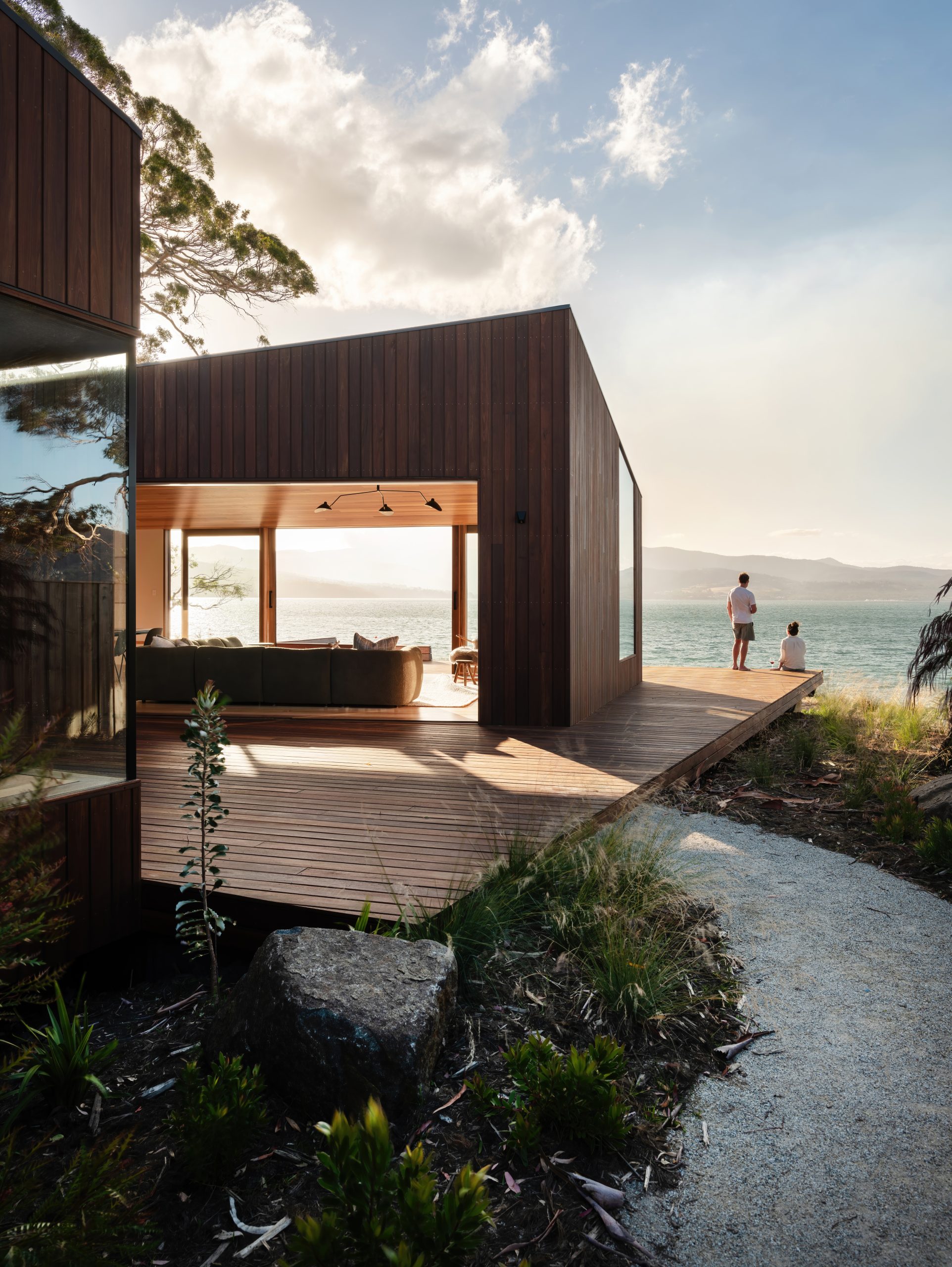
From the shacks of yesterday to the sculptural sanctuaries of today, Australia’s coastal architecture has matured into a global benchmark for design.

Three completed developments bring a quieter, more thoughtful style of luxury living to Mosman, Neutral Bay and Crows Nest.