Revealed: Australia’s most expensive houses & the records they’re smashing
Records keep falling in 2025 as harbourfront, beachfront and blue-chip estates crowd the top of the market.
 5 min
5 min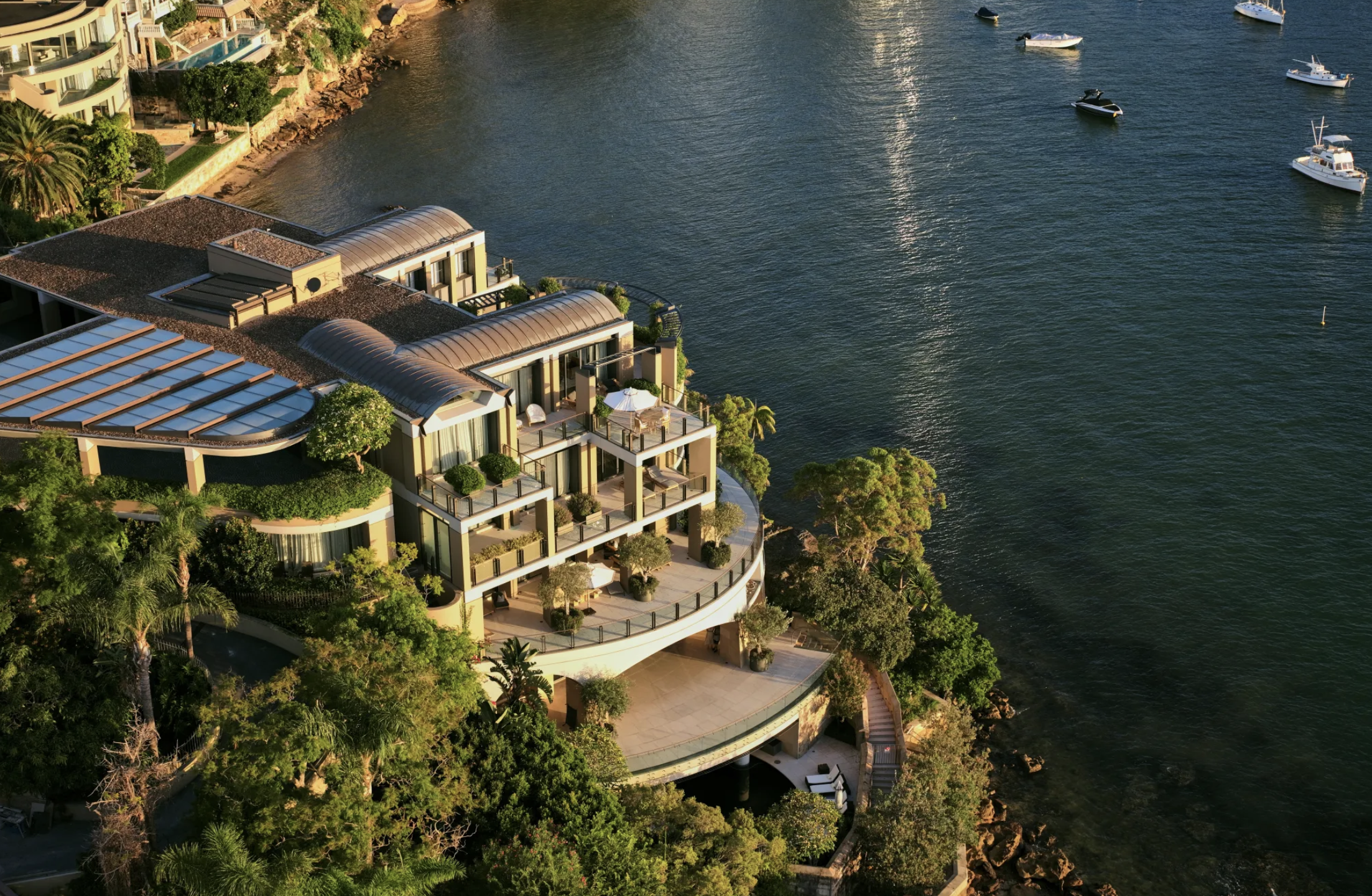
Australia’s luxury property market is once again reaching dizzying heights. After a brief slowdown, national home values have surged to new records in 2025, and nowhere is that more evident than at the top end of town.
While median prices are rising across most capital cities, the ultra-prestige segment is seeing even sharper growth, with trophy homes fetching never-before-seen sums.
Demand for harbourfront, beachfront, and blue-chip inner-city estates remains intense, driven by a mix of local billionaires, global buyers and intergenerational wealth.
This year alone, Australia’s residential record has been rewritten, with sales surpassing $130 million, and even an apartment now holding the crown as the nation’s most expensive dwelling.
From Sydney’s Point Piper to Melbourne’s Toorak, Brisbane’s riverfronts to Perth’s Golden Triangle, these exclusive enclaves continue to define the country’s property elite.
We’ve taken a closer look at the most expensive houses across Australia’s largest capitals, the landmark sales that have set new benchmarks, and the homes that could challenge those records if they ever hit the market.
Sydney
House Price Record: $130 million
Residential Record: $141.5 million
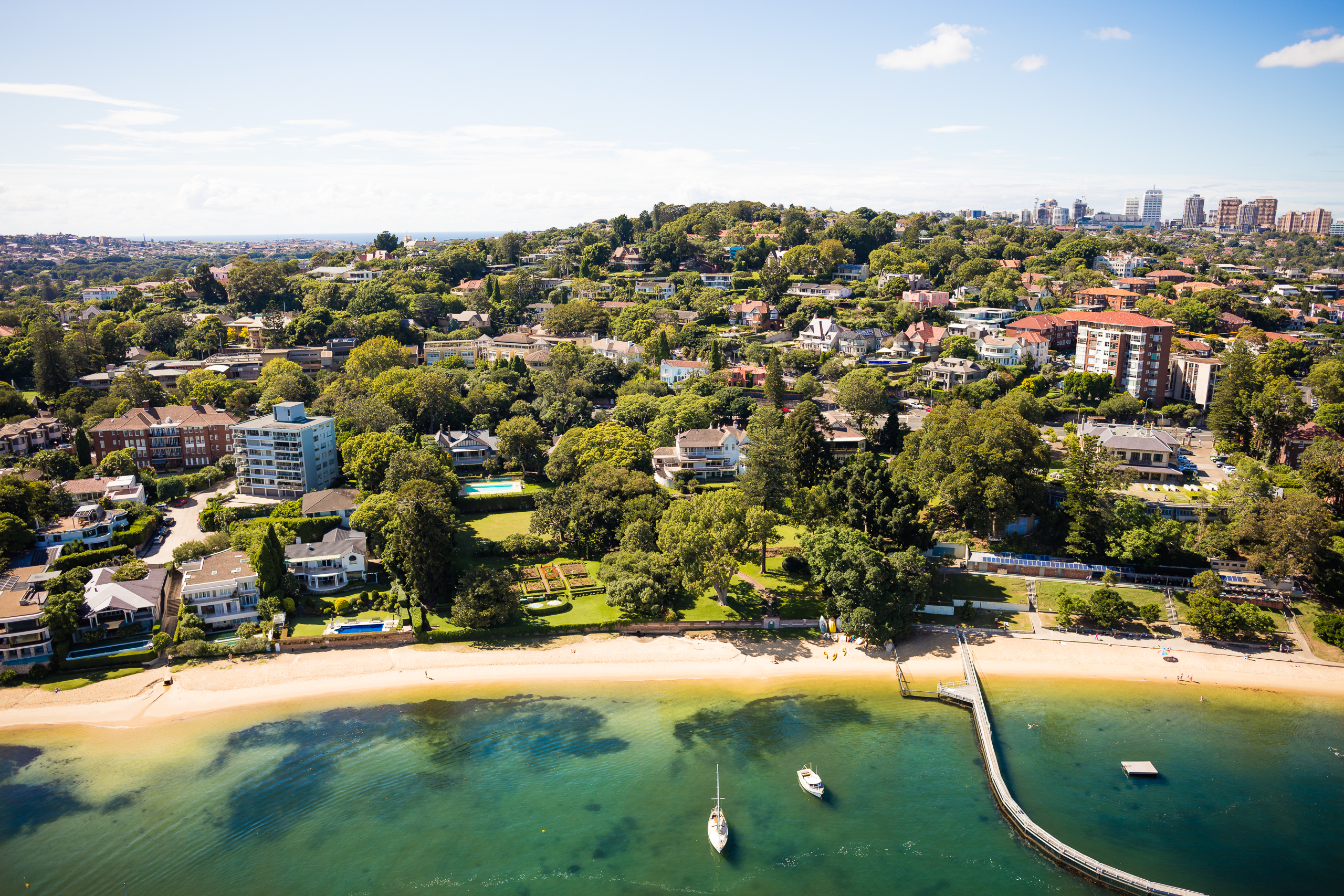
Sydney’s harbour has always commanded the city’s highest price points, with Point Piper the main epicentre.
For years, the residential house price record was held in Point Piper. First, Atlassian billionaire Scott Farquhar spent a record $71 million on Elaine, the Seven Shillings beachfront estate that had been in the Fairfax family for generations.
That 2017 sale held the top spot until the following year, when Farquhar’s Atlassian co-founder Mike Cannon-Brookes spent $100 million on Fairwater next door, following the death of Lady Mary Fairfax.
The grand heritage-listed mansion dates back to the early 1880s and sits on 1.12 hectares, far larger than Elaine, which is just shy of 7,000 sqm.
The Fairwater sale has only been topped twice. Last year, Farquhar purchased Uig Lodge for $130 million, one of the highest homes in Point Piper, with sweeping views of the harbour.
In turn, he sold Elaine for the same amount to a consortium led by tech entrepreneur Patrick Shi, CEO of Acce Investments Group. The group reportedly intends to subdivide the 7,000 sqm parcel into four blocks for new trophy homes.
There are several harbourfront properties that could challenge the record should they ever transact. This year, Aussie John Symond reportedly turned down offers exceeding $200 million for his home, colloquially known as “Aussie Stadium.”
The four-level residence, one of only three on Wolseley Road’s Windmill Point, took eight years to build and features six bedrooms, an eight-car garage, a 22-seat theatre, and a 2,500-bottle wine cellar.
Another contender is the Vaucluse waterfront compound owned by Menulog founder Leon Kamenev. Kamenev spent $80 million on the land alone in 2016, four amalgamated blocks totalling 4,200 sqm, before demolishing the existing homes to create a mega-mansion that cost more than $30 million to construct.
Meriton founder Harry Triguboff’s Wentworth Road property, also in Vaucluse, would likely compete for top spot. He first bought a block on the prized waterfront street in 1983 and acquired the adjacent property in 1998 to create over 5,200 sqm.
The Packer family compound could return the record to Bellevue Hill if it ever sold. Sir Frank Packer began assembling the estate, Cairnton, in 1935; his son Kerry added further titles through the 1980s and 1990s. The property now spans 1.1 hectares across Kambala and Victoria Roads.
The aforementioned Fairwater would almost certainly exceed $130 million today, given its larger harbourside footprint compared to Elaine.
Sydney’s highest property price, however, isn’t a house, it’s a penthouse. The One Sydney Harbour penthouse in Barangaroo sold off the plan in 2019 for $141.55 million. The three-level residence spans over 1,600 sqm and includes nine bedrooms, a private rooftop pool, spa, and gym.
Melbourne
House Price Record: $130 million+
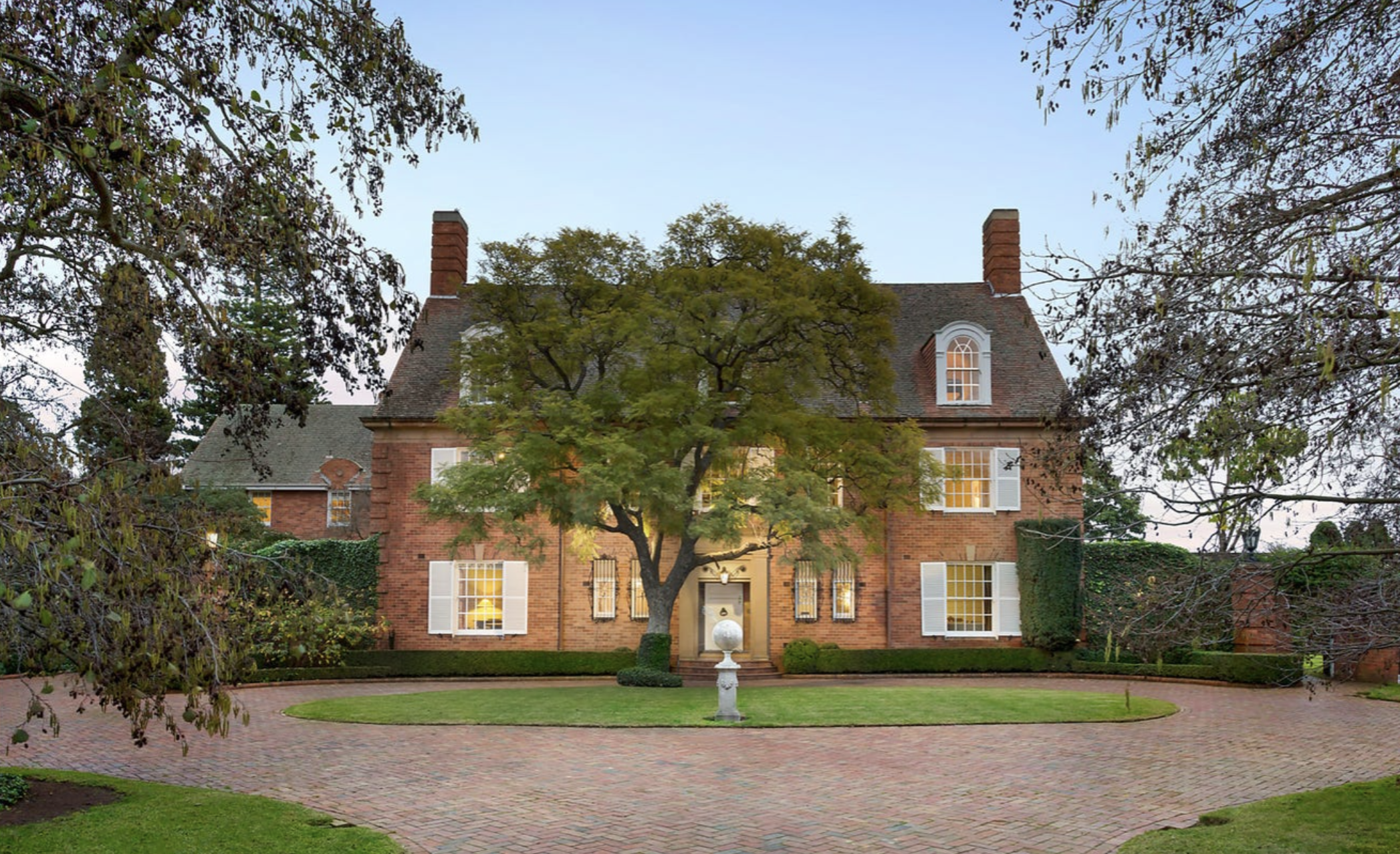
In Melbourne, Toorak is the equivalent of Point Piper. The rich-lister suburb home to the nation’s highest concentration of billionaires, including Lindsay Fox, John Gandel, and Solomon Lew.
The highest price achieved, though yet to settle, is for Coonac, the 1867-built mansion reportedly sold earlier this year for around $130 million. It was the longtime home of billionaire developer Paul Little and his wife, University of Melbourne Chancellor Jane Hansen.
While Coonac sits on Clendon Road, alongside the Myer family’s Cranlana compound, currently seeking around $100 million, Toorak’s most consistently expensive street is St Georges Road.
It previously held the Victorian record when crypto billionaire Ed Craven bought the long-abandoned “Ghost Mansion” for $80 million in 2022. He has since demolished the structure and is set to build a new luxury residence on the vast 7,187 sqm site.
Other notable St Georges Road sales include Blair House, which fetched $74.5 million in 2022 when purchased by tech entrepreneur Grant Rule.
Outside Toorak, billionaire Anthony Pratt’s Raheen estate in Kew remains one of the state’s most valuable homes. The heritage-listed Italianate mansion, built in the 1870s for Edward Latham of Carlton Brewery, has been in the Pratt family since 1981 and was recently refurbished by Anthony following his father Richard’s passing in 2016.
Brisbane
House Price Record: $23 million
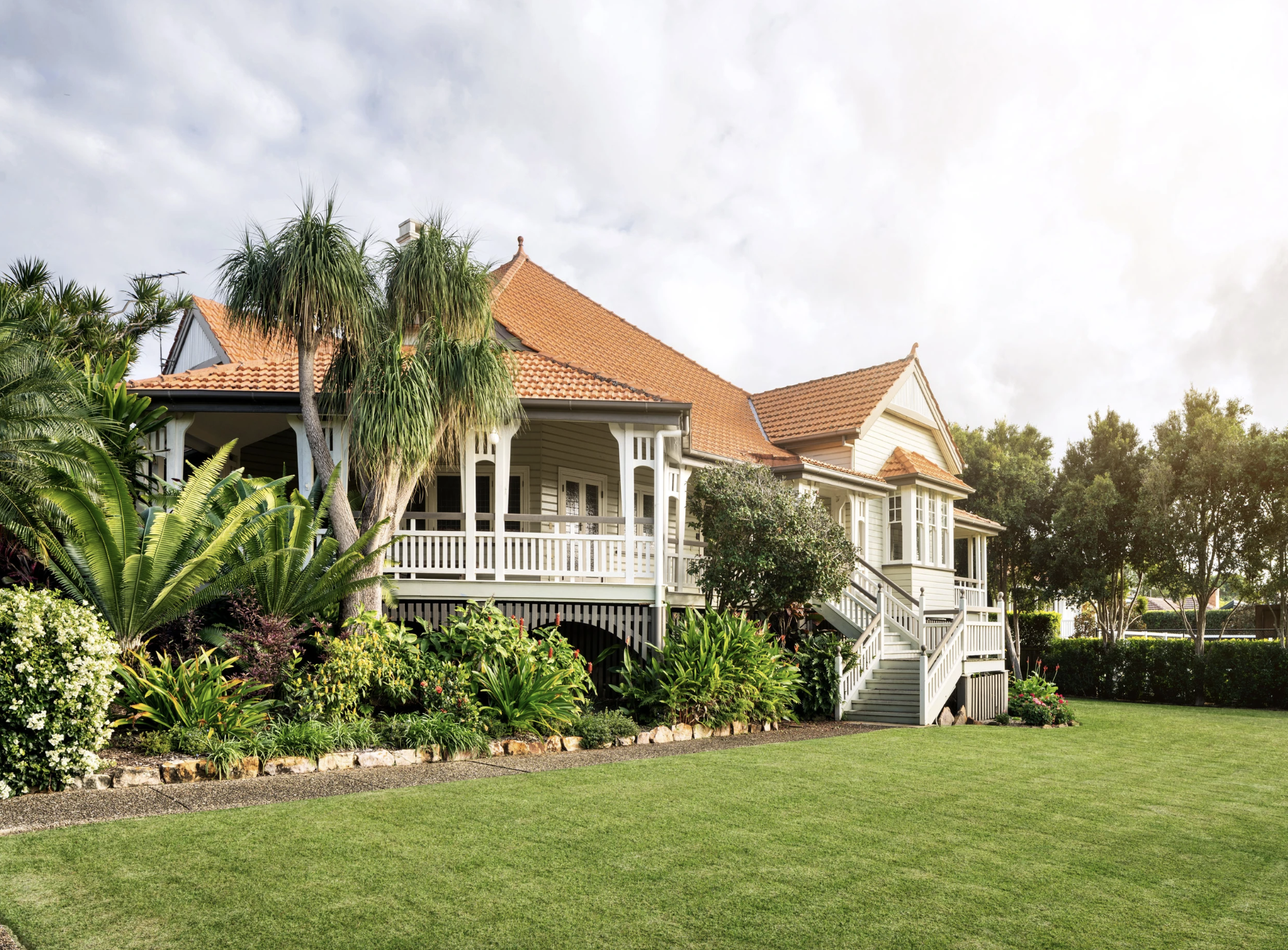
The Brisbane record was set earlier this year when BWC Group construction boss Brett Walker sold his Ascot home for $23 million.
Walker had bought the 1930s Queenslander from Ray White Chairman Brian White in 2021 for $10 million and spent another $7 million on extensive upgrades.
The 1920s home with six bedrooms sits on a private 3,035 sqm block with a championship-size floodlit tennis court, swimming pool, and cricket pitch.
The sale comfortably surpassed the previous record, set in 2023 when the 1890s waterfront Amity House in New Farm sold for $20.5 million.
New Farm also holds the city’s apartment record, set this year when coal baron Matthew Latimore, founder of M Resources, spent $17.5 million on a two-level penthouse atop the Cutters Landing building on Refinery Parade. The 740 sqm residence includes a sauna, steam room, ice bath, and spa.
There had been suggestions the penthouse atop the Pier building in Newstead would sell for $20 million, but it ultimately settled for $16 million.
Queensland’s priciest homes, however, sit beyond Brisbane. The state record was set earlier this year when DISSH fashion owners Lucy Henry-Hicks and Mitchell Lau purchased three adjoining beachfront properties for $40 million on Palm Beach’s Jefferson Lane.
Some don’t consider it a record, given it was an amalgamation. If it wasn’t to be a record, the highest price is $34 million, in Sunshine Beach. Webb House was bought by Peter Tighe, Non-Executive Chairman of AuKing Mining and part-owner of champion mare Winx, in 2021.
Western Australia
House Price Record: $56 million
Western Australia’s luxury market has surged. According to Knight Frank’s Prime Global Cities Index, Perth ranked 16th globally in Q1 2025 for luxury property price growth, rising 3.8 per cent over the year to March.
The priciest homes typically cluster in Dalkeith, Mosman Park, and Peppermint Grove. The state’s record was set when Mineral Resources co-founder Chris Ellison purchased a Mosman Park residence on Saunders Street for $56 million.
That same street saw another notable sale this year, a 2016-built luxury home with dual Gaggenau and Sub-Zero kitchens, a solar-heated magnesium pool, 600-bottle wine cellar, 13-person lift, and panoramic river views, for $22.75 million.
Many of Perth’s top-end sales occurred in the post-GFC mining boom, though some values later softened.
In 2011, Mineral Resources co-founder Steve Wyatt paid $39 million for a Dalkeith mansion; it resold in 2020 for $27.5 million to entrepreneur Danny Pavlovich and his wife, Suza.
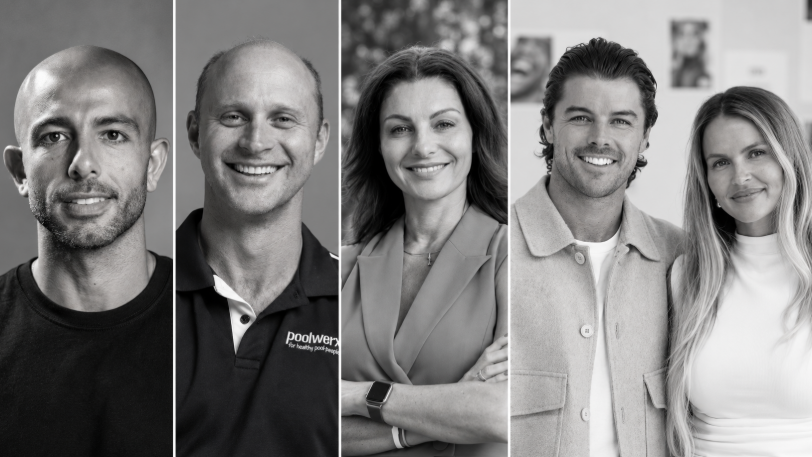
From making unpopular decisions to learning when to listen, leaders from five businesses reveal what nobody prepared them for — and how running a company has challenged their expectations.

Technology and semiconductor shares fell sharply as investors questioned the debt financing the AI infrastructure boom and confronted higher rates and Chinese competition.
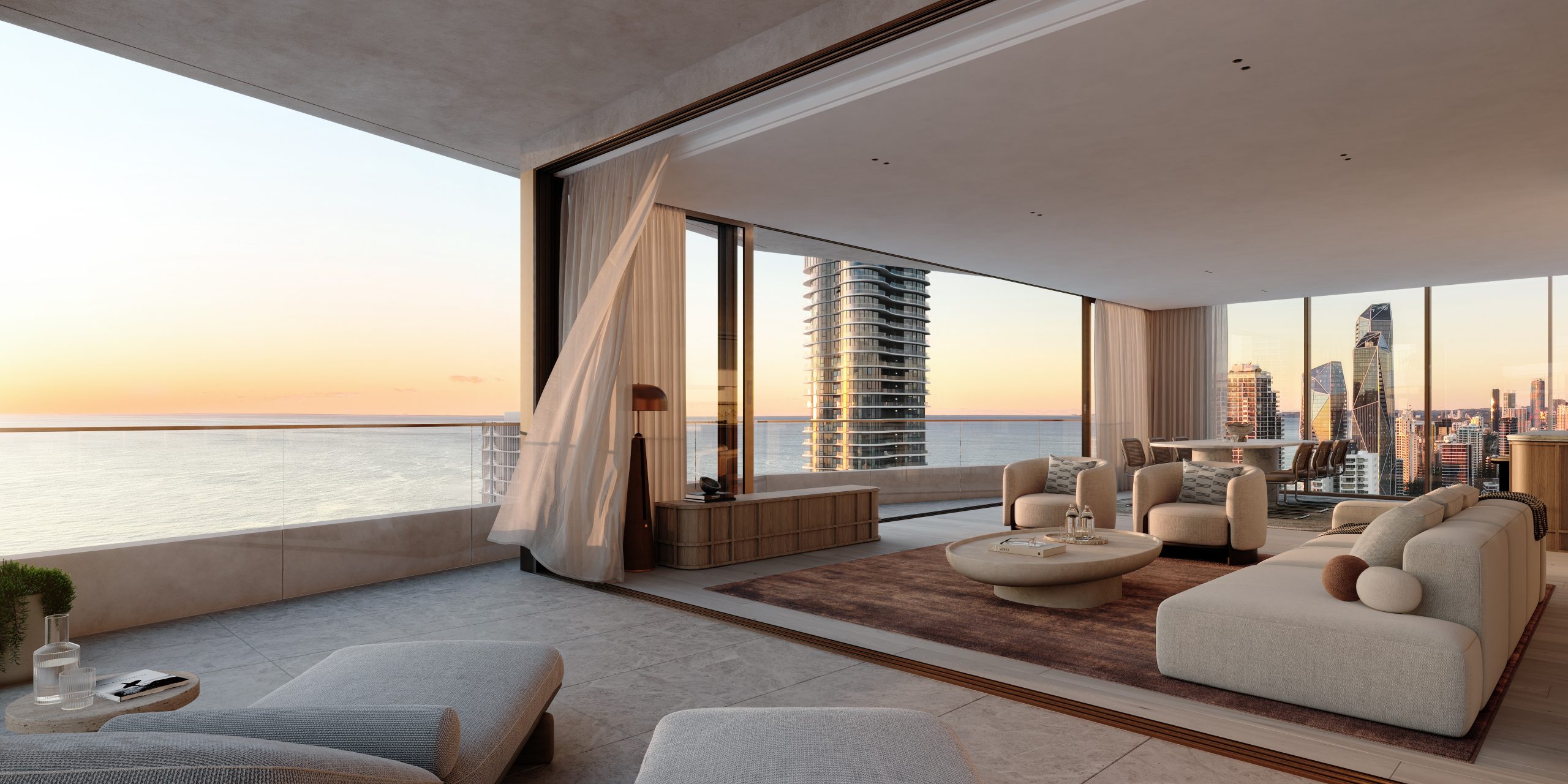
Mirvac’s 45-level Trielle has topped out at Yarra’s Edge, pairing riverfront apartments with wellness facilities, private dining and resident services.
3 min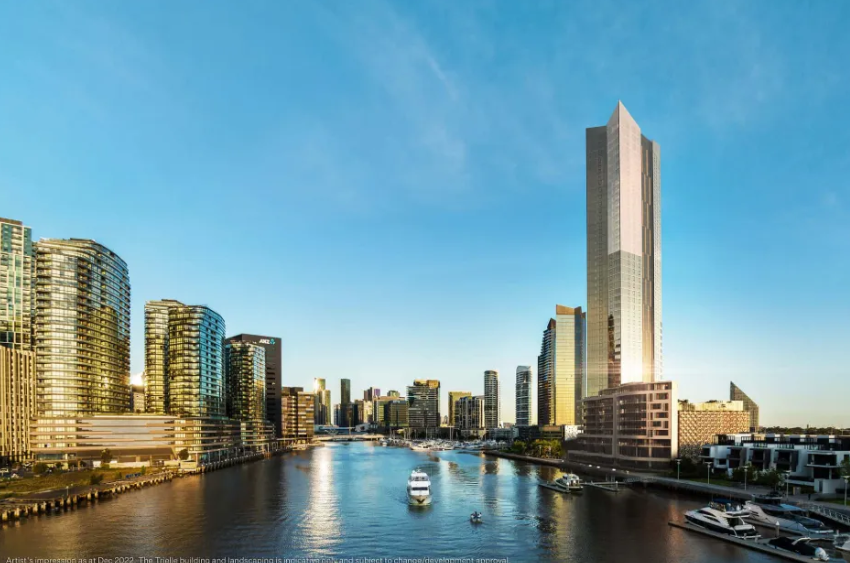
Mirvac has topped out Trielle at Melbourne’s Yarra’s Edge, with more than 70 per cent of the riverfront development sold and approximately 80 per cent of purchasers intending to make their apartment a home.
The figures, released on September 22, point to an owner-occupier audience for one of the precinct’s final residential towers. Mirvac began developing Yarra’s Edge in 2003, and its latest addition occupies one of the remaining absolute riverfront sites.
Mirvac CEO of Development Stuart Penklis said existing residents were among those moving up within the neighbourhood.
“Many purchasers already have a connection to Yarra’s Edge,” Mr Penklis said, describing buyers whose changing needs were encouraging an upgrade within the precinct.
“As one of the final residential towers within Yarra’s Edge, Trielle represents the culmination of more than two decades of creating one of Melbourne’s most established and sought-after waterfront communities,” Penklis said.
“Positioned on the Collins Street axis with absolute river frontage, Trielle offers residents a rare opportunity to enjoy sweeping views across the Yarra River, Melbourne skyline and Port Phillip Bay, while remaining seamlessly connected to the CBD. With Trielle now more than 70 per cent sold, we’re continuing to see strong demand from buyers seeking quality homes in established locations.”
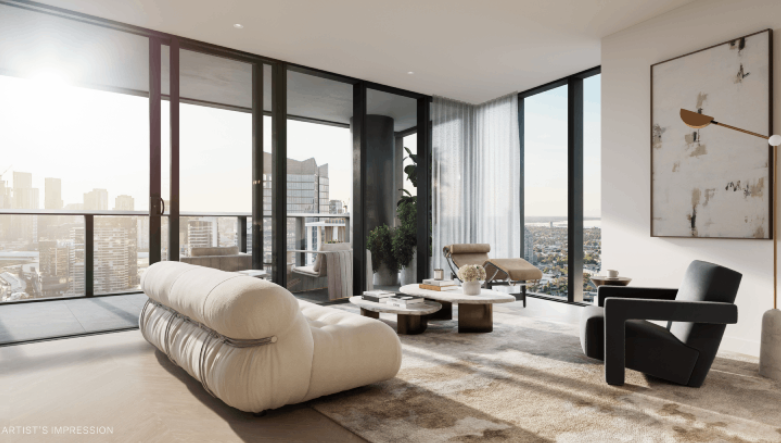
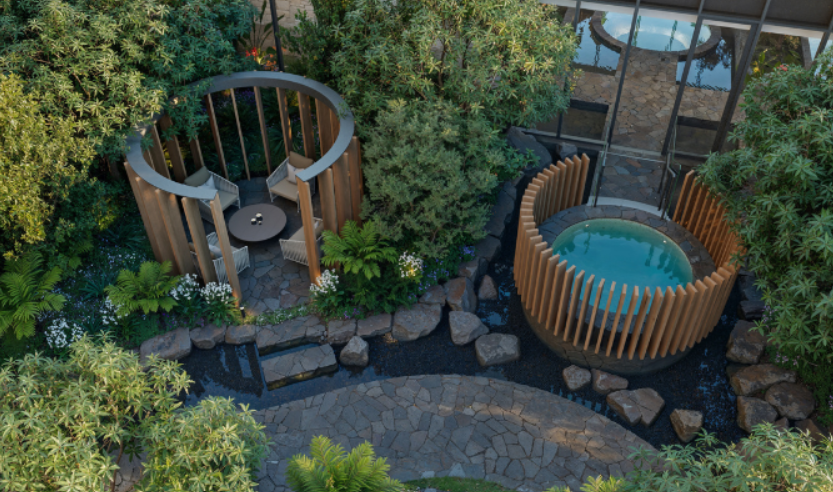
The developer also flagged a penthouse and sub-penthouse collection with larger layouts, premium finishes and broad outlooks. The planned wellness centrepiece, The Oasis, encompasses a 900-square-metre elevated urban rainforest.
Mirvac General Manager Residential Development Victoria Elysa Anderson said Trielle had resonated strongly with buyers seeking a rare lifestyle offering in Melbourne.
“Opportunities to secure a new luxury residence on a riverfront site of this calibre are incredibly rare, particularly within a community like Yarra’s Edge,” Anderson said.
“What makes Trielle unique is the combination of exceptional views, world-class residential facilities and the lifestyle that already exists around it. Residents are buying into a mature waterfront community with parks, promenades, dining, wellness and strong community connections already in place.”
The 45-level tower brings a substantial new presence to that waterfront. Its residential offering spans one-, two-, three- and four-bedroom apartments, with Signature, Prestige and Sub-Penthouse collections accommodating different household sizes. The north-facing position connects the apartments visually to the river and city beyond.
Seven storeys above the promenade, the planned Oasis combines planting and a running stream with a Scandinavian-inspired wellness club developed with spa specialist Naomi Gregory. Facilities include a 25-metre lap pool, hot magnesium pool, sauna, hydrotherapy, a gym, yoga and Pilates room, and treatment spaces.
The amenity extends beyond exercise. Residents will have access to The Biblioteca library and workspaces, ground-floor work pods, and The Salone piano lounge. A private Chef’s Table dining room offers a setting for larger gatherings, while a cinema, games room and sports lounge broaden the entertaining options. Concierge services and a dog-wash area support everyday routines.
Trielle comprises a collection of one, two, three and four-bedroom residences. Reflecting strong demand from owner occupiers, approximately 80 per cent of purchasers to date intend to live in their homes, highlighting the project’s appeal to those seeking a long-term waterfront lifestyle.
Mirvac has recently delivered The Albertine, a premium apartment development on the edge of Melbourne’s CBD, and is nearing completion of Prince & Parade in Brunswick, further strengthening its portfolio of thoughtfully designed apartment communities in some of Melbourne’s most sought-after urban locations.

A 30-metre masterpiece unveiled in Monaco brings Lamborghini’s supercar drama to the high seas, powered by 7,600 horsepower and unmistakable Italian design.
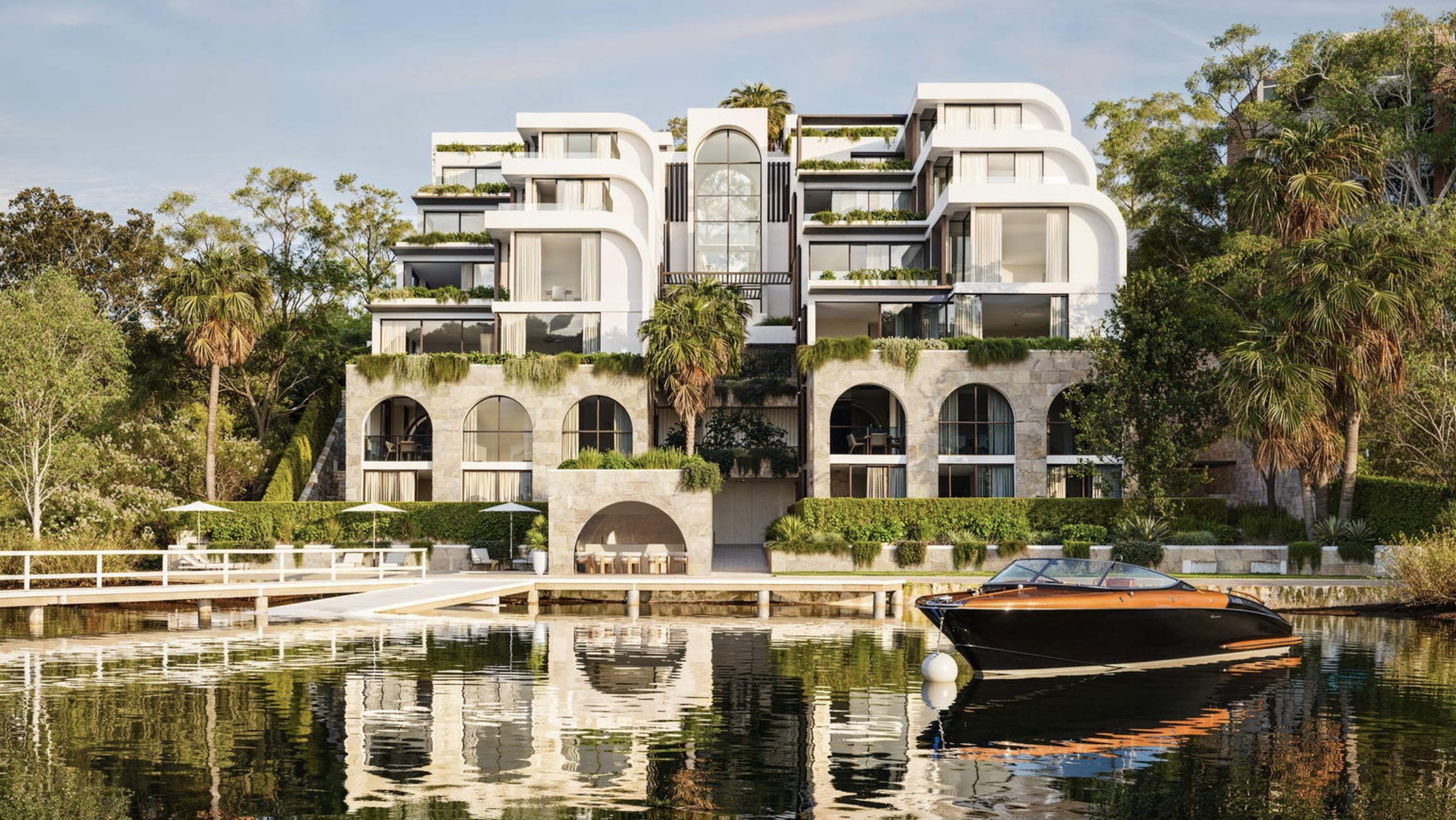
Advertising legend John Singleton unveils an exclusive 16-residence Caroline Bay development, marking his latest high-end property play on the Central Coast.