More Big Companies Bet They Can Still Grow Without Hiring
JPMorgan Chase has a ‘strong bias’ against adding staff, while Walmart is keeping its head count flat. Major employers are in a new, ultra lean era.

 3 min
3 min
It’s the corporate gamble of the moment: Can you run a company, increasing sales and juicing profits, without adding people?
American employers are increasingly making the calculation that they can keep the size of their teams flat—or shrink through layoffs—without harming their businesses.
Part of that thinking is the belief that artificial intelligence will be used to pick up some of the slack and automate more processes. Companies are also hesitant to make any moves in an economy many still describe as uncertain.
JPMorgan Chase’s chief financial officer told investors recently that the bank now has a “very strong bias against having the reflective response” to hire more people for any given need. Aerospace and defense company RTX boasted last week that its sales rose even without adding employees.
Goldman Sachs , meanwhile, sent a memo to staffers this month saying the firm “will constrain head count growth through the end of the year” and reduce roles that could be more efficient with AI. Walmart , the nation’s largest private employer, also said it plans to keep its head count roughly flat over the next three years, even as its sales grow.
“If people are getting more productive, you don’t need to hire more people,” Brian Chesky , Airbnb’s chief executive, said in an interview. “I see a lot of companies pre-emptively holding the line, forecasting and hoping that they can have smaller workforces.”
Airbnb employs around 7,000 people, and Chesky says he doesn’t expect that number to grow much over the next year. With the help of AI, he said he hopes that “the team we already have can get considerably more work done.”
Many companies seem intent on embracing a new, ultralean model of staffing, one where more roles are kept unfilled and hiring is treated as a last resort. At Intuit , every time a job comes open, managers are pushed to justify why they need to backfill it, said Sandeep Aujla , the company’s chief financial officer. The new rigor around hiring helps combat corporate bloat.
“That typical behavior that settles in—and we’re all guilty of it—is, historically, if someone leaves, if Jane Doe leaves, I’ve got to backfill Jane,” Aujla said in an interview. Now, when someone quits, the company asks: “Is there an opportunity for us to rethink how we staff?”
Intuit has chosen not to replace certain roles in its finance, legal and customer-support functions, he said. In its last fiscal year, the company’s revenue rose 16% even as its head count stayed flat, and it is planning only modest hiring in the current year.
The desire to avoid hiring or filling jobs reflects a growing push among executives to see a return on their AI spending. On earnings calls, mentions of ROI and AI investments are increasing, according to an analysis by AlphaSense, reflecting heightened interest from analysts and investors that companies make good on the millions they are pouring into AI.
Many executives hope that software coding assistants and armies of digital agents will keep improving—even if the current results still at times leave something to be desired.
The widespread caution in hiring now is frustrating job seekers and leading many employees within organizations to feel stuck in place, unable to ascend or take on new roles, workers and bosses say.
Inside many large companies, HR chiefs also say it is becoming increasingly difficult to predict just how many employees will be needed as technology takes on more of the work.
Some employers seem to think that fewer employees will actually improve operations.
Meta Platforms this past week said it is cutting 600 jobs in its AI division, a move some leaders hailed as a way to cut down on bureaucracy.
“By reducing the size of our team, fewer conversations will be required to make a decision, and each person will be more load-bearing and have more scope and impact,” Alexandr Wang , Meta’s chief AI officer, wrote in a memo to staff seen by The Wall Street Journal.
Though layoffs haven’t been widespread through the economy, some companies are making cuts. Target on Thursday said it would cut about 1,000 corporate employees, and close another 800 open positions, totaling around 8% of its corporate workforce. Michael Fiddelke , Target’s incoming CEO, said in a memo sent to staff that too “many layers and overlapping work have slowed decisions, making it harder to bring ideas to life.”
A range of other employers, from the electric-truck maker Rivian to cable and broadband provider Charter Communications , have announced their own staff cuts in recent weeks, too.
Operating with fewer people can still pose risks for companies by straining existing staffers or hurting efforts to develop future leaders, executives and economists say. “It’s a bit of a double-edged sword,” said Matthew Martin , senior U.S. economist at Oxford Economics. “You want to keep your head count costs down now—but you also have to have an eye on the future.”
 Copyright 2020, Dow Jones & Company, Inc. All Rights Reserved Worldwide. LEARN MORE




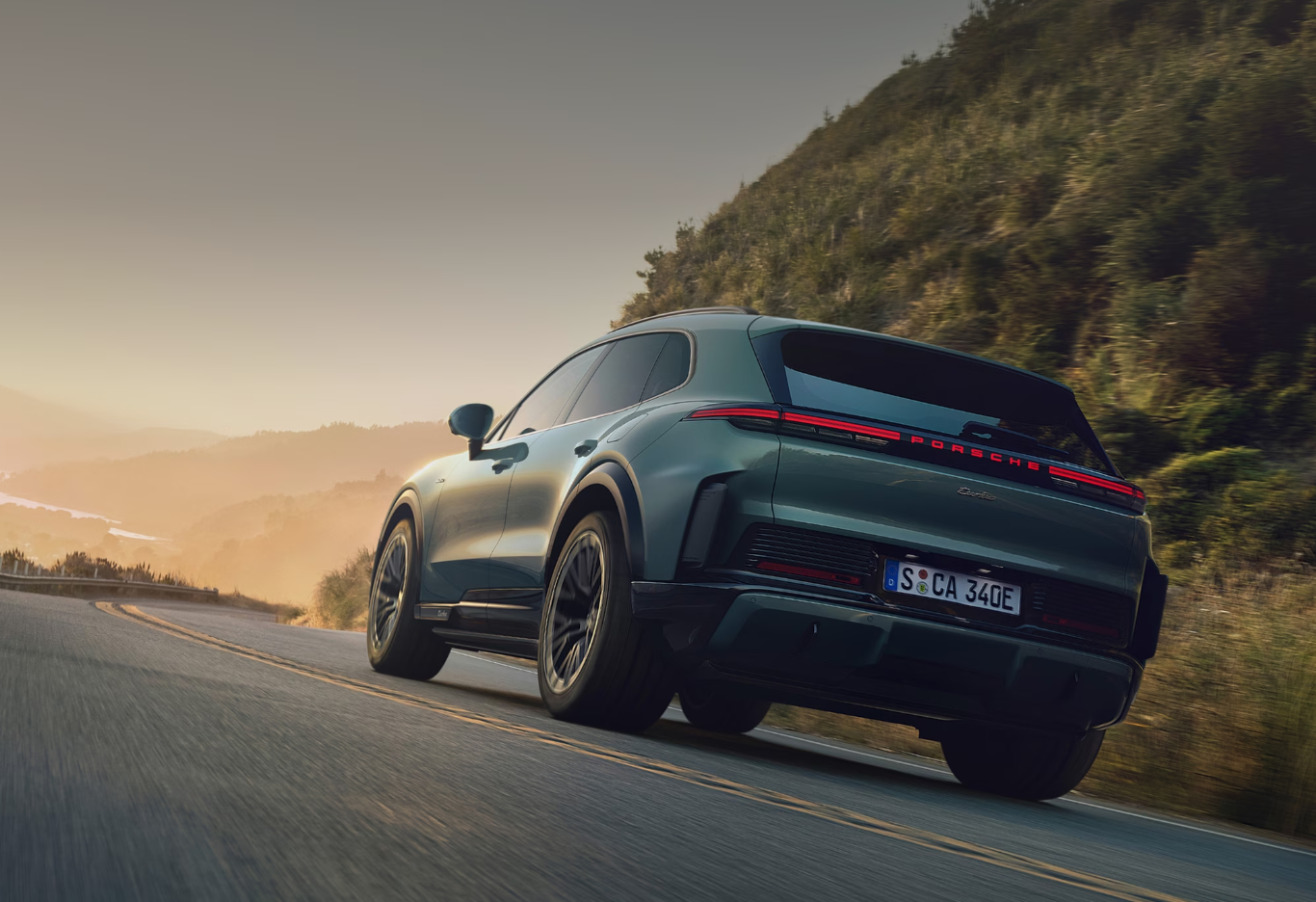
Porsche’s Cayenne Turbo Electric produces up to 1,156PS and reaches 100km/h in a claimed 2.5 seconds.
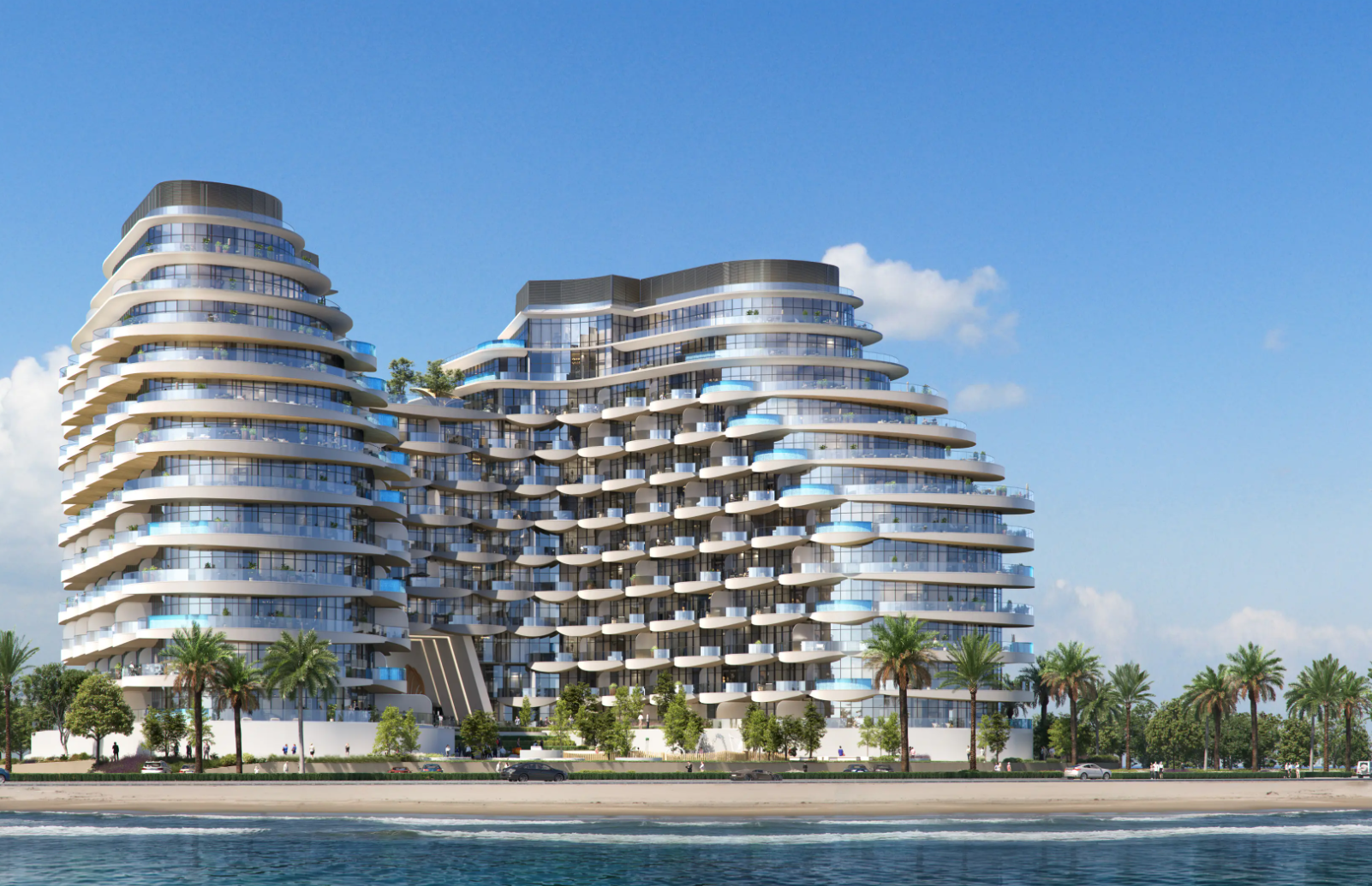
BNW Developments has established a Sydney presence, joining Arada and Sobha Realty among the growing number of UAE developers pursuing Australian buyers and development opportunities.

Porsche’s Cayenne Turbo Electric produces up to 1,156PS and reaches 100km/h in a claimed 2.5 seconds.
5 minFor all the attention Porsche’s move to electric power has generated, perhaps the most surprising number attached to its latest EV isn’t its range or charging speed.
It’s 1,156.
That is the maximum horsepower available from the new Cayenne Turbo Electric, making a large, five-seat family SUV the most powerful production Porsche ever built.
Not a 911. Not a Taycan. Not one of Stuttgart’s limited-production track specials. A Cayenne.
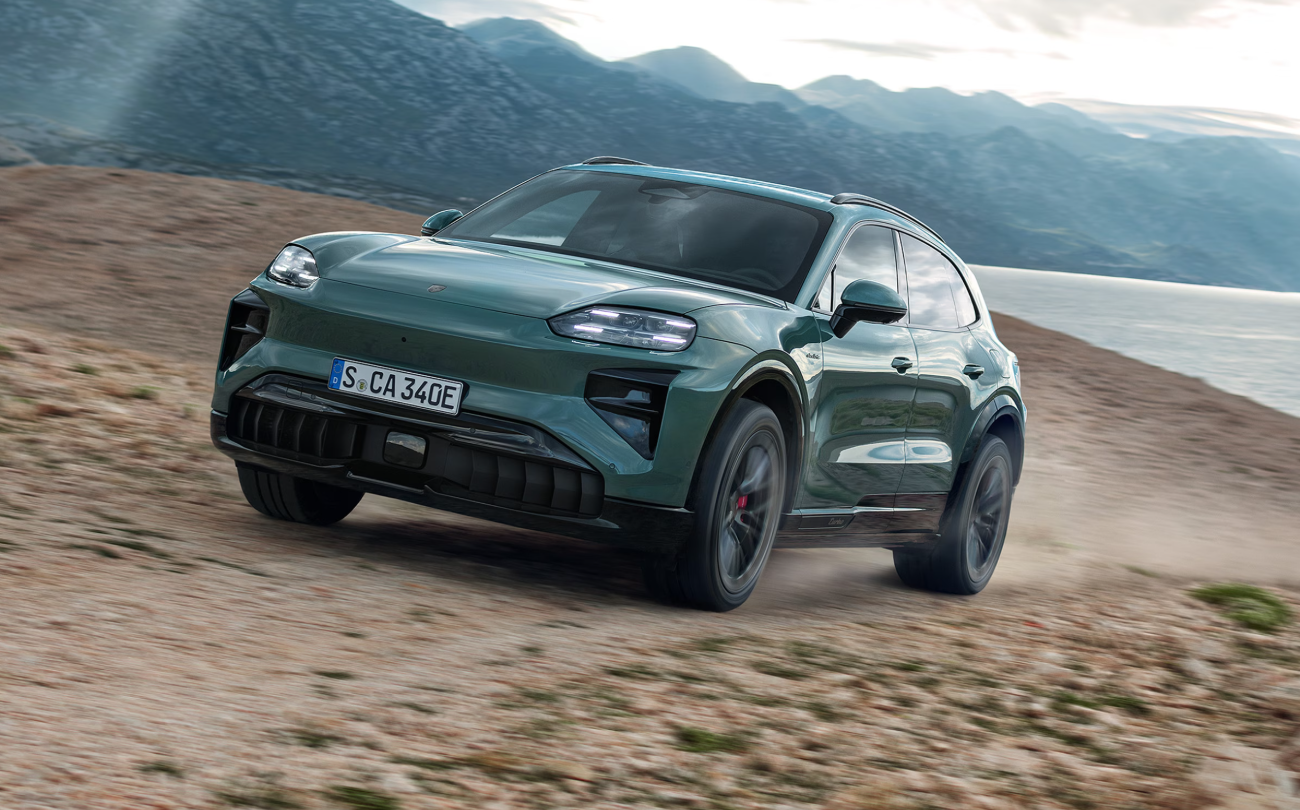
The new flagship produces up to 850kW, or 1,156PS, and 1,500Nm of torque with Launch Control activated, enough to send it from 0–100km/h in just 2.5 seconds.
Keep the accelerator pinned and 200km/h arrives in 7.4 seconds, before the Cayenne eventually reaches its 260km/h top speed. Those numbers put a vehicle capable of carrying five people and their luggage firmly into supercar territory.
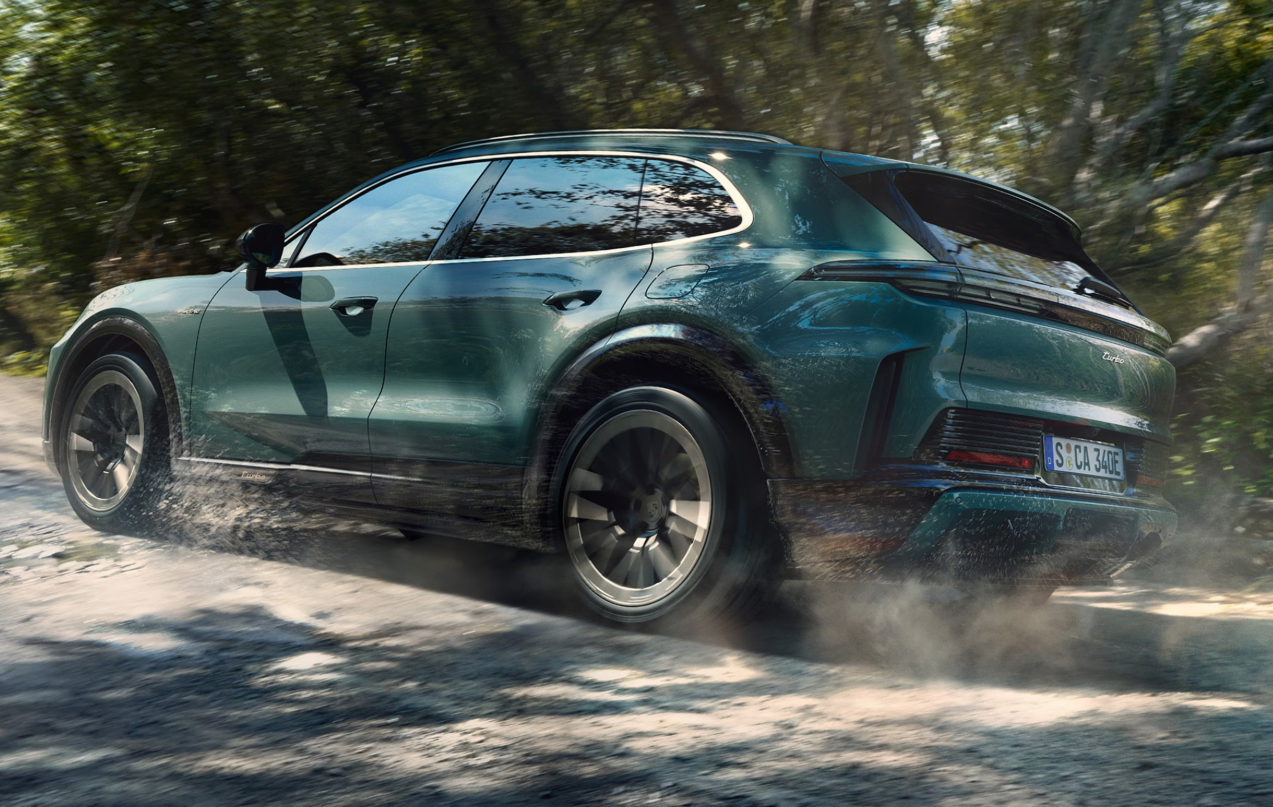
It also represents something of a full-circle moment for the Cayenne.
When Porsche first revealed the original Cayenne more than two decades ago, the idea that the sports car specialist would build an SUV was controversial. It went on to become one of the company’s most important models and helped expand Porsche well beyond the traditional two-door sports car market.
Now the Cayenne is again being used to push Porsche into new territory.
The Cayenne Turbo Electric sits at the top of a growing three-model electric range in Australia, above the Cayenne Electric and Cayenne S Electric. Crucially, Porsche isn’t abandoning combustion power in the process. Petrol and plug-in hybrid versions of the Cayenne continue alongside the new electric generation, giving buyers a choice of powertrains rather than forcing an immediate wholesale transition.
But if the electric Cayenne is supposed to demonstrate what Porsche believes the next generation of its luxury SUV can do, the Turbo is the exclamation point.
In normal driving it produces up to 630kW, or 857PS. A Push-to-Pass function can temporarily add another 130kW for 10 seconds, while the full 850kW is unleashed with Launch Control.
Managing that much performance repeatedly is considerably more complicated than simply fitting powerful electric motors.
Porsche has equipped the rear motor with direct oil cooling, technology derived from motorsport, designed to maintain high continuous power output and efficiency rather than deliver one spectacular acceleration run before heat begins limiting performance.
It is part of the broader engineering challenge facing the new Cayenne.
Porsche hasn’t simply had to make a very fast electric SUV. It has had to make a 1,156PS electric SUV behave like a Porsche.
Adaptive air suspension with Porsche Active Suspension Management is standard, while the Turbo adds Porsche Torque Vectoring Plus. Rear-axle steering, capable of turning the rear wheels by up to five degrees, is optional.
Buyers can also specify Porsche Active Ride, the active suspension technology already seen elsewhere in the Porsche range. The system is designed to almost completely compensate for pitch and roll movements, helping keep the body level under acceleration, braking and cornering. That becomes particularly relevant in a large SUV carrying a substantial battery beneath its floor.
Even braking has been approached differently.
The Cayenne Electric can recover energy at up to 600kW under deceleration, a figure Porsche compares with the recuperation capabilities of its Formula E racing cars. The company says around 97 per cent of everyday braking can consequently be handled by the electric motors without requiring the conventional friction brakes.
For those intending to explore the outer edges of its performance envelope, Porsche Ceramic Composite Brakes remain available on the Turbo.
Then there is the battery.
A 113kWh high-voltage battery sits at the centre of the Cayenne’s new 800-volt electrical architecture. For the Turbo, Porsche quotes a European WLTP range of up to 623 kilometres, although Australian-specific range figures can vary depending on specification and testing.
More impressive is how quickly that battery can theoretically be replenished.
The Cayenne can accept DC charging at up to 390kW under optimal conditions, briefly reaching as much as 400kW under specific circumstances. Porsche says a 10 to 80 per cent charge can take less than 16 minutes when connected to sufficiently powerful infrastructure and with the battery at the appropriate temperature.
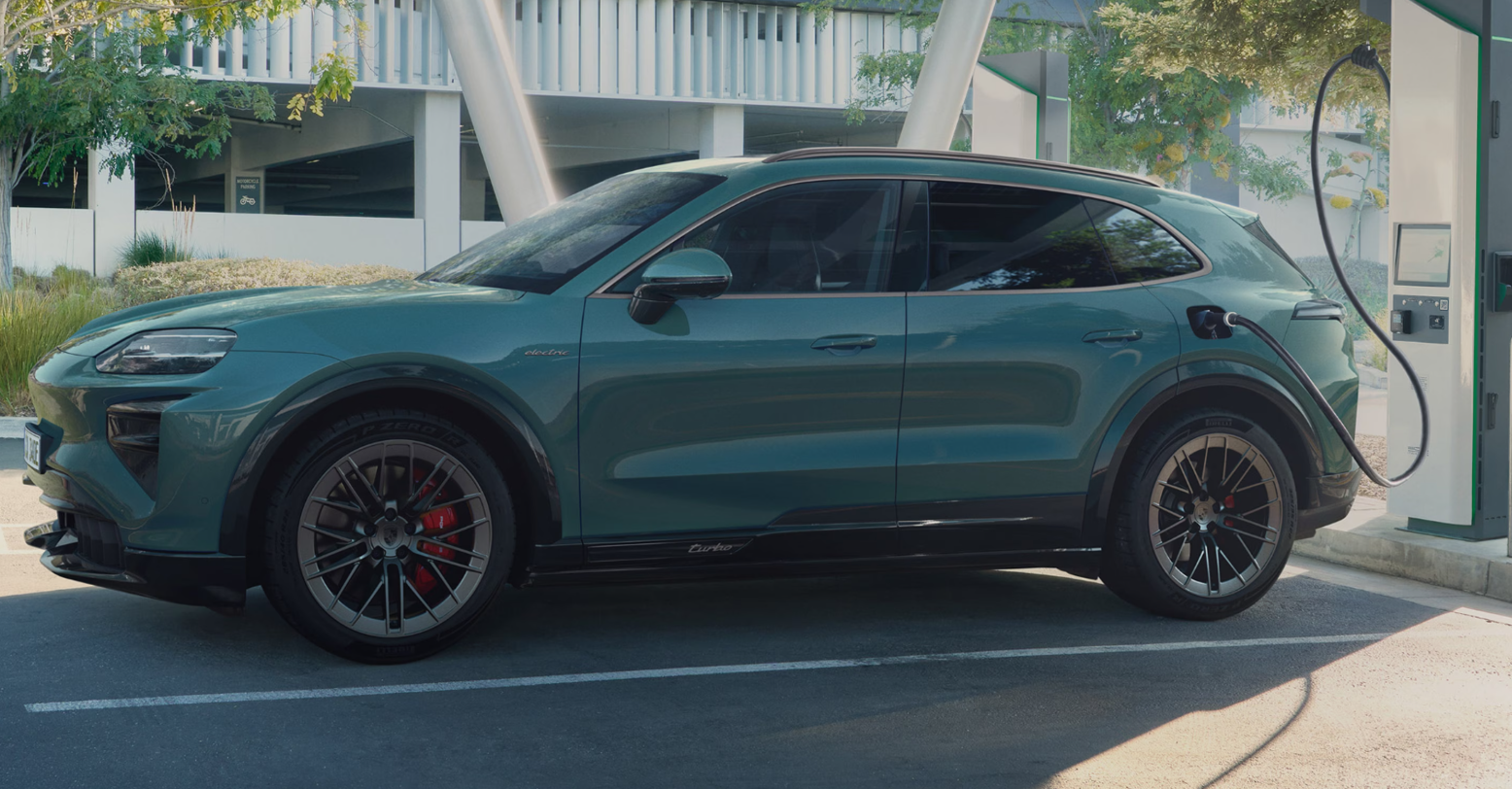
That potentially addresses one of the compromises that has traditionally separated a long-distance electric luxury SUV from its petrol equivalent.
Finding a charger capable of delivering anywhere near 400kW is another matter, particularly in Australia, but the car itself has been engineered with considerably more charging capacity than much of today’s infrastructure can provide.
Porsche is going further at home.
The Cayenne Electric is the first Porsche designed to support optional wireless charging. Rather than plugging the car into a wallbox, owners will eventually be able to park above a floor plate capable of inductively charging the battery at up to 11kW.
The system automatically recognises the vehicle and allows it to lower itself into the appropriate position above the plate. Porsche expects the wireless charging system to become available to order in Australia in the fourth quarter of 2026, with Australian Cayenne Electric models pre-wired to allow it to be retrofitted, unless buyers opt out.
For all those numbers, however, the Cayenne still has to fulfil the role that has made it such an important Porsche for more than 20 years. It needs to be useful.
The electric model is 4,985mm long and rides on a 3,023mm wheelbase, almost 13 centimetres longer between the axles than the combustion-engined Cayenne.
Most of that extra space has been used to improve rear passenger accommodation.
The electrically adjustable rear seats can move between comfort and cargo-oriented positions, while luggage capacity ranges from 781 litres to 1,588 litres. Removing an engine from the front also creates a further 90-litre luggage compartment under the bonnet.
Depending on specification, the Cayenne Electric can tow as much as 3.5 tonnes. It is that collision of figures that perhaps best explains the new Turbo.
This is a vehicle capable of reaching 100km/h in 2.5 seconds and producing 1,500Nm of torque, yet it can also carry a family, swallow more than 1,500 litres of luggage with the rear seats configured for cargo and tow a substantial boat or caravan.
Inside, Porsche has similarly moved the Cayenne further into its digital era.
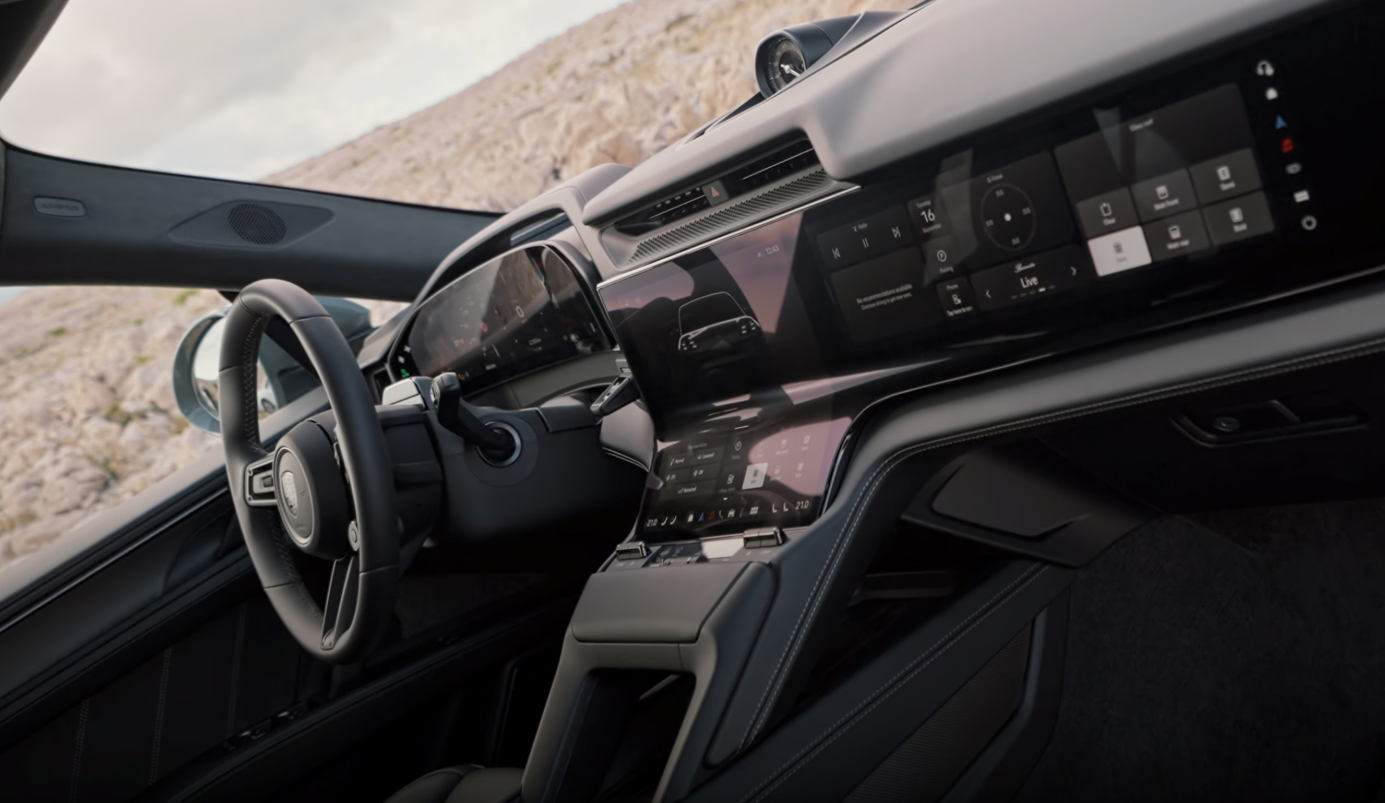
The new Porsche Driver Experience combines a fully digital instrument display with the curved central Flow Display, while a separate passenger display and augmented-reality head-up display are available.
Despite the expansion of screen real estate, Porsche has retained a mixture of digital and physical controls rather than moving every function behind a touchscreen.
Australian Turbo models also receive a generous standard specification, including a panoramic roof, ventilated front seats, four-zone climate control, privacy glass and Porsche’s Parking Entry Package with Surround View and Self-Steering ParkAssist.
And we now know what all of it will cost.
The Cayenne Turbo Electric is priced from $259,900 before on-road costs in Australia, compared with $167,800 for the Cayenne Electric and $193,100 for the Cayenne S Electric.
Orders are already open, with the first Australian deliveries expected from the third quarter of 2026.
There is also a Cayenne Turbo Coupé Electric for buyers wanting the same extraordinary drivetrain beneath a more sporting roofline. It is priced from $272,100 before on-road costs.
Ultimately, however, the significance of the Turbo isn’t simply that Porsche has electrified another model. The company has used electrification to move the performance ceiling of the Cayenne somewhere it has never been before.

A long-standing cultural cruise and a new expedition-style offering will soon operate side by side in French Polynesia.
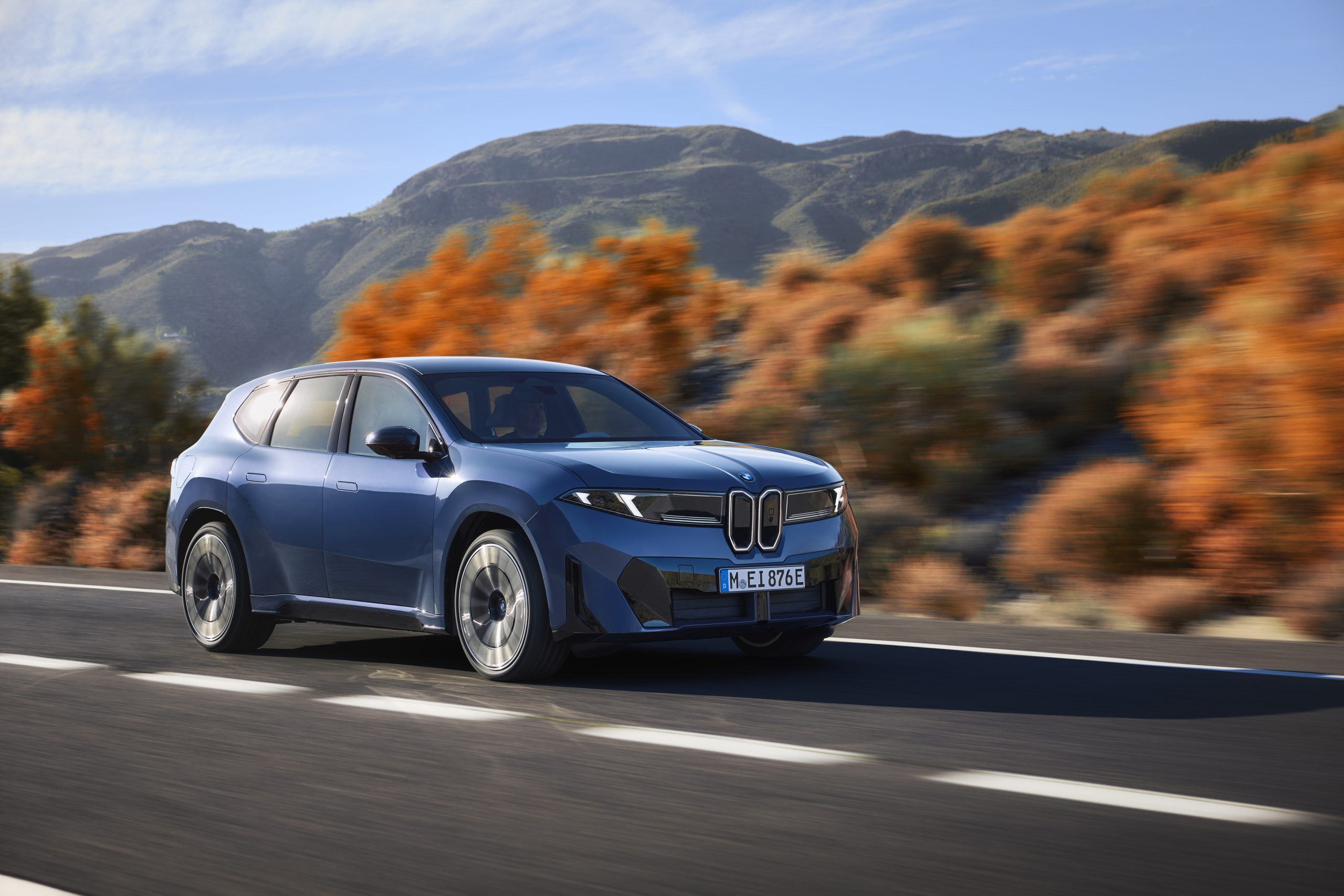
BMW has unveiled the Neue Klasse in Munich, marking its biggest investment to date and a new era of electrification, digitalisation and sustainable design.