NATIONAL HOUSING MARKET STALLS AS SYDNEY & MELBOURNE LOSE MOMENTUM
Australia’s housing market was flat in May as falling values in Sydney and Melbourne offset continued growth in Perth, Brisbane and Adelaide.
 3 min
3 min
Australia’s housing market has lost momentum, with Cotality’s latest Home Value Index revealing national dwelling values were flat in May as affordability constraints, higher borrowing costs and weakening buyer sentiment continue to weigh on demand.
The national result masks increasingly divergent conditions across the country.
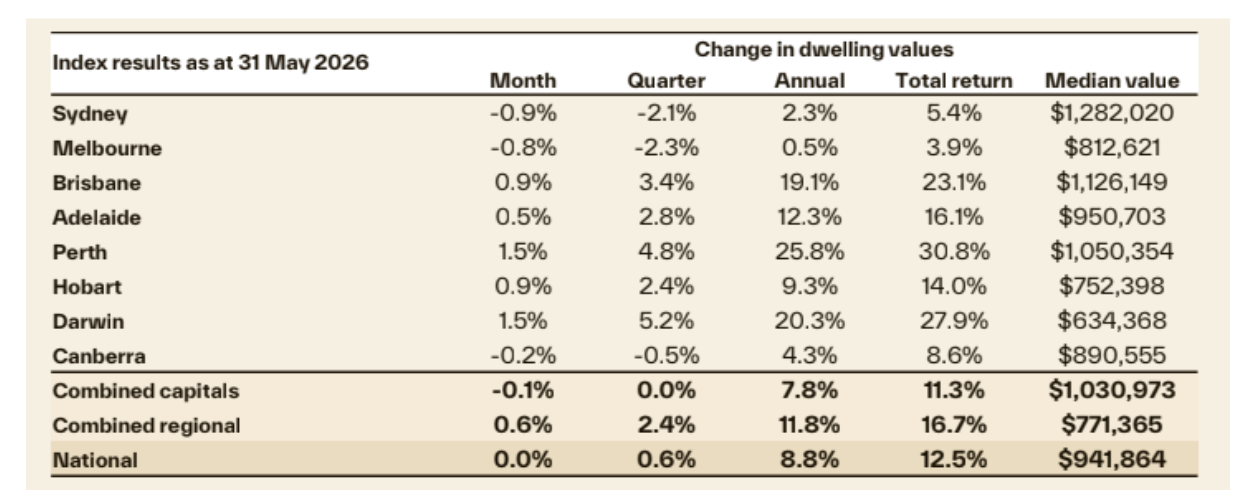
Sydney and Melbourne led the decline, with dwelling values falling 0.9 per cent and 0.8 per cent respectively over the month.
Sydney values are now 2.1 per cent below their November 2025 peak, while Melbourne values sit 3.2 per cent below their March 2022 high.
In contrast, Brisbane, Perth and Adelaide continued to record growth, although even the stronger-performing markets are beginning to show signs of slowing.
Perth again led the capitals, recording monthly growth of 1.5 per cent and annual growth of 25.8 per cent. Brisbane values increased 0.9 per cent in May and are now 19.1 per cent higher than a year ago, while Adelaide recorded a 0.5 per cent monthly rise and annua growth of 12.3 per cent.
Cotality Research Director Tim Lawless said Australia’s housing market continues to operate at vastly different speeds depending on location.
“We are continuing to see multi-speed conditions across Australia’s housing sector, with Perth and Melbourne at opposite ends of the spectrum,” Lawless said.
“The past five years have seen these cities diverge sharply, with Perth values up a stunning 91.4 per cent while Melbourne home values are only 3.3 per cent higher since May 2021.”
Lawless said while the pace of value growth remains highly varied between cities, a common trend is emerging.
“While the speed of value change remains very different from city to city, the direction is becoming more consistent, with most markets losing momentum as demand-side headwinds intensify.”
The slowdown is becoming increasingly evident in transaction activity.
National home sales over the past three months were estimated to be 2.2 per cent lower than a year ago and 4.1 per cent below the five-year average.
Sydney and Melbourne recorded the sharpest declines in sales activity, down 17.0 per cent and 14.2 per cent respectively compared to the same period last year.
Lawless said higher listing volumes are shifting negotiating power back towards buyers.
“These are also the cities where advertised supply has risen to above average levels, providing more choice and better leverage for buyers,” he said.
The softer conditions come despite ongoing supply constraints across much of the country. Construction costs remain elevated and feasibility challenges continue to limit new housing delivery, even as governments in NSW and Victoria continue to implement planning reforms designed to accelerate approvals and increase apartment supply.
For the new apartment sector, the data highlights an increasingly important divide between established housing markets and the off-the-plan market.
While detached housing markets in Sydney and Melbourne continue to soften, the supply of new apartments remains well below the levels required to meet population growth and federal housing targets.
This imbalance is likely to continue supporting demand for new apartment stock, particularly in major urban centres where affordability pressures are forcing more buyers towards higher-density housing options.
The latest rental figures also reinforce the underlying strength of housing demand.
National rents increased another 0.6 per cent in May, taking annual rental growth to 5.9 per cent. Vacancy rates remain at just 1.5 per cent nationally, matching the record lows experienced during the post-pandemic migration surge.
Lawless said renters are increasingly reaching affordability limits.
“With renters dedicating around a third of their pre-tax income to rental payments, it’s uncertain how much longer this upswing in rents can last,” he said.
The housing slowdown is unfolding against a backdrop of improving inflation data and growing confidence that interest rates will remain on hold when the Reserve Bank meets in June.
Australia’s monthly inflation indicator has continued to trend lower in recent months, reinforcing market expectations that the RBA is unlikely to lift the cash rate again in the near term.
Financial markets and economists have increasingly shifted their focus towards the timing of future rate cuts rather than the prospect of further tightening.
While the RBA remains cautious about services inflation and housing-related costs, recent inflation outcomes have largely eased concerns that another rate rise would be required.
That is providing some support to housing sentiment, although affordability and borrowing capacity remain significant constraints.
For now, Cotality’s data suggests the housing market is entering a more subdued phase rather than facing a sharp correction.
Affordability pressures, weaker confidence and slower sales activity are weighing on demand, while population growth, tight rental markets and constrained housing supply continue to provide a floor underneath values.
The result is a housing market that remains highly fragmented, with Sydney and Melbourne continuing to cool, while Perth, Brisbane and Adelaide remain in growth mode, albeit at a slower pace than seen over the past two years.

From making unpopular decisions to learning when to listen, leaders from five businesses reveal what nobody prepared them for — and how running a company has challenged their expectations.

Technology and semiconductor shares fell sharply as investors questioned the debt financing the AI infrastructure boom and confronted higher rates and Chinese competition.
Mirvac’s 45-level Trielle has topped out at Yarra’s Edge, pairing riverfront apartments with wellness facilities, private dining and resident services.
3 min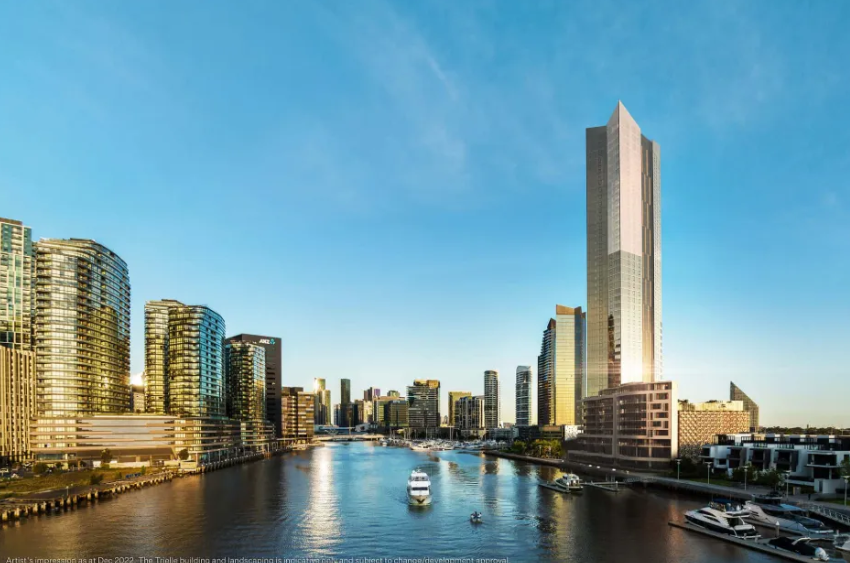
Mirvac has topped out Trielle at Melbourne’s Yarra’s Edge, with more than 70 per cent of the riverfront development sold and approximately 80 per cent of purchasers intending to make their apartment a home.
The figures, released on September 22, point to an owner-occupier audience for one of the precinct’s final residential towers. Mirvac began developing Yarra’s Edge in 2003, and its latest addition occupies one of the remaining absolute riverfront sites.
Mirvac CEO of Development Stuart Penklis said existing residents were among those moving up within the neighbourhood.
“Many purchasers already have a connection to Yarra’s Edge,” Mr Penklis said, describing buyers whose changing needs were encouraging an upgrade within the precinct.
“As one of the final residential towers within Yarra’s Edge, Trielle represents the culmination of more than two decades of creating one of Melbourne’s most established and sought-after waterfront communities,” Penklis said.
“Positioned on the Collins Street axis with absolute river frontage, Trielle offers residents a rare opportunity to enjoy sweeping views across the Yarra River, Melbourne skyline and Port Phillip Bay, while remaining seamlessly connected to the CBD. With Trielle now more than 70 per cent sold, we’re continuing to see strong demand from buyers seeking quality homes in established locations.”
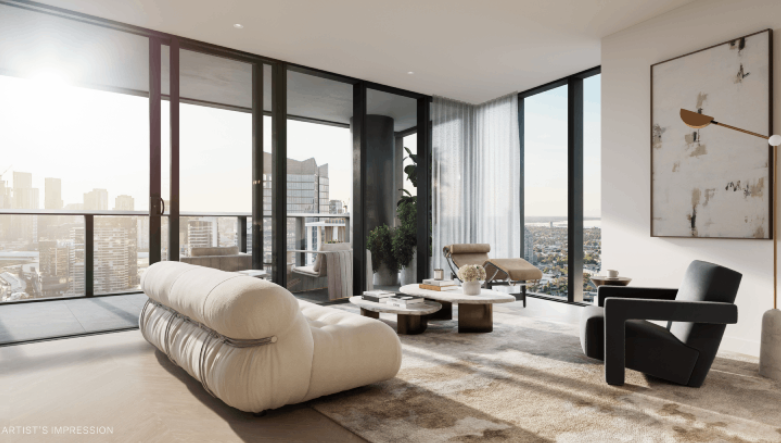
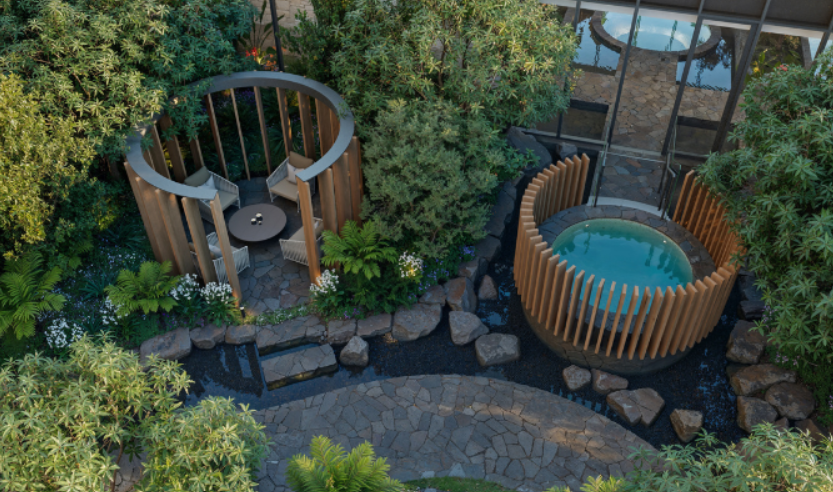
The developer also flagged a penthouse and sub-penthouse collection with larger layouts, premium finishes and broad outlooks. The planned wellness centrepiece, The Oasis, encompasses a 900-square-metre elevated urban rainforest.
Mirvac General Manager Residential Development Victoria Elysa Anderson said Trielle had resonated strongly with buyers seeking a rare lifestyle offering in Melbourne.
“Opportunities to secure a new luxury residence on a riverfront site of this calibre are incredibly rare, particularly within a community like Yarra’s Edge,” Anderson said.
“What makes Trielle unique is the combination of exceptional views, world-class residential facilities and the lifestyle that already exists around it. Residents are buying into a mature waterfront community with parks, promenades, dining, wellness and strong community connections already in place.”
The 45-level tower brings a substantial new presence to that waterfront. Its residential offering spans one-, two-, three- and four-bedroom apartments, with Signature, Prestige and Sub-Penthouse collections accommodating different household sizes. The north-facing position connects the apartments visually to the river and city beyond.
Seven storeys above the promenade, the planned Oasis combines planting and a running stream with a Scandinavian-inspired wellness club developed with spa specialist Naomi Gregory. Facilities include a 25-metre lap pool, hot magnesium pool, sauna, hydrotherapy, a gym, yoga and Pilates room, and treatment spaces.
The amenity extends beyond exercise. Residents will have access to The Biblioteca library and workspaces, ground-floor work pods, and The Salone piano lounge. A private Chef’s Table dining room offers a setting for larger gatherings, while a cinema, games room and sports lounge broaden the entertaining options. Concierge services and a dog-wash area support everyday routines.
Trielle comprises a collection of one, two, three and four-bedroom residences. Reflecting strong demand from owner occupiers, approximately 80 per cent of purchasers to date intend to live in their homes, highlighting the project’s appeal to those seeking a long-term waterfront lifestyle.
Mirvac has recently delivered The Albertine, a premium apartment development on the edge of Melbourne’s CBD, and is nearing completion of Prince & Parade in Brunswick, further strengthening its portfolio of thoughtfully designed apartment communities in some of Melbourne’s most sought-after urban locations.
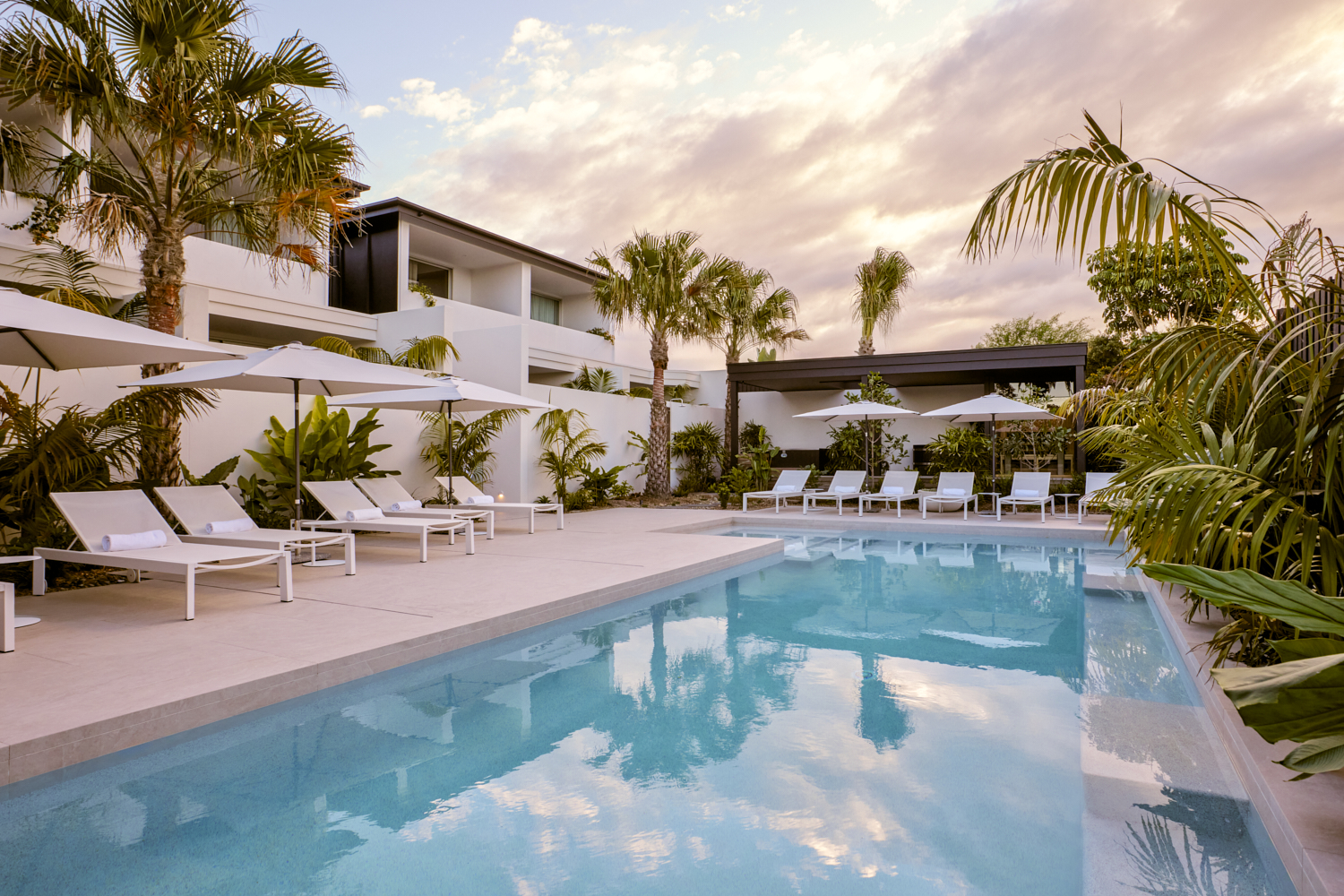
When the Writers Festival was called off and the skies refused to clear, one weekend away turned into a rare lesson in slowing down, ice baths included.
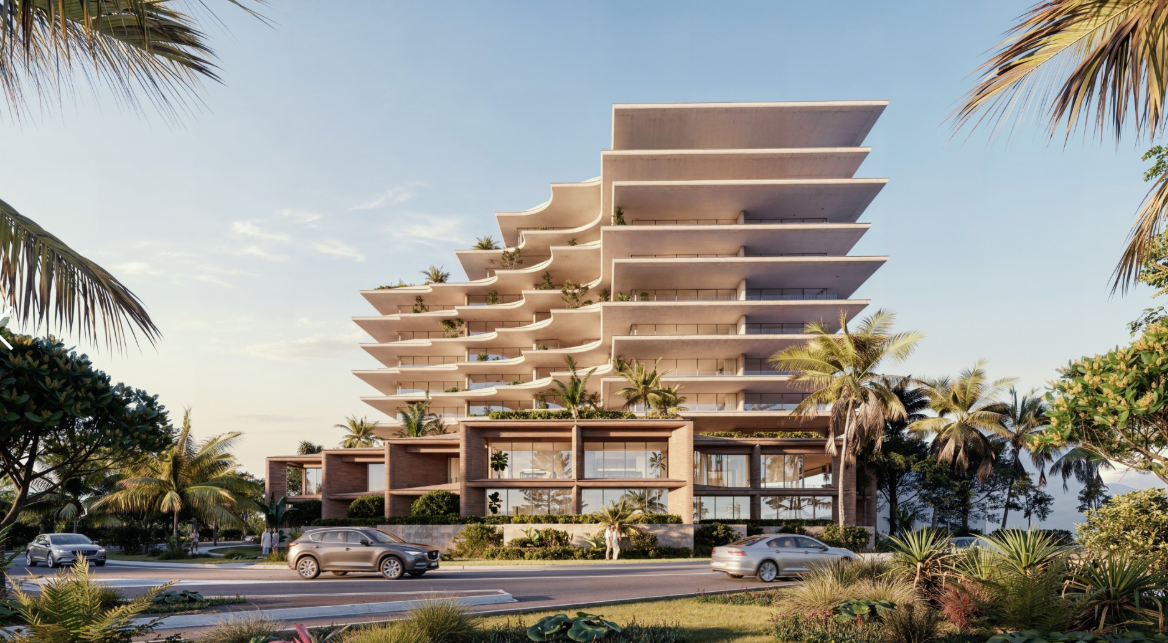
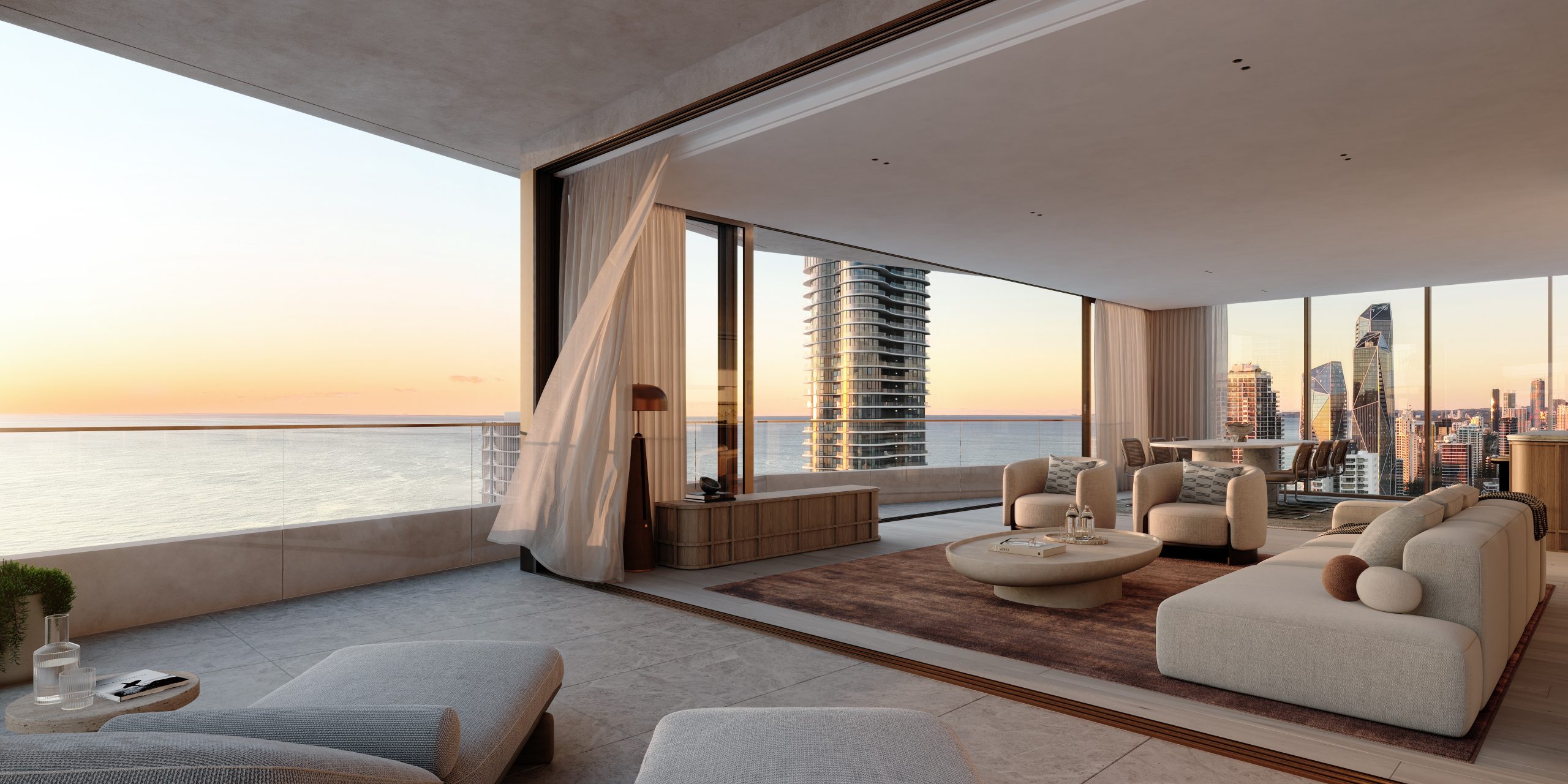
Queensland-based builder-developer MAYD has unveiled an exclusive first look at its anticipated ultra-luxury North Kirra mixed-use project as it lodges a minor amendment with the City of Gold Coast Council. The project sits across a 4,742sqm amalgamated landholding spanning seven parcels at 2–6 Pacific Parade and 27–33 Golden Four Drive, Bilinga, which MAYD secured in …
Continue reading “MAYD”s North Kirra Plans Unveiled Ahead of Early 2027 Launch”