

Amid Geopolitical Concerns, Major Philanthropy Continues to Forge Ahead…Creatively

 3 min
Even amid two international conflicts and an upcoming U.S. presidential election, some philanthropic leaders are optimistic about the direction of overall giving through 2024.
Penta spoke with heads of several non-profits and leading philanthropists to gauge whether charitable giving will continue its reported slump from 2023 or rebound alongside renewed interest in various political and economic issues.
“Contrary to what some might expect, philanthropy has had resilience in these times,” says Stacy Huston, executive director of Sixdegrees.org, a youth empowerment non-profit based in Virginia founded by actor Kevin Bacon in 2007.
Huston’s view echoes recent data from the biennial Bank of America Study of Philanthropy published last year, which found that while affluent giving is largely down, the value of the average philanthropic gift is up 19%, surpassing pre-pandemic levels.
The notion of what these gifts look like is changing, and is partially responsible for the growth. Philanthropy can be executed through more avenues than ever, whether through celebrity association, tech titans stewarding large endowments, or athletes using their platforms to advocate for and create meaningful change.
“The industry and movement is creating new models, and you want to get it right,” says Scott Curran, CEO of Chicago-based Beyond Advisers. “No one should take their foot off the gas pedal.”
Curran spent a number of years with the Clinton Foundation in its infancy before leaving in 2016 to open his own consultancy, which focuses on philanthropy strategy at the highest levels. Curran and his team work with celebrities, athletes, multi-generational family foundations, and other affluent givers who need guidance in directing their philanthropic efforts. It’s a growing area of interest: Over half of affluent households with a net worth between US$5 million and US$20 million have, or are planning to establish, “some kind of giving vehicle” within the next three years, according to the Bank of America report.
Corporate philanthropy, rather than individual giving, is the cornerstone of Marcus Selig’s work as chief conservation officer at the National Forest Foundation, a Congressionally chartered non-profit based in Montana responsible for protecting millions of acres of public lands.
“Our outlook is business as usual,” he says, advising that giving may slow down, but not enough for the foundation to change course.
Factors such as political polarisation in the U.S. and the wars in Eastern Europe and the Middle East are pushing nonprofits to consider their niche, and how they might work with other groups, both on the corporate and philanthropic levels, Selig says.
“It leads to a little more sharing on the ground in what needs to be done,” he adds.
Steve Kaufer , founder of Massachusetts-headquartered e-commerce giving platform Give Freely and founder of TripAdvisor, says that the economy has a much bigger role in election years, as he looks to build and grow something that can act as a “counterbalance.”
“There’s a trend towards democratisation, and acting collectively can lead to greater impact,” he says.
Kaufer’s new platform hopes to leverage the everyday philanthropist through online shopping dollars to benefit major charity partners like UNICEF and charity:water, who earn funds as shoppers choose an organisation to benefit through an online clickthrough process.
“Whether a good year or bad year, e-commerce will continue to keep growing,” he says. “Nobody doubts that.”
Whether a legacy foundation, corporation or individual, the political landscape this year is requiring some to exercise caution as they consider what their own charitable actions might be and how it could be viewed more broadly. For the personal philanthropist, every move is now scrutinised more closely. On the nonprofit side, entities are exercising more due diligence to understand if a specific donor aligns with their mission and that there aren’t any underlying issues that could cause greater pushback.
“You have to be able to walk the walk,” Huston says. “For example, we’ve had to turn down very large donor checks from corporations because there’s a Reddit stream calling them out on their human rights practices.”
She adds that even a routine charity activation could now be aligned with a political party, and that adds complexities to how a higher-profile organisation like Six Degrees can activate, especially as the film Footloose turns 40 in 2024 (which Bacon starred in).
“A lot of organisations and states want to align themselves with this feel good moment, and we should be able to stand side by side with everyone, but we have to be aware,” she says.
Another topic attracting donor interest today is mental health, an area that historically has been underfunded and under-resourced by philanthropy, according to Two Bridge partner Harris Schwartzberg, who has been closely linked to the mental health space for more than a decade.
Today, the issue for mental health nonprofits is less about resources and more about societal divisiveness and polarisation around the topic. There’s an “overwhelming demand” for solutions, but the space is in a “perfect storm” for the broader political issues to make things worse, Schwartzberg says.
In Curran’s opinion, the storms brewing are troublesome, but they are also creating new opportunities for corporate and personal giving. The current state of philanthropy is one of “dynamic, expansive, and blurred lines,” meaning a careful blending of targeted giving combined with an understanding of the broader geopolitical landscape could lead to a successful overall philanthropic strategy.
“There are a lot of headlines that distract, but shouldn’t,” he says. “2024 needs more serious philanthropists than ever.”
 Copyright 2020, Dow Jones & Company, Inc. All Rights Reserved Worldwide. LEARN MORE


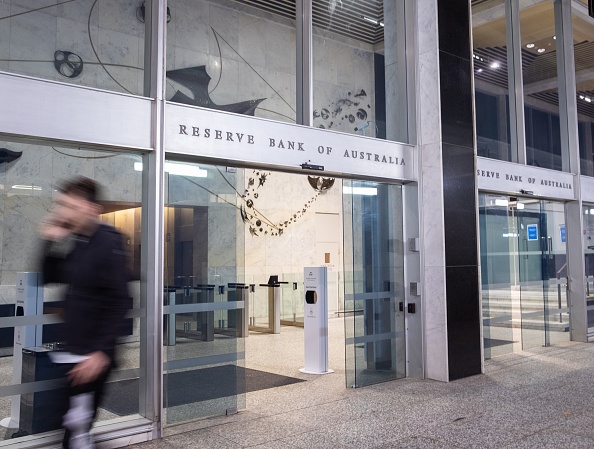
Unemployment hit 4.9% in October, but with inflation at 4.3% the big four aren’t tipping a February RBA cut. Here’s what CBA, Westpac and NAB say.

Dutch studio Vripack took cues from a Shirley Temple song for Lollipop, a 37.4-metre Moonen superyacht built for long-range cruising.


Nvidia shares jumped more than 30% and the Nasdaq rose almost 7% after the board unanimously reinstated Jensen Huang as CEO, 11 days after he resigned.
2 min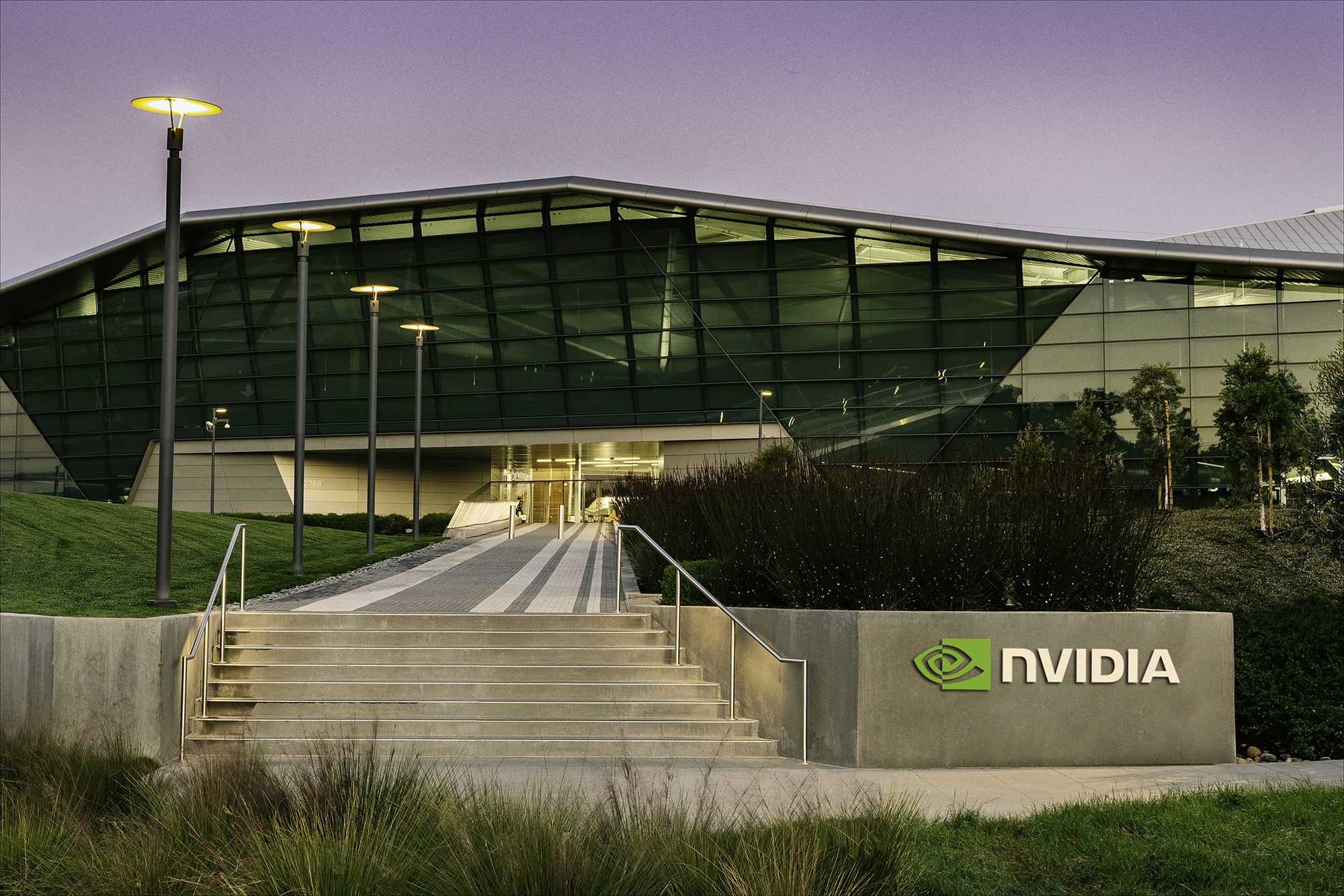
Nvidia’s board has reversed course and brought its co-founder back. The decision sparked Wall Street’s best day in more than 18 months.
Less than a fortnight after Jensen Huang resigned, Nvidia has put him back in charge. On Monday US time, the chipmaker said its board had voted unanimously to reinstate Huang as president, chief executive and a board director, effective immediately.
The market’s response was immediate. Nvidia shares were up more than 30 per cent in pre-market trading and kept climbing, recovering nearly all the ground lost since his resignation. The rally spread across the AI trade: the Nasdaq Composite closed up 6.9 per cent, and Micron and CoreWeave each gained roughly 20 per cent. All three major US indexes had finished the previous week in correction territory.
Eleven days that shook the AI trade
Huang resigned on 12 November, after revelations of extramarital affairs that included one with a businesswoman US authorities suspected of spying for China. Beijing denied the spying allegations. CFO Colette Kress stepped in as interim CEO and Harvey C. Jones became the board’s first chair. Nvidia shares fell nearly 23 per cent in the week that followed, and the board had ruled out his return only days before reversing course.
In its statement, Nvidia said the board was satisfied with Huang’s candour and ability to lead after a series of meetings with him. It also said it had taken input from senior levels of the US government and, based on that input, was confident his return poses no national security risk.
“I take this responsibility with the greatest humility and renewed commitment,” Huang said.
Governance strings attached
The return comes with conditions. A committee of independent directors, with its own counsel, will keep investigating reports that Huang was the target of a foreign intelligence effort, and Huang has said he will cooperate. The board is also setting up a National Security and Export Control Committee, and is recruiting a new chief compliance officer who will report to the board’s governance committee. Kress goes back to being CFO, and Jones stays as chair.
The politics are messier. President Donald Trump said he had spoken to the board and “convinced” it to act. Democrats Elizabeth Warren and Raja Krishnamoorthi criticised the decision, and Republican senator John Cornyn questioned the basis of the national security assurance. Separately, the SEC and the Department of Justice are investigating the company over possible accounting issues and alleged chip smuggling.
What it means for investors
The last fortnight showed how much of the AI trade rests on one company, and how much of that company’s value rests on one person. The rebound removes the most immediate question of who leads Nvidia. It doesn’t settle the investigations or the governance concerns.
Australian investors have exposure through global tech ETFs, super funds’ international equity holdings and ASX-listed data centre and AI infrastructure plays, so expect a lift in local trade today. Whether it lasts depends on whether last week’s sell-off was about Huang alone, or about broader nerves over AI valuations.
Dutch studio Vripack took cues from a Shirley Temple song for Lollipop, a 37.4-metre Moonen superyacht built for long-range cruising.
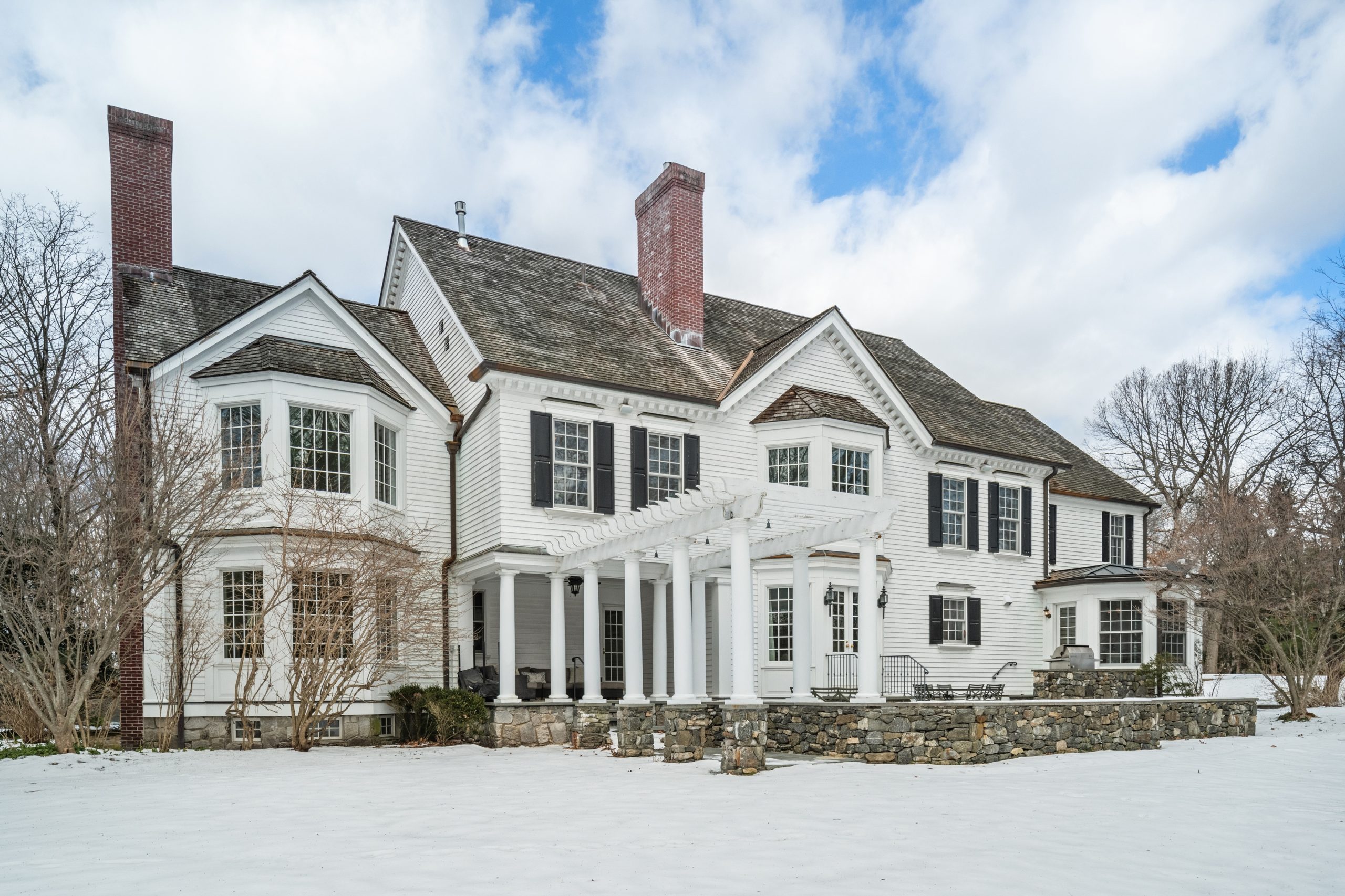
A haven for hedge-fund titans and Hollywood grandees, Greenwich is one of the world’s most expensive residential enclaves, where eye-watering prices meet unapologetic grandeur.