MARSHALL WHITE DIRECTOR LISTS $9M ESTATE
Prestige property veteran John Bongiorno is selling his sprawling Mornington Peninsula retreat, Musk Ridge Farm, complete with a pool, guest quarters and sweeping coastal views.
 2 min
2 min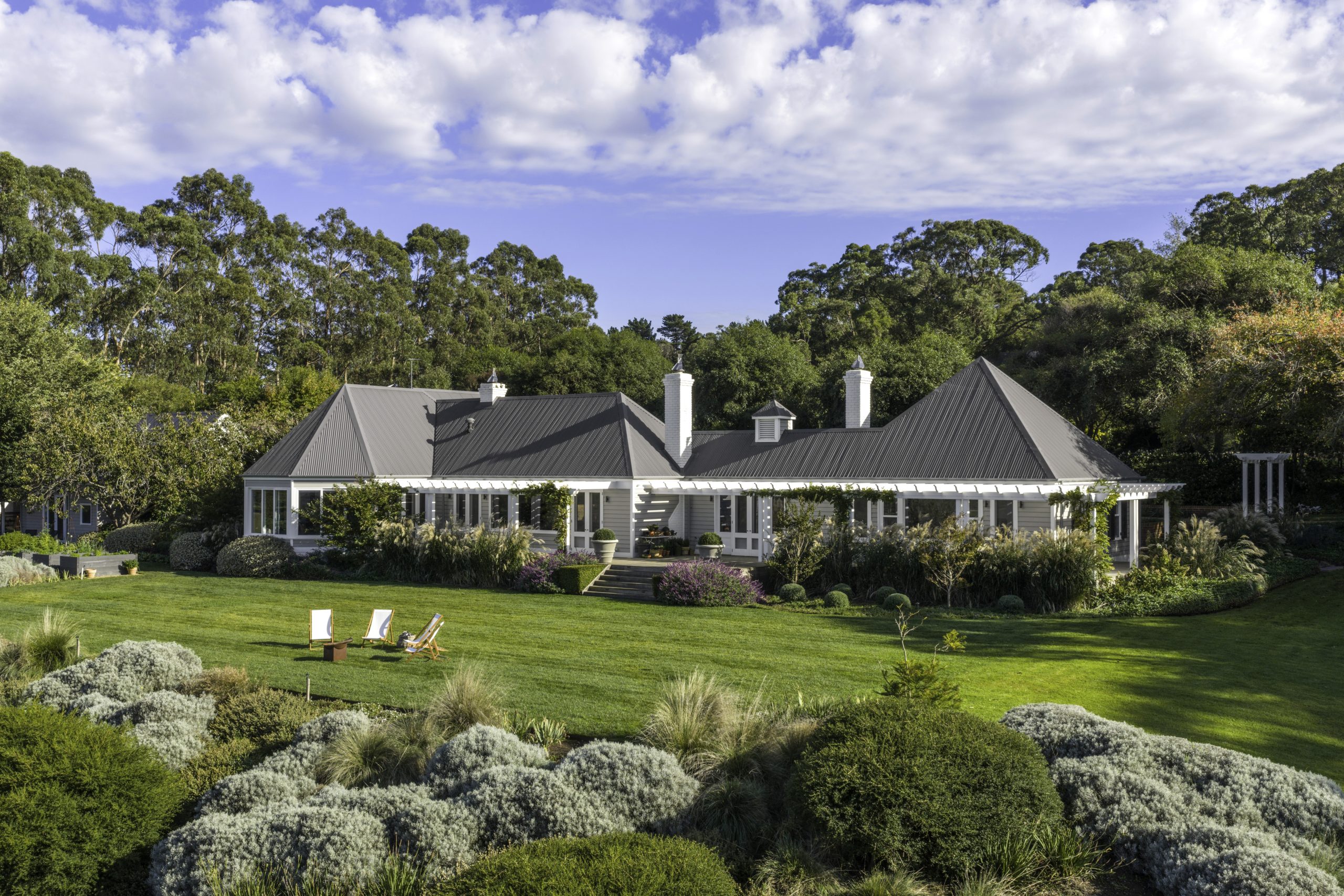

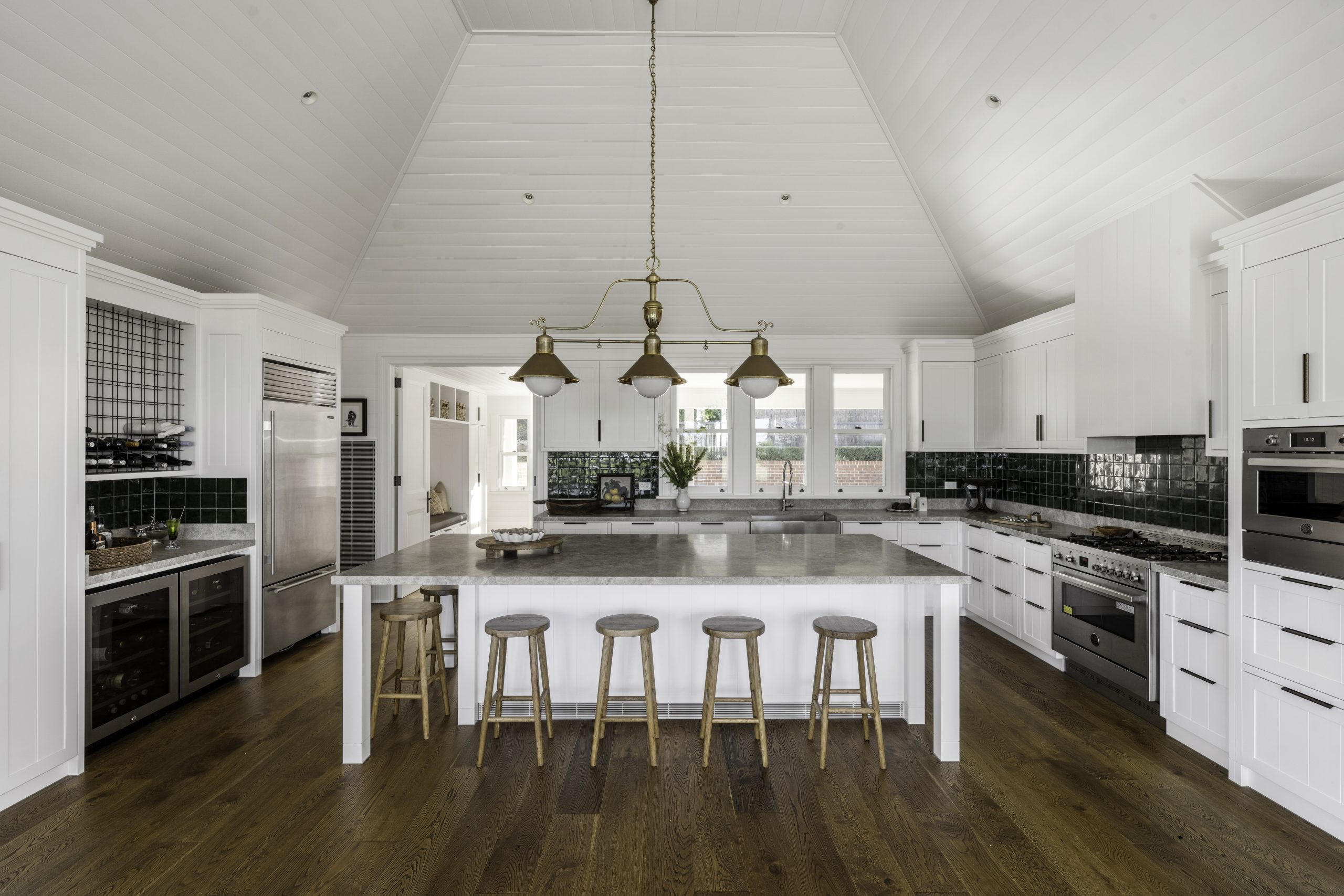
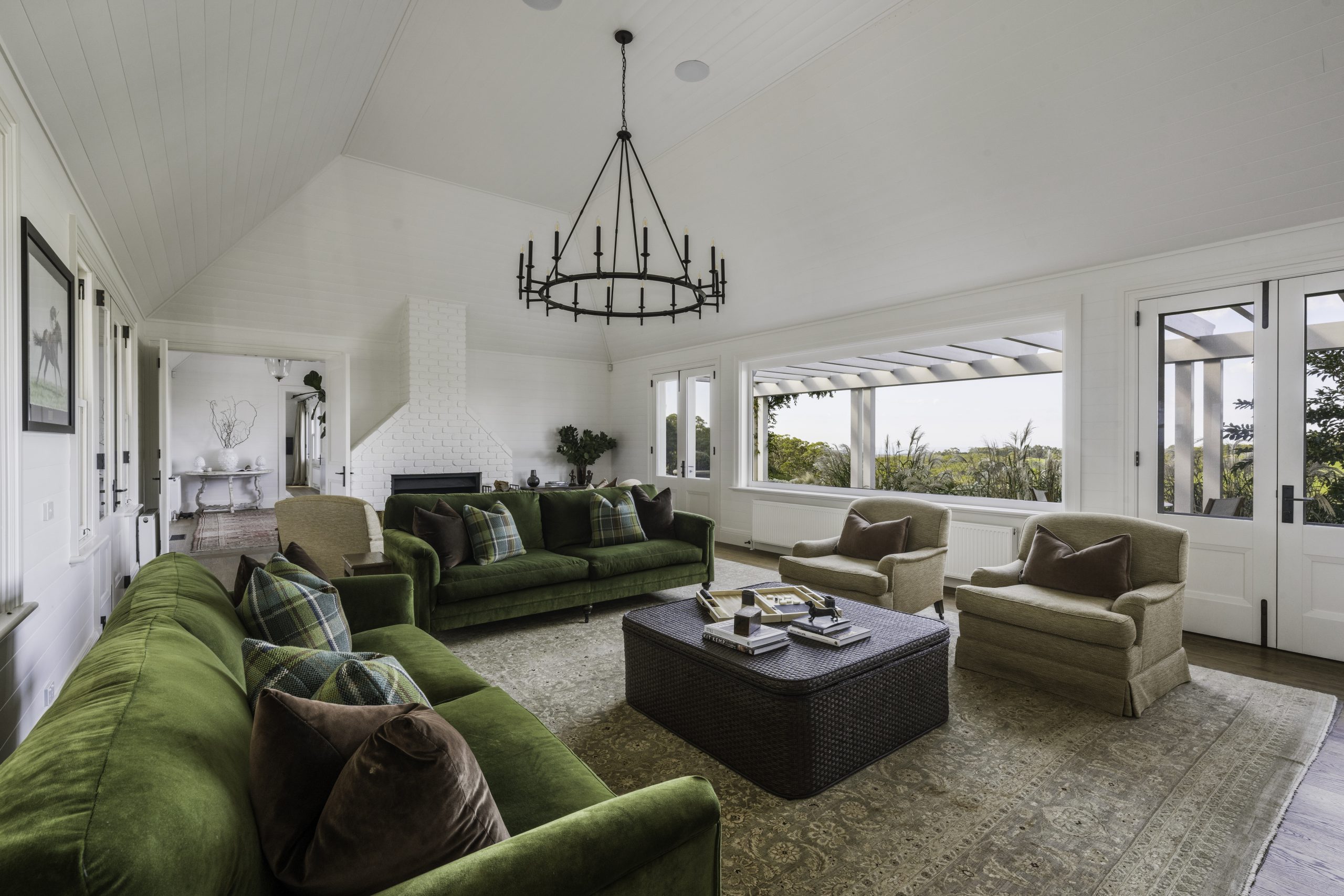
When introducing the 2026 Marshall White Prestige Property Index, the company’s group sales director, John Bongiorno, said he had high hopes for the luxury real estate market.
This positive outlook may have influenced his decision to sell his own home, Musk Ridge Farm. The 8ha Mornington Peninsula property has come to market with a price guide of $9 million to $9.5 million.
“Looking ahead, international influences are likely to remain an important factor shaping Melbourne’s prestige market throughout 2026,” he wrote.
“Australia’s reputation as a stable and desirable place to live will continue to attract strong interest from expatriate buyers returning home, and we are already seeing an increase in enquiries from this group, particularly for properties in Melbourne’s most established school zones and blue-chip suburbs.”
No doubt the company director expects demand to extend into regional Victoria. His
Flinders estate, which has pastoral and bushland views to the waters of Westernport and Phillip Island, last traded in 2017 for $4 million.
Its 2026 price guide is in line with other recent Flinders transactions. In late 2025, 2275 Mornington Flinders Rd sold for about $8.75 million, and 88 King St sold for $12.25 million.
Bongiorno’s landmark peninsula property was designed by architect Stephen Akehurst to create a coast-meets-country lifestyle estate for avid entertainers or weekend guest retreats.
The private seven-bedroom, eight-bathroom residence features manicured English-style gardens, a self-cleaning mosaic-tiled pool and spa, converted stable guest quarters, a separate games room with bar, a barbecue pavilion, and a self-contained manager’s cottage.
With more than four decades of prestige-market experience, Bongiorno says the same guidance he gives clients has shaped his own property decisions: desirable locations and long-term lifestyle appeal will sustain high demand.
“Regardless of market conditions, quality real estate fundamentals remain the most important consideration. For me, that has always been about location, quality of construction and a home’s ability to stand the test of time,” Bongiorno says.
“Homes that consistently perform over the long term are those positioned in tightly-held locations with genuine lifestyle appeal and quality design that will remain relevant for years to come.”
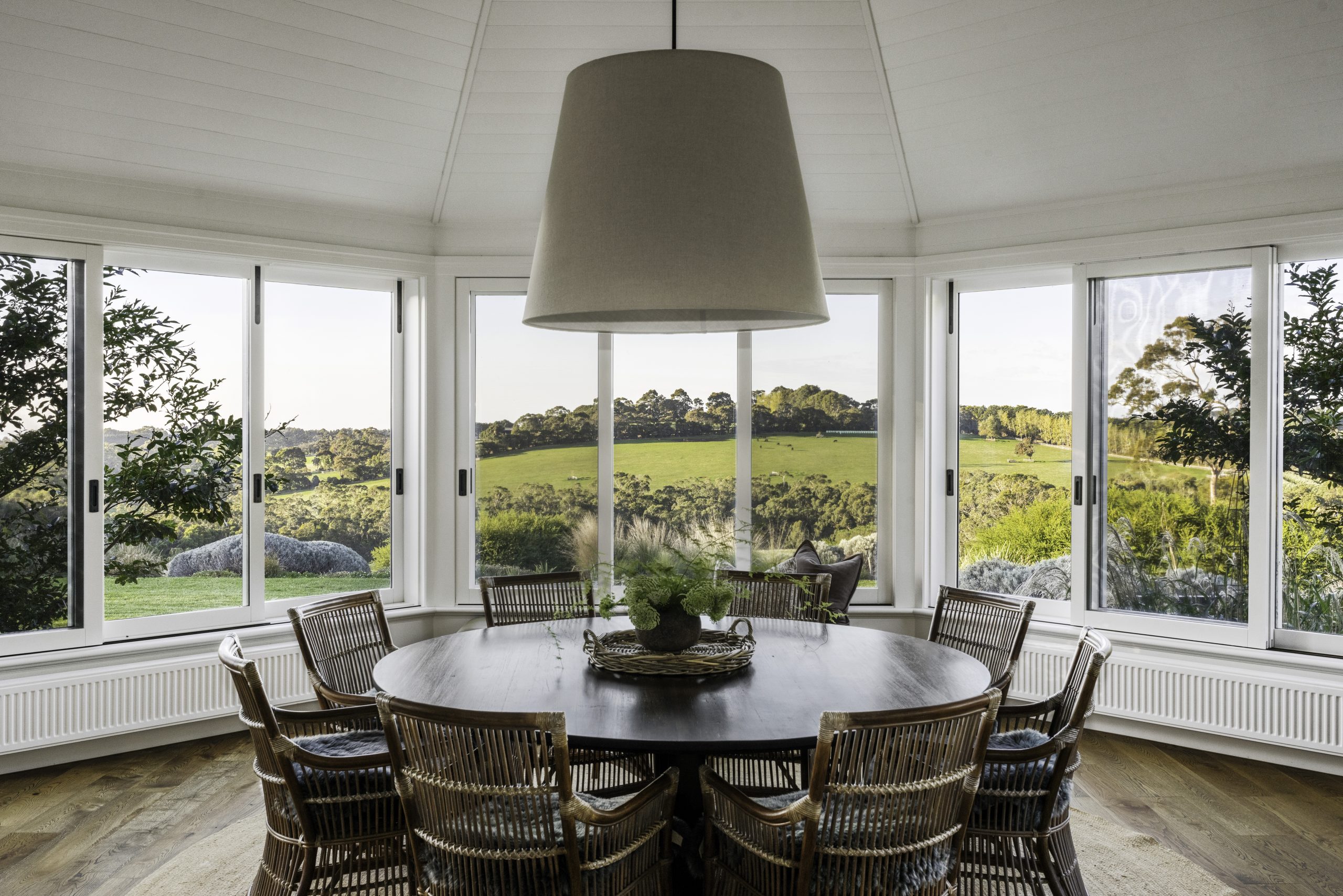
His Hamptons-style homestead features spacious interiors and designer elements, including a large entry foyer, American Oak floors, high ceilings, and multiple French doors opening onto patios and terraces. Modern amenities include hydronic heating, integrated cooling, smart home technology, and CCTV security.
The palatial main living zone is bookended by twin open fireplaces and crowned by a central iron-ring chandelier. A glass conservatory dining area captures the natural backdrop, and a quartz stone kitchen features a big island bench, Bertazzoni appliances, a butler’s pantry, a SubZero fridge/freezer, and two Vintec wine fridges.
Off the kitchen, there is also a mudroom, a powder room, a bathroom, and a commercial-grade laundry.
The ground-floor main bedroom suite includes two walk-through wardrobes, a shower ensuite, a fireplace, and access to the wraparound veranda. Upstairs, there are two additional bedrooms with en-suites and built-in wardrobes, along with a study area.
Outside, beyond the pool terrace and barbecue pavilion, the grounds feature fenced paddocks, a spring-fed dam, an automatic front gate, a machinery shed, a double garage, plus multiple driveway parking bays.
Bordered by the Main Ridge Nature Conservation Reserve and Manton Creek, Musk Ridge Farm is close to Red Hill and Flinders townships, and is surrounded by world-class wineries, golf courses, and the peninsula’s popular beaches.

From making unpopular decisions to learning when to listen, leaders from five businesses reveal what nobody prepared them for — and how running a company has challenged their expectations.

Technology and semiconductor shares fell sharply as investors questioned the debt financing the AI infrastructure boom and confronted higher rates and Chinese competition.

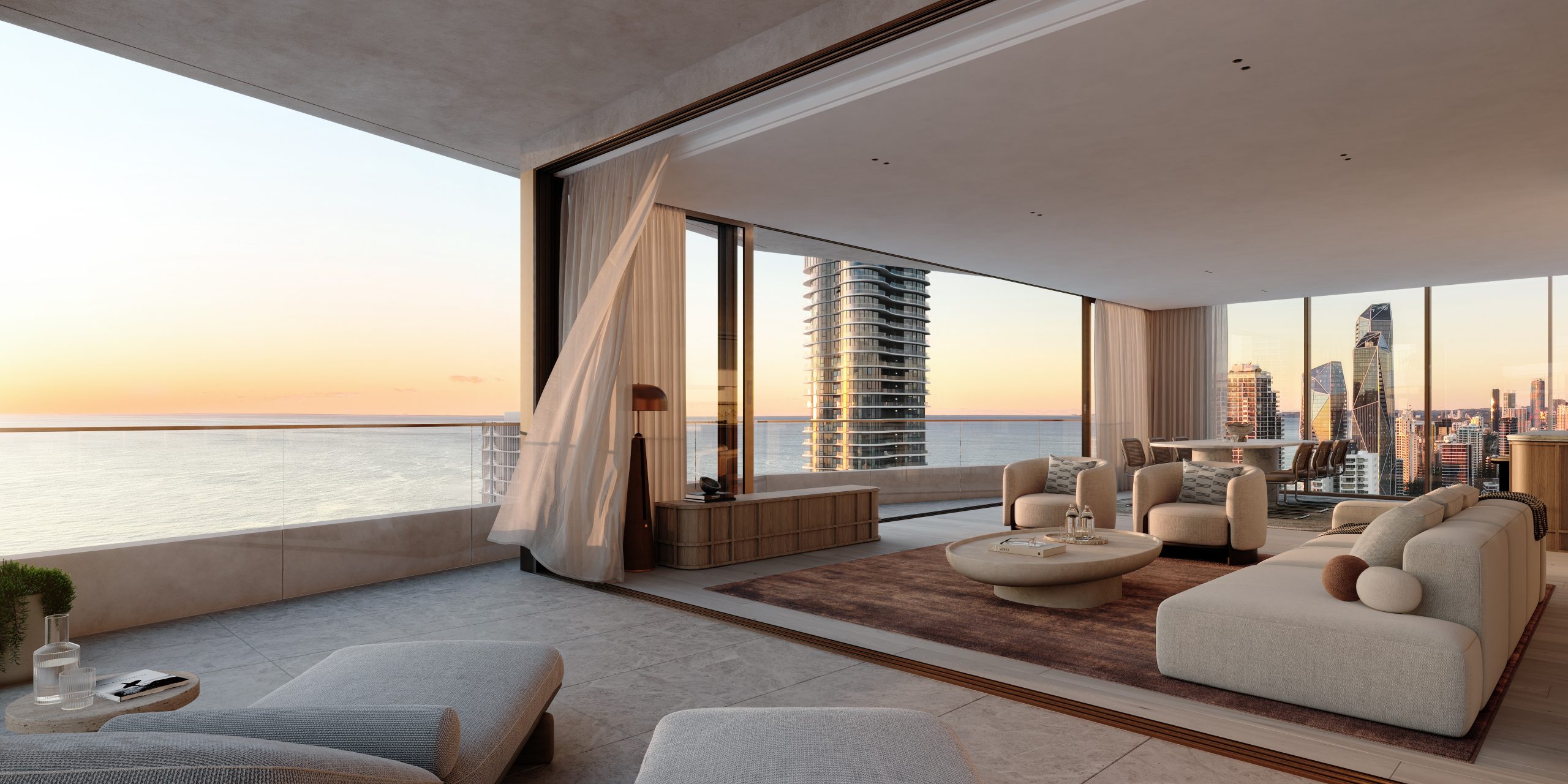
Mirvac’s 45-level Trielle has topped out at Yarra’s Edge, pairing riverfront apartments with wellness facilities, private dining and resident services.
3 min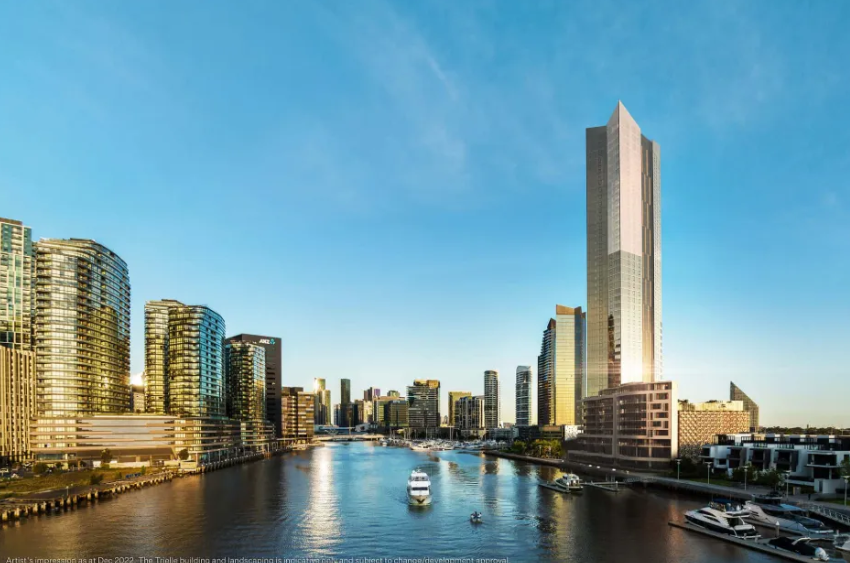
Mirvac has topped out Trielle at Melbourne’s Yarra’s Edge, with more than 70 per cent of the riverfront development sold and approximately 80 per cent of purchasers intending to make their apartment a home.
The figures, released on September 22, point to an owner-occupier audience for one of the precinct’s final residential towers. Mirvac began developing Yarra’s Edge in 2003, and its latest addition occupies one of the remaining absolute riverfront sites.
Mirvac CEO of Development Stuart Penklis said existing residents were among those moving up within the neighbourhood.
“Many purchasers already have a connection to Yarra’s Edge,” Mr Penklis said, describing buyers whose changing needs were encouraging an upgrade within the precinct.
“As one of the final residential towers within Yarra’s Edge, Trielle represents the culmination of more than two decades of creating one of Melbourne’s most established and sought-after waterfront communities,” Penklis said.
“Positioned on the Collins Street axis with absolute river frontage, Trielle offers residents a rare opportunity to enjoy sweeping views across the Yarra River, Melbourne skyline and Port Phillip Bay, while remaining seamlessly connected to the CBD. With Trielle now more than 70 per cent sold, we’re continuing to see strong demand from buyers seeking quality homes in established locations.”
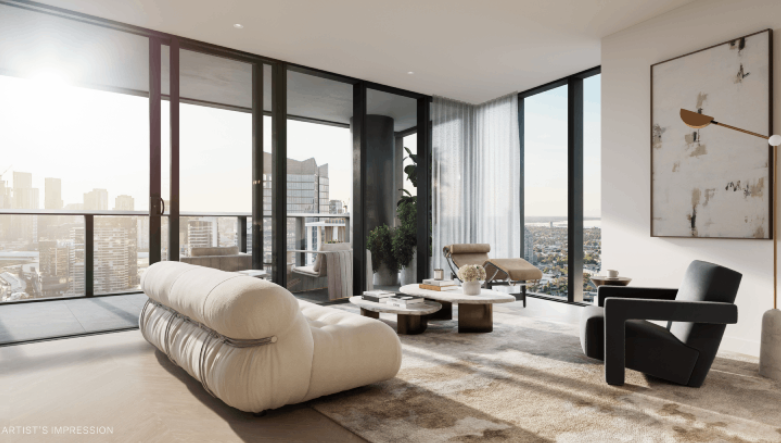
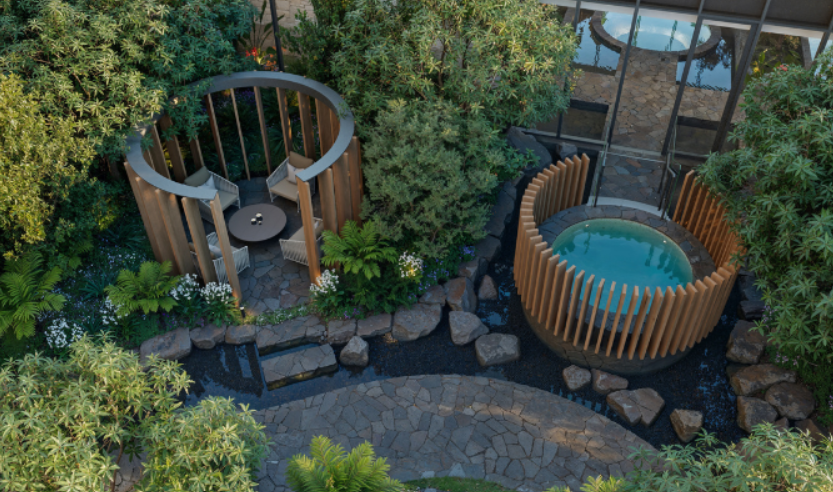
The developer also flagged a penthouse and sub-penthouse collection with larger layouts, premium finishes and broad outlooks. The planned wellness centrepiece, The Oasis, encompasses a 900-square-metre elevated urban rainforest.
Mirvac General Manager Residential Development Victoria Elysa Anderson said Trielle had resonated strongly with buyers seeking a rare lifestyle offering in Melbourne.
“Opportunities to secure a new luxury residence on a riverfront site of this calibre are incredibly rare, particularly within a community like Yarra’s Edge,” Anderson said.
“What makes Trielle unique is the combination of exceptional views, world-class residential facilities and the lifestyle that already exists around it. Residents are buying into a mature waterfront community with parks, promenades, dining, wellness and strong community connections already in place.”
The 45-level tower brings a substantial new presence to that waterfront. Its residential offering spans one-, two-, three- and four-bedroom apartments, with Signature, Prestige and Sub-Penthouse collections accommodating different household sizes. The north-facing position connects the apartments visually to the river and city beyond.
Seven storeys above the promenade, the planned Oasis combines planting and a running stream with a Scandinavian-inspired wellness club developed with spa specialist Naomi Gregory. Facilities include a 25-metre lap pool, hot magnesium pool, sauna, hydrotherapy, a gym, yoga and Pilates room, and treatment spaces.
The amenity extends beyond exercise. Residents will have access to The Biblioteca library and workspaces, ground-floor work pods, and The Salone piano lounge. A private Chef’s Table dining room offers a setting for larger gatherings, while a cinema, games room and sports lounge broaden the entertaining options. Concierge services and a dog-wash area support everyday routines.
Trielle comprises a collection of one, two, three and four-bedroom residences. Reflecting strong demand from owner occupiers, approximately 80 per cent of purchasers to date intend to live in their homes, highlighting the project’s appeal to those seeking a long-term waterfront lifestyle.
Mirvac has recently delivered The Albertine, a premium apartment development on the edge of Melbourne’s CBD, and is nearing completion of Prince & Parade in Brunswick, further strengthening its portfolio of thoughtfully designed apartment communities in some of Melbourne’s most sought-after urban locations.

A 30-metre masterpiece unveiled in Monaco brings Lamborghini’s supercar drama to the high seas, powered by 7,600 horsepower and unmistakable Italian design.

A survey of people with at least $1 million in investable assets found women in their 30s and 40s look nothing like older generations in terms of assets and priorities