TikTok Backlash as Congress Heads for Vote to Force Sale

 2 min
2 min
TikTok urged its users to call Congress and lawmakers to drop a bill that could ban the popular video-sharing app in the U.S., and those users listened.
But the plan backfired. Instead of dropping the bill, which was introduced just two days ago, the House Energy and Commerce Committee approved it in a 50-0 vote Thursday afternoon. House Majority Leader Steve Scalise said he’s bringing it to a floor vote.
That was after beleaguered house staffers across the Capitol grounds endured hours of office phones ringing off the hook in an all-out push from TikTok users.
While TikTok the company has criticised efforts to ban it or crack down on it, this week’s legislative move prompted the social media company to appeal directly to users.
“TikTok is at risk of being shut down in the U.S. Call your representative now,” the app told its users when they logged into their accounts.
The app asked users to enter their ZIP codes and then directed them to their local congressional representatives.
TikTok was responding to a measure proposed Tuesday by Reps. Mike Gallagher (R, Wisc.) and Raja Krishnamoorthi (D, Ill.), co-chairs of the House Select Committee on the Chinese Communist Party, that claims TikTok “poses a grave threat to U.S. national security.”
TikTok, based in Singapore, is owned by China-based ByteDance, and that’s what lawmakers object to. The measure focuses on “foreign adversary controlled applications.” It would require ByteDance to divest of TikTok about five months after the law is passed, or risk being removed from app stores in the U.S.
That would make it illegal to distribute TikTok through any U.S. app store or from any U.S. web-hosting platform. TikTok says that is effectively a ban of the platform.
A TikTok spokesperson told Barron’s that “This legislation has a predetermined outcome: a total ban of TikTok in the United States.”
“The government is attempting to strip 170 million Americans of their Constitutional right to free expression,” spokesperson Alex Haurek said. “This will damage millions of businesses, deny artists an audience, and destroy the livelihoods of countless creators across the country.”
TikTok CEO Shou Zi Chew and others have repeatedly insisted that ByteDance and TikTok aren’t controlled by the Chinese government or Chinese Communist Party, and that U.S. user data is stored securely in Singapore and the U.S.
Krishnamoorthi said on X that TikTok has “launched a massive propaganda campaign, requiring users to call their representatives, and falsely labelling our legislation a ‘total ban’ of TikTok.”
“Phones are completely bogged down hearing from students, young adults, adults, and business owners who are all concerned at the option of losing their access to the platform,” a Republican aide told Axios.
The National Security Council has called the bill “an important and welcome step” to addressing risks to sensitive U.S. data, and the White House has said that if Congress passes it, President Joe Biden would sign it.
 Copyright 2020, Dow Jones & Company, Inc. All Rights Reserved Worldwide. LEARN MORE




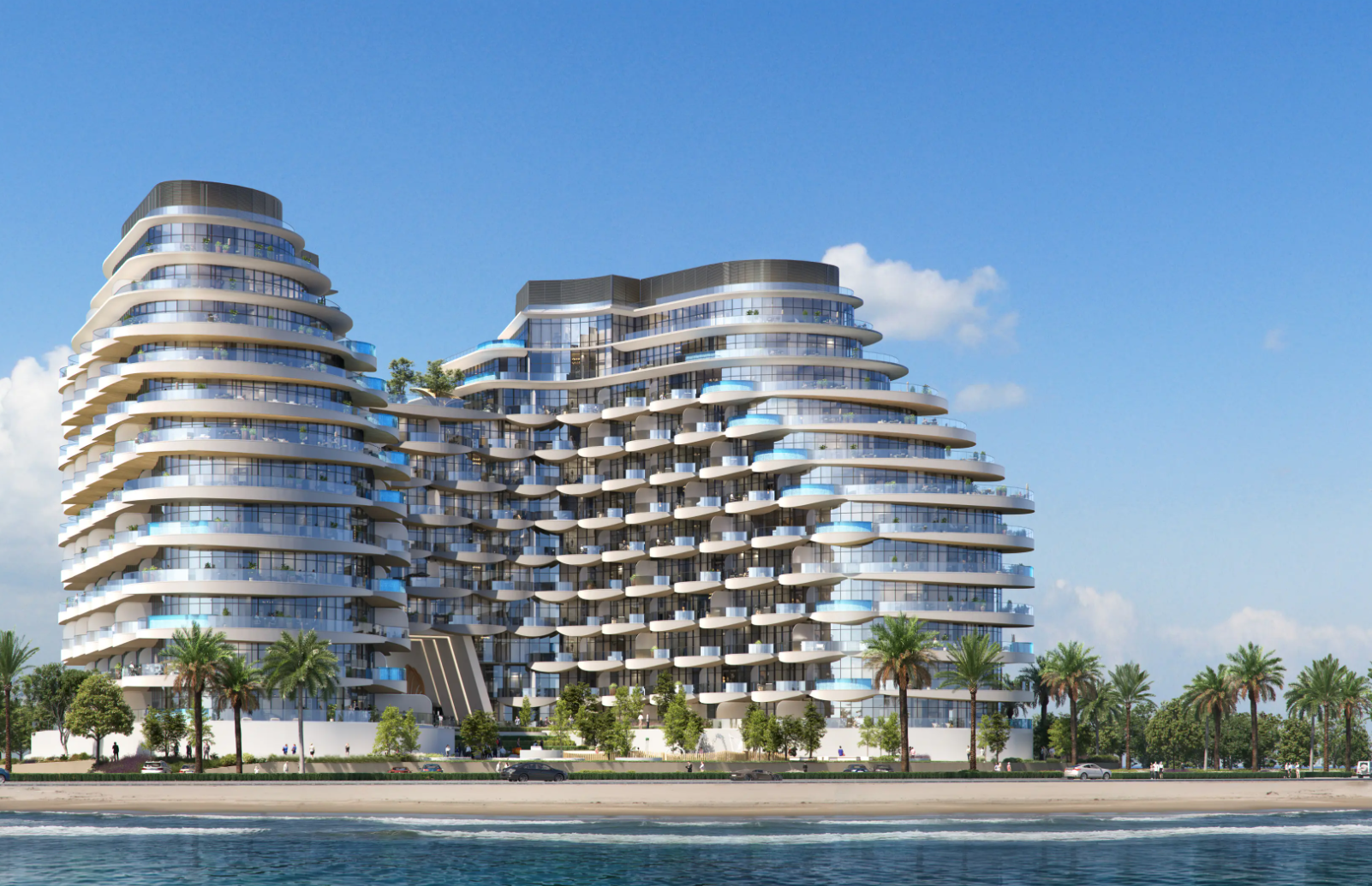
BNW Developments has established a Sydney presence, joining Arada and Sobha Realty among the growing number of UAE developers pursuing Australian buyers and development opportunities.

Australian shares fell on Thursday as Wall Street weakness, rising oil and persistent rate concerns weighed on most of the market. The S&P/ASX 200 declined 0.72 per cent to 8,702. The All Ordinaries lost 0.66 per cent to finish at 8,897. Mining stocks were hit particularly hard, while real estate also dragged on the index. …
Continue reading “ASX falls 0.7 per cent as miners and property stocks retreat”

 2 min
2 minAustralian shares fell on Thursday as Wall Street weakness, rising oil and persistent rate concerns weighed on most of the market.
The S&P/ASX 200 declined 0.72 per cent to 8,702. The All Ordinaries lost 0.66 per cent to finish at 8,897. Mining stocks were hit particularly hard, while real estate also dragged on the index.
Energy was the notable exception, gaining more than one per cent as Brent crude traded above US$103 a barrel. Oil had moved higher amid uncertainty surrounding potential US diesel-export restrictions and broader geopolitical supply risks. The move supported energy producers but renewed concern about inflation inputs across transport and the wider economy.
Gold shares were weak even as spot bullion remained historically elevated. The All Ordinaries Gold index fell about 2.25 per cent, showing that equity performance can diverge from the commodity because of valuation, currency, operating and company-specific factors.
Zip was a prominent loser, falling 11.38 per cent after the company reported short sales after the previous close. Nine Entertainment also weakened after UBS analysts warned of near-term revenue challenges associated with its advertising-supported subscription tier.
Premier Investments led larger winners despite caution about the retail environment. Breville, in which Premier owns a significant stake, also appeared among leading movers. In the broader ASX 300 screen, Myer gained 11.43 per cent and MAAS Group rose 7.93 per cent, while Lotus Resources fell 10.53 per cent. These percentage moves should be checked against company announcements and trading liquidity before attributing causes.
The Australian dollar was broadly flat at US70.38 cents. Spot gold was around US$4,280 an ounce, Brent crude approximately US$103.08 a barrel and iron ore near US$96.90 a tonne late in the session.
The rate outlook remains the central domestic catalyst. Labour-market weakness has not eliminated the possibility of an RBA increase next week, leaving banks, listed property and other rate-sensitive sectors exposed to changing expectations.
Market dashboard
S&P/ASX 200: 8,702, down 0.72 per cent.
All Ordinaries: 8,897, down 0.66 per cent.
Best sector: Energy, up more than one per cent.
Weakest areas: Real estate and materials were the major drags; confirm final sector percentages before publication.
Material winner: Premier Investments led the large-company gainers. Confirm its final closing move from the ASX before publication.
Material loser: Zip, down 11.38 per cent.
ASX 300 percentage leader: Myer, up 11.43 per cent.
ASX 300 percentage laggard: Zip, down 11.38 per cent.
AUD/USD: Approximately US$0.7038, broadly flat.

Here’s how they are looking at artificial intelligence, interest rates and economic pressures.

International AI strategist Justin Kabbani will headline the Kanebridge Property Summit in Sydney on June 18, with tickets selling fast.