Australia to outshine its peers in ‘surprisingly resilient’ global economy
It’s a slow start for 2024 but the longer term outlook for the local economy is strong
 3 min
3 min
The International Monetary Fund (IMF) has described the global economy as “surprisingly resilient” amid rapid interest rate rises to quell high inflation since 2022, post-pandemic supply chain disruptions, a short-term spike in energy prices due to the war in Ukraine and increased geopolitical tensions involving China and the Middle East.
The IMF’s biannual World Economic Outlook report says the world has so far avoided stagflation and recession, with large pandemic savings enabling households to cope with higher rates and inflation, and strong immigration in advanced economies creating unusually tight labour markets.
IMF economic counsellor Pierre-Olivier Gourinchas said most indicators point to a soft landing for the global economy and the IMF now expects “less economic scarring from the pandemic”. He noted that markets had reacted exuberantly in recent weeks to the prospect of central banks lowering interest rates soon.
However, the IMF says global growth will moderate over the next five years to its lowest level in decades. It projects 3.2 percent global growth in 2024 and 2025, the same pace as 2023, with still-high borrowing costs, the withdrawal of fiscal support and weak productivity growth weighing economic activity down.
Australia is expected to underperform other advanced economies, especially the United States, this year but will surge beyond them from 2025. The IMF predicts annual gross domestic product (GDP) growth of 1.5 percent in Australia in 2024, which is well below our long-term pre-pandemic average of 2.5 percent. The US is expected to book above-average growth of 2.7 percent in 2024 and the world’s advanced economies are tipped to average 1.7 percent growth.
Australian economic growth will then move above other advanced economies and maintain upward momentum through til 2029. The IMF predicts 2 percent GDP growth for Australia in 2025 and 2.3 percent in 2029. For the US, the IMF expects 1.9 percent growth in 2025 and 2.1 percent in 2029. For the advanced economies in aggregate, the IMF forecasts 1.8 percent growth in 2025 and 1.7 percent in 2029.
The IMF said higher interest rates had had less effect on the US economy compared to Australia because most US mortgages are on long-term fixed rates and household debt has been lower since the global financial crisis. In Australia, most loans are on variable rates and therefore immediately impacted by every rate rise, household debt is high, and housing supply is restricted.
“The exceptional recent performance of the United States is certainly impressive and a major driver of global growth, but it reflects strong demand factors as well, including a fiscal stance that is out of line with long-term fiscal sustainability,” said Mr Gourinchas.
An example of unusual fiscal policy is the Inflation Reduction Act, which includes US$369 billion in new spending to encourage green energy investment. “This raises short-term risks to the disinflation process, as well as longer-term fiscal and financial stability risks for the global economy since it risks pushing up global funding costs,” he said.
While things are going well now, Mr Gourinchas said risks to global economic progress remain.
“On the downside, new price spikes stemming from geopolitical tensions, including those from the war in Ukraine and the conflict in Gaza and Israel, could, along with persistent core inflation where labour markets are still tight, raise interest rate expectations and reduce asset prices. A divergence in disinflation speeds among major economies could also cause currency movements that put financial sectors under pressure.”
Mr Gourinchas said growth in China could falter, hurting trading partners, without a comprehensive response to its property sector downturn. “Domestic demand will remain lacklustre for some time unless strong measures and reforms address the root cause. Public debt dynamics are also of concern, especially if the property crisis morphs into a local public finance crisis.”
He also noted that weak productivity growth remains a challenge for the whole world and “much hope rests on artificial intelligence delivering strong productivity gains in the medium term”.
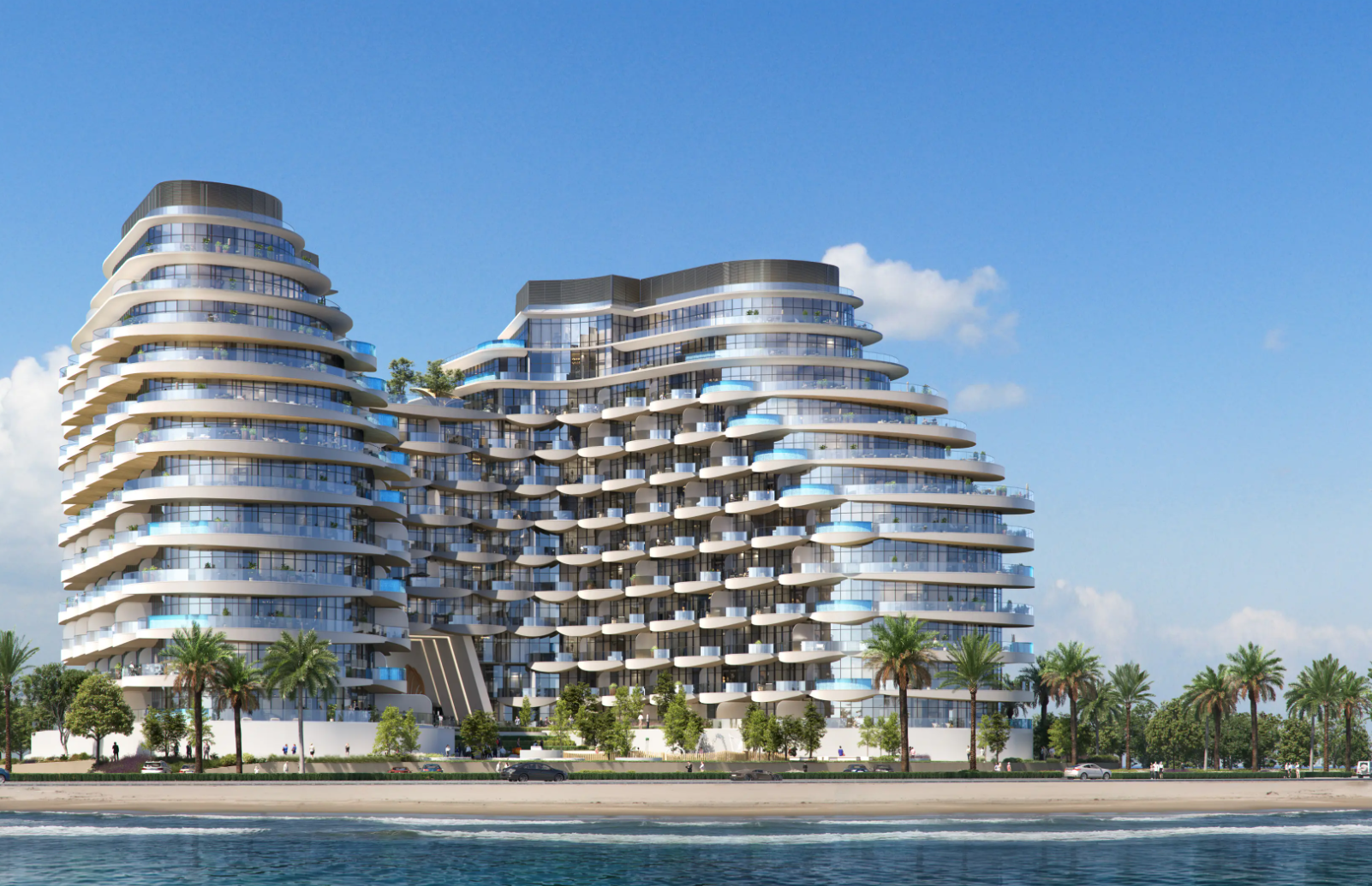
BNW Developments has established a Sydney presence, joining Arada and Sobha Realty among the growing number of UAE developers pursuing Australian buyers and development opportunities.
Australian shares fell on Thursday as Wall Street weakness, rising oil and persistent rate concerns weighed on most of the market. The S&P/ASX 200 declined 0.72 per cent to 8,702. The All Ordinaries lost 0.66 per cent to finish at 8,897. Mining stocks were hit particularly hard, while real estate also dragged on the index. …
Continue reading “ASX falls 0.7 per cent as miners and property stocks retreat”

 2 min
2 minAustralian shares fell on Thursday as Wall Street weakness, rising oil and persistent rate concerns weighed on most of the market.
The S&P/ASX 200 declined 0.72 per cent to 8,702. The All Ordinaries lost 0.66 per cent to finish at 8,897. Mining stocks were hit particularly hard, while real estate also dragged on the index.
Energy was the notable exception, gaining more than one per cent as Brent crude traded above US$103 a barrel. Oil had moved higher amid uncertainty surrounding potential US diesel-export restrictions and broader geopolitical supply risks. The move supported energy producers but renewed concern about inflation inputs across transport and the wider economy.
Gold shares were weak even as spot bullion remained historically elevated. The All Ordinaries Gold index fell about 2.25 per cent, showing that equity performance can diverge from the commodity because of valuation, currency, operating and company-specific factors.
Zip was a prominent loser, falling 11.38 per cent after the company reported short sales after the previous close. Nine Entertainment also weakened after UBS analysts warned of near-term revenue challenges associated with its advertising-supported subscription tier.
Premier Investments led larger winners despite caution about the retail environment. Breville, in which Premier owns a significant stake, also appeared among leading movers. In the broader ASX 300 screen, Myer gained 11.43 per cent and MAAS Group rose 7.93 per cent, while Lotus Resources fell 10.53 per cent. These percentage moves should be checked against company announcements and trading liquidity before attributing causes.
The Australian dollar was broadly flat at US70.38 cents. Spot gold was around US$4,280 an ounce, Brent crude approximately US$103.08 a barrel and iron ore near US$96.90 a tonne late in the session.
The rate outlook remains the central domestic catalyst. Labour-market weakness has not eliminated the possibility of an RBA increase next week, leaving banks, listed property and other rate-sensitive sectors exposed to changing expectations.
Market dashboard
S&P/ASX 200: 8,702, down 0.72 per cent.
All Ordinaries: 8,897, down 0.66 per cent.
Best sector: Energy, up more than one per cent.
Weakest areas: Real estate and materials were the major drags; confirm final sector percentages before publication.
Material winner: Premier Investments led the large-company gainers. Confirm its final closing move from the ASX before publication.
Material loser: Zip, down 11.38 per cent.
ASX 300 percentage leader: Myer, up 11.43 per cent.
ASX 300 percentage laggard: Zip, down 11.38 per cent.
AUD/USD: Approximately US$0.7038, broadly flat.
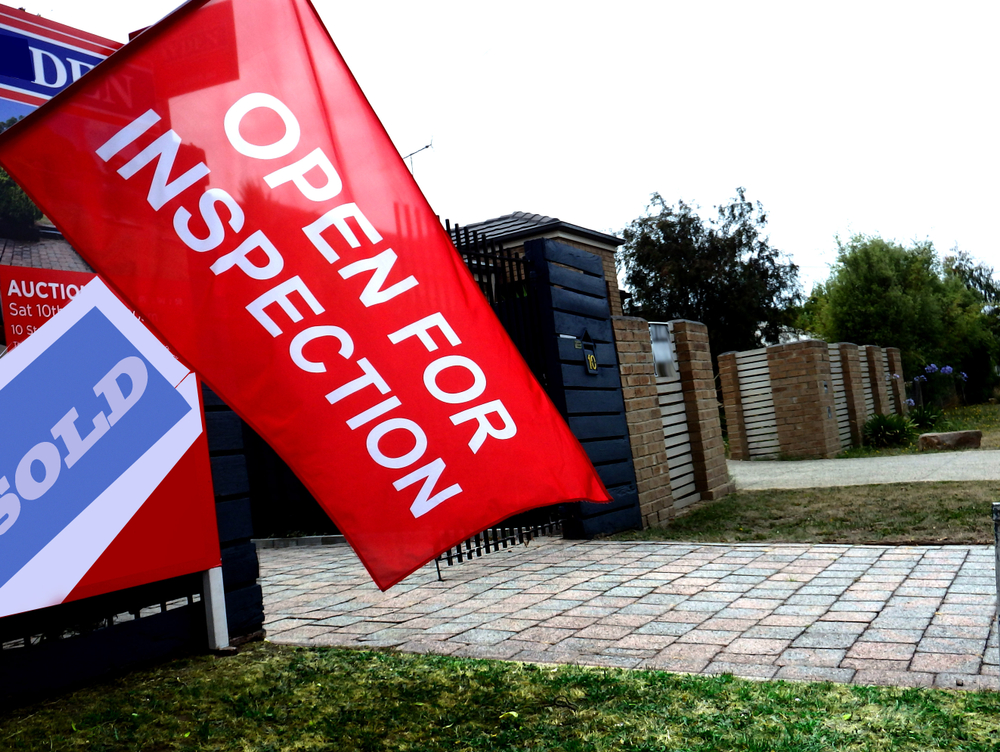
Australia’s housing market rebounded sharply in 2025, with lower-value suburbs and resource regions driving growth as rate cuts, tight supply and renewed competition reshaped the year.

BMW has unveiled the Neue Klasse in Munich, marking its biggest investment to date and a new era of electrification, digitalisation and sustainable design.