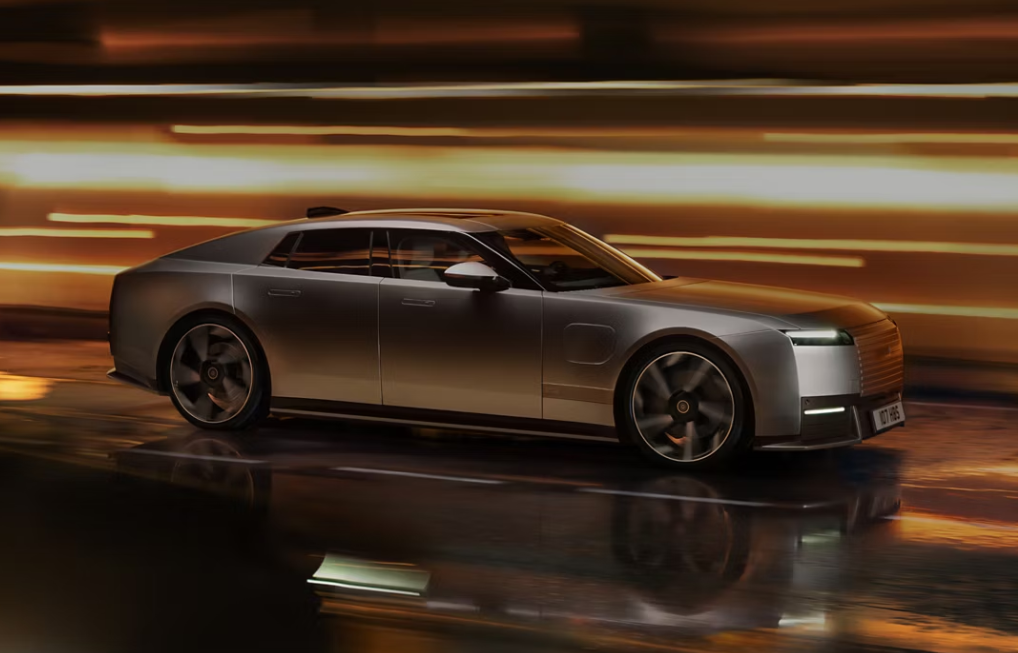
ROLLS-ROYCE UNVEILS YACHT-INSPIRED CULLINAN SERIES FOR BESPOKE CLIENTS
Four one-off Cullinan commissions draw on the design language of yachting, blending marine craftsmanship with Rolls-Royce’s signature bespoke detailing.
 < 1 min
Rolls-Royce has revealed a new series of bespoke Cullinan motor cars inspired by the world of yachting, with four individually commissioned vehicles reflecting the materials, movement and design codes of life at sea.
Presented at Goodwood in the UK, the Cullinan Yachting collection comprises four one-off vehicles themed around the cardinal directions, North, South, East and West, each expressed through distinct exterior finishes and interior detailing.
The commissions lean heavily into maritime influence, a space Rolls-Royce says is closely aligned with its global client base.
Each vehicle features marine-grade teak, hand-painted fascia artwork inspired by the wake of a tender cutting through water, and intricate marquetry compass motifs made from more than 40 individual pieces of wood veneer.
Hand-painted elements have become an increasingly sought-after feature among Rolls-Royce clients, with the brand employing dedicated artisans to develop bespoke interior compositions.
For the Cullinan Yachting series, the painted wake effect required months of experimentation to achieve a natural sense of movement.
Inside, the vehicles are finished in Arctic White and Navy Blue leather, with hand-stitched detailing designed to echo the structure of nautical ropework. A signature Rolls-Royce Starlight
Headliner has also been reimagined, with fibre-optic constellations arranged to reflect Mediterranean wind patterns.
Each car’s exterior colour has been developed to align with its directional theme, ranging from lighter blue tones evoking northern waters to deeper hues referencing warmer southern seas and storm-lit horizons.
Rolls-Royce said the collection reflects a longstanding relationship between the marque and the world of yachting, dating back to its co-founder Charles Rolls, whose family owned a steam yacht and travelled extensively through the Mediterranean.
The release underscores the growing demand for highly personalised vehicles among ultra-high-net-worth buyers, with Rolls-Royce increasingly positioning its cars as part of a broader luxury lifestyle that extends beyond the road.
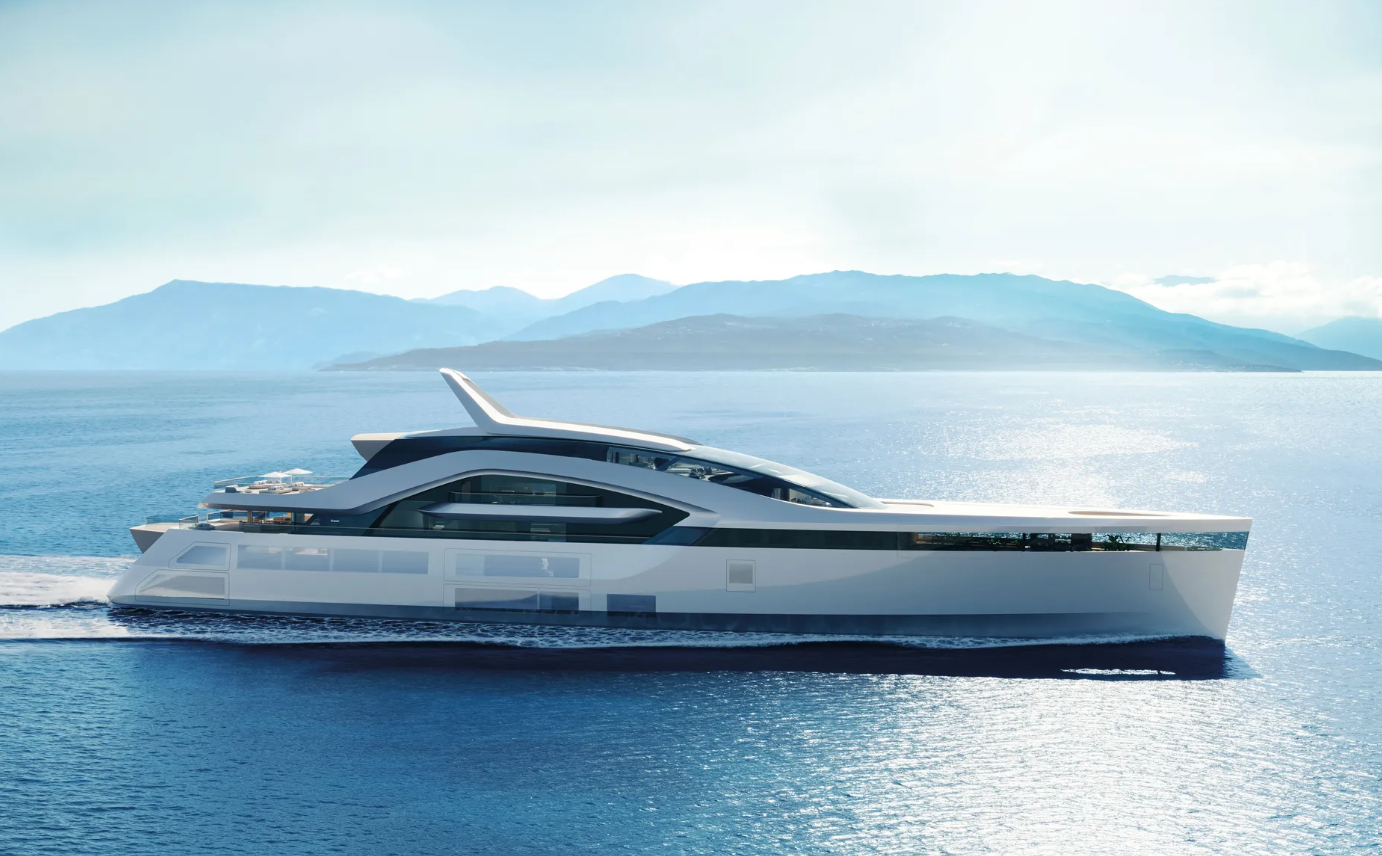
On the owner’s deck, a 20-metre swimming pool incorporates Feadship’s patented ContraWave technology and extends indoors as a suspended, glass-bottomed infinity pool.
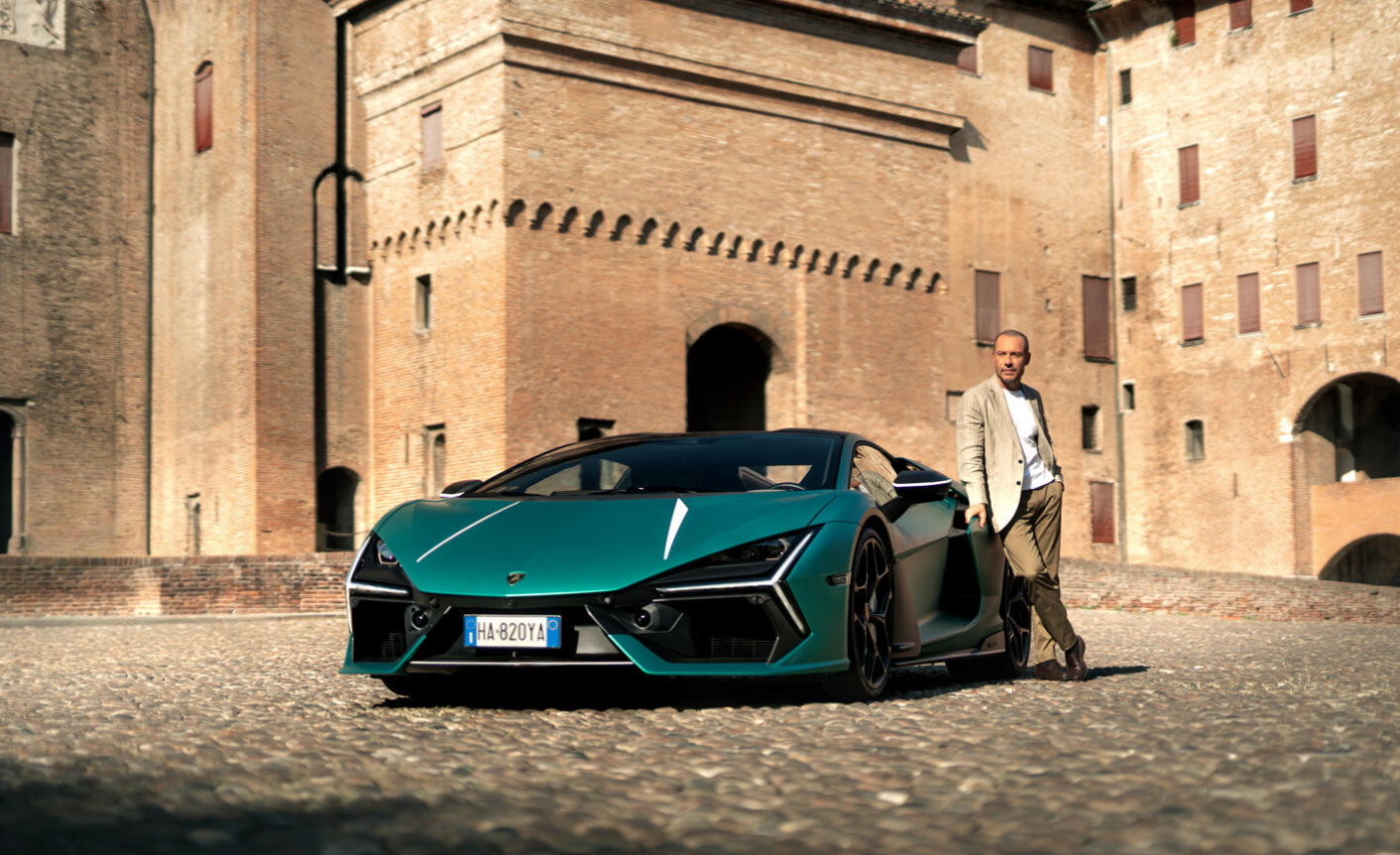
Automobili Lamborghini is turning its attention to something considerably more difficult to define: what makes Italian excellence uniquely Italian?
Automobili Lamborghini is turning its attention to something considerably more difficult to define: what makes Italian excellence uniquely Italian?
4 minFor more than six decades, Lamborghini has built its reputation on producing some of the world’s most recognisable supercars. From the Miura and Countach to the contemporary Revuelto and Temerario, the Italian manufacturer has consistently combined extraordinary performance with an equally distinctive approach to design.
Its latest project, however, has little to do with horsepower, acceleration or the introduction of another high-performance model.
Instead, Automobili Lamborghini is turning its attention to something considerably more difficult to define: what makes Italian excellence uniquely Italian?
The answer, or at least an attempt to find one, forms the basis of The Italian Excellence Code, a new three-part film series starring award-winning Italian actor, writer and director Stefano Accorsi.
Launched in October, the project explores the concept of italianità, the distinctive cultural identity that Lamborghini believes underpins not only its own vehicles but the broader reputation of Italian design, manufacturing and craftsmanship.
It is an interesting departure for a company whose communications have traditionally revolved around its products, their performance and the technology behind them. Here, the cars provide the backdrop to a wider examination of the culture responsible for creating them.
Accorsi, who was born in Bologna, close to Lamborghini’s headquarters in Sant’Agata Bolognese, guides viewers through three different expressions of Italian life. Each represents an element that the company believes contributes to the country’s reputation for excellence: taste, ingenuity and flair.
The first chapter begins in an Italian piazza, where Accorsi considers how everyday surroundings, human interaction, colour and design contribute to an aesthetic sensibility that is difficult to replicate.
It is a study of taste, not simply as an appreciation of beauty, but as an instinctive understanding of proportion, character and the choices that shape a particular way of life.
The second chapter moves into the world of fencing, using the sport’s combination of precision, technical skill and controlled movement to explore ingenuity.
For Lamborghini, the connection is clear. Engineering excellence is not simply a matter of developing more powerful machinery, but of continually refining the relationship between performance, technique and design.
The final instalment turns to Italian opera, where tradition and individual interpretation come together through performance. Here, the focus is on flair, the ability to take something technically accomplished and give it personality, emotion and originality.
Together, the three chapters attempt to explain the cultural influences that have helped distinguish Italian products in international luxury markets.
Lamborghini describes Made in Italy as extending beyond the conventional measures of manufacturing and design, arguing that the designation carries a cultural identity that cannot be explained through technical specifications alone.
That philosophy has been evident throughout the company’s history.
Founded by Ferruccio Lamborghini in 1963, the marque emerged during a period when Italy was establishing itself as a global centre of automotive design. Its early models helped challenge established ideas about how a grand touring car or supercar should look, with the Miura in particular becoming one of the defining automotive designs of the 1960s.
The Countach subsequently introduced an angular, dramatic design language that would influence Lamborghini models for decades. Its wedge-shaped profile, scissor doors and unconventional proportions helped establish the visual identity that remains central to the brand.
Those characteristics have carried through to the current generation of vehicles, even as the engineering has changed considerably.
The Revuelto combines Lamborghini’s naturally aspirated V12 engine with hybrid technology, while the Temerario represents another stage in the company’s transition towards electrification.
Yet the visual language remains unmistakably Lamborghini. Sharp lines, dramatic proportions and an emphasis on theatre continue to distinguish its cars from other manufacturers competing in the same segment.
This is where The Italian Excellence Code becomes particularly relevant.
In a luxury automotive market where performance figures can increasingly be matched or surpassed, manufacturers need to communicate qualities that are less easily measured.
Engineering innovation remains essential, but the relationship between a product and its cultural origins can be equally important in establishing its long-term appeal.
For Lamborghini, its Italian identity is not simply a geographical detail. It is a central part of the proposition.
The company’s headquarters and manufacturing operations remain in Sant’Agata Bolognese, a relatively small town in Emilia-Romagna, within one of Europe’s most important automotive and manufacturing regions.

The surrounding area has developed a concentration of specialist engineering expertise, manufacturing knowledge and automotive heritage that provides a distinctive setting for a global luxury brand.
The company’s decision to explore Italian culture through film also reflects a broader shift in how luxury manufacturers communicate with their audiences.
Rather than relying exclusively on product launches and traditional advertising, brands increasingly use cultural storytelling to establish a deeper connection with customers and enthusiasts.
Fashion, architecture, art, hospitality and design have become important reference points for luxury businesses seeking to position themselves within a wider cultural conversation.
Lamborghini’s latest project operates in similar territory, although it is more accurately described as a brand film series than a new commercial platform.
The choice of Accorsi is significant. An established figure in Italian cinema, with personal ties to the region where Lamborghini was founded, he provides a connection between the automotive manufacturer and the country’s broader creative industries.
His involvement also allows the story to unfold without relying on the familiar format of executives discussing engineering achievements or designers explaining the development of a new vehicle.
Instead, Lamborghini is inviting viewers to consider the influences that sit behind the finished product.
It is an approach that could resonate with an international audience increasingly familiar with Italian luxury through fashion houses, furniture manufacturers, architecture and hospitality, as much as through automotive marques.
There is, of course, a commercial consideration. Lamborghini’s vehicles are sold internationally, but much of their desirability remains connected to their place of origin. Preserving that association becomes particularly important as the company introduces new technologies and adapts to changing expectations around performance and electrification.
The challenge is to demonstrate that the values associated with Italian craftsmanship remain relevant even as the products themselves evolve.
For a manufacturer whose history has been defined by mechanical innovation and unconventional design, the balance between tradition and progress is hardly new.
What The Italian Excellence Code does is give that relationship a more deliberate cultural expression.
The series does not introduce a new car, establish a new product category or announce an expansion into hospitality or lifestyle experiences. Its purpose is more fundamental: to explain why the identity behind a Lamborghini matters as much as the engineering that powers it.
And in a luxury market where technical excellence is increasingly expected, that may be one of the more valuable distinctions a manufacturer can make.

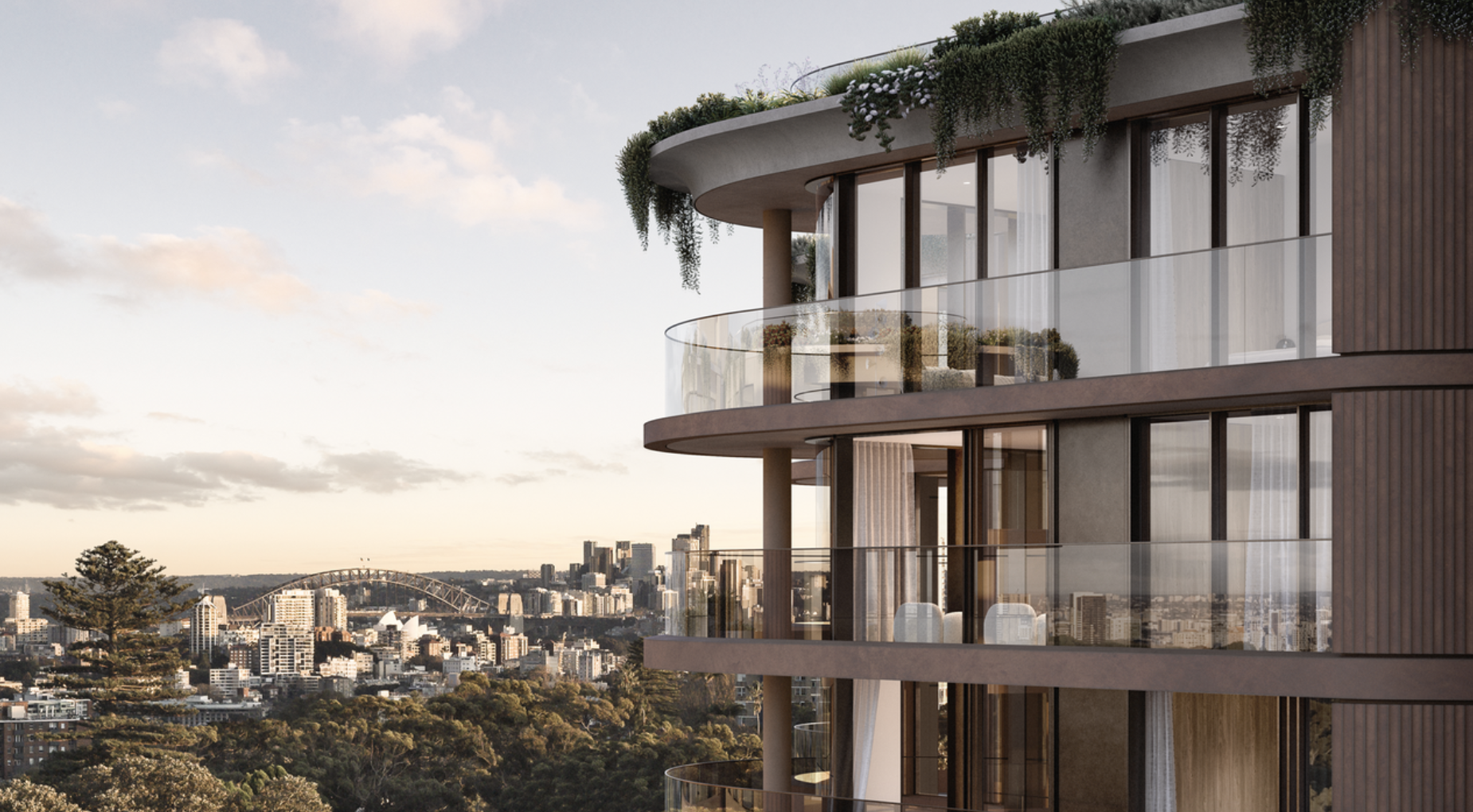
Three completed developments bring a quieter, more thoughtful style of luxury living to Mosman, Neutral Bay and Crows Nest.
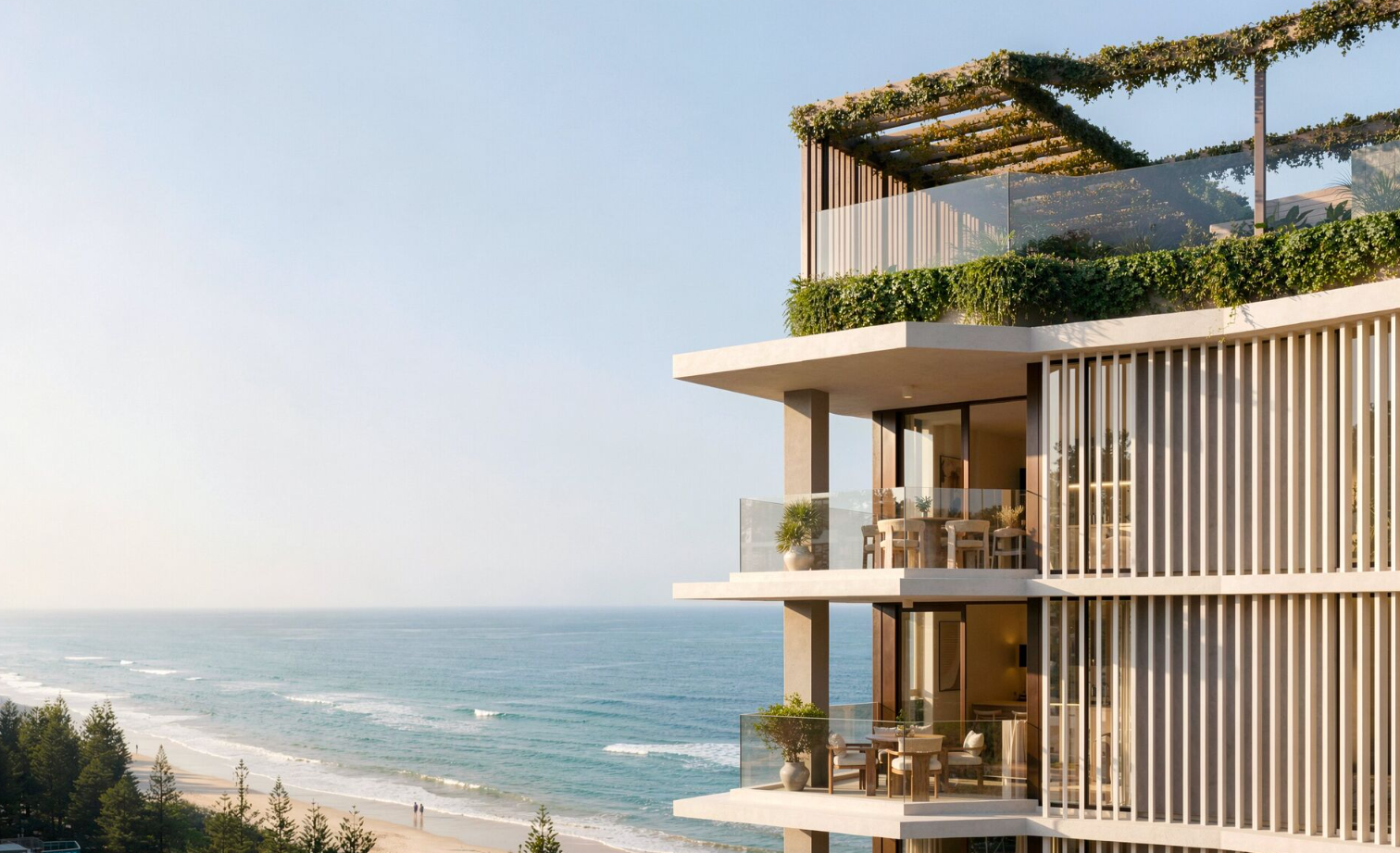
Studio apartments have almost disappeared from new Australian developments. Lura is bringing them back to Burleigh Heads from $495,000.