The Top 10 highest paid CEOs of the ASX 200 revealed
Along with pay rates, the latest report from the ACSI shows bonuses are no longer based on exceptional results
 2 min
2 min
The CEOs of the ASX 200 were paid a little less in FY23 compared to the year before, but bonuses appear to have become the norm rather than a reward for outstanding results, according to the Australia Council of Superannuation Investors (ACSI). ACSI has released its 23rd annual report documenting the CEOs’ realised pay, which combines base salaries, bonuses and other incentives.
The highest-paid CEO among Australian-domiciled ASX 200 companies in FY23 was Greg Goodman of Goodman Group, with realised pay of $27.34 million. Goodman Group is the ASX 200’s largest real estate investment trust (REIT) with a global portfolio of $80.5 billion in assets. The highest-paid CEO among foreign-domiciled ASX 200 companies was Mick Farrell of ResMed with realised pay of $47.58 million. ResMed manufactures CPAP machines to treat sleep apnoea.
The realised pay for the CEOs of the largest 100 companies by market capitalisation fell marginally from a median of $3.93 million in FY22 to $3.87 million in FY23. This is the lowest median in the 10 years since ACSI began basing its report on realised pay data. The median realised pay for the CEOs of the next largest 100 companies also fell from $2.1million to $1.95 million.
However, 192 of the ASX 200 CEOs took home a bonus, and Ed John, ACSI’s executive manager of stewardship, is concerned that bonuses are becoming “a given”.
“At a time when companies are focused on productivity and performance, it is critical that bonuses are only paid for exceptional outcomes,” Mr John said. He added that boards should set performance thresholds for CEO bonuses at appropriate levels.
ACSI said the slightly lower median realised pay of ASX 200 CEOs indicated greater scrutiny from shareholders was having an impact. There was a record 41 strike votes against executive pay at ASX 300 annual general meetings (AGMs) in 2023. This indicated an increasing number of shareholders were feeling unhappy with the executive pay levels at the companies in which they were invested.
A strike vote means 25 percent or more of shareholders voted against a company’s remuneration report. If a second strike vote is recorded at the next AGM, shareholders can vote to force the directors to stand for re-election.
10 highest-paid ASX 200 CEOs in FY23
Source: ACSI. Foreign-domiciled ASX 200 companies*

Australian shares fell on Thursday as Wall Street weakness, rising oil and persistent rate concerns weighed on most of the market. The S&P/ASX 200 declined 0.72 per cent to 8,702. The All Ordinaries lost 0.66 per cent to finish at 8,897. Mining stocks were hit particularly hard, while real estate also dragged on the index. …
Continue reading “ASX falls 0.7 per cent as miners and property stocks retreat”

Borrowers cannot control the Reserve Bank, but they can control how exposed their household budget is to its next decision. The RBA meets on 29 September with inflation concerns still elevated and major-bank economists increasingly bringing forward their rate-rise calls. Fixed mortgage rates have also been moving, reducing the value of waiting for perfect certainty. …
Continue reading “What mortgage holders should do before the next RBA decision”

 2 min
2 minAustralian shares fell on Thursday as Wall Street weakness, rising oil and persistent rate concerns weighed on most of the market.
The S&P/ASX 200 declined 0.72 per cent to 8,702. The All Ordinaries lost 0.66 per cent to finish at 8,897. Mining stocks were hit particularly hard, while real estate also dragged on the index.
Energy was the notable exception, gaining more than one per cent as Brent crude traded above US$103 a barrel. Oil had moved higher amid uncertainty surrounding potential US diesel-export restrictions and broader geopolitical supply risks. The move supported energy producers but renewed concern about inflation inputs across transport and the wider economy.
Gold shares were weak even as spot bullion remained historically elevated. The All Ordinaries Gold index fell about 2.25 per cent, showing that equity performance can diverge from the commodity because of valuation, currency, operating and company-specific factors.
Zip was a prominent loser, falling 11.38 per cent after the company reported short sales after the previous close. Nine Entertainment also weakened after UBS analysts warned of near-term revenue challenges associated with its advertising-supported subscription tier.
Premier Investments led larger winners despite caution about the retail environment. Breville, in which Premier owns a significant stake, also appeared among leading movers. In the broader ASX 300 screen, Myer gained 11.43 per cent and MAAS Group rose 7.93 per cent, while Lotus Resources fell 10.53 per cent. These percentage moves should be checked against company announcements and trading liquidity before attributing causes.
The Australian dollar was broadly flat at US70.38 cents. Spot gold was around US$4,280 an ounce, Brent crude approximately US$103.08 a barrel and iron ore near US$96.90 a tonne late in the session.
The rate outlook remains the central domestic catalyst. Labour-market weakness has not eliminated the possibility of an RBA increase next week, leaving banks, listed property and other rate-sensitive sectors exposed to changing expectations.
Market dashboard
S&P/ASX 200: 8,702, down 0.72 per cent.
All Ordinaries: 8,897, down 0.66 per cent.
Best sector: Energy, up more than one per cent.
Weakest areas: Real estate and materials were the major drags; confirm final sector percentages before publication.
Material winner: Premier Investments led the large-company gainers. Confirm its final closing move from the ASX before publication.
Material loser: Zip, down 11.38 per cent.
ASX 300 percentage leader: Myer, up 11.43 per cent.
ASX 300 percentage laggard: Zip, down 11.38 per cent.
AUD/USD: Approximately US$0.7038, broadly flat.
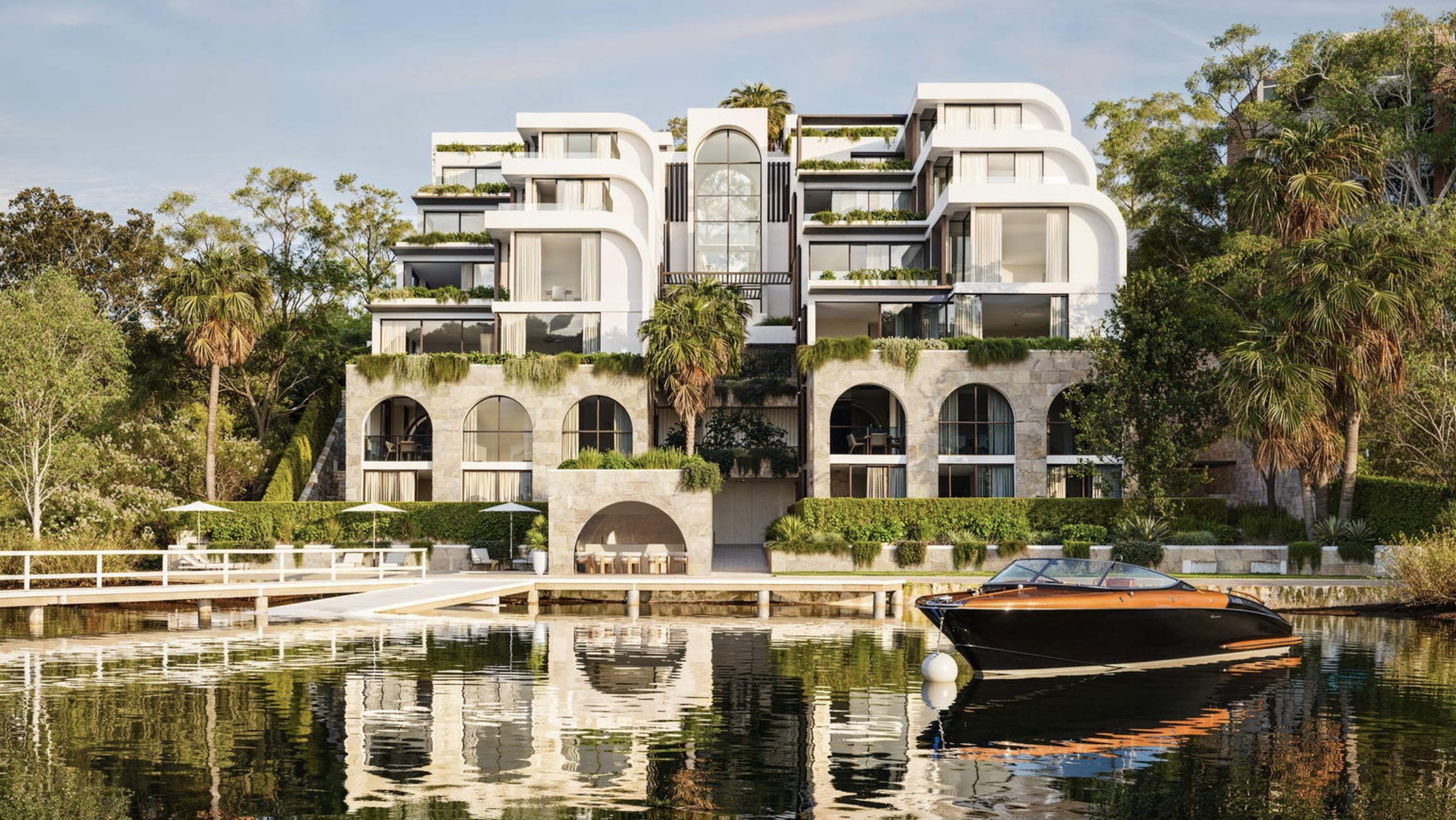
Advertising legend John Singleton unveils an exclusive 16-residence Caroline Bay development, marking his latest high-end property play on the Central Coast.

Many of the most-important events have slipped from our collective memories. But their impacts live on.