One of Monet’s First Water Lily Paintings to Highlight Christie’s Asia Sale
Owned by Richard Outten, who’s penned screenplays for films including “Pet Sematary Two” and “Lionheart,” this is only the third time the home has been on the market

 2 min
2 min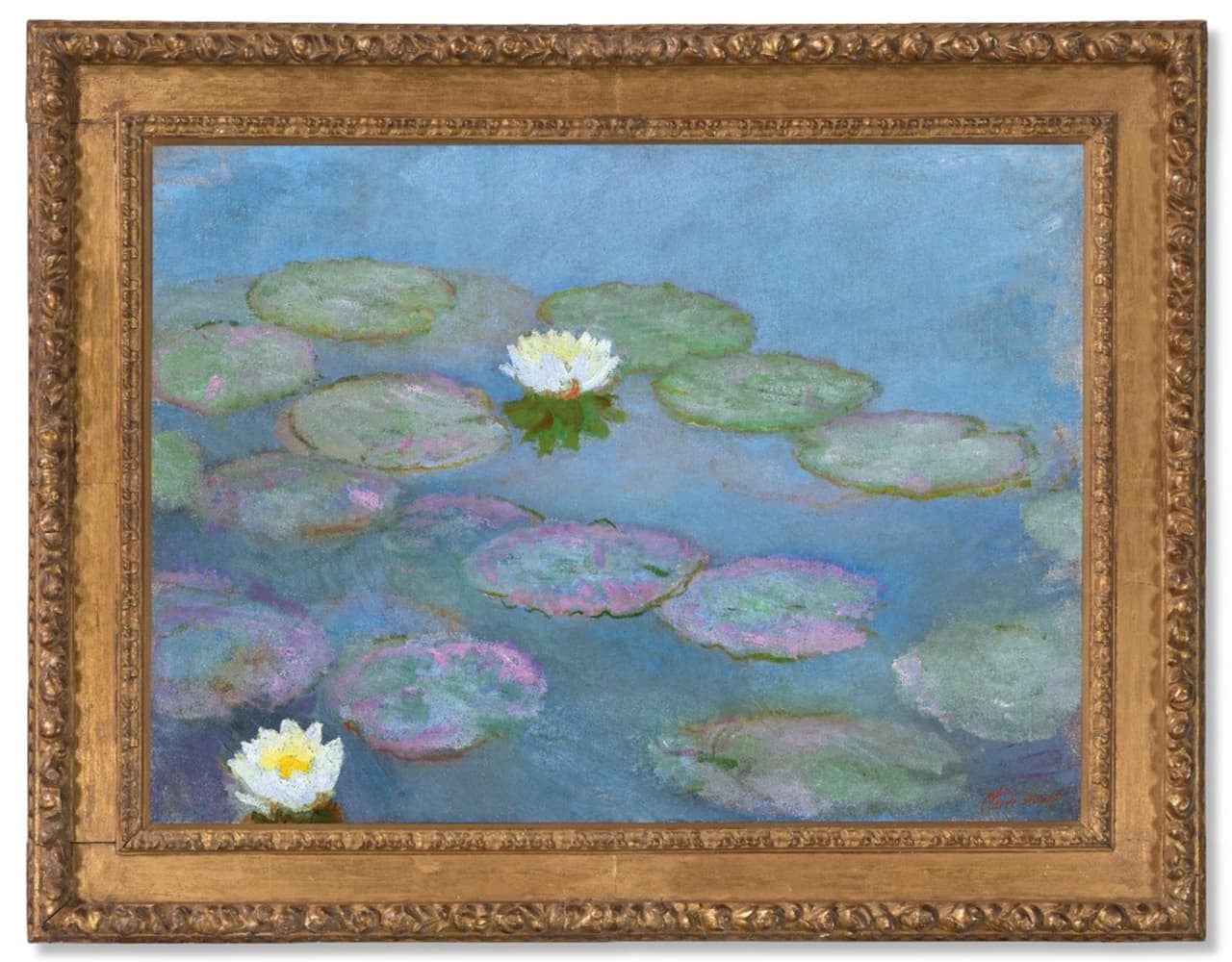
Christie’s is selling a painting from Claude Monet’s earliest Nymphéas series at the first evening auction taking place in its new Hong Kong headquarters this fall.
Nymphéas (Water Lilies), painted circa 1897-99, is among seven works by the French impressionist that were his first forays into exploring variations in light, colour, and reflections in the water lily pond at his home in Giverny, France.
The work, which Christie’s said is being offered from an anonymous private collection after remaining with the Monet family for years, is expected to sell for between US$25 million and US$35 million.
Christie’s Cristian Albu, head of 20th/21st-century art for Asia Pacific, called the painting “a true singular treasure.” It’s about 2 feet, 4 inches by 3 feet, 3 inches in size.
Monet created more than 250 paintings of waterlilies in his lifetime, several of which have sold for record sums at auction. Last November, Le bassin aux nympheas , 1917-19, sold for US$74 million, with fees, at Christie’s in New York. (Estimated auction prices don’t include fees).
The highest price for a Nymphéas was set during Christie’s sale of the Peggy and David Rockefeller Collection , fetching nearly US$85 million, with fees.
What’s notable about the work Christie’s is selling in Asia is that it’s among Monet’s first to focus on waterlilies, and that it introduces what the auction house said is “one of the most important and radical aspects of his Nymphéas —the elimination of a horizon line.” As with many of these works, the viewer looks directly at the pond’s centre, “removing all other peripheral details to focus entirely on the constantly shifting relationships between water, atmosphere, and light that transformed the pond’s surface with each passing moment.”
Other examples from Monet’s first water lilies series can be found in the Musée Marmottan Monet in Paris, the Los Angeles County Museum of Art, the Kagoshima City Museum of Art in Kagoshima, Japan, and the Galleria Nazionale d’Arte Moderna in Rome.
The Hong Kong sale, which will take place on Sept. 26, will be Christie’s first at its new Asia-Pacific headquarters in the Henderson, a newly built 39-floor skyscraper by Zaha Hadid Architects with a curved glass facade.
 Copyright 2020, Dow Jones & Company, Inc. All Rights Reserved Worldwide. LEARN MORE




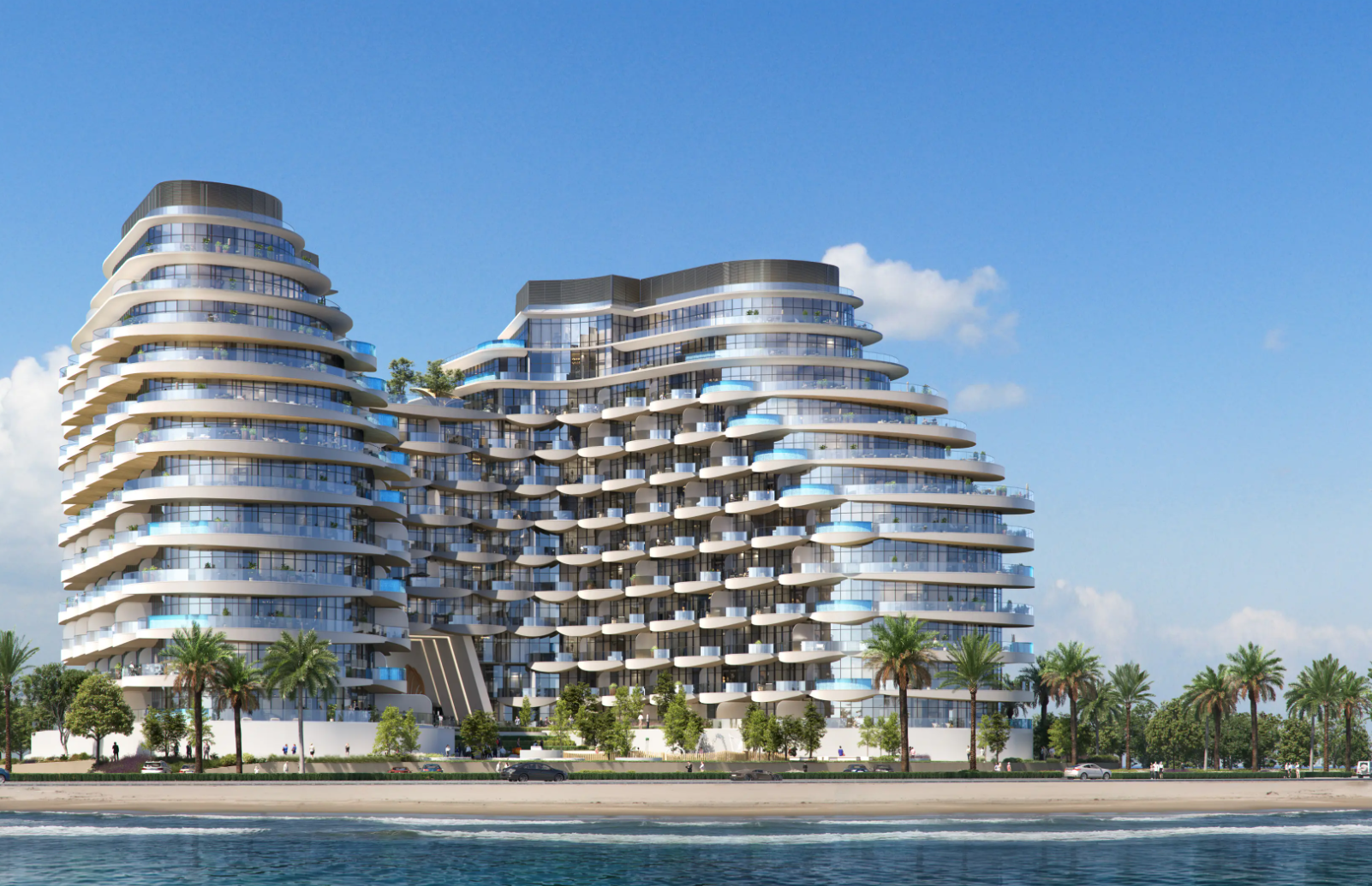
BNW Developments has established a Sydney presence, joining Arada and Sobha Realty among the growing number of UAE developers pursuing Australian buyers and development opportunities.

Australian shares fell on Thursday as Wall Street weakness, rising oil and persistent rate concerns weighed on most of the market. The S&P/ASX 200 declined 0.72 per cent to 8,702. The All Ordinaries lost 0.66 per cent to finish at 8,897. Mining stocks were hit particularly hard, while real estate also dragged on the index. …
Continue reading “ASX falls 0.7 per cent as miners and property stocks retreat”

 2 min
2 minAustralian shares fell on Thursday as Wall Street weakness, rising oil and persistent rate concerns weighed on most of the market.
The S&P/ASX 200 declined 0.72 per cent to 8,702. The All Ordinaries lost 0.66 per cent to finish at 8,897. Mining stocks were hit particularly hard, while real estate also dragged on the index.
Energy was the notable exception, gaining more than one per cent as Brent crude traded above US$103 a barrel. Oil had moved higher amid uncertainty surrounding potential US diesel-export restrictions and broader geopolitical supply risks. The move supported energy producers but renewed concern about inflation inputs across transport and the wider economy.
Gold shares were weak even as spot bullion remained historically elevated. The All Ordinaries Gold index fell about 2.25 per cent, showing that equity performance can diverge from the commodity because of valuation, currency, operating and company-specific factors.
Zip was a prominent loser, falling 11.38 per cent after the company reported short sales after the previous close. Nine Entertainment also weakened after UBS analysts warned of near-term revenue challenges associated with its advertising-supported subscription tier.
Premier Investments led larger winners despite caution about the retail environment. Breville, in which Premier owns a significant stake, also appeared among leading movers. In the broader ASX 300 screen, Myer gained 11.43 per cent and MAAS Group rose 7.93 per cent, while Lotus Resources fell 10.53 per cent. These percentage moves should be checked against company announcements and trading liquidity before attributing causes.
The Australian dollar was broadly flat at US70.38 cents. Spot gold was around US$4,280 an ounce, Brent crude approximately US$103.08 a barrel and iron ore near US$96.90 a tonne late in the session.
The rate outlook remains the central domestic catalyst. Labour-market weakness has not eliminated the possibility of an RBA increase next week, leaving banks, listed property and other rate-sensitive sectors exposed to changing expectations.
Market dashboard
S&P/ASX 200: 8,702, down 0.72 per cent.
All Ordinaries: 8,897, down 0.66 per cent.
Best sector: Energy, up more than one per cent.
Weakest areas: Real estate and materials were the major drags; confirm final sector percentages before publication.
Material winner: Premier Investments led the large-company gainers. Confirm its final closing move from the ASX before publication.
Material loser: Zip, down 11.38 per cent.
ASX 300 percentage leader: Myer, up 11.43 per cent.
ASX 300 percentage laggard: Zip, down 11.38 per cent.
AUD/USD: Approximately US$0.7038, broadly flat.

A luxury lifestyle might cost more than it used to, but how does it compare with cities around the world?

From elevated skincare to handcrafted home pieces, this year’s most thoughtful gifts go beyond the expected.