Europe Must Not Be ‘Unprepared’ For Trade War, ECB’s Rehn Says
Rehn said Europe must be better positioned to respond than during Trump’s first term

 2 min
2 min
Higher barriers to trade would have a negative impact on the global economy, and Europe must be prepared for increased tensions, Bank of Finland Gov. Olli Rehn said Tuesday.
Rehn, who is a member of the European Central Bank’s governing council, said a soft landing for the eurozone economy was still a plausible scenario, but that the outlook is clouded by growing geopolitical uncertainty.
A new element in that uncertainty is the trade policy of Donald Trump in his second term as U.S. president. Trump has expressed a desire to raise tariffs on imports from a wide range of countries.
“What we do know is that significant import duties could have negative ramifications for the global economy,” Rehn said.
Questions about the future of one of Europe’s key trade relationships add to the other uncertainties that face policymakers, including Russia’s war on Ukraine, the conflict in the Middle East, and China’s military and technological ambitions, Rehn said.
“A new trade war is the last thing we need amid today’s geopolitical rivalries, especially among allies,” he told investors at a London conference.
Rehn said Europe must be better positioned to respond than it was during Trump’s first term.
“If a trade war were to start, Europe must not be unprepared,” he said.
The threat of new tariffs comes at a time when the eurozone’s two largest economies—Germany and France—are being led by minority governments. However, trade policy is decided at the level of the European Union as a whole, and implemented by the European Commission, rather than national governments.
“Political turmoil in Germany and France underscores the importance of the European Commission in providing leadership and direction,” Rehn said. Rehn was a member of the Commission from 2004 until 2014.
The ECB continues to say that its key interest rate needs to stay restrictive, and damp demand to cool inflation. But as it cuts its key rate, there will come a point where it moves to neutral, where policy is neither restraining or stimulating the economy. Rehn said that was likely to happen in the first half of next year.
“We might expect leaving restrictive territory between January and June, ” he said.
 Copyright 2020, Dow Jones & Company, Inc. All Rights Reserved Worldwide. LEARN MORE





Australian shares fell on Thursday as Wall Street weakness, rising oil and persistent rate concerns weighed on most of the market. The S&P/ASX 200 declined 0.72 per cent to 8,702. The All Ordinaries lost 0.66 per cent to finish at 8,897. Mining stocks were hit particularly hard, while real estate also dragged on the index. …
Continue reading “ASX falls 0.7 per cent as miners and property stocks retreat”

Borrowers cannot control the Reserve Bank, but they can control how exposed their household budget is to its next decision. The RBA meets on 29 September with inflation concerns still elevated and major-bank economists increasingly bringing forward their rate-rise calls. Fixed mortgage rates have also been moving, reducing the value of waiting for perfect certainty. …
Continue reading “What mortgage holders should do before the next RBA decision”

 2 min
2 minAustralian shares fell on Thursday as Wall Street weakness, rising oil and persistent rate concerns weighed on most of the market.
The S&P/ASX 200 declined 0.72 per cent to 8,702. The All Ordinaries lost 0.66 per cent to finish at 8,897. Mining stocks were hit particularly hard, while real estate also dragged on the index.
Energy was the notable exception, gaining more than one per cent as Brent crude traded above US$103 a barrel. Oil had moved higher amid uncertainty surrounding potential US diesel-export restrictions and broader geopolitical supply risks. The move supported energy producers but renewed concern about inflation inputs across transport and the wider economy.
Gold shares were weak even as spot bullion remained historically elevated. The All Ordinaries Gold index fell about 2.25 per cent, showing that equity performance can diverge from the commodity because of valuation, currency, operating and company-specific factors.
Zip was a prominent loser, falling 11.38 per cent after the company reported short sales after the previous close. Nine Entertainment also weakened after UBS analysts warned of near-term revenue challenges associated with its advertising-supported subscription tier.
Premier Investments led larger winners despite caution about the retail environment. Breville, in which Premier owns a significant stake, also appeared among leading movers. In the broader ASX 300 screen, Myer gained 11.43 per cent and MAAS Group rose 7.93 per cent, while Lotus Resources fell 10.53 per cent. These percentage moves should be checked against company announcements and trading liquidity before attributing causes.
The Australian dollar was broadly flat at US70.38 cents. Spot gold was around US$4,280 an ounce, Brent crude approximately US$103.08 a barrel and iron ore near US$96.90 a tonne late in the session.
The rate outlook remains the central domestic catalyst. Labour-market weakness has not eliminated the possibility of an RBA increase next week, leaving banks, listed property and other rate-sensitive sectors exposed to changing expectations.
Market dashboard
S&P/ASX 200: 8,702, down 0.72 per cent.
All Ordinaries: 8,897, down 0.66 per cent.
Best sector: Energy, up more than one per cent.
Weakest areas: Real estate and materials were the major drags; confirm final sector percentages before publication.
Material winner: Premier Investments led the large-company gainers. Confirm its final closing move from the ASX before publication.
Material loser: Zip, down 11.38 per cent.
ASX 300 percentage leader: Myer, up 11.43 per cent.
ASX 300 percentage laggard: Zip, down 11.38 per cent.
AUD/USD: Approximately US$0.7038, broadly flat.

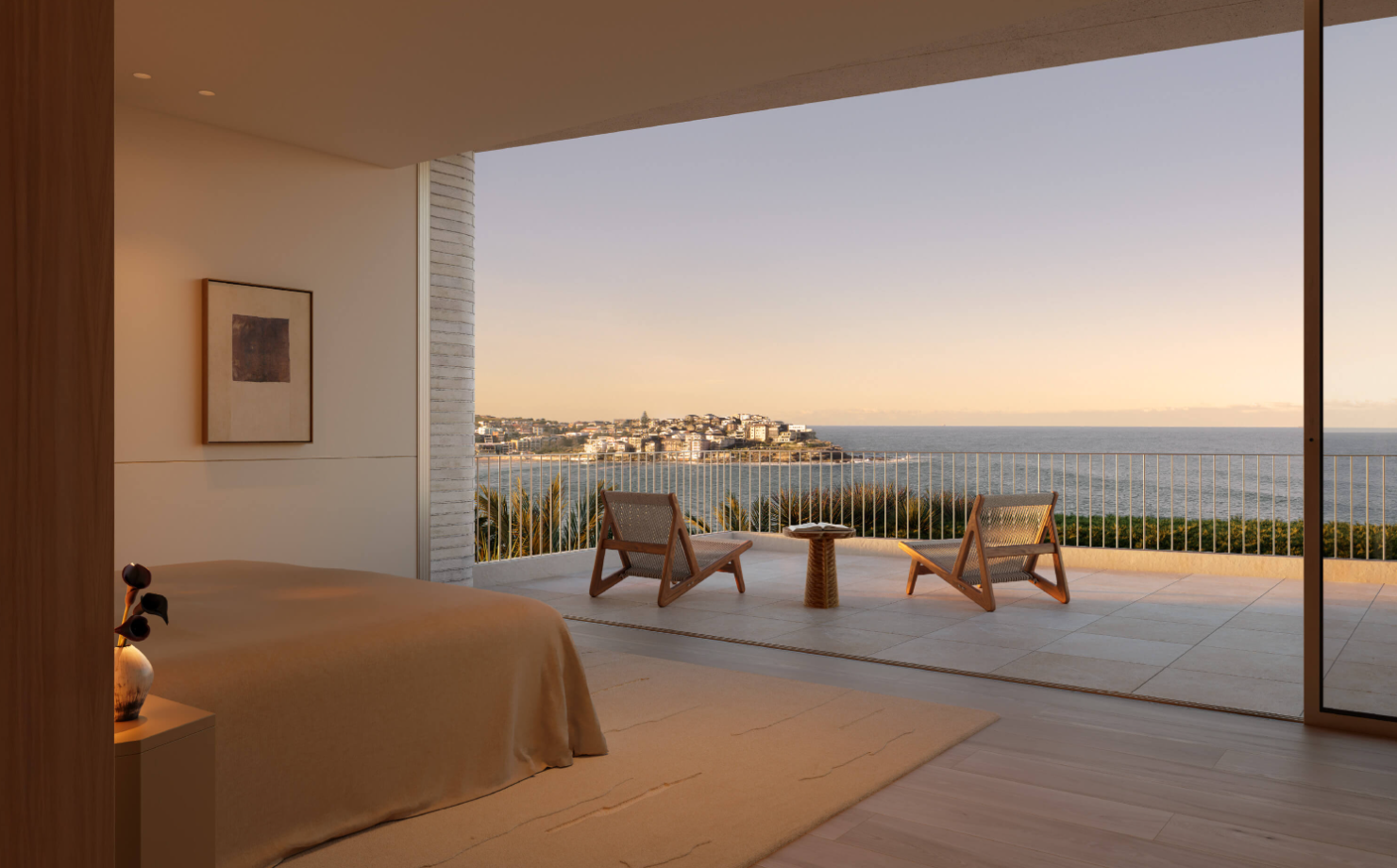
A Vaucluse masterpiece by MHNDU with interiors by Poco Designs brings architectural ambition and breathtaking ocean outlook to the auction block.

Formula 1 may be the world’s most glamorous sport, but for Oscar Piastri, it’s also one of the most lucrative. At just 24, Australia’s highest-paid athlete is earning more than US$40 million a year.