





VAUCLUSE CLIFFTOP SANCTUARY ABOVE THE PACIFIC
A Vaucluse masterpiece by MHNDU with interiors by Poco Designs brings architectural ambition and breathtaking ocean outlook to the auction block.
 2 min
2 min
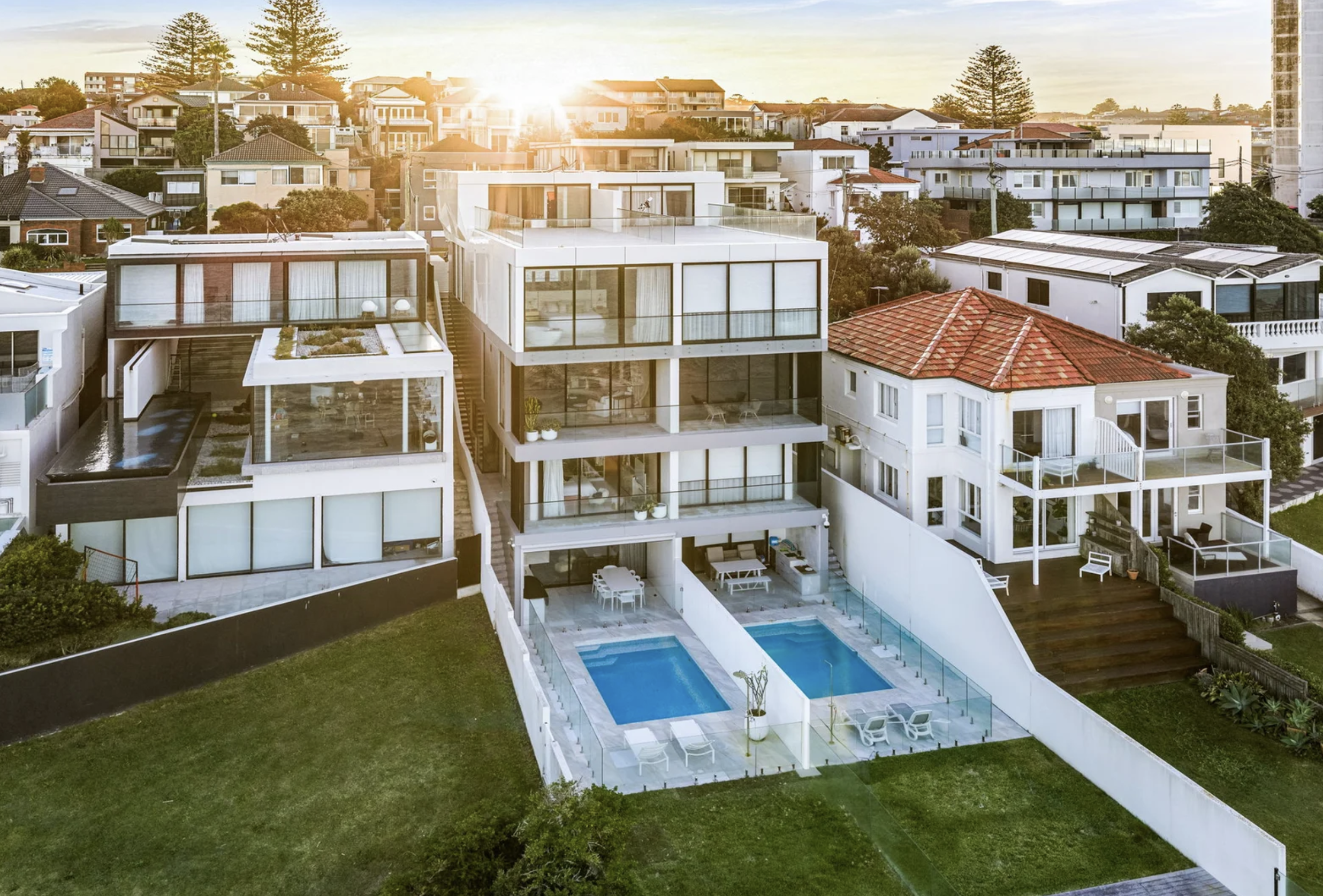
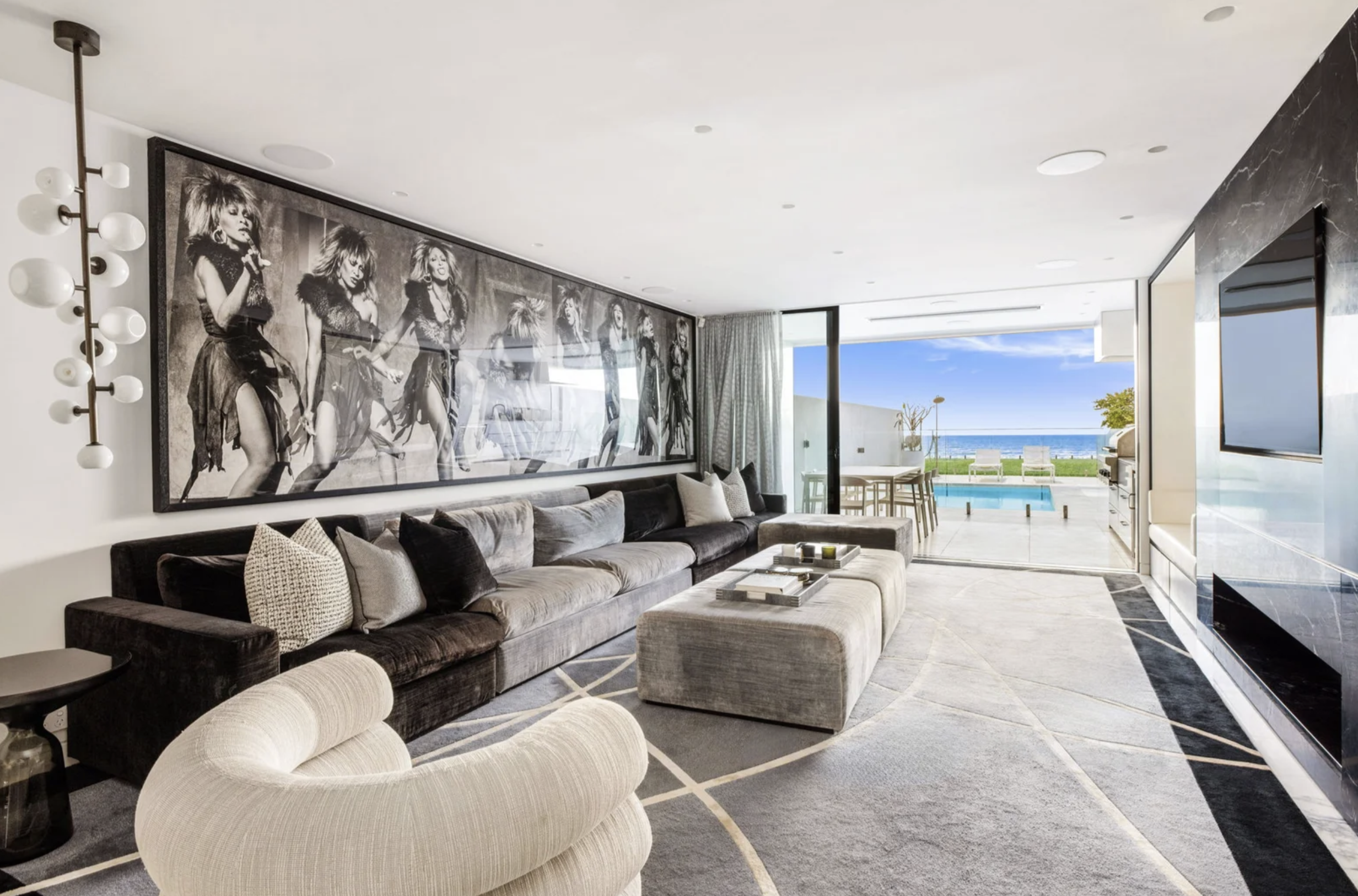
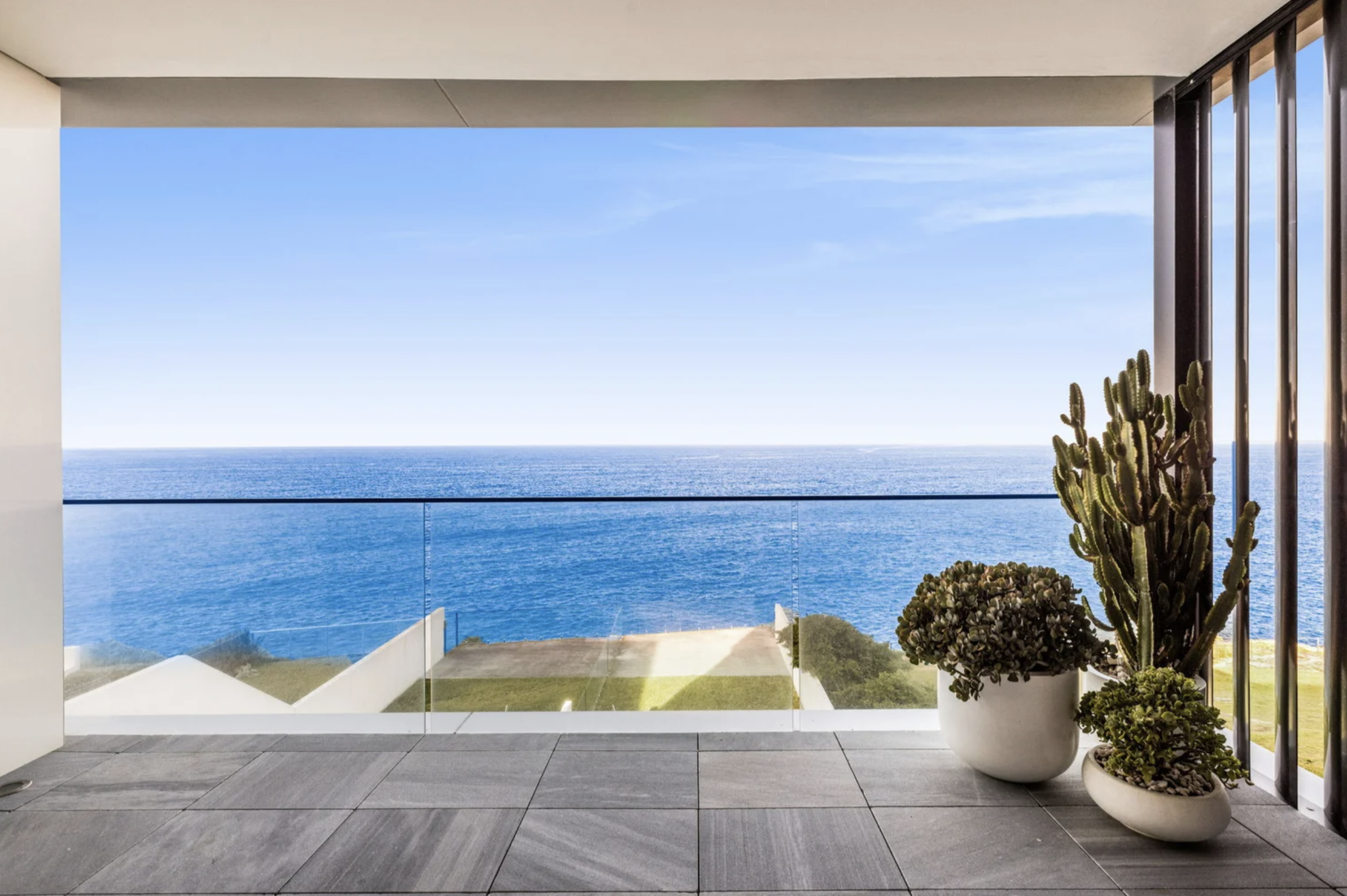
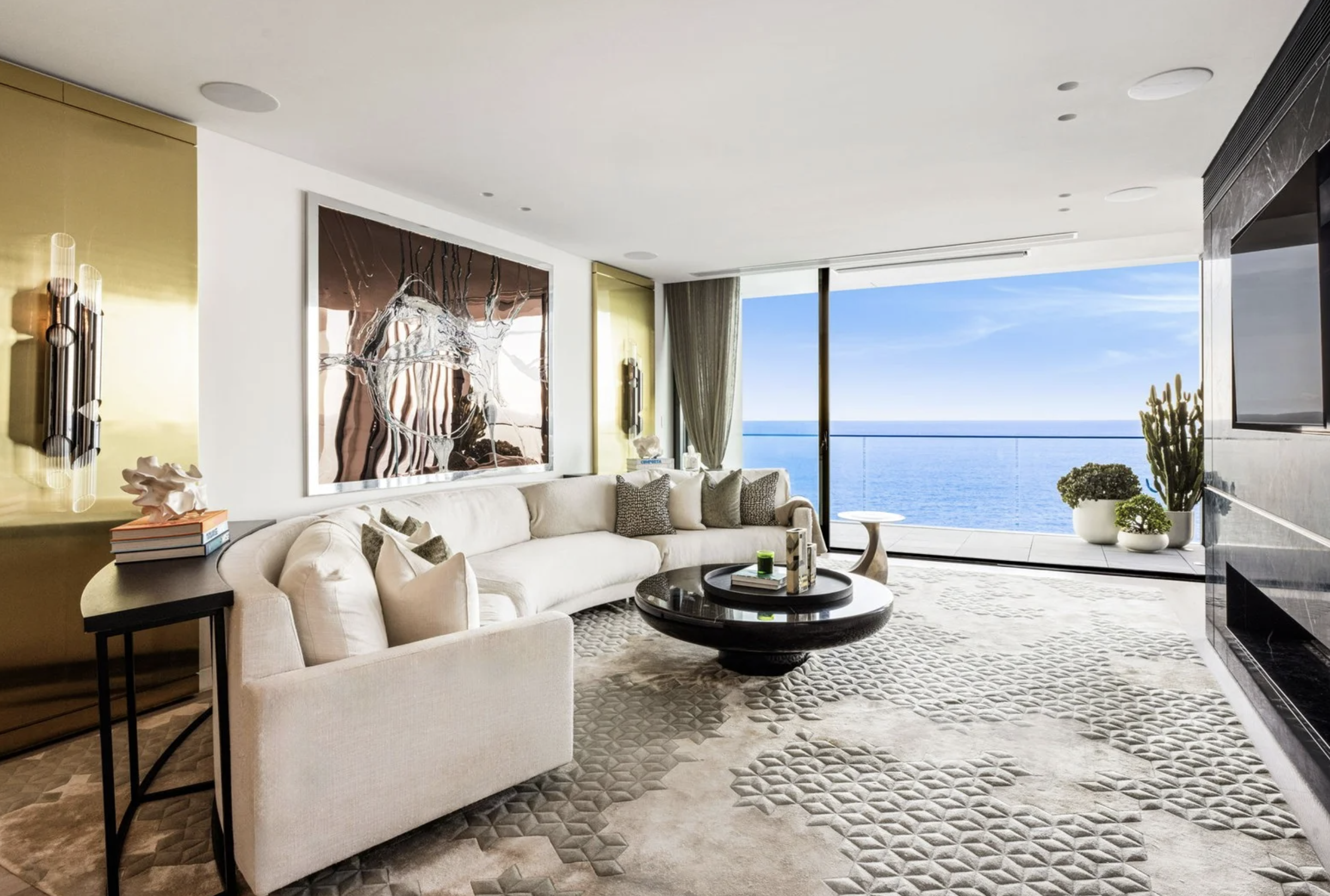
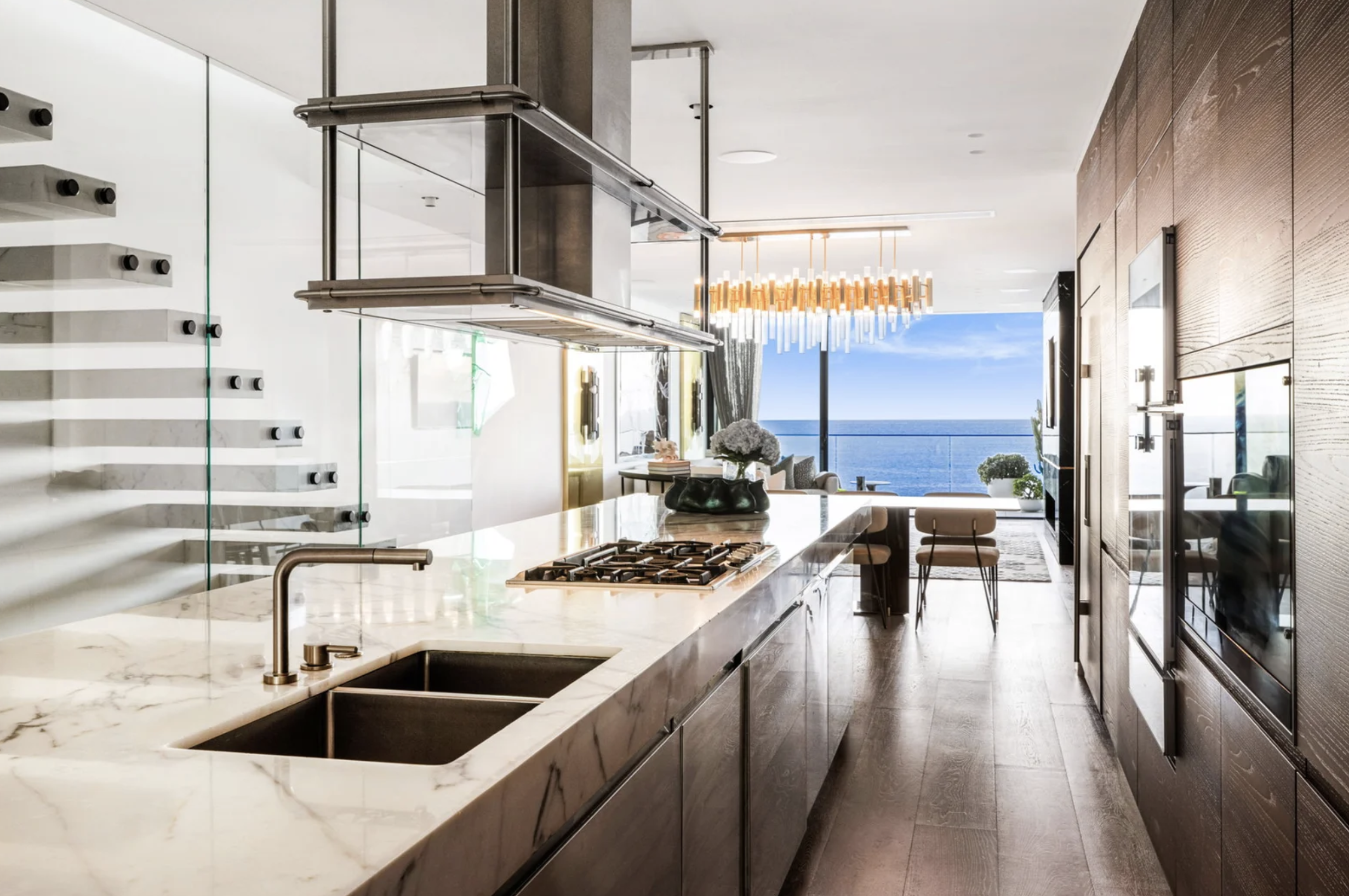
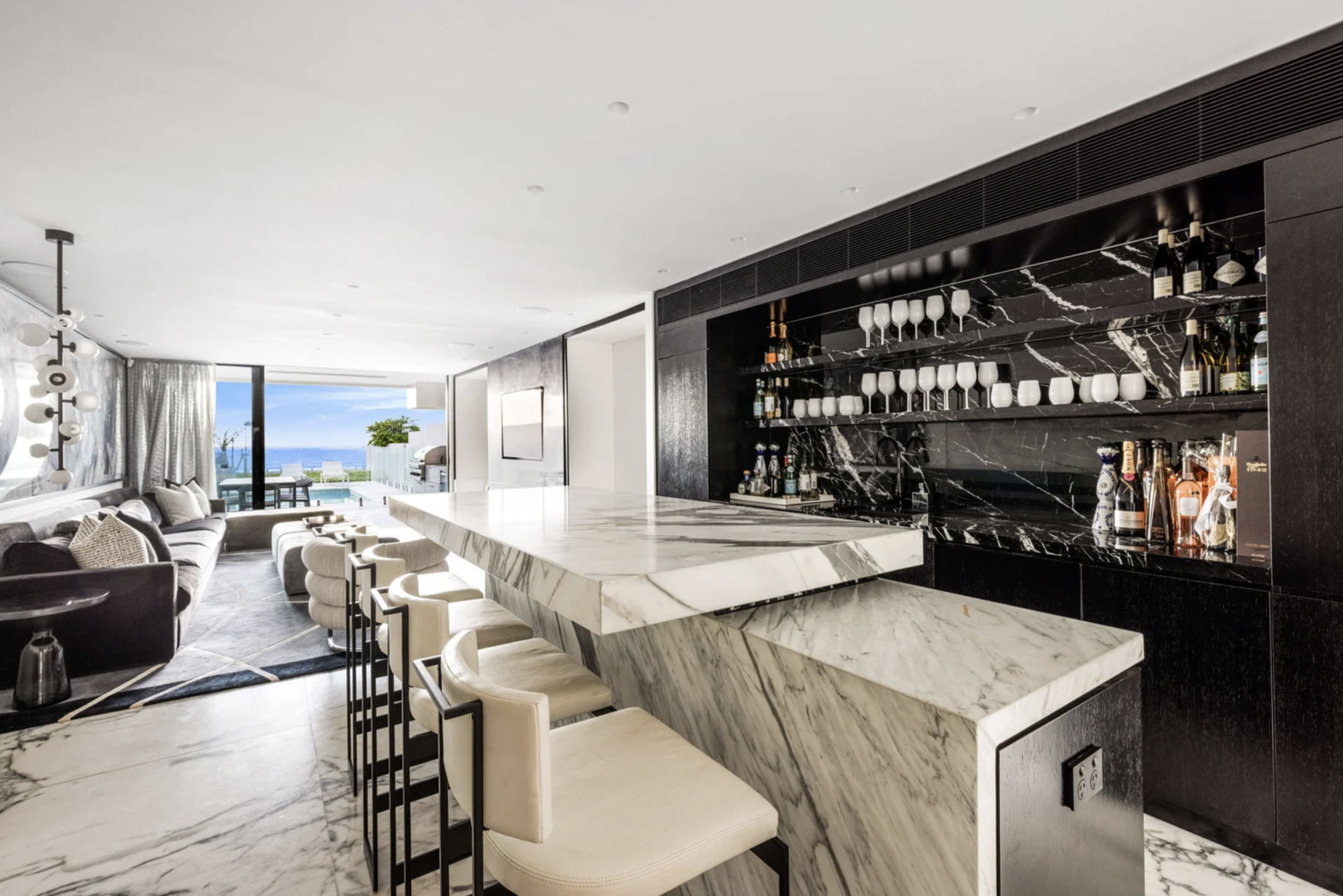
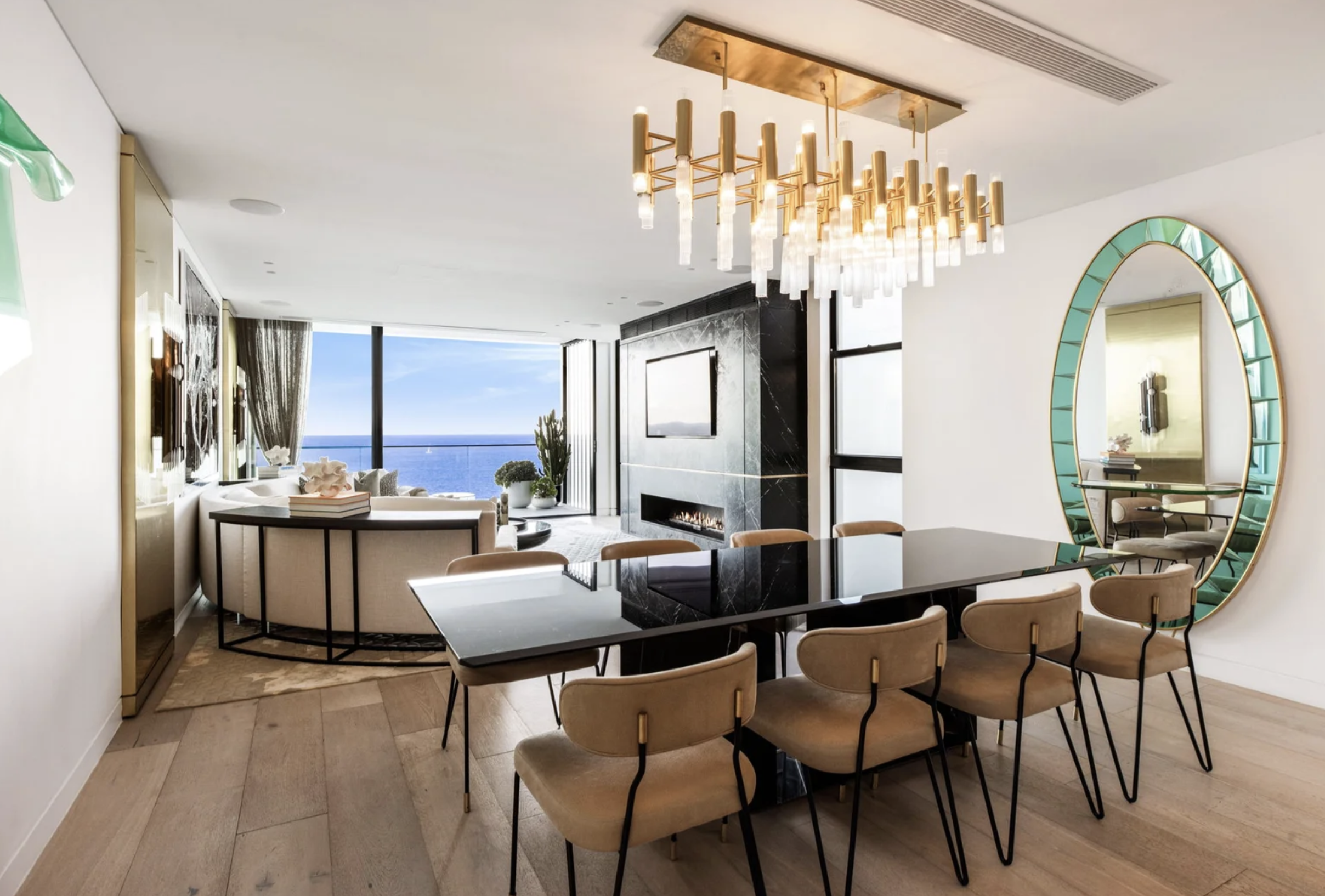
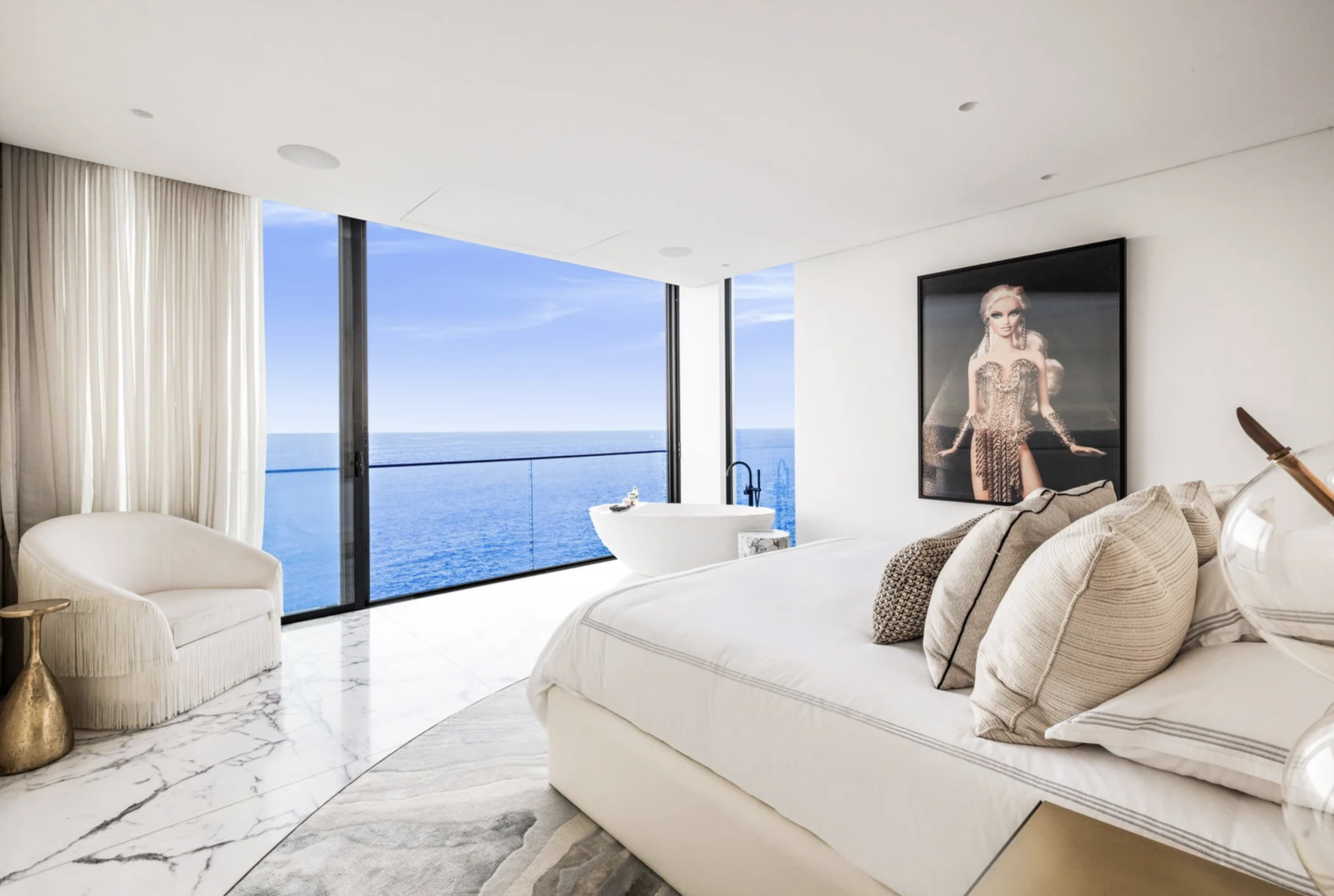
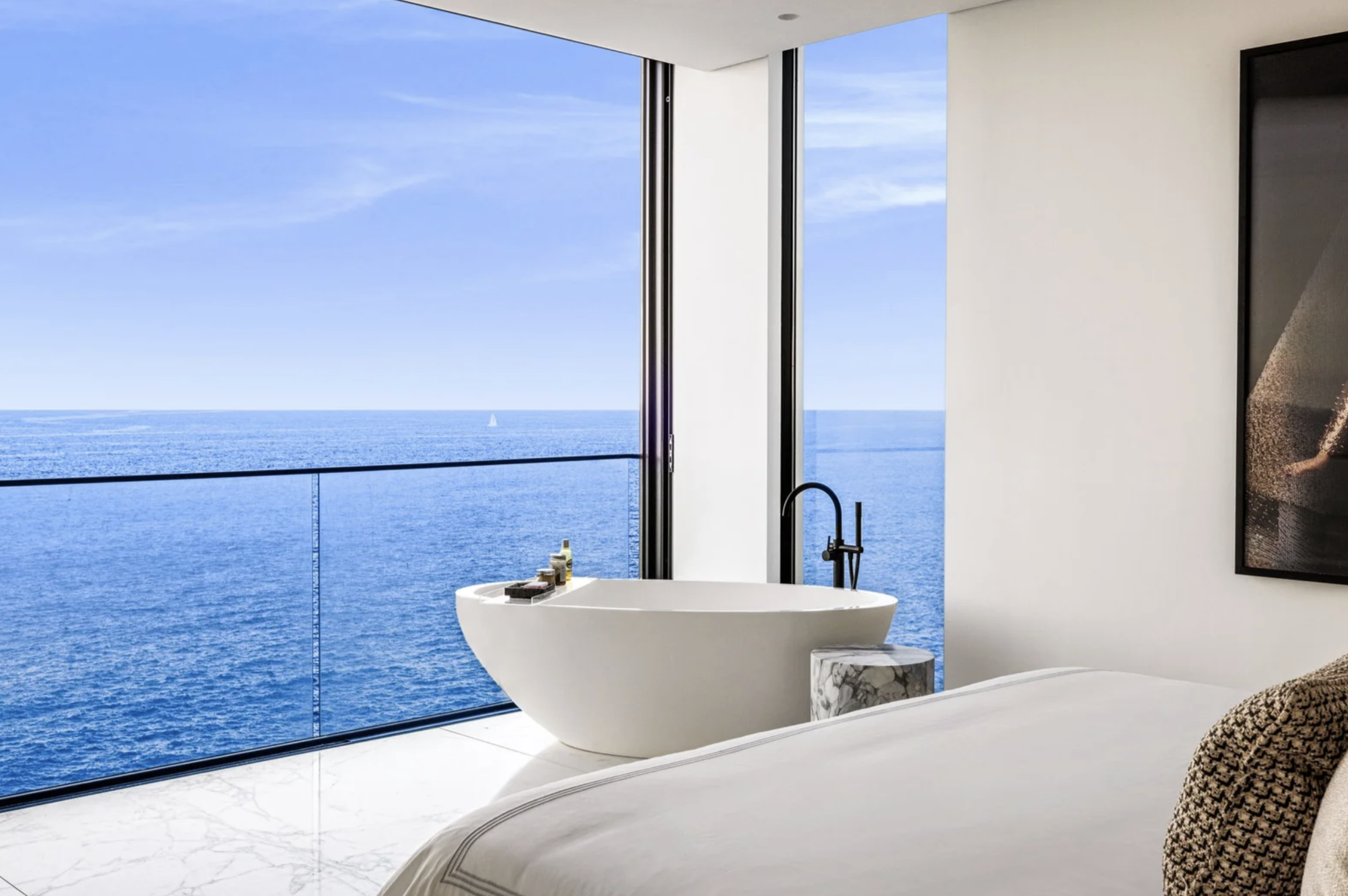
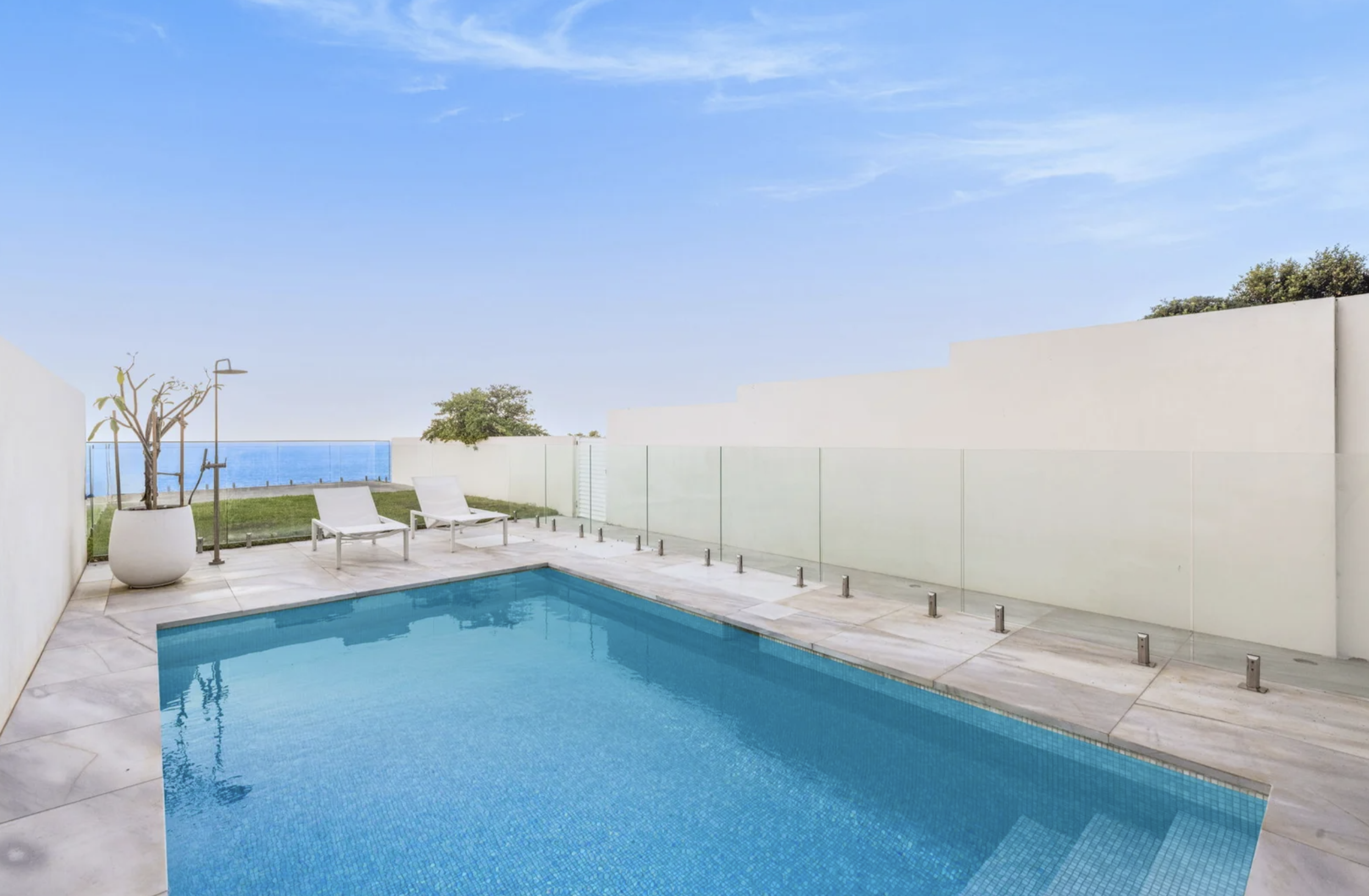
There are ocean views, and then there is this.
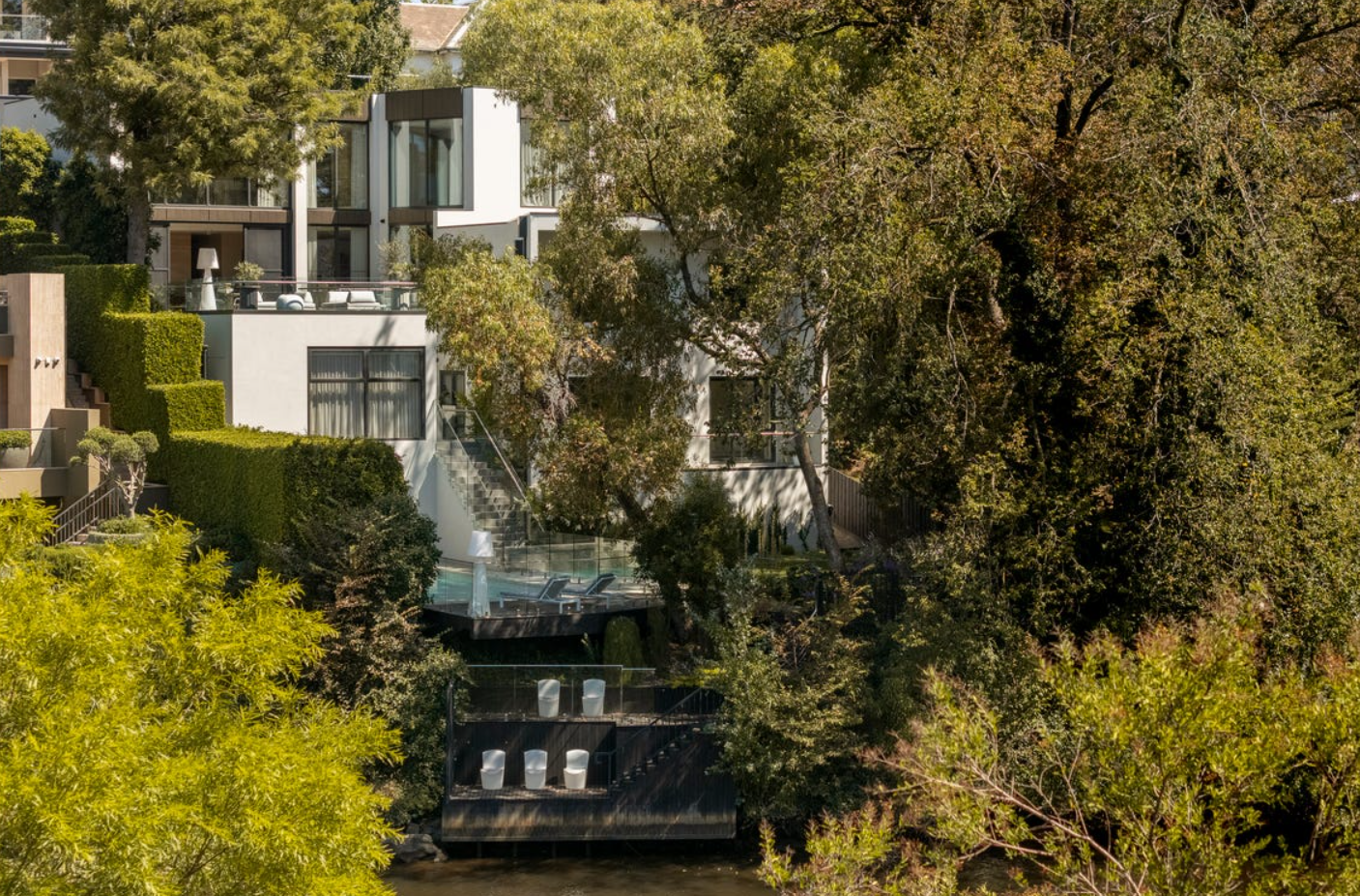
Positioned on a dramatic clifftop in Vaucluse, 8 Ray Street doesn’t just face the Pacific, it commands it. With nothing between the home and the horizon but open water, this is the kind of outlook that buyers spend decades searching for and rarely find.
The residence itself is the work of MHNDU, one of Sydney’s most respected architectural practices, with interiors conceived by Poco Designs.
Together, the collaboration has produced a home that is as thoughtfully resolved inside as it is spectacular in its setting.
Soaring ceilings and expansive glazing open every principal room to the ocean panorama, while a series of indoor-outdoor transitions dissolve the boundary between interior life and coastal landscape. Light arrives differently here depending on the season — sharp and glittering in summer, golden and low in the cooler months.
Across five bedrooms and six bathrooms, the home offers scale without sacrifice. The brief has clearly been to create a property that functions as a family residence without ever retreating into mere functionality. Two car spaces complete the picture.
Vaucluse has long been synonymous with Sydney’s most coveted residential addresses, and Ray Street occupies one of the suburb’s most elevated and protected positions. The clifftop location is permanent — no development will interrupt this outlook — a fact that buyers at this level understand immediately and price accordingly.
The suburb’s median for five-bedroom homes currently sits at $11.725 million, with 50 transactions recorded this year and an average of 43 days on market. At that level, the properties that generate the most sustained buyer interest are those with something genuinely unrepeatable about them. A never-to-be-built-out ocean position qualifies on every measure.
8 Ray Street is listed with David Malouf, Director, Double Bay at Highland Property, and Steven Chen of The Agency, and will go to auction. Private inspections are available by appointment, with a scheduled open on Thursday 18 June at 5:30 pm.
Contact David Malouf (Highland) on 0411 073 882 or Steven Chen (The Agency) on 0412 959 959.

Technology and semiconductor shares fell sharply as investors questioned the debt financing the AI infrastructure boom and confronted higher rates and Chinese competition.
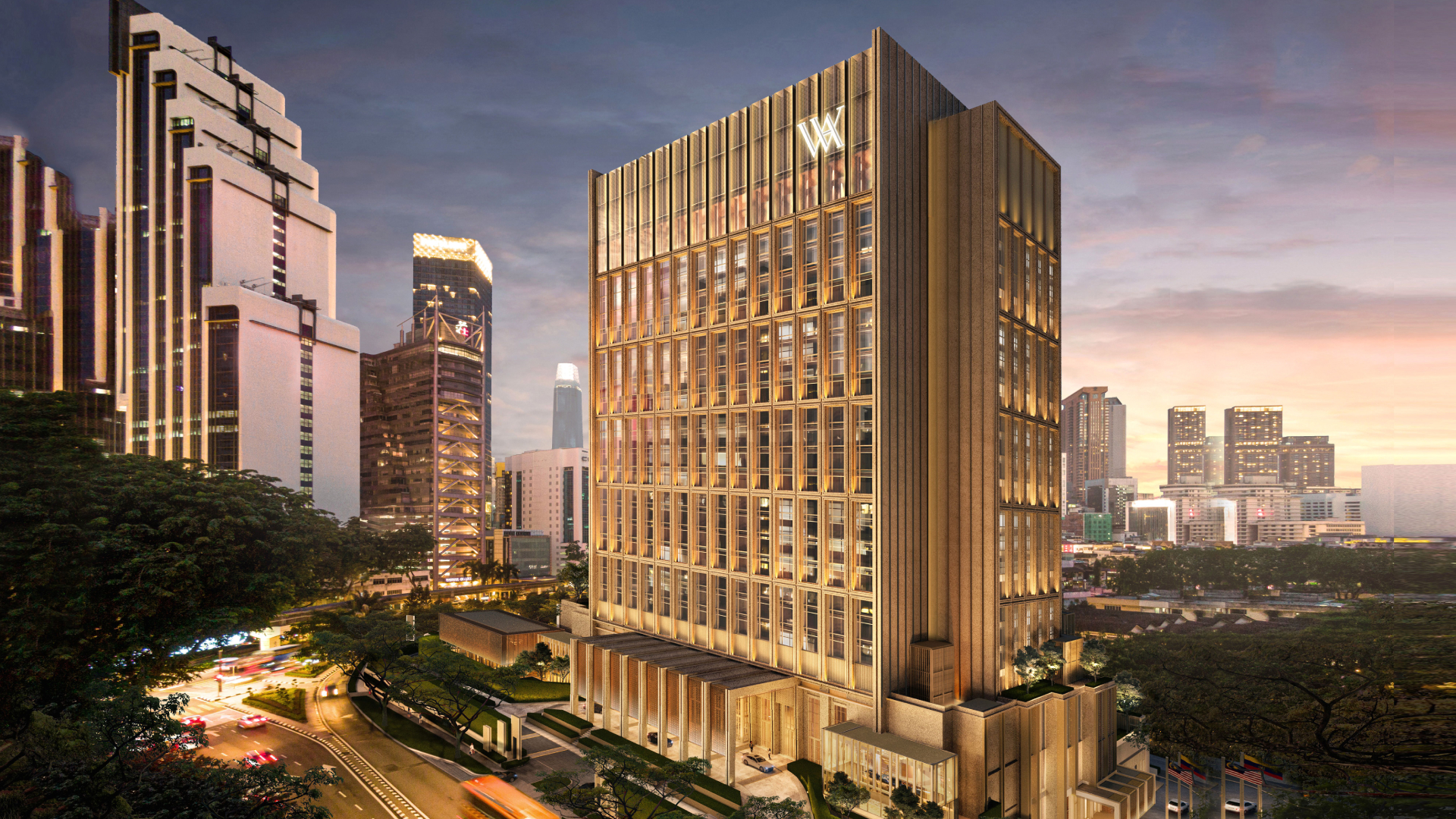
Waldorf Astoria Kuala Lumpur is scheduled to open on 30 October, introducing the Hilton luxury brand to Malaysia with an all-suite hotel in the city’s Golden Triangle.
Employment fell by 39,300 and unemployment held at a revised 4.7 per cent, giving the RBA more room to pause in November.
2 min
Australia’s labour market weakened in September, reducing—but not eliminating—the case for another Reserve Bank rate rise in November.
The seasonally adjusted unemployment rate was 4.7 per cent, according to the Australian Bureau of Statistics. August was revised to the same level, while September employment fell by 39,300 people. The number of unemployed Australians increased by 8,900 to 732,000.
The weakness extended beyond the headline rate. The employment-to-population ratio fell 0.3 percentage points to 63.6 per cent, participation declined 0.2 points to 66.8 per cent and underemployment edged up to 6.3 per cent. Part-time employment fell by 73,700, partly offset by a 34,400 increase in full-time work.
For the RBA, this is a clearer sign that restrictive monetary policy is cooling demand. Higher unemployment and falling employment reduce wage pressure over time and increase the risk that another rate rise would push the economy harder than necessary.
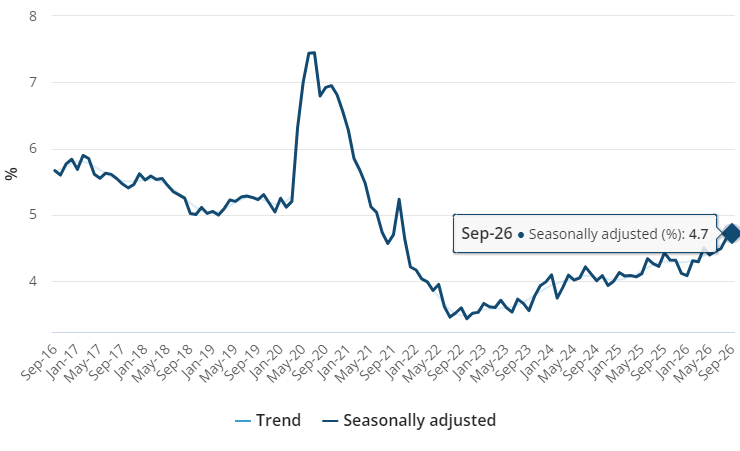
That makes a November increase less certain. It does not make a hold inevitable. The RBA must balance labour-market softness against inflation, and the September-quarter consumer price index due later in October will carry more direct weight in the decision.
For mortgage holders and property investors, the practical conclusion is not to trade one data release. Borrowers should continue testing repayments at higher rates, preserve liquidity and avoid basing a purchase on an assumed near-term reversal. Refinancing decisions should be assessed against total cost, not simply the advertised rate.
Property markets may initially welcome a reduced probability of another increase because borrowing capacity and sentiment are highly rate-sensitive. But a weakening labour market is not unambiguously positive for housing: job security supports mortgage serviceability, rental demand and buyer confidence.
The September numbers have given the RBA a credible reason to wait. Inflation will determine whether it can use it.

The PG rating has become the king of the box office. The entertainment business now relies on kids dragging their parents to theatres.

Margot Robbie and Jacob Elordi star in an adaptation of the classic novel that respects the romance’s slow burn.


