Family Is What Threatens a Family’s Fortune. Tales From Those in the Know.

 3 min
3 min
This executive is speaking from experience. The rich, self-made patriarch he works for hasn’t made a succession plan for his family office despite being in his 70s and unhealthy. Without a plan, the patriarch’s wife and two of his three adult children are on a spending path that could deplete half the family’s wealth by the third generation, the executive said in an interview for a Deloitte Private report published on February 28.
“Overspending is the biggest risk—the numerous houses they have bought that need to be managed, the household staff, the drivers, private jets, yachts, et cetera,” he said. “They have become accustomed to a certain lifestyle.”
The interview was one of 10 experiences of anonymous family office executives that revealed the complexity of managing wealth for super large, super rich families. Their stories are offered to lift a veil on these notoriously private enterprises, “to help the family office community learn from the best about how to successfully navigate the complicated world we live in and plan for long-term success,” according to Rebecca Gooch, global head of insights at Deloitte and a report author.
These offices typically oversee investing and wealth management, but also tasks ranging from day-to-day financial management to estate planning. According to a September report from Deloitte, the number of single-family offices globally increased nearly 31% to an estimated 8,030 last year from 6,130 in 2019, while assets under management rose by 63% to $3.1 trillion.
The rich, ailing patriarch is failing to put a succession plan in place because he fears upsetting those close to him who have taken on senior roles in the family office, despite lacking competence, the executive said.
Deloitte included this case study to show that challenges with succession are common within the wealth community, and are rarely discussed in public. “Normally, they are too private to do that, and once a family loses their wealth, they are no longer captured in family office studies,” Gooch said. “In turn, this is a very interesting and personal warning to the community.”
By contrast, the CEO of another family office described how much he enjoyed working for one of the wealthiest and most high-profile people in the world who wants to spend down his fortune by combating climate change and supporting science and research into neurodegenerative diseases. “We are here to look after the principal, manage what he has, and frankly, to give his money away to good causes,” the CEO said.
The way this family tackles issues is innovative, even among family offices, Gooch said. “The team looks at a problem, such as climate change, and thinks about how to tackle it from a variety of perspectives,” she said. “They look at it from a sustainable investing angle, a philanthropy angle, and a political action front to see if policy changes can make a positive difference.”
Another large, prominent global family—with their main offices in Africa and the U.K.—decided it best to split its operations into two branches to cater to separate wings of the family, a move that runs counter to the more common path of keeping a family together to achieve economies of scale and to avoid redundancies, according to a chief operating officer with the family.
“It was a painful process, but in hindsight, it was the right decision,” the COO said. “Families should feel empowered to do good in their respective ways.”
Other families detailed their experiences with cyberattacks, including the CEO of a U.S.-based office that suffered two attacks in quick succession. In separate research published late last year, Deloitte found 43% of family offices had a cyberattack in the past 12 to 24 months, up from 15% in 2016. Yet nearly a third don’t have a cybersecurity strategy in place, Gooch said.
Although many families now have stories to tell, they “still have a long way to go before they are adequately prepared—and the threats around them, particularly with AI and deep fakes, are rapidly growing in sophistication.”
Corrections & Amplifications
The rich, ailing patriarch described in the report is failing to put a succession plan in place because he fears upsetting those who have taken on senior roles in the family office. An earlier version of this article incorrectly said it was family members who have taken on senior roles.
Yet nearly a third of those surveyed don’t have a cybersecurity strategy in place. An earlier version of this article incorrectly said it was more than a third.
 Copyright 2020, Dow Jones & Company, Inc. All Rights Reserved Worldwide. LEARN MORE




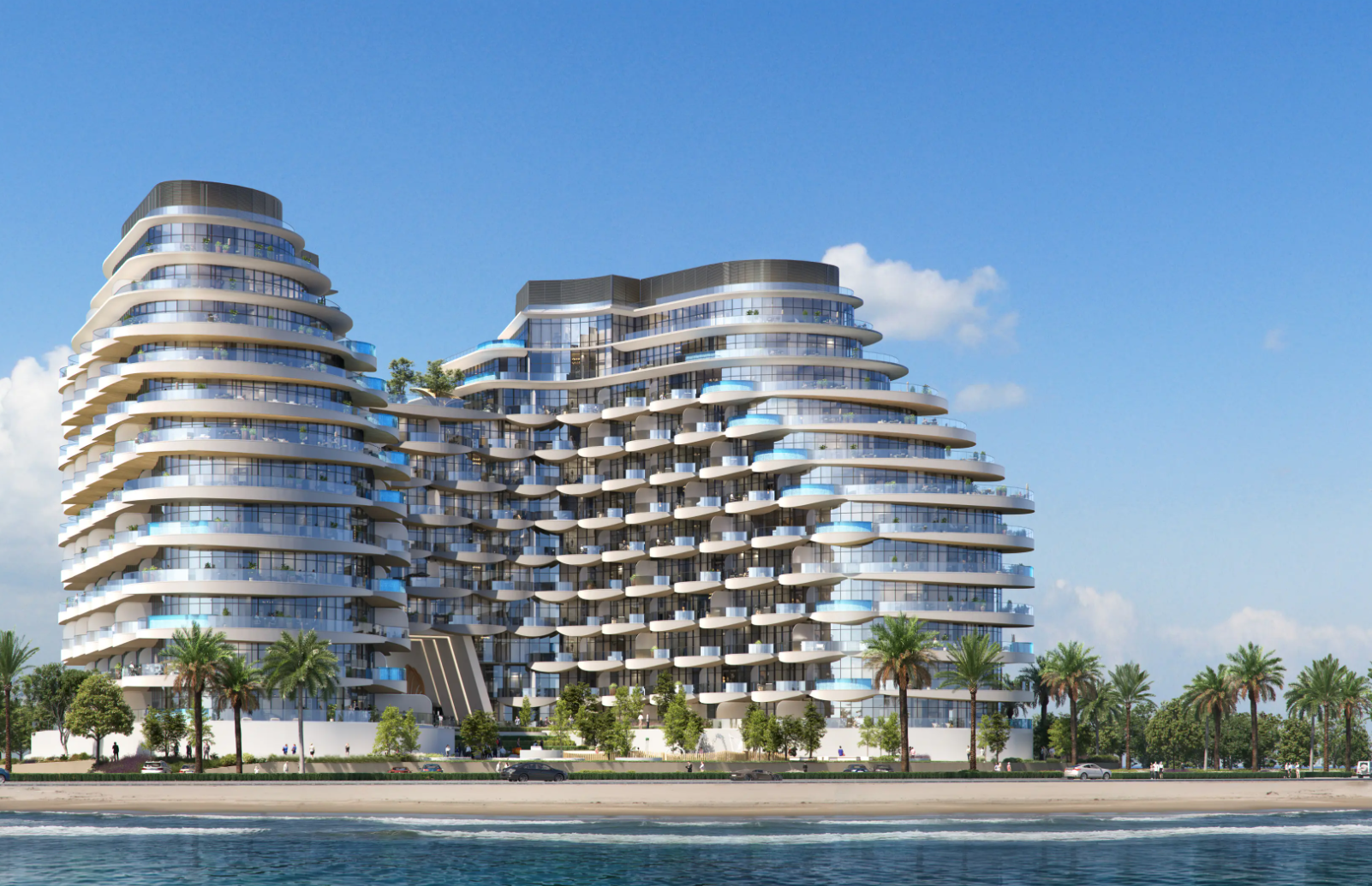
BNW Developments has established a Sydney presence, joining Arada and Sobha Realty among the growing number of UAE developers pursuing Australian buyers and development opportunities.

Australian shares fell on Thursday as Wall Street weakness, rising oil and persistent rate concerns weighed on most of the market. The S&P/ASX 200 declined 0.72 per cent to 8,702. The All Ordinaries lost 0.66 per cent to finish at 8,897. Mining stocks were hit particularly hard, while real estate also dragged on the index. …
Continue reading “ASX falls 0.7 per cent as miners and property stocks retreat”

 2 min
2 minAustralian shares fell on Thursday as Wall Street weakness, rising oil and persistent rate concerns weighed on most of the market.
The S&P/ASX 200 declined 0.72 per cent to 8,702. The All Ordinaries lost 0.66 per cent to finish at 8,897. Mining stocks were hit particularly hard, while real estate also dragged on the index.
Energy was the notable exception, gaining more than one per cent as Brent crude traded above US$103 a barrel. Oil had moved higher amid uncertainty surrounding potential US diesel-export restrictions and broader geopolitical supply risks. The move supported energy producers but renewed concern about inflation inputs across transport and the wider economy.
Gold shares were weak even as spot bullion remained historically elevated. The All Ordinaries Gold index fell about 2.25 per cent, showing that equity performance can diverge from the commodity because of valuation, currency, operating and company-specific factors.
Zip was a prominent loser, falling 11.38 per cent after the company reported short sales after the previous close. Nine Entertainment also weakened after UBS analysts warned of near-term revenue challenges associated with its advertising-supported subscription tier.
Premier Investments led larger winners despite caution about the retail environment. Breville, in which Premier owns a significant stake, also appeared among leading movers. In the broader ASX 300 screen, Myer gained 11.43 per cent and MAAS Group rose 7.93 per cent, while Lotus Resources fell 10.53 per cent. These percentage moves should be checked against company announcements and trading liquidity before attributing causes.
The Australian dollar was broadly flat at US70.38 cents. Spot gold was around US$4,280 an ounce, Brent crude approximately US$103.08 a barrel and iron ore near US$96.90 a tonne late in the session.
The rate outlook remains the central domestic catalyst. Labour-market weakness has not eliminated the possibility of an RBA increase next week, leaving banks, listed property and other rate-sensitive sectors exposed to changing expectations.
Market dashboard
S&P/ASX 200: 8,702, down 0.72 per cent.
All Ordinaries: 8,897, down 0.66 per cent.
Best sector: Energy, up more than one per cent.
Weakest areas: Real estate and materials were the major drags; confirm final sector percentages before publication.
Material winner: Premier Investments led the large-company gainers. Confirm its final closing move from the ASX before publication.
Material loser: Zip, down 11.38 per cent.
ASX 300 percentage leader: Myer, up 11.43 per cent.
ASX 300 percentage laggard: Zip, down 11.38 per cent.
AUD/USD: Approximately US$0.7038, broadly flat.

From Tokyo backstreets to quiet coastal towns and off-grid cabins, top executives reveal where they holiday and why stepping away makes the grind worthwhile.
BNW Developments has established a Sydney presence, joining Arada and Sobha Realty among the growing number of UAE developers pursuing Australian buyers and development opportunities.