Bitcoin, Other Cryptos Tick Up After Earlier Loss

 2 min
2 min
The price of Bitcoin and other cryptocurrencies rose Tuesday afternoon after a roller-coaster ride over the past two days. Digital currencies had briefly traded sharply higher Sunday after President Donald Trump announced plans to create a strategic reserve of cryptos , before falling back down Monday.
But they had begun to pare Monday’s losses by 5 p.m. Eastern time Tuesday. Bitcoin is up 1.2% to $87,688 over the past 24 hours, according to CoinDesk data. It had previously jumped to $95,136 after Trump announced the crypto reserve on Sunday.
Most cryptos popped Sunday in response to the news of a crypto reserve. But by late Tuesday afternoon, of the five cryptos singled out by Trump for inclusion in the strategic reserve— XRP , Cardano , Solana , Bitcoin, and Ethereum —only XRP and Cardano had held on to significant gains. The rest were trading around their pre- announcement prices.
XRP, the digital coin used to facilitate and settle payments on the Ripple platform, rose 3% to $2.49, while Cardano rose 10% to 95 cents.
Ethereum gained 0.4% to $2,175 and Solana rose 1.5% to $145.
Before Tuesday’s uptick, FxPro analyst Alex Kuptsikevich said, “sentiment in the cryptocurrency market has returned to extreme fear territory,” noting that it was at its second-lowest level in more than 2½ years. Only on Thursday was sentiment worse.
Pressure in other markets has clipped the cryptocurrencies’ wings, Kuptsikevich added. The tariffs the president had threatened against Mexico and Canada took effect Tuesday , sending markets lower.
The Dow closed down 1.6%, erasing all its gains since the election. The Nasdaq Composite briefly slid into correction territory, before closing down 0.4%, and the S&P 500 fell 1.2%.
Sunday’s executive order to potentially include altcoins XRP, Solana, and Cardano in a U.S. crypto strategic reserve was also ill-received by the Bitcoin community, said Michael Terpin, CEO of Transform Ventures, a blockchain communications firm.
“While providing tax incentives to American crypto companies is a good idea, a strategic stockpile should only include the highest quality, truly decentralized digital asset: Bitcoin,” Terpin said. “Adding secondary cryptos controlled by companies and foundations would be akin to adding gold mining and energy stocks to the strategic gold and oil reserves.”
 Copyright 2020, Dow Jones & Company, Inc. All Rights Reserved Worldwide. LEARN MORE




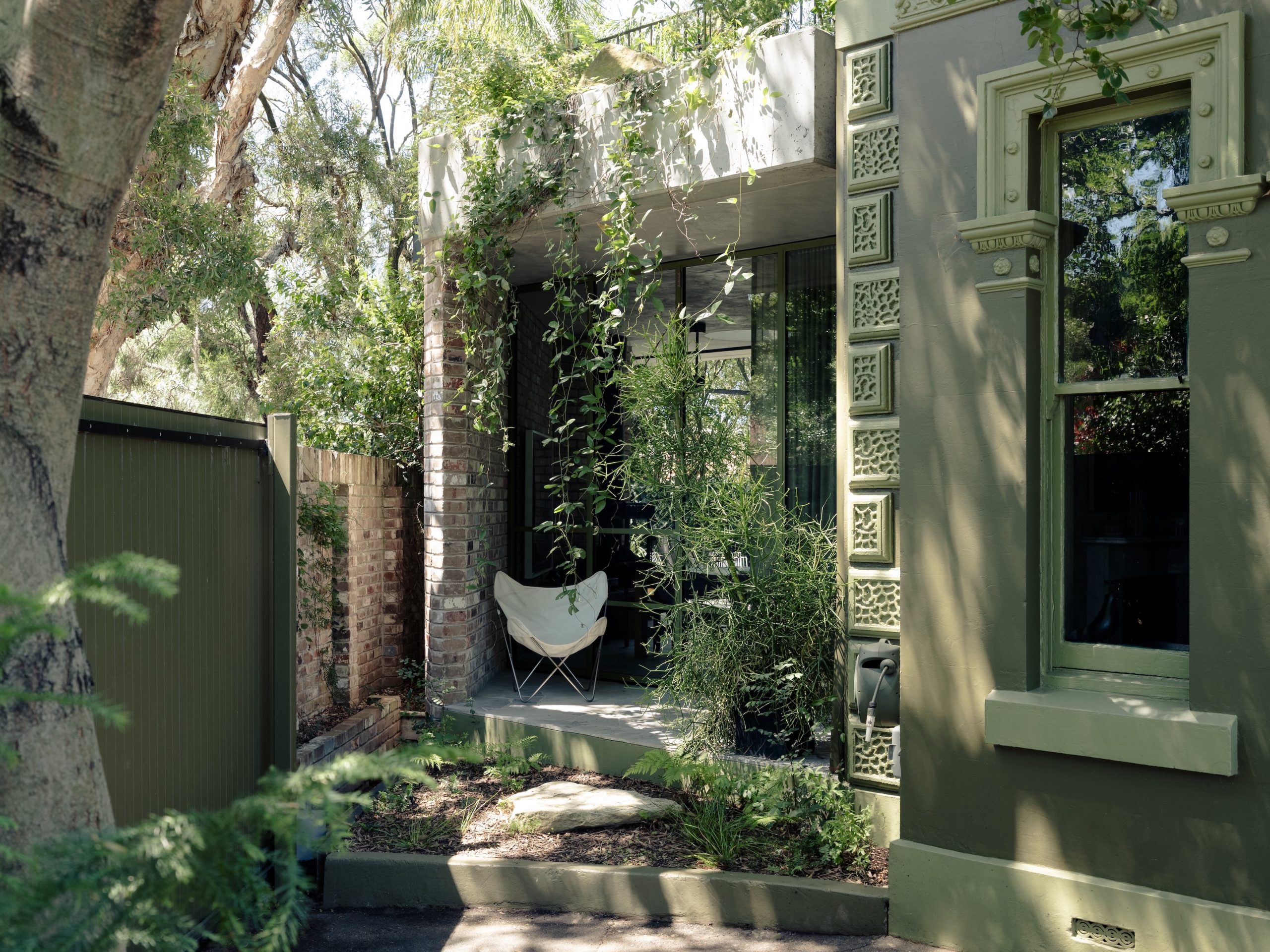
From bushland greens to valley reds, the country’s most awarded designers are proving that the best colour palette was never on a swatch card; it was outside the window all along.
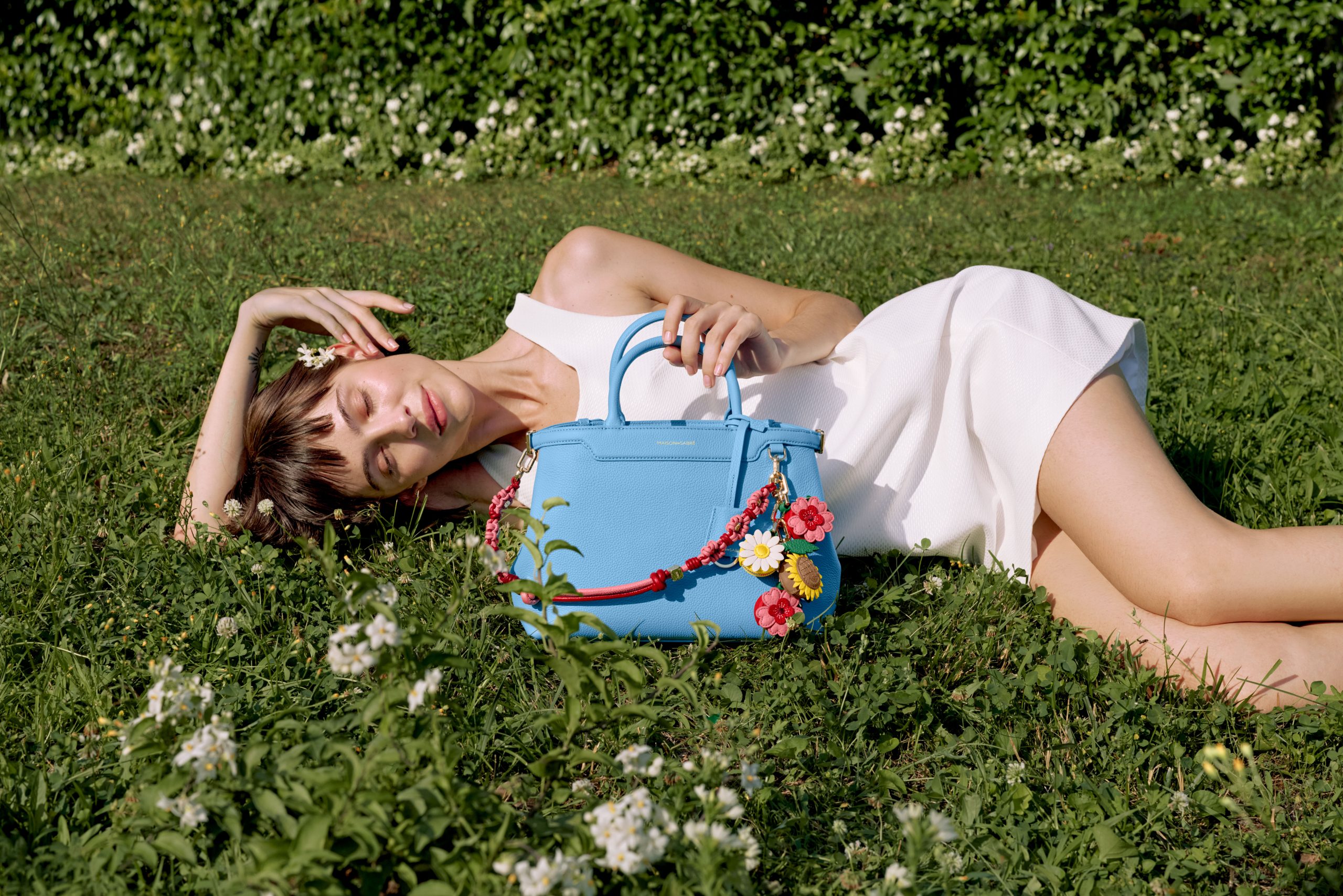
The Australian leather house has opened an immersive four-day pop-up in Manhattan, unveiling its Bloom Collection and redefining what a product launch can look like.

The federal budget has rattled property investors. But the biggest mistake isn’t the tax changes, it’s the conclusion many are drawing from them.
2 min
The recent budget has forced a reckoning for property investors.
Negative gearing now restricted to new residential builds, the CGT discount gone and on paper, the numbers look different.
And many investors are responding by pivoting toward yield, prioritising cash flow over capital growth in a way that property strategists say misses the point entirely.
“The debate has shifted to yield versus growth as if they are opposing forces,” says Abdullah Nouh, founder of Melbourne-based buyers’ agency Mecca Property Group. “But that framing is itself the mistake.”
Nouh, who works with high-net-worth families and investors on long-term acquisition strategy, argues that capital growth remains the primary driver of genuine wealth creation and that the post-budget environment has made quality assets more important, not less.
The numbers make his case plainly. An additional $500 per week in rental income is welcome. A prestige asset appreciating by $1 million over a market cycle is transformative.
These are not equivalent outcomes, and portfolios built around yield at the expense of location and land value tend to generate income while wealth stands largely still.
The more nuanced shift Nouh is seeing among sophisticated investors is a move toward assets where both outcomes can be engineered simultaneously – established homes on substantial land in quality locations, where the existing dwelling can be repositioned, rental returns improved, and the underlying land value compounds independent of what sits on it.
For investors with existing equity, commercial property is also entering the conversation in a more serious way.
Prestige industrial assets, medical centres and long-leased essential retail offer income profiles that residential property in most capital city markets cannot currently match: longer lease terms, tenants covering outgoings, and greater predictability than the residential tenancy cycle.
“The investors who build lasting wealth are rarely the ones who chased yield or growth exclusively,” says Nouh.
“They are the ones who built a strategy they could sustain – one that generated enough income to hold quality assets through multiple cycles while those assets compounded in value.”
The budget has changed the settings. It has not changed the fundamentals.

A long-standing cultural cruise and a new expedition-style offering will soon operate side by side in French Polynesia.

Hand-built in Melbourne and limited to just 10 cars a year, the Zeigler/Bailey Z/B 4.4 is reshaping what a modern collector car can be.