Christie’s to Offer Two Landscapes by Lucian Freud in London

 3 min
3 min
Two landscapes by Lucian Freud previously in the collection of British businessman and philanthropist Simon Sainsbury will be offered next month at Christie’s in London, the auction house announced Friday.
Separately, Sotheby’s released additional highlights of its upcoming Masters Week in New York, including an over 400-year-old Anthony Van Dyke painting, A Sketch for Saint Jerome, that was found in a farm shed in the late 20th century in New York. The auction house expects to bring in more than US$100 million from across nine sales running now until early February.
Christie’s sale of the two Freud landscapes will take place on the evening of Feb. 28 in London. Offered by the same private collector, both paintings were formerly in the collection of Sainsbury, whose family founded Sainsbury’s, the second largest chain of supermarkets in the U.K. Upon his death in 2006 at the age of 76, Sainsbury bequeathed the majority of his art collection, estimated to be worth £100 million at the time, to the National Gallery and the Tate Gallery in London.
One of the paintings, Scillonian Beachscape from 1945-46, will make its first public appearance on the market since 1974 and has a presale estimate of between £3.5 million and £5.5 million (US$4.3 million and US$6.8 million). Depicting a dreamlike coastal scene in lush, sun-drenched color, it was inspired by Freud’s visit to the Isles of Scilly and directly based on his drawing, Untitled, which sold for £138,600 at Christie’s in London last October.

The other, Garden from the Window, depicts the artist’s garden at 138 Kensington Church Street. It was first unveiled at the Tate in London in 2002, and its debut auction at Christie’s is expected to fetch £2.5 million and £3.5 million.
“Lucian Freud, revered as one of the greatest painters of the 20th century, continually returned to the natural world as a source of rich inspiration throughout his career. This lifelong fascination is perfectly encapsulated in these two exquisite paintings which offer viewers insight into both his early and late life,” Tessa Lord, acting head of department of Post-War and contemporary art at Christie’s London, said in a news release.
The National Gallery in London has recently organized a centenary retrospective “Lucian Freud: New Perspectives,” which will move to Thyssen-Bornemisza Museo Nacional in Madrid in February.
Freud’s auction record was set by his painting large interior w11 (after watteau), 1981-83, from the collection of Paul Allen. It sold for US$86.3 million last November at Christie’s in New York.

Meanshile, t Sotheby’s, its first major sale of the year will be its Masters Week in New York, which is expected to bring in more than US$100 million across nine sales that will run through early February.
The sales will be led by 10 Baroque masterpieces from the collection of Mark Fisch, a real estate developer and a trustee of the Metropolitan Museum of Art in New York, and his ex-wife, Rachel Davidson, a former New Jersey judge. The two filed for divorce last year. Highlighting the collection, to be auctioned next Thursday, is a 1609 Rubens masterpiece, Salome Presented with The Severed Head of Saint John the Baptist, with an estimate of between US$25 million and US$35 million.
The sales also include The One, a new format sale featuring one-of-a-kind objects throughout history. This sale will be led by Kobe Bryant’s Lakers jersey with a high estimate of US$7 million, and a Princess Diana’s dress, with a presale estimate between US$80,000 and US$120,000.
A Sketch for Saint Jerome from 1615-18 by Anthony Van Dyck that was discovered in the late 20th century in a farm shed in Kinderhook, N.Y., will be offered in the region of US$2 million and US$3 million. A portion of proceeds from the sale will benefit the Albert B. Roberts Foundation, which supports artists and other creatives.
Roberts, a collector of “lost” pieces, purchased the sketch for US$600. Soon afterwards, the sketch was recognized by art historian Susan J. Barnes as a “surprisingly well preserved” autograph work by Van Dyck, according to Sotheby’s.
He died in August 2021 at the age of 89.
 Copyright 2020, Dow Jones & Company, Inc. All Rights Reserved Worldwide. LEARN MORE




Victorian auction buyers will soon receive a piece of information that has traditionally been withheld until bidding reaches it: the vendor’s reserve price. Under new property-sale and underquoting laws, agents must publish the agreed reserve at least seven days before an auction or fixed-date sale. Most changes begin on 1 October 2026 and apply to …
Continue reading “Victoria’s New Auction Rules Will Force Reserve Prices Into the Open”
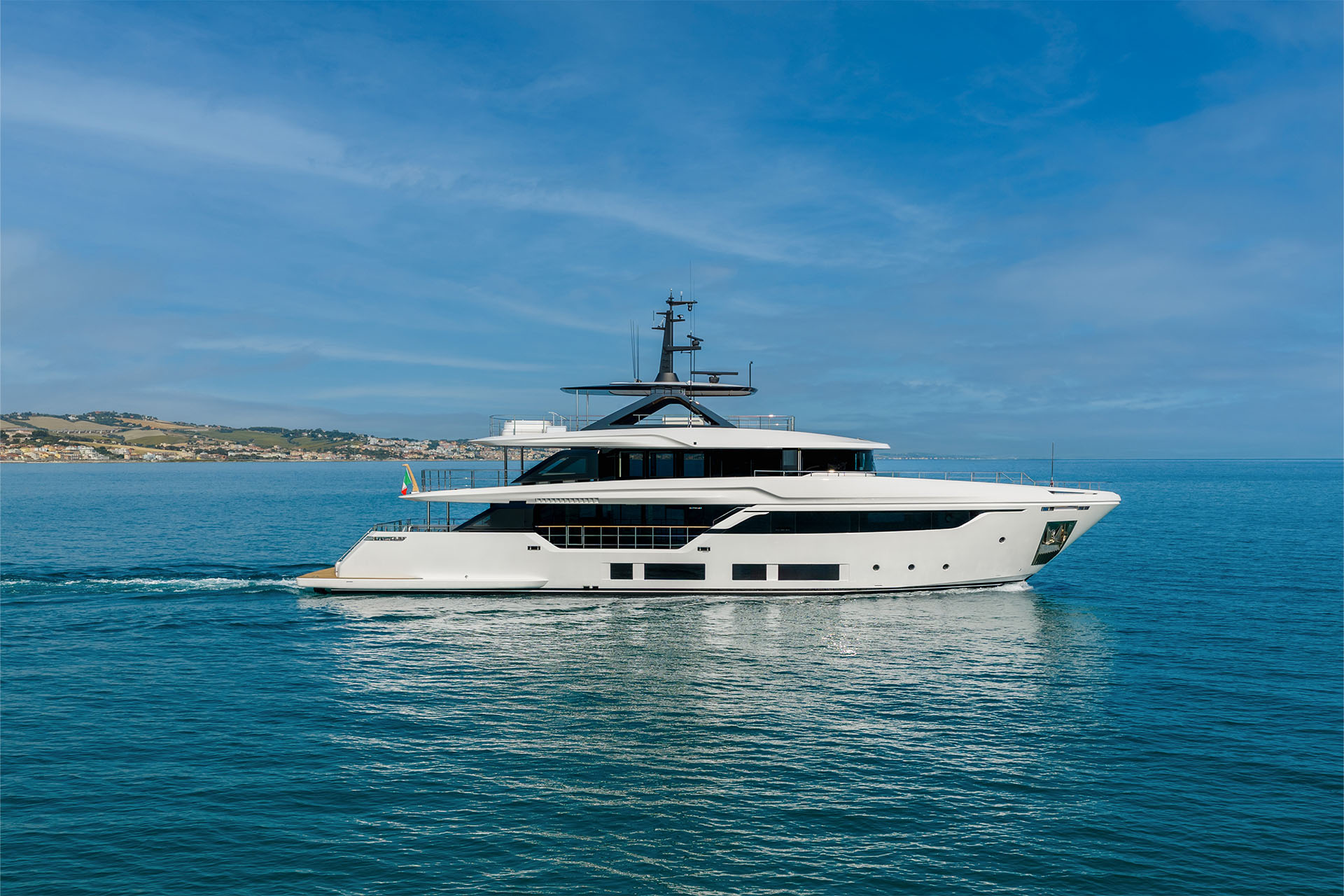
Four decks, 34.5 metres and a made-to-measure interior: step aboard the new Custom Line Navetta 35, unveiled at Cannes.
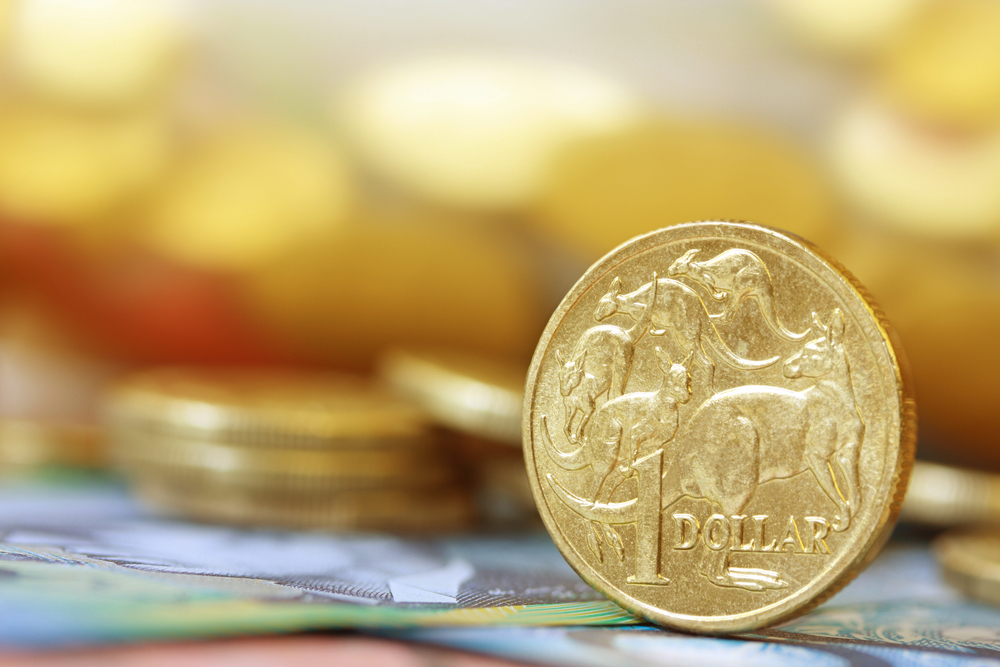
The ASX 200 rose about 0.27% as energy and materials advanced. Woodside and gold miners gained while financials and technology weakened.
2 min
The Australian sharemarket rebounded from its lowest close in three months on Wednesday, with energy and materials companies leading a cautious recovery.
The S&P/ASX 200 finished approximately 23 points, or 0.27 per cent, higher at 8,695.6 on 16 September. A second data source placed the closing index at 8,696.5, up 24 points or 0.28 per cent. The official close should be confirmed through a licensed feed before publication.
The broader All Ordinaries added 25.2 points, or 0.28 per cent, to 8,874.5.
Energy was the strongest sector, rising 2.19 per cent as Australian producers reflected the previous overnight increase in global oil prices. Woodside gained 2.84 per cent. Brent had settled near US$108.75 a barrel before the local session, although it later traded around US$107.68.
Materials advanced 1.28 per cent and provided the largest positive contribution to the index. Gold producers featured prominently among the strongest stocks, with Pantoro rising 9.3 per cent and St Barbara gaining 8.18 per cent. BCI Minerals added 7.48 per cent.
Financials fell 0.37 per cent, detracting from the benchmark despite earlier strength. Rate expectations remained a significant influence after Westpac joined the other major banks in forecasting a possible Reserve Bank increase in November. Higher rates can expand bank margins in some circumstances but also raise funding costs and increase the risk of loan stress and slower credit growth.
Technology remained weak. Life360 declined 5.46 per cent, while healthcare names that had rallied during Tuesday’s sell-off gave back ground. 4DMedical lost 5.35 per cent and Telix Pharmaceuticals fell 4.96 per cent.
James Hardie dropped 5.23 per cent. Codan moved against the weaker technology tone, gaining 7.51 per cent.
The session produced positive breadth, with more advancers than decliners among the largest 250 stocks, but the broader backdrop remains unsettled. Oil prices have revived inflation concerns, bond yields are elevated and investors are assessing the prospect of further monetary tightening in Australia and the United States.
The rebound therefore recovered only part of Tuesday’s 0.9 per cent decline. For Thursday, investors will be watching overnight central-bank developments, energy markets and whether gains can broaden beyond resources.
Market dashboard — 16 September 2026
S&P/ASX 200* Approximately 8,695.6, up 23.1 points or 0.27 per cent; verify the official closing print
All Ordinaries: 8,874.5, up 25.2 points or 0.28 per cent
Best-performing sector: Energy, up 2.19 per cent
Materials: Up 1.28 per cent
Weak sector: Financials, down 0.37 per cent
Leading mover: Pantoro, up 9.30 per cent
Notable large-cap mover: Woodside, up 2.84 per cent
Notable loser: Sunrise Energy Metals, down 6.22 per cent
Life360: Down 5.46 per cent
Australian dollar: About US71.3 cents in the preceding market snapshot
Gold: Approximately US$4,375 an ounce in the afternoon snapshot
Brent crude: Approximately US$107.68 a barrel in the afternoon snapshot
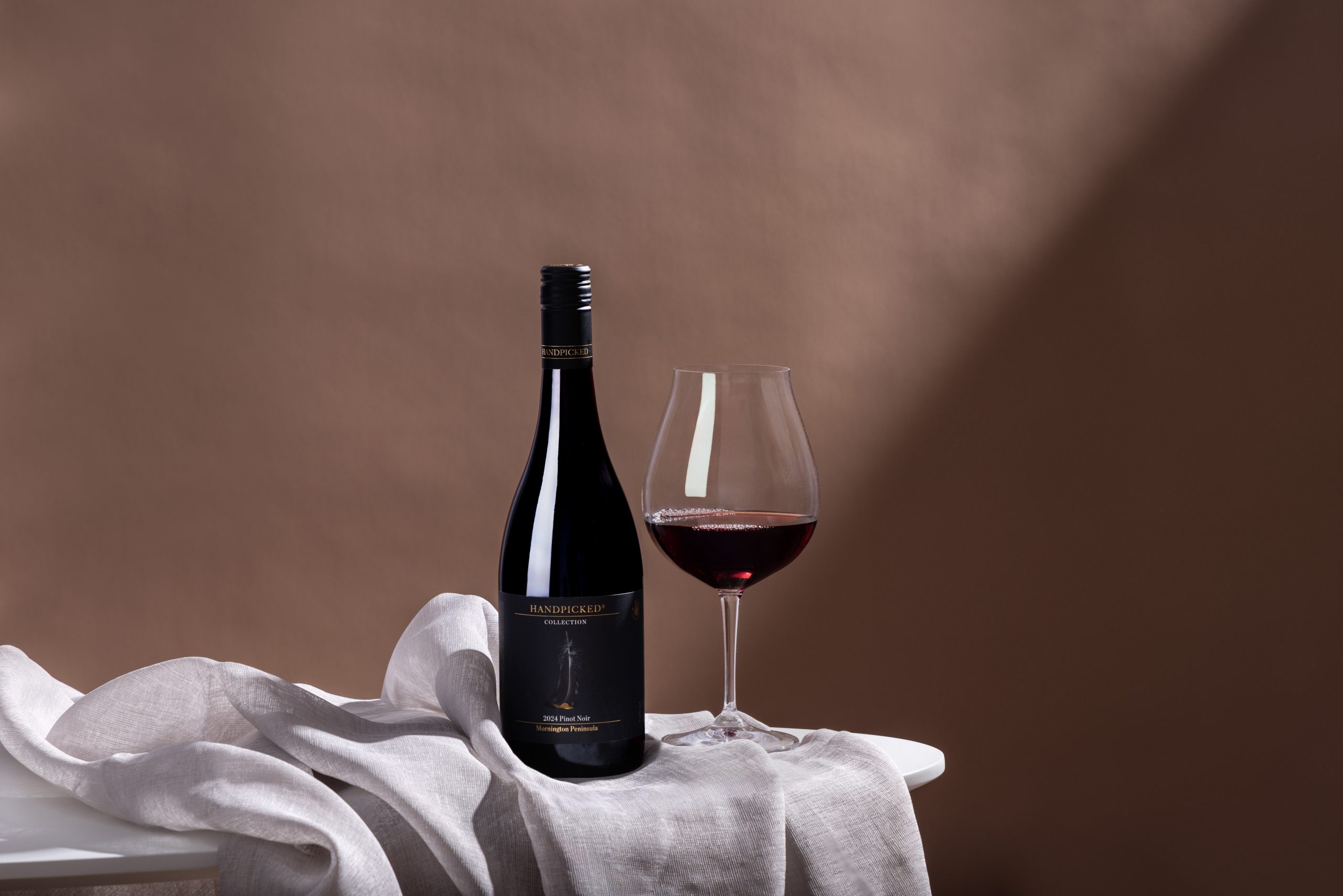
As the season turns, Handpicked Wines’ latest Pinot Noir and Chardonnay releases reveal how subtle shifts in place shape what ends up in the glass.

Barnet, in North London, lays claim to two of the country’s most expensive roads to own a home.