Australians Intend to Spend $30 Billion This Christmas
Flights are the most expensive item in holiday budgets this silly season
 2 min
2 min
Despite the cost of living crisis, Australians intend to spend $30 billion this Christmas on presents and festivities, which is about 10% more than they did in 2022. This averages out to about $1,479 per person, up from $1,361 in 2022, according to Finder’s Consumer Sentiment Tracker survey conducted last month.
The survey asked people aged over 18 in Australia’s five biggest states how much they intended to spend across the key categories of presents, food, alcohol, eating out and travel this Christmas. Victorians have the biggest spending budgets of $1,765 per person, followed by those in New South Wales at $1,657. The lowest spending state will be Queensland at $1,067 per person. Among the generational age groups, millennials intend to spend the most this Christmas at $1,924 per person on average, and Gen Z plans to spend the least at $1,023 per person.
The biggest budget category is airfares with an estimated $533 average spend per person. Residents of New South Wales will spend the most at $710 per person, while those living in one of Australia’s most traditionally popular holiday destinations – Queensland – will spend the least at $316 per person. Gen Y Australians will be the biggest travel spenders this season by a large margin, spending $898 per person for flights compared to an average of $440 or less across all other generational age brackets.
Domestic airfares hit a historical high in December 2022. They have since fallen but remain above pre-pandemic levels. A report released by the Australian Competition and Consumer Commission (ACCC) in June found that prices were coming down due to lower jet fuel costs, an easing in post-COVID travel demand and “the rising cost of living becoming a greater concern for consumers”.
But on a long-term view, the ACCC says a lack of industry competition means airfares will remain relatively expensive in Australia. “Without a real threat of losing passengers to other airlines, the Qantas and Virgin Australia airline groups have had less incentive to offer attractive airfares, develop more direct routes, operate more reliable services, and invest in systems to provide high levels of customer service, ACCC Chair Gina Cass-Gottlieb said. “Rex’s expansion onto major intercity routes and Bonza’s launch have been positive developments for competition, but their share of the market is small and there are barriers to growth.”
After flights, the next most expensive Christmas category was presents, with Australians planning to spend an average of $373. Among the remaining categories, Australians will spend an average of $249 on food, $192 on alcohol and $133 on dining out. Baby boomers are planning the booziest Christmas with an average alcohol spend of $524 per person, which is vastly higher than all other age groups who intend to spend $110 or less.
Many Australians say they are trying to rein in their spending by planning their Christmas celebrations early. The survey found 26% of respondents planned to take advantage of Black Friday sales and 25% will buy food and presents early to help control their spending. Almost one in five Aussies say they will implement a gift-giving limit, while 8% plan to make gifts and 7% plan to re-gift unwanted presents. Some families are giving up on gifts altogether, with 6% saying they’ve agreed to a present-free Christmas this year.
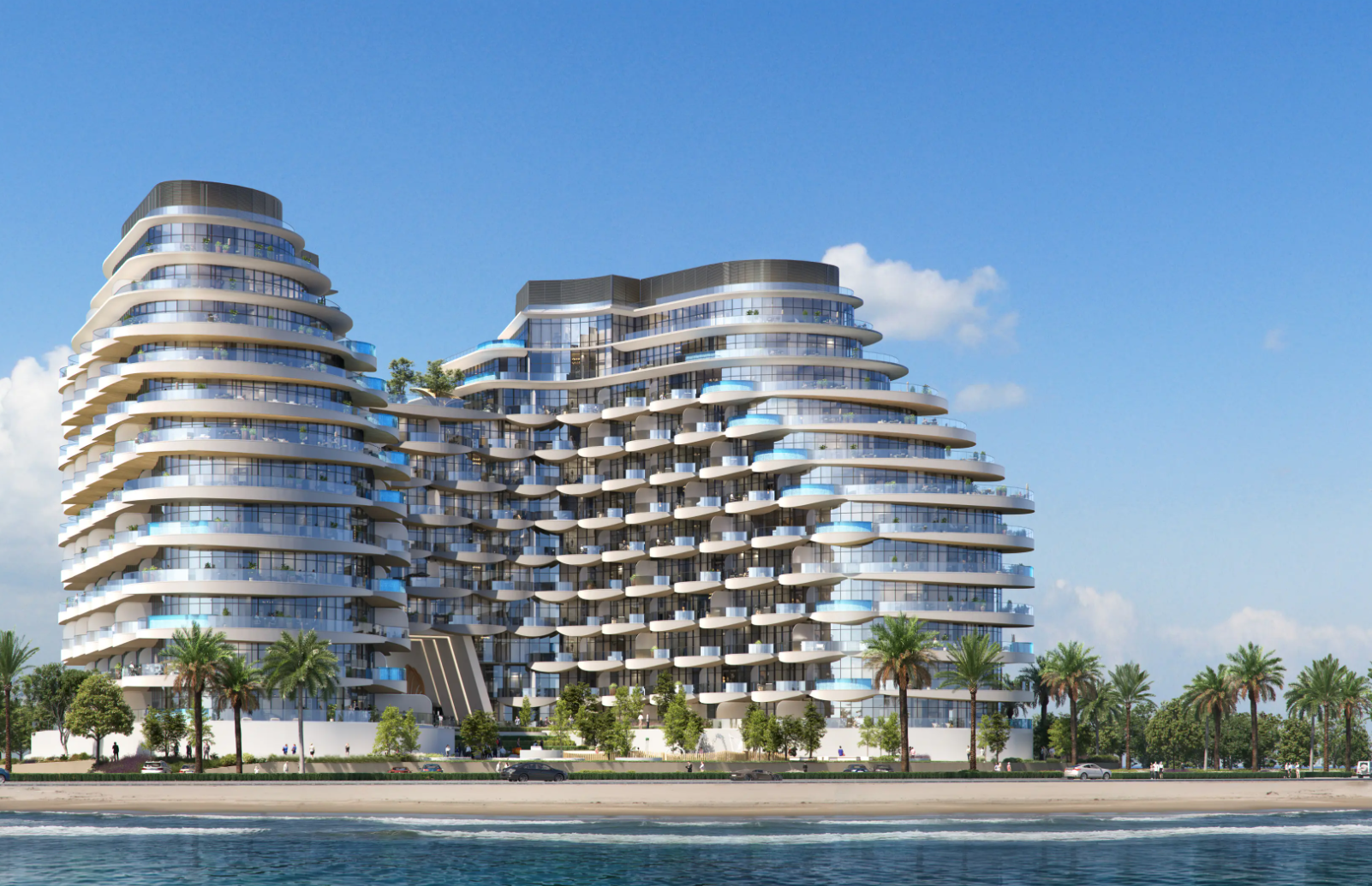
BNW Developments has established a Sydney presence, joining Arada and Sobha Realty among the growing number of UAE developers pursuing Australian buyers and development opportunities.

Australian shares fell on Thursday as Wall Street weakness, rising oil and persistent rate concerns weighed on most of the market. The S&P/ASX 200 declined 0.72 per cent to 8,702. The All Ordinaries lost 0.66 per cent to finish at 8,897. Mining stocks were hit particularly hard, while real estate also dragged on the index. …
Continue reading “ASX falls 0.7 per cent as miners and property stocks retreat”

 2 min
2 minAustralian shares fell on Thursday as Wall Street weakness, rising oil and persistent rate concerns weighed on most of the market.
The S&P/ASX 200 declined 0.72 per cent to 8,702. The All Ordinaries lost 0.66 per cent to finish at 8,897. Mining stocks were hit particularly hard, while real estate also dragged on the index.
Energy was the notable exception, gaining more than one per cent as Brent crude traded above US$103 a barrel. Oil had moved higher amid uncertainty surrounding potential US diesel-export restrictions and broader geopolitical supply risks. The move supported energy producers but renewed concern about inflation inputs across transport and the wider economy.
Gold shares were weak even as spot bullion remained historically elevated. The All Ordinaries Gold index fell about 2.25 per cent, showing that equity performance can diverge from the commodity because of valuation, currency, operating and company-specific factors.
Zip was a prominent loser, falling 11.38 per cent after the company reported short sales after the previous close. Nine Entertainment also weakened after UBS analysts warned of near-term revenue challenges associated with its advertising-supported subscription tier.
Premier Investments led larger winners despite caution about the retail environment. Breville, in which Premier owns a significant stake, also appeared among leading movers. In the broader ASX 300 screen, Myer gained 11.43 per cent and MAAS Group rose 7.93 per cent, while Lotus Resources fell 10.53 per cent. These percentage moves should be checked against company announcements and trading liquidity before attributing causes.
The Australian dollar was broadly flat at US70.38 cents. Spot gold was around US$4,280 an ounce, Brent crude approximately US$103.08 a barrel and iron ore near US$96.90 a tonne late in the session.
The rate outlook remains the central domestic catalyst. Labour-market weakness has not eliminated the possibility of an RBA increase next week, leaving banks, listed property and other rate-sensitive sectors exposed to changing expectations.
Market dashboard
S&P/ASX 200: 8,702, down 0.72 per cent.
All Ordinaries: 8,897, down 0.66 per cent.
Best sector: Energy, up more than one per cent.
Weakest areas: Real estate and materials were the major drags; confirm final sector percentages before publication.
Material winner: Premier Investments led the large-company gainers. Confirm its final closing move from the ASX before publication.
Material loser: Zip, down 11.38 per cent.
ASX 300 percentage leader: Myer, up 11.43 per cent.
ASX 300 percentage laggard: Zip, down 11.38 per cent.
AUD/USD: Approximately US$0.7038, broadly flat.
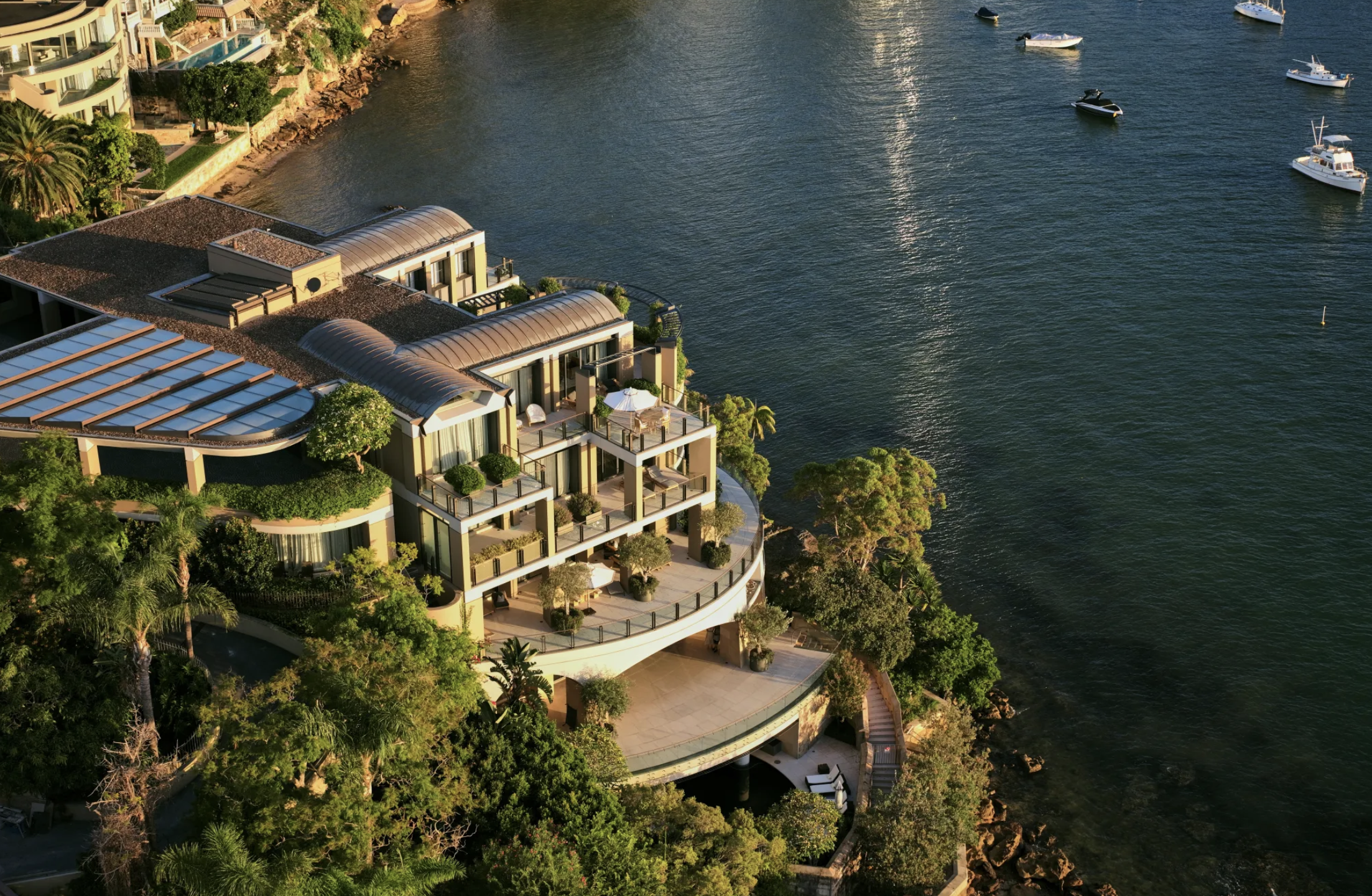
Records keep falling in 2025 as harbourfront, beachfront and blue-chip estates crowd the top of the market.

With two waterfronts, bushland surrounds and a $35 million price tag, this Belongil Beach retreat could become Byron’s most expensive home ever.