SCIENCE FICTION MEETS MARKET REALITY: ANDERS SÖRMAN-NILSSON ON THE FUTURE OF PROPERTY
Global futurist Anders Sörman-Nilsson says AI, climate change and shifting demographics are rewriting the rules of real estate.
 3 min
3 min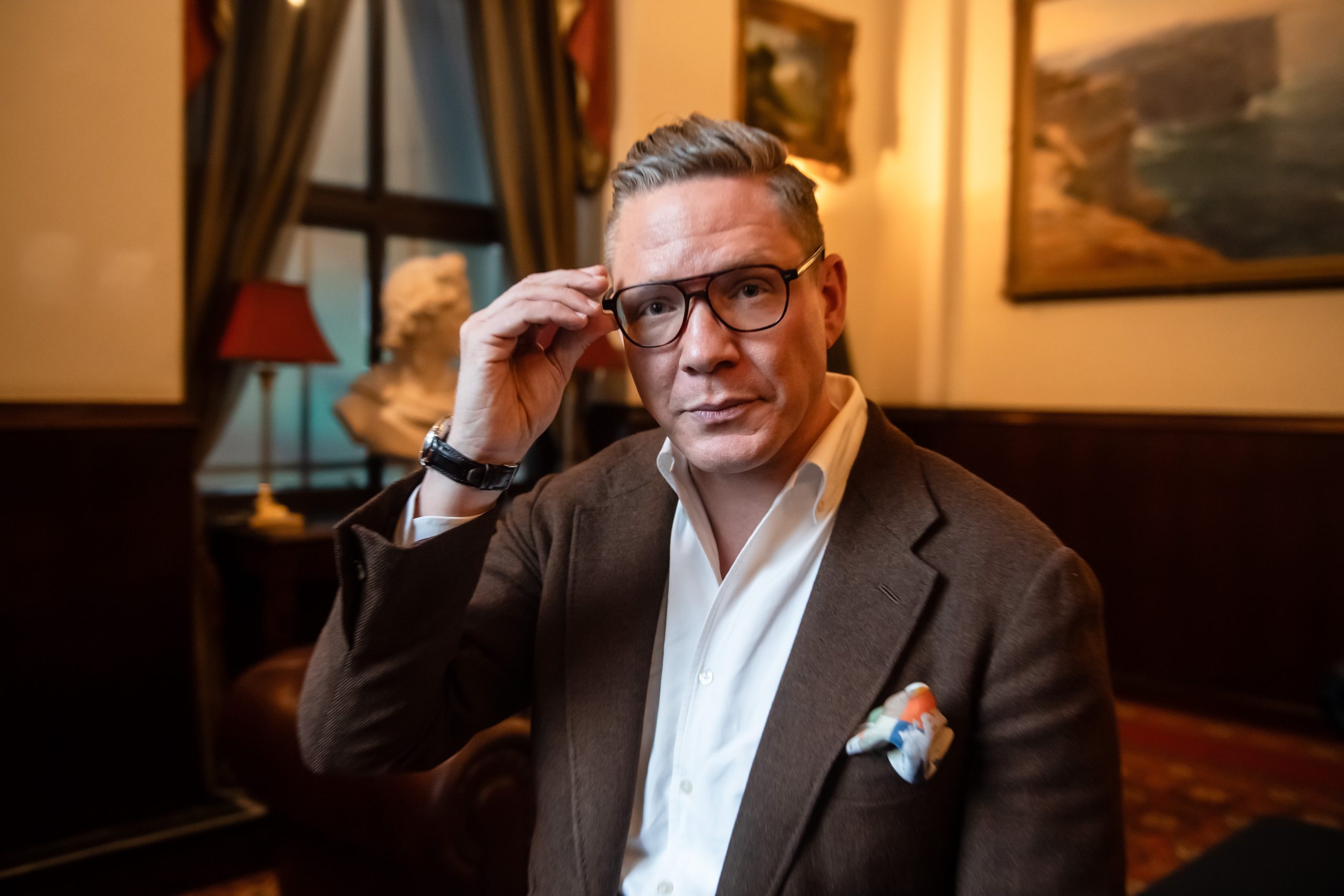
“Today’s luxury is tomorrow’s expectation.”
It was one of Anders Sörman-Nilsson’s throwaway lines – but the kind that sticks. The Swedish-Australian futurist wasn’t talking about marble benchtops or rooftop pools. He meant robots in the home, AI personal assistants and cities so climate-resilient they could add decades to your life.
For Sörman-Nilsson, science fiction is no longer something you watch. It’s the world you live in, and if you’re in property, you’d better be designing for it now.
Take transport. In Los Angeles recently, he rode in a Waymo self-driving car and “never felt safer”. No human driver, no small talk, no risk of road rage. Just seamless, sensor-driven efficiency. Or healthcare. His GP now uses an AI medical scribe to complete reports and referrals, saving hours of paperwork. For patients, it means more time with the doctor and medical instructions translated into plain English.
These examples aren’t novelties. They’re signals. “AI is taking the robot out of the human,” he told the audience.
“It’s letting us do less of the menial and the mundane, and more of the meaningful and the human.”
Speaking to more than 100 property and investment leaders at the inaugural Kanebridge Quarterly Property Summit in Sydney, Sörman-Nilsson set out a future that is as exhilarating as it is confronting.
The night opened with a data-rich address from expert economist Dr Andrew Wilson, who set the economic scene for the year ahead.
His forecast: a robust housing market through 2025, underpinned by falling interest rates, inflation easing back to the RBA’s target, and a still-strong labour market.

From there, the conversation shifted from the short-term economic outlook to the long-term forces reshaping the industry, as futurist Sörman-Nilsson took the stage.
Over the course of an hour, Sörman-Nilsson unpacked the three significant forces reshaping real estate: AI, demographics and design, and why ignoring them could be fatal for investors, developers and cities alike.
One of his sharpest warnings was about climate change and the emergence of “climate oases” – the select cities and regions that will remain liveable and attractive as others become too hot, flood-prone or costly to protect.
“In Australia, Hobart, Launceston, and Canberra are among the most climate-resilient,” he said.
“People are already moving there for cooler temperatures and security. That’s not a trend you want to ignore if you’re thinking about where value will hold.”
Demographics, too, are shifting in ways the property market can’t afford to overlook. By 2035, Sörman-Nilsson predicts that 40 per cent of households could be single-person households. Fewer children, more solo living and longer lifespans will require housing models that prioritise community, flexibility and wellness over sheer size.
“If you want to live in Sydney in the future,” he quipped, “you might never know your grandkids because they’ll have to move somewhere they can actually afford.”
The implications for design are profound. He points to “Blue Zone” principles – the habits and environments linked to long, healthy lives – as a template for next-generation developments.
Think walkable neighbourhoods, green spaces, social connection and accessible services.
“Singapore has become the first urban Blue Zone by design,” he said. “If they can do in 20 years what took Okinawa hundreds, there’s no excuse for our cities not to aim higher.”
For all the provocation, there was consensus in the room. Panellist Darren Younger, CEO of Assetora, said the opportunity for property to integrate technology at the foundational level has never been greater.
“Technology isn’t just an add-on anymore. It’s becoming the foundation for how we design, transact and manage property,” he said. “From fractional ownership to AI-driven maintenance systems, the innovations are here; we just need to deploy them.”
Want more? Read the full story in the spring issue of Kanebridge Quarterly, here.
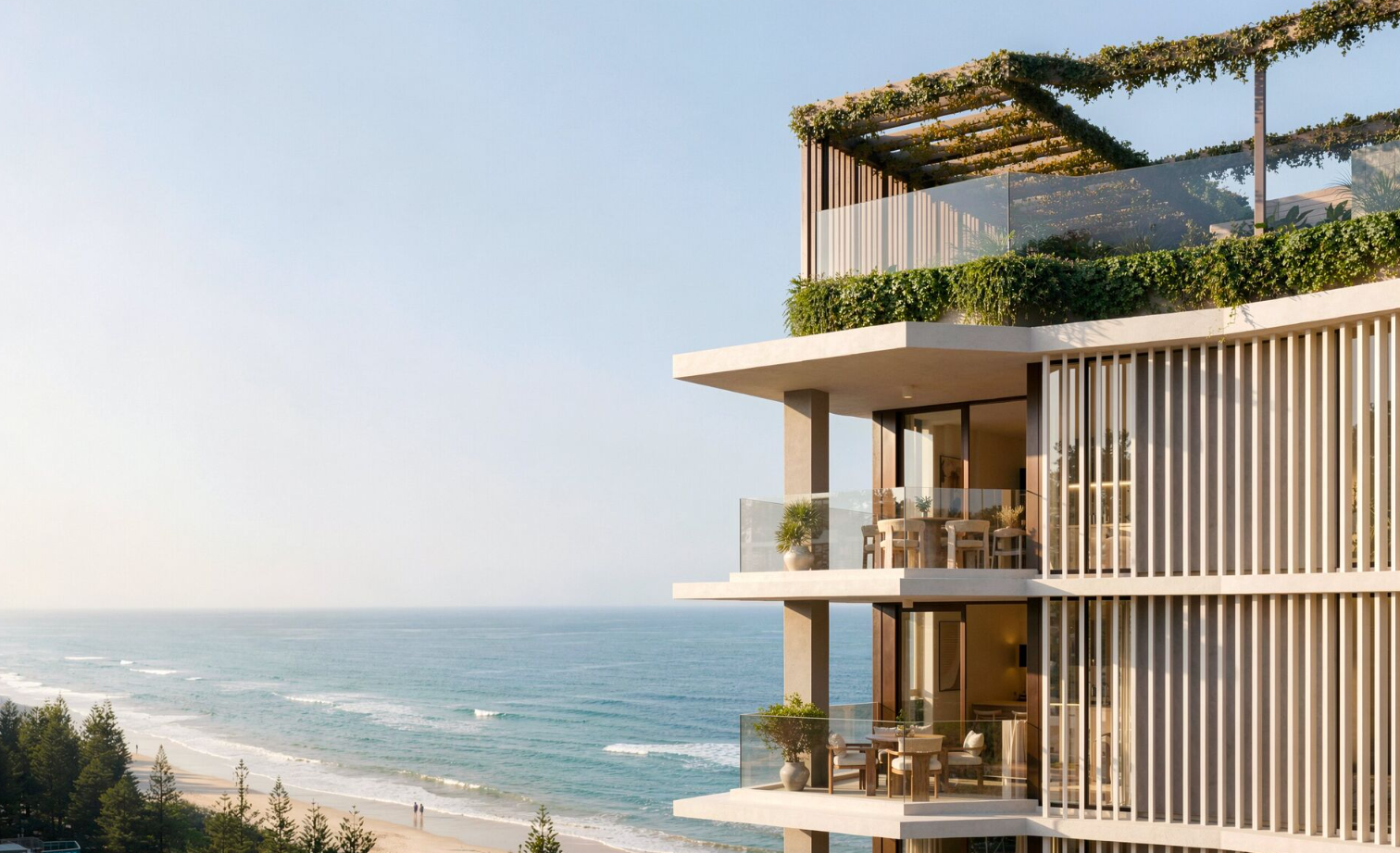
Studio apartments have almost disappeared from new Australian developments. Lura is bringing them back to Burleigh Heads from $495,000.
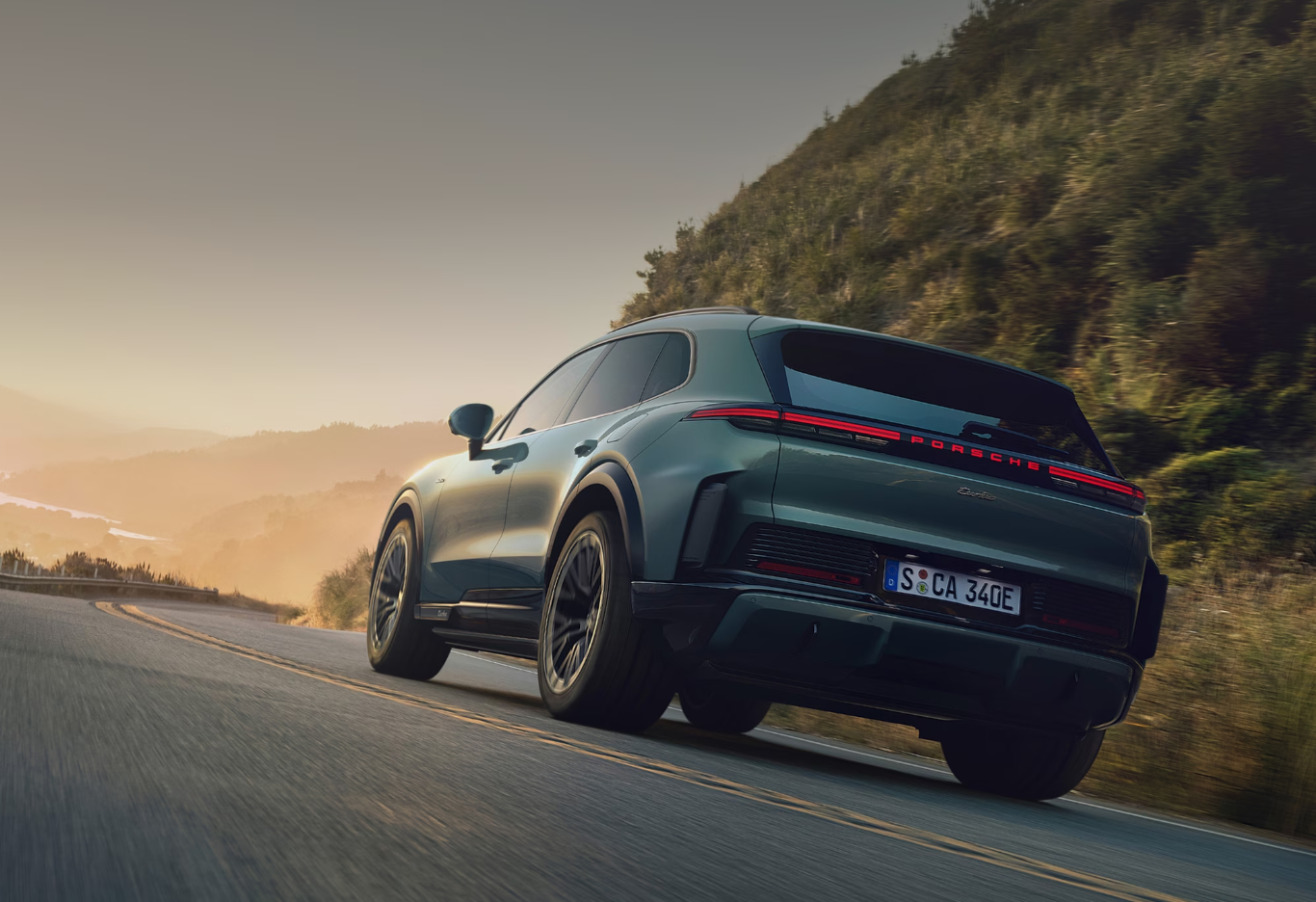
Porsche’s Cayenne Turbo Electric produces up to 1,156PS and reaches 100km/h in a claimed 2.5 seconds.
Bjorn Farrugia was named for Björn Borg, the ice-cool Swede who once ruled Wimbledon’s Centre Court, and for a long stretch of his young life the name felt like a mandate
3 min
A tennis scholarship took him to America two decades ago with no return ticket in mind. Today the Melbourne-born, Beverly Hills-based agent is one of the most decorated names in Los Angeles luxury real estate — and still calls himself an Australian first.

New research suggests that bonuses make employees feel more like a mere cog in a wheel.
As housing drives wealth and policy debate, the real risk is an economy hooked on growth without productivity to sustain it.