15 Stocks to Buy Around the World, From Our International Roundtable Experts

 14 min
With wars raging again in Europe and the Middle East, and U.S.-China tensions on the boil, the political order that underpinned markets for decades is under serious threat. So, too, is the financial order, as the U.S., Europe, and even Japan exit the zero-interest-rate era, and the U.S. and China face deteriorating fiscal health. In other words, after years of relative peace and prosperity, seismic changes could lie ahead. That is an opportunity for investors.
What to do now? Barron’s sought the advice of four of the savviest market watchers we know, who took us on a virtual global tour of investment hot spots in a Nov. 3 roundtable discussion held on Zoom, and in follow-up conversations. From the bull market unfolding along the Istanbul-to-Jakarta axis to the economic liberalisation taking place in parts of Latin America and the Middle East, our roundtable panelists see reasons to cheer the global transformation under way, notwithstanding some painful dislocations. They also see plenty of well-positioned companies around the world with irresistibly priced shares.
Our international experts include Joyce Chang, chair of global research at J.P. Morgan; Louis-Vincent Gave, co-founder of Hong Kong-based Gavekal Research; Matthew McLennan, co-head of the global value team at First Eagle Investments, who oversees $86 billion; and Rajiv Jain, chairman and chief investment officer of GQG Partners, which manages $107 billion.
An edited version of the roundtable discussion follows.
So far, the war in the Middle East hasn’t ruffled U.S. investors. Why is that?
Louis-Vincent Gave: Most actors in the region have been busy trying to de-escalate. Perhaps that is why the markets have brushed this off, as horrible as the events have been. Also, the days when the Arab world would embargo oil to Europe or the U.S. [because of their support for Israel] are over, as about 75% of oil exports from Saudi Arabia, Iran, and the United Arab Emirates now go to Asia. Plus, the U.S. is broadly self-sufficient when it comes to energy.
Matthew McLennan: A cautionary note: Thucydides, in the History of the Peloponnesian War, wrote that the course of war cannot be foreseen. We must be open-minded to the nonlinearities that could arise, given the nature of war and the tendency of conflict to spread.
There is also a broader aggregation of strategic interests crystallising here that supports an anti-Western narrative. In the 1900s, [Halford John] Mackinder developed the theory that whoever controls the Eurasian heartland controls the world. There has been a clear emergence of this Heartland Axis, with the Russians inviting Hamas representatives to Moscow and [Russian President Vladimir] Putin having been invited to China to meet with [Chinese leader] Xi Jinping.
Joyce Chang: We haven’t changed our overall economic and commodities forecast [as a result of the war]. Since 1967, there have been 20 major military confrontations in the Middle East and North Africa, 11 of them directly involving Israel. Other than the Yom Kippur War in 1973, none had any lasting impact on oil prices. As of now, oil flows haven’t been impacted.
State actors are trying to de-escalate the current situation, but we worry more about the nonstate actors. More generally, my concern is that people think of many geopolitical and macro risks as spiking and then de-escalating. What if we are in a new period in which high and volatile interest rates or geopolitical risks become more chronic?
One risk that investors are trying to assess relates to China. What is the status of China’s economic recovery?
Rajiv Jain: The situation isn’t nearly as bad as the sentiment. Economic data seem to be improving. Commodity markets are telling a similar story. Growth is slowing, but given China’s size, growth of 2% or 3% today is more powerful than growth of 7% or 8% 20 years ago. And geopolitically, for now, both the U.S. and China seem to be trying to mend fences. On the margin, I am more positive than I had been, but we have just 8% of our portfolio in China in our emerging markets strategy.
Chang: We have raised our economic growth forecast for China to 5.2% from 4.8% at midyear. But one of the issues is China’s debt burden. Debt rose to 282% of gross domestic product at the end of last year, and it is another 10 percentage points higher this year.
China is adding one trillion renminbi [about $139 billion] to its fiscal deficit as it supports targeted public spending by local governments. We have seen this [type of] increase in its fiscal deficit only three times before. It suggests that China is shifting toward less conventional policy and prioritizing a grand scheme to deal with local government debt that is more proactive and transparent, even if it means a higher deficit and lower medium-term growth.
One of China’s key policy challenges is weakness in confidence—domestic and international, whether among corporates, households, or home buyers. The risks in the property sector, which has been in a multiyear decline, are also still significant. About 60% of the property bonds outstanding at the end of 2020 have been effectively wiped out, given the defaults over the past 2½ years. That’s a big share of the economy.
What are the ripple effects of this downturn in property?
Chang: China’s potential growth might continue to slide in the coming years from around 6% in pre pandemic years to 3.5% to 4.0% in 2025, and stabilise in this range. That is a faster slowdown compared with our 2021 estimates.
This will have reverberations, but fewer than before the pandemic. In the past, we estimated that every 1% decline in China’s growth would dent global growth by about half a percent. Now, the hit is about 0.2% of global growth, as the impact of U.S. shocks is greater than those emanating from China. However, spillovers occur across emerging markets, so we see a 0.7% hit for those that are commodity exporters.
Gave: Chinese real estate was the big growth driver for the world from 2000 to 2014. It hasn’t been for a while, due partly to the fact that trees don’t grow to the sky. Also, the Chinese government actively tried to curtail the rise in Chinese property prices, while simultaneously making life challenging for real estate developers through much tighter lending policies.
But even as Chinese real estate has had another poor year, iron ore and energy prices have held up. The next big story for global growth is the integration of the Eurasian heartland Matt mentioned. If you draw an axis from Istanbul to Jakarta, you’ve got 3.6 billion people with strong demographic and income growth, and not a day goes by without a new infrastructure spending plan.
Abu Dhabi just said it is going to spend $50 billion on infrastructure in India. Big spending on infrastructure is also the case in Indonesia, Vietnam, elsewhere in the Middle East, and even Turkey, whose shares have done just as well this decade in dollar terms as U.S. stocks. The new bull market is this Istanbul-to-Jakarta axis. That’s what is going to drive commodity growth. China isn’t imploding. We are just moving on to a bigger and better story.
What does this mean for globalisation?
Chang: Deglobalisation has been a myth. It is more that trading patterns have shifted. There is the Middle East corridor and the Latin America corridor, and also connector economies that are important in the supply chain, including Mexico, Poland, Vietnam, Indonesia, and Morocco, which is part of the electric-vehicle-battery supply chain.
Gave: For the past 30 years, if growth came from somewhere, it came from the U.S. or China. You would buy Indonesia or Brazil if China did well. That hasn’t been the case for the past three or four years.
It is also the first time in 30 years that almost every emerging market has brushed off a more hawkish Federal Reserve. In 2013, when the Fed said it was thinking about perhaps starting to tighten monetary policy,[financial] markets in Indonesia, India, and Brazil imploded. This time around, these bond markets have outperformed by 20% to 40% against U.S. Treasuries. This is an absolute game changer.
Why is that?
Gave: U.S. Treasuries are supposed to be the anchor of our financial system, and have failed at that task in the past two years. You can’t have an anchor asset that loses 20% over 18 months!
Increasingly, countries such as Chile are realising that if they are trading with Brazil, that trade doesn’t have to be in U.S. dollars. This matters tremendously because as more trade moves into local currencies, the need to keep both reserves from central banks and working capital for companies in U.S. dollars diminishes.
McLennan: The fiscal deficit in the U.S. was 3.7%[of GDP] in July 2022 and will probably be more than 7% this year by our estimates—at the peak of the economic cycle. This is a catastrophic fiscal outcome that markets have yet to fully digest because last year’s fiscal expansion [including price escalators in entitlements and spending related to the infrastructure bill and the Inflation Reduction Act] has given the illusion of resilience.
This presents great risks. We have a structural fiscal issue in the reserve currency of the world, at the same time the Americans sanctioned the ability of the Russians to access their reserves. What incentive is there for others to accumulate dollar reserves? The ratio of the gold price to the iShares 20+ Year Treasury Bond exchange-traded fund [ticker: TLT] has almost doubled since late 2021, a signal that the real value of Treasuries has declined relative to gold.
Do you see a new anchor emerging for the financial system?
Chang: No. U.S. bonds remain the anchor. Certain features of the U.S. system—specifically, its deep and liquid capital markets—are prerequisites for reserve status and do not exist to the same extent elsewhere in the world. Other countries still want to hold their savings in the dollar. Saudi Arabia, for example, is still pegged to the dollar. I wouldn’t exaggerate de-dollarisation.
That said, we have seen a shift in the commodity markets, where we estimate 20% of commodity trading is being settled in non dollars because of the Russia sanctions, and we are seeing a de-dollarisation in China of overseas assets. China shifted away from the dollar to a significant extent, even though it still has a lot of U.S. Treasury holdings. We are also seeing rising purchases of gold by emerging markets. In our longer-term forecast, we see a 2% depreciation of the dollar annually.
Jain: We have never sanctioned such a large commodity exporter before. Russia is the world’s largest exporter of fertiliser, food, and arms, so [the sanctions] have forced the world to use fewer dollars. And rather than accumulate dollars and hold Treasuries, countries might as well invest domesticallyto improve infrastructure. In the Middle East—Saudi Arabia, Bahrain, Oman, or Qatar—countries are opening up their economies. There is a sea change happening. Good policies have come from countries with poorly performing markets over the past 10 years. The game is shifting.
What does all of this mean for investment portfolios?
McLennan: We probably saw a generational low in the cost of capital in 2021. As we move away from that and think about the emerging sovereign risks in the developed world, gold is a potential hedge. But we are also more diversified than the MSCI World Index, which is nearly 70% in U.S. stocks. Our portfolio is closer to 50% U.S. and 50% foreign.
Jain: The emerging markets stake in our global portfolio is the highest it has been in 15 years, but we have nothing invested in China. We have been pouring money into Turkish stocks, including the airline Turk Hava Yollari [THYAO.Turkey]. In Indonesia, another investment, Bank Mandiri Persero [BMRI.Indonesia], is a $35 billion state-owned bank selling at nine times earnings and seeing double-digit loan growth.
While Europe is on a fast track to socialising everything—from taxes on share buybacks to nationalising utilities—emerging markets are privatising. Brazil has privatised more than 50 companies. India’s Prime Minister, Narendra Modi, has been saying the government shouldn’t be in the business of running businesses. That is music to our ears!
Which other companies are beneficiaries of privatisation?
Jain: We have been adding to Adani Enterprises [512599.India], which is valued at about $30 billion, the same as Airports of Thailand [AOT.Thailand]. Yet, Adani’s airport assets alone are worth that much over the next few years, without accounting for its other assets, such as green hydrogen, roads, data centres, and mining services. About a third of Indian air passengers go through Adani’s airports, and 40% of Indian container volume goes through its ports. The stock has compounded at an annual clip of 30% in U.S. dollars over the past 25 years but is still attractive.
How can a stock still be undervalued after that kind of growth?
Jain: Adani has one of most successful records of incubating businesses that I have seen globally: They have spun off more than $75 billion worth of companies from Adani Enterprises.
Adani Enterprises was the target of a short seller earlier this year who alleged widespread fraud, which the conglomerate has denied. What is your take on the situation?
Jain: Almost all of the allegations had been dismissed by Indian high courts previously, and were dismissed by the Indian Supreme Court a few months ago. Adani Enterprises is the flagship business of the Adani Group, which just tapped the market for the biggest syndicate loan in Asia last month, funded by a dozen major global and Indian banks. Even the U.S. government has invested in Adani Group by financing a Sri Lankan port-related project it operates.
What else is attractive in emerging markets?
McLennan: Today, emerging markets are priced for imperfection, expecting either recession or sluggish conditions. The U.S. is priced for a soft landing, and the odds are that it probably won’t be soft.
Our largest stake in Mexico is FEMSA [Fomento Economico Mexicano (FMX)], which controls the network of OXXO convenience stores and the world’s largest Coca-Cola bottler. Mexico has been a beneficiary of some of these deglobalisation trends, given its proximity to the U.S., and FEMSA is a business with demonstrable competitive advantages.
What is the outlook for Europe?
Chang: There is more concern about a mild recession. The uncertainty about inflation remains high, as wage pressures could rise. More broadly, there are structural growth problems, with Germany, the “sick man of Europe,” at Europe’s core. The existing growth strategy—sourcing cheap natural gas to service insatiable demand from China—has been upended. Plus, the U.S. is aggressively pursuing industrial policy, and tariffs remain. But the core issue for Europe is consumer “malaise,” with the savings rate above pre pandemic levels.
Jain: European energy prices have skyrocketed after the Russian war. The math doesn’t work anymore for German industrials that relied on cheap Russian gas as an input. European policy makers are also hurting the automobile sector, one of their largest and most competitive industries, by banning internal combustion engines in six or seven years. The industry can’t compete with the Chinese on electric vehicles, so it is trying to start a trade war. The problem is that the entire supply chain for electric vehicles comes from China.
Gave: Europe has a lot of problems but two silver linings: Nobody is expecting anything good out of Europe, and European bank shares are up a lot. Big meltdowns in markets tend to come from bank troubles. The only place you find that today is in the U.S. Bank shares are getting taken to the cleaners—and that’s while the economy is growing at 4.9%. If there is going to be a crisis, it is more likely in the U.S.
U.S. bank stocks are struggling for many reasons.
Gave: Inverted yield curves, etc. But [U.S. banks] are on the other side of the $15 trillion capital wipeout in U.S. Treasuries.
McLennan: Retail banks in the U.S. have often been the canary in the coal mine. In the mid-2000s, retail banks had problems in their residential lending portfolios, and then we had the subprime crisis in 2008. The problem in the regional banks this time has been in sovereign securities, so maybe the dynamic of the next crisis is going to involve some sort of sovereign issue in the U.S.
Given the risks you’re discussing, where do you find protection in the markets?
Jain: Taking a five-year view, oil is probably the most defensive asset. Profitability has improved across the sector, and capital spending is down by more than half. In China, Brazil, and India, we have a newfound love for state-owned enterprises because governments are acting aggressively to invest.
For example, we own Petrobras[PBR] in Brazil, which is selling for 4.5 times earnings, and has a 10% to 15% dividend yield and some of the best production growth prospects over the next six or seven years. In Europe, we own TotalEnergies [TTE]; Patrick Pouyanné is one of the best CEOs in the industry. The stock trades for six times earnings, yields 5%, and the dividend is growing.
Gave: For the past 30 years, you would build your [stock] portfolio and add a U.S. 10-Year Treasury bond on the premise that if something bad happened, bonds would save the day. This has failed to work for the past three years because of fiscal trends, de-dollarisation, and a changing world.
The only asset negatively correlated to stocks and bonds is energy. Higher energy prices would dish out more pain, triggering further selling of bonds, while the consequent higher interest rates would trip up equity markets. Today, not running a heavily overweight energy position is setting yourself up for a potentially disastrous outcome.
McLennan: With so much focus on the energy transition and the cumulative level of underinvestment, the average age of producing resources has been cut in half over the past 15 years. Among our top holdings are Exxon Mobil [XOM] and SLB[SLB]. They are generating great cash flow and have balance sheets better than many sovereigns. Pricing for oilfield services can rise a lot further, and energy often becomes an important vector in an unanticipated geopolitical development.
Chang: We are also overweight commodities and energy and looking at more bond proxies, like utilities and staples. Although it isn’t our base case, if oil prices rise to $120 a barrel and stay there for two quarters, that will kill the global expansion. If oil goes to $100, you can take half a percent off global growth.
What does a slower China mean for commodities and other companies tied to its growth?
McLennan: When Japan underwent its adjustment in the 1990s, demand for certain categories, such as the cognac business, never fully rebounded. Our largest luxury investment is Richemont [CFR.Switzerland], the holding company for Cartier. If the consumption rebound in China is weak, that is going to weigh on that business. One source of comfort: Pricing has been far less aggressive in watches and jewellery than in handbags, so perhaps there could be some spillover [demand] into hard luxury such as jewellery. The company has gradually outperformed precious-metal pricing, given its measured expansion of square footage and product categories.
Jain: The Chinese are increasing their savings rates again. It has been a tough environment, with the [Covid] lockdowns and meaningful white-collar job losses. The psyche has changed. That is why we don’t like the luxury sector in Europe. I don’t think LVMH Moët Hennessy Louis Vuitton [MC.FRANCE] is returning to double-digit revenue growth anytime soon, especially now that it is a $400 billion behemoth.
McLennan: We have a barbell mind-set when faced with these types of uncertainties. For example, you can own Richemont but might also want to own companies that have already been depressed [by China’s slowdown], such as specialists in factory automation. You look for companies with strong incumbency, likeIPG Photonics[IPGP], which has a 65% market share in fiber lasers and will benefit if China recovers, but also as new factories are built elsewhere. It trades at a single-digit multiple of cash flow. It has net cash and is buying back stock.
We also want potential hedges against sovereign or geopolitical risks, such as gold bullion. We own Wheaton Precious Metals[WPM], the leading gold and silver streaming company, which has produced great returns relative to gold or silver. [Gold streamers agree to purchase a percentage of a mine’s production at a predetermined price.]
Speaking of geopolitical risks, how is slower growth likely to impact China’s approach to Taiwan?
Chang: Military conflict with Taiwan shouldn’t be a focus in the near term. The resumption of bilateral communication between the U.S. and China has reduced the risk of miscalculation and accidental conflicts, which had been a concern since former Speaker Nancy Pelosi’s visit to Taiwan last summer. Notably, at the recent Asia-Pacific Economic Cooperation summit, the U.S. and China agreed to resume military dialogue.
China is the No. 1 trading partner to 120 countries in the world. Even if it is slowing, it is going to have the largest middle class in the world. But there is a huge difference between doing business in China right now and being a portfolio investor.
If you are in China to gain exposure to the domestic market or Asia, you really haven’t changed your strategy that much. If you are in China [producing or sourcing] for the U.S. market, you might feel like you’re under more scrutiny and have had to rethink your strategy.
Gave: The view that China is doing so badly that it is going to invade Taiwan to distract people is a very Western one. China isn’t invading Taiwan. This is way beyond the capabilities of the People’s Liberation Army.
The political situation [in China] is the real issue. Following the crackdown on real estate, education, and technology, the perception among Chinese entrepreneurs and local officials is that the central government is no longer a friend but a foe. At the local level, what used to be done quickly now takes forever; that is a huge brake on growth.
What are investors missing about China?
Gave: There is a positive story: China’s trade surplus pre-Covid was roughly $25 billion. Today, it is triple that, or roughly $75 billion. China has moved up the export value chain in the past five years. It is now the biggest car exporter in the world and a world-class competitor in a number of industries that nobody associated it with five years ago, from power plants and turbines to railroads and telecom equipment. As China moves up the value chain, so do salaries, jobs, and China’s technology innovation. Making cars, nuclear-power plants, or railways is a complicated business, and China has achieved this in a way that very few other economies have.
What should investors own to be exposed to China’s maturation?
Gave: Think about the beneficiaries as China takes over industries. Tesla [TSLA] is priced as though it will be the world’s biggest car company forever, but there is no doubt that BYD [1211.Hong Kong] will be the biggest. Then, why shouldn’t Fuyao Glass Industry Group[3606.Hong Kong] be the biggest glass company in the world? I own both and think it is going to be extremely hard to compete with them.
McLennan: You have to be selective. We have tepid medium-term expectations for China’s growth. When everyone thought Japan was a mess with bad demographics, deflation, and debt, a lot of interesting companies came out of that. In China, although there are questions about the assurance of property rights long term, some of that is being discounted more than several years ago. That is why we’re starting to become more open-minded to opportunities.
We ownProsus[PRX.Netherlands], which owns about 30% of [Chinese Internet and gaming company] Tencent Holdings [700.Hong Kong]. Tencent has shifted from near-reckless expansion to a more measured approach focused on efficiency gains. Prosus trades at a meaningful discount to the value of its stakes in Tencent and other holdings [including Indonesian e-commerce company Ula, European food-delivery companies Oda and Delivery Hero [DHER.Germany], and Indian fintech PaySense among others], and is buying back stock.
Which other global themes aren’t getting enough attention?
Jain: A lot of countries are going to run tight on power. Most emerging markets can’t afford liquefied natural gas at $12 or $13 per million British thermal units. Unless we are OK with blackouts, coal will have to make a comeback. Thermal-power plants are being set up in Japan and Korea. And for all the clean energy you hear about in Europe, guess who is the biggest buyer of Colombian coal from Glencore [GLNCY]? It’s Germany! We own Glencore, which gets almost 40% of its earnings from coal.
Chang: But there are still questions about China’s economic model and whether the Chinese economy can rebalance toward domestic consumption. There are also geopolitical questions, such as whether the U.S. will take more steps to restrict China’s access to technology, incentivise companies to source domestically, or increase scrutiny of investors’ China holdings.
There is still U.S. and China exceptionalism because of the two countries’ roles in the global economy and international monetary system. The U.S. is the reserve currency, and China has a closed capital account. As a result, many of the trends we have discussed that look unsustainable, including debt burdens and high fiscal deficits, could be sustained for a while in these countries.
Thanks, all.
 Copyright 2020, Dow Jones & Company, Inc. All Rights Reserved Worldwide. LEARN MORE




The Swiss watchmaker’s first collaboration with Atlassian Williams F1 Team produces two sporting Laureato models inspired by the team’s 2026 racing car.

Victorian auction buyers will soon receive a piece of information that has traditionally been withheld until bidding reaches it: the vendor’s reserve price. Under new property-sale and underquoting laws, agents must publish the agreed reserve at least seven days before an auction or fixed-date sale. Most changes begin on 1 October 2026 and apply to …
Continue reading “Victoria’s New Auction Rules Will Force Reserve Prices Into the Open”
From early financial mistakes to hard-earned habits, five high-performing leaders share how they spend, invest and think about wealth.
9 min
Five minutes doesn’t sound like much. But it’s enough time to tell whether someone really understands money or just talks about it. Because once the gloss is stripped away, what’s left is instinct. The early mistakes. The bad calls. The quiet pivots that no one brags about but shape everything that follows. Making money is one thing. Living with it, and not mishandling it, is another. Here, five executives talk about what they got wrong, what they’ve learned, and how they now actually spend, invest and think about wealth.
Andrew Raso: Founder, Online Marketing Gurus
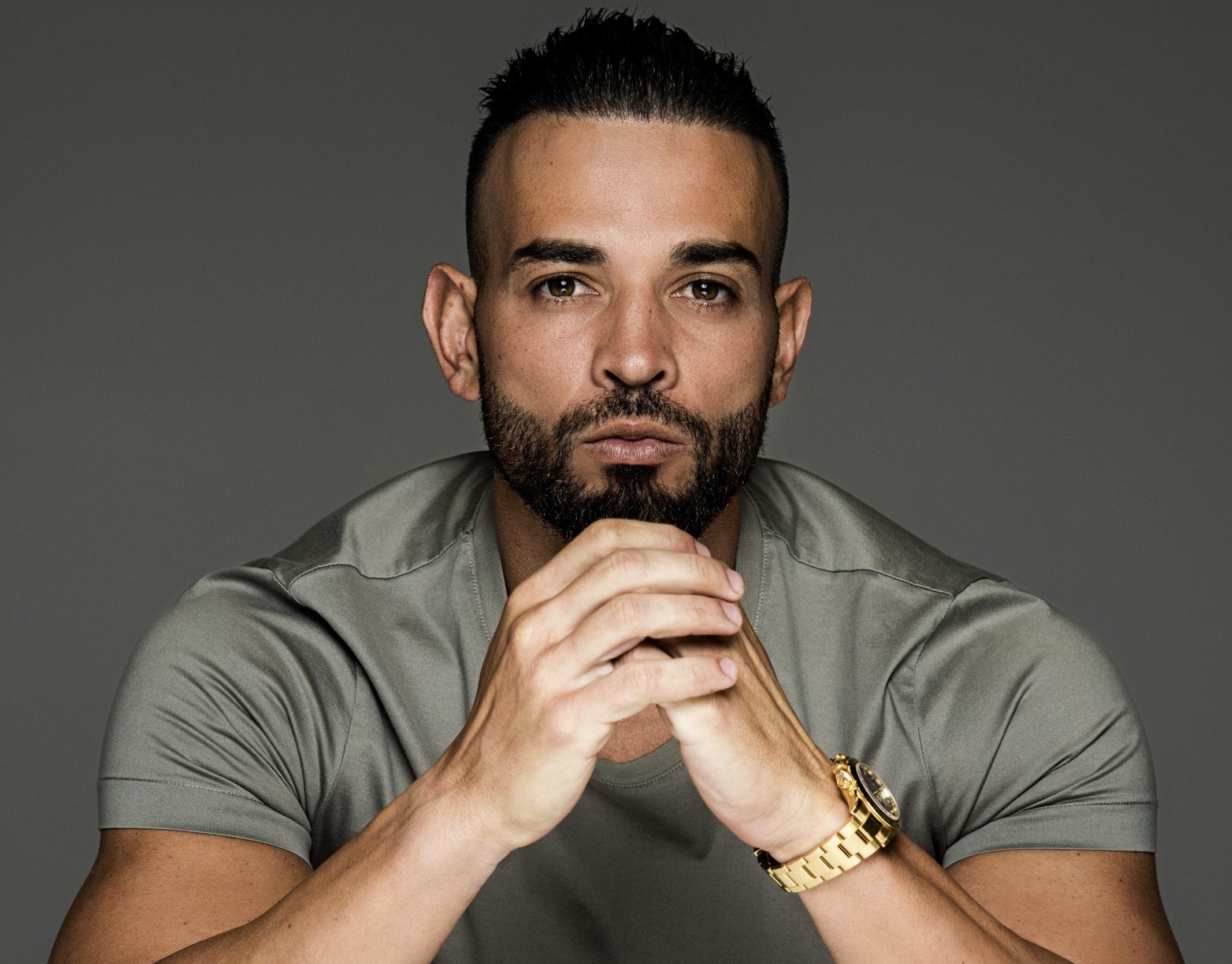
Self-made millionaire Andrew Raso grew up in an ethnic household with a father in construction. Investing was not a priority, he recalls.
The co-founder and CEO of Online Marketing Gurus, a digital marketing platform that generated more than $30 million in revenue in the 204/25 financial year, admits he’s had to learn about handling money as his wealth has grown.
“If I had my time again, I would change my spending habits and would probably be a lot more wealthy as a result,” the Sydneysider tells Kanebridge Quarterly.
Raso, in his mid-30s, says that his biggest lessons have come from his losses.
Buying the wrong property and copping the losses upon sale. Feeling FOMO when buying crypto and making a purchase that lost money.
“I’ve learned a lot from the errors that I’ve made,” he says.
Raso admits that he gets more of a thrill out of working than watching money hit his bank account.
“I’ve had the cars, I’ve had the property, I’ve had the watches. Once you’ve had them, they’re not that exciting, but the process of earning money is pretty cool.”
What he won’t forget is being $45 million in property debt a few years ago.
“I’d never want to be in that position again,” he says.
“My investing strategy is a lot safer these days. I’m very cautious. I’d prefer to invest in things that don’t take as long to be realised so my family can be financially secure.
“Once you have a house paid off and a few investments, it then becomes about enjoying your money, rather than hoarding it. Giving back gives me a much bigger kick than spending these days.”
Daniel Wessels: CEO, Jacaranda Finance
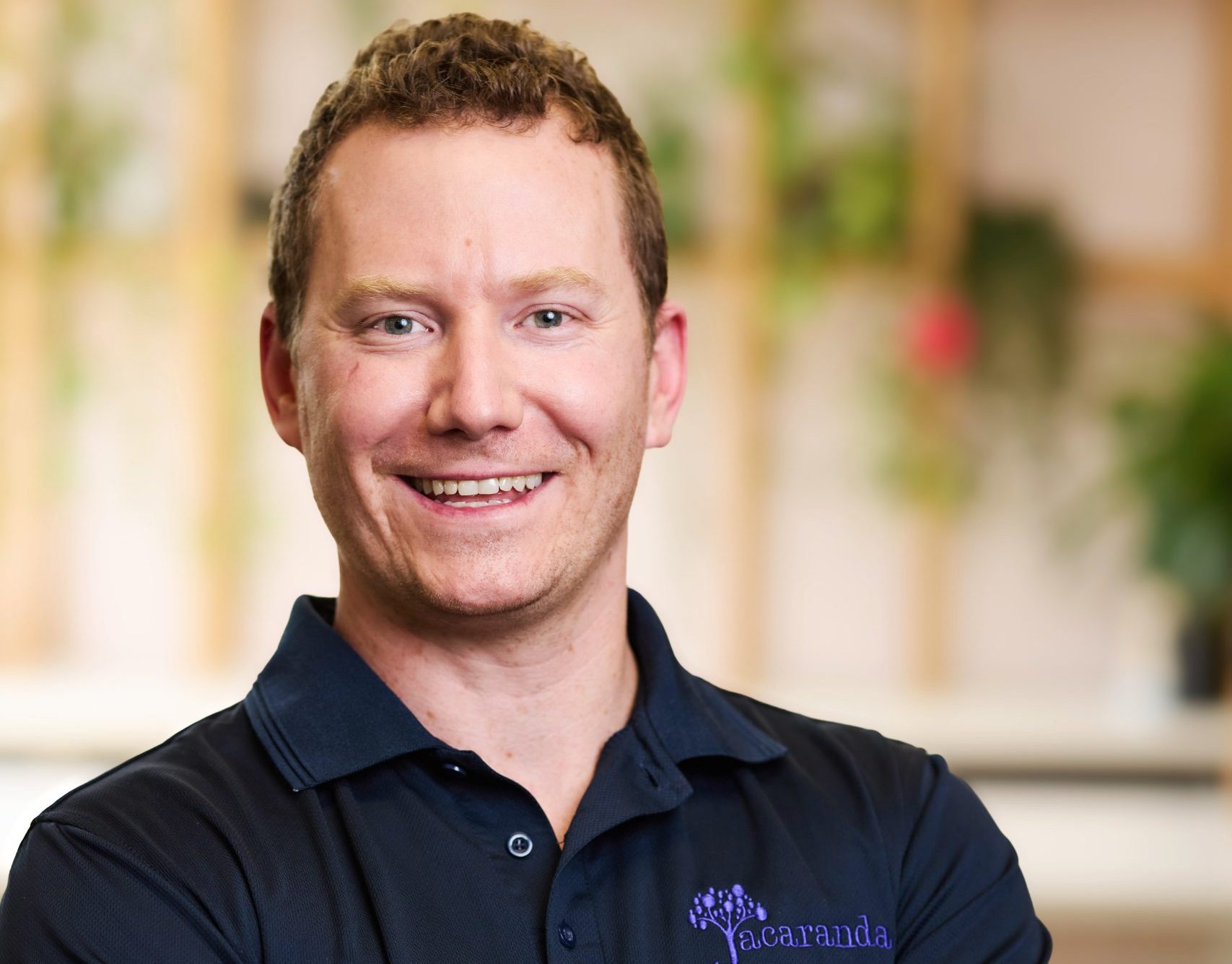
Fintech founder Daniel Wessels knows only too well that money remains a taboo topic in Australia with many people.
He points to consumer surveys that reveal people are more likely to talk about their sex life with friends than their finances.
It’s a major concern for the man who founded Jacaranda Finance in 2013, which has helped countless people lift their credit scores and get their finances back on track.
“If people aren’t learning money habits at school and they aren’t discussing it with their friends, learning new strategies and better habits is difficult,” says Wessels, who is based in Brisbane.
He wants to see more people take the time to proactively understand where and why they are spending money.
“Everyone needs to have a financial strategy and a plan to measure if it’s working,” he says.
The father of two young children admits his week can be pretty fast-paced. Pomodoro clocks, sleep optimisation techniques and saying ‘no’ keep him on task during the week.
“I used to think I was fairly decent at managing time, but the whole game changed when we had kids,” he says.
“Now, I’ve got to get out of the house at a certain time and leave the office at a certain time for daycare pickup. I’ve got to be really specific about my tasks to maximise my week.”
Before he had a family, he loved heading out to one of the trendy new restaurants popping up in Brisbane.
But that happens less these days. He’s saving to build his forever home but admits that price rises have resulted in rising costs.
“It’s such a big project with so many variables that change quickly,” he says.
These days, Wessels likes to optimise his professional and personal life. “With only a finite amount of money, time and energy, you’ve got to be really good at deciding what you want to be good at,” he says.
He calls this ruthless prioritisation. He has a very specific focus on activities that prioritise health and wealth, adding experiences into the mix more recently. This has meant the addition of micro-holidays to his annual calendar.
Wessels works with a couple of financial advisers. That said, he also does his own due diligence before agreeing to investments.
“One likes private equity investments that pay cash every month and another prefers to focus on the NASDAQ Stock Exchange for buying shares because he’s bullish about that.” he says. “They’re each experts and really good at what they do.”
Jim Penman: CEO, Jim’s Group
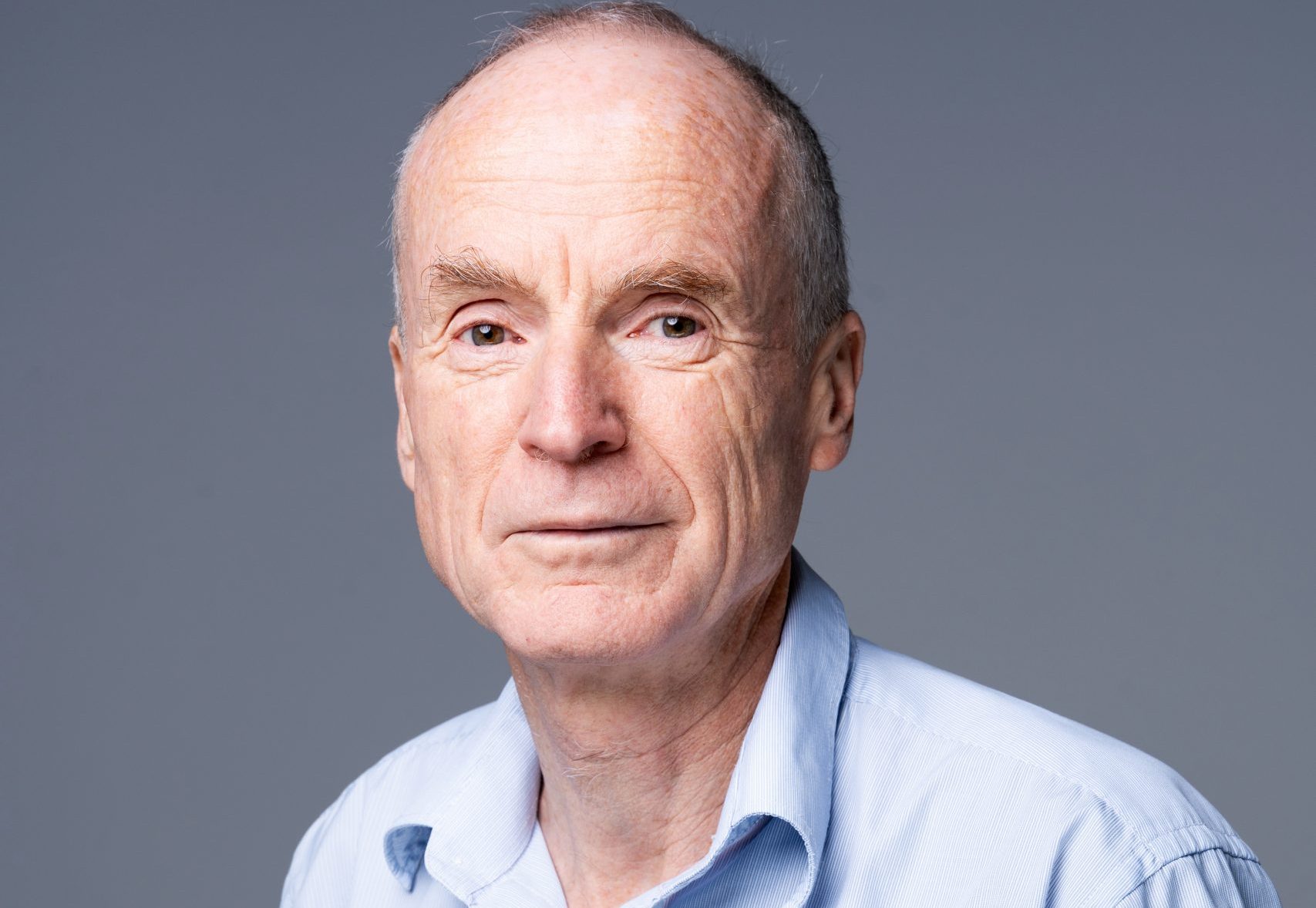
He may have invested a lifetime building a franchise juggernaut that is reportedly a $1 billion a year empire, but Jim Penman insists he’s a frugal guy who prefers to spend time planting a tree in his garden than contemplating his wealth.
What started out as Jim’s Mowing back in 1989 became Jim’s Group. Today, there are 5,700 franchisees across Australia and New Zealand in the business that has become ubiquitous for being the local handyman company that households could rely on.
He may have built a successful business empire, but the Melburnian insists he’s stingy when it comes to money.
“I wear my clothes even today until they wear out. I’ve always had a very lean and mean attitude. I live a simple life. My personal needs are very modest and my finances are simple,” he says. Jim reveals he’s usually in his garden these days and rarely eats out or takes holidays.
He is also running for state politics in the November Victorian election.
“I’m not particularly money focused. I could tweak the franchise contract to put more fees in and double my profitability, but that’s not my goal or my aim. To be honest, I often make decisions that go against my financial self-interest,” he says.
Jim purchased his first brand new car three years ago, opting for an electric Volvo.
“Being rich is not my aim and it never has been. People think I’m a lot richer than I am. They think I’m a billionaire, which is kind of ridiculous,” he says.
In fact, he insists he carries debt, which is common for anyone in business. “If I wanted, I could pay it off in 18 months.”
While his competitors were spending on fancy office space, Penman was running his franchise from his basement, keeping business costs low. “When I started out, I didn’t have any concept of how big this business could be. But there has never been a plan to grow franchisee numbers.
“Our attrition rate is far more important, and how to reduce complaint rates and drive more enquiries through new software.”
He believes people these days worry too much about impressing others, which leads to spending on superficial things.
“I would rather than offer people advice on how to be happy, rather than how to become rich. It’s important to have a good income so you can support yourself. But life is more about purpose.”
Jim doesn’t bother with stocks or bonds. He only invests in his own business. “My rate of return on my business is substantial. I could buy back a regional franchise when they come on the market and get a 20-25 per cent annual rate of return, plus capital gains. There’s nothing like that available in the investment space.”
Nicola Beswick: Founder, White Rabbit Advisory
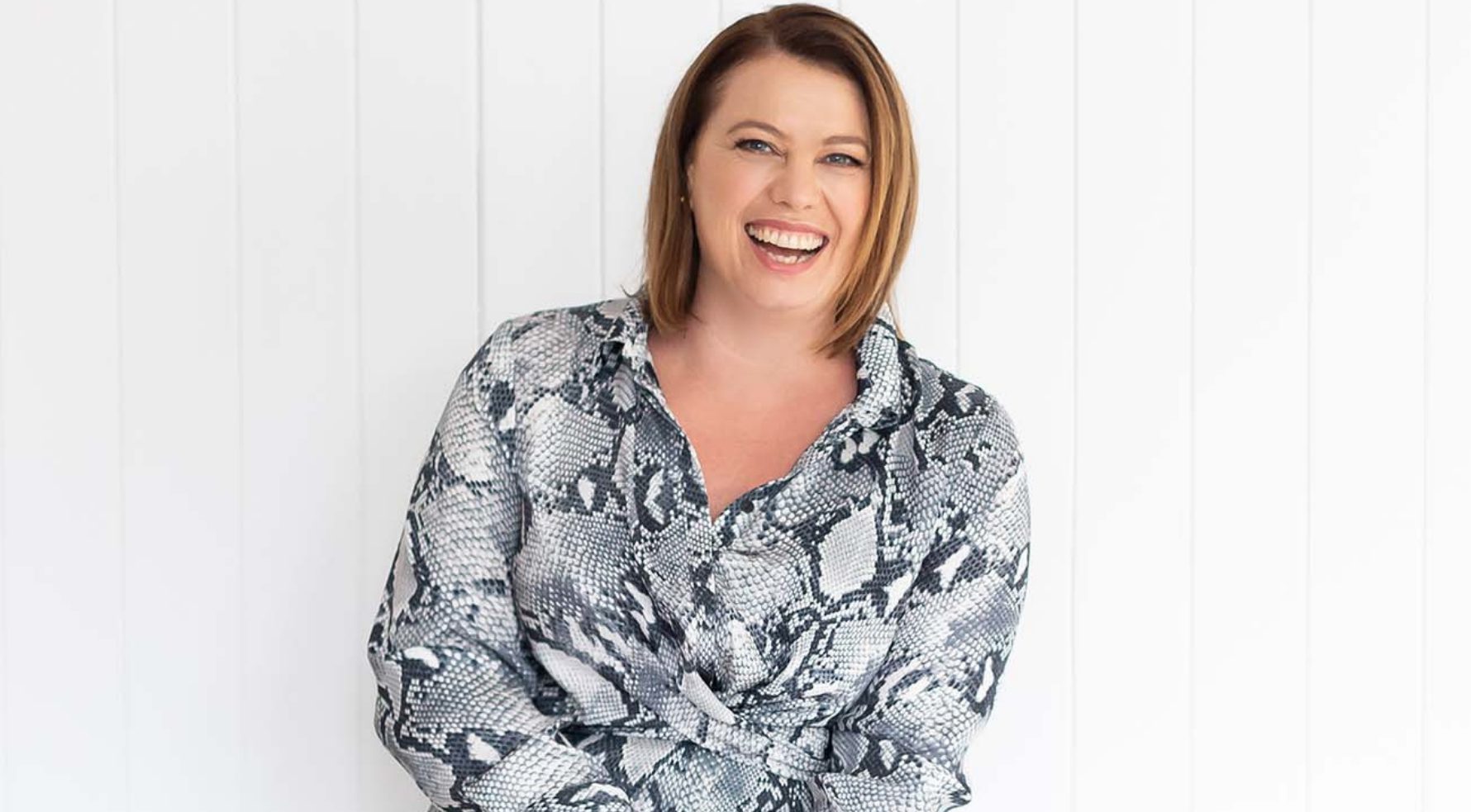
Rabbit Advisory founder.
A clothing allowance provided by her parents and then a part-time job during high school was the first taste of financial freedom for Nicola Beswick.
She quickly became a spender rather than saver, but she’s changed her tune over the years.
The founder of financial advice firm White Rabbit Advisory left behind a successful career in intellectual property law a year ago to become a financial adviser because she realised the potential that financial education could have on someone’s life.
Her journey began after coming across the book Rich Dad Poor Dad some years ago, which opened her eyes to the power that money could have on her life. This marked a time when she became serious about her finances.
“Financial education and investing over time can have a huge impact on a person, and that book got me thinking about money and financial education in the first place,” she says.
Nicola says years ago, her father was diagnosed with multiple sclerosis. When dealing with the devastating news and an uncertain future, her father discovered he was eligible to receive an income protection payout.
“This was the stone that rippled his pond and mine. A new complex world of finance opened up and I discovered my calling – helping people plan for a financially secure future.”
She hasn’t looked back. “Commercial law was very transactional. I don’t regret quitting at all. I’m much happier now helping people get their finances in order. Financial planning helps people change their lives. That was a really big driver for me.”
The Melburnian admits she’s learned plenty of lessons along the way as she embarks on the process of building wealth. She uses superannuation as an investment vehicle, favouring its tax advantages.
“I also built a nest egg outside of super, because you never know when the rules will change,” she says.
She prefers to set a financial goal and save up for something specific over time than rush out and make a purchase.
“It’s a really powerful thing to wait before making a purchase,” she says.
Her current financial goals involve renovating her heritage-listed home. “We will keep the façade and gut it to rebuild. That’s a major expense for us on the horizon.”
While holidays are rare, she will spend on overseas trips on occasion. “I’m terrible at taking time off. I’m always working.”
Sam Riley: CEO, Drova
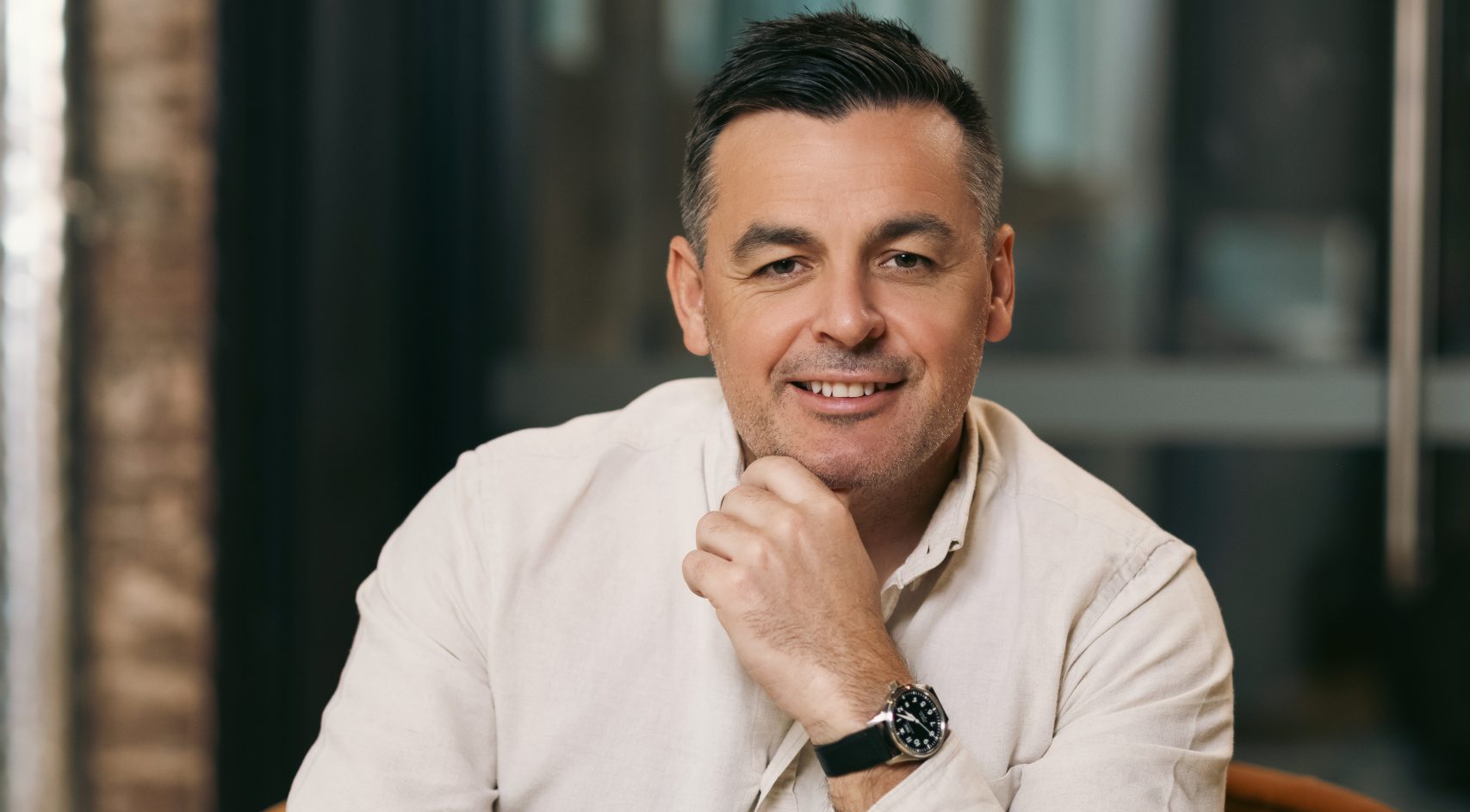
Sam Riley was in his 20s when he set out to amass enough money to be able to retire by the age of 40 if he wanted to.
“The goal was always to be doing something by 40 that kept me engaged enough that I didn’t actually want to retire because I was happy,” he says.
An entrepreneur at heart, Sam started a juice and espresso bar when he was 21, which didn’t work out. His next venture was a technology business, Ansarada, an ASX-listed company he ultimately sold nearly two years ago for $250 million.
The sale set him up for life, but he’s not one to rest on his laurels, launching into the complex world of artificial ntelligence with his next technology play, a company called Drova.
The technology startup simplifies risk, compliance and resilience for small businesses. Sam believes it’s got potential to become a tech juggernaut in time.
Having early financial success has meant he has the luxury of slow mornings and working in short bursts throughout the day, problem solving, experimenting with what works and figuring out how to harness AI.
“I favour a more sustainable approach to working these days. More frequent breaks. Making sure not to deteriorate my capacity,” he says.
It was a hard slog. He admits he touched the fringes of serious burnout when he was younger, which he works hard to avoid these days.
“Every business venture has exposed a gap in my skills that I’ve worked to close. Whether that’s marketing or managing people, closing those gaps along the way is how you get more effective at generating wealth,” he says.
The secret to his success has been finding ways to bolster value in the corporate world, finding ways to bring more to the table. Sam admits he spends too much money on travel, food and niche vinyl audio equipment, like turntables. He prefers to invest in experiences rather than things.
But it can get expensive. Like a recent trip to Antarctica to stay in a lodge for a week. “The thing is I didn’t like having these experiences on my own, so I have to bring family or other people and then pay for them.”
Sam describes his investment portfolio as balanced. While he continues to invest in entrepreneurial ventures, he admits he has a safe foundational platform to his investment approach.
“Over the years, I’ve added a lot more dividend stocks and protective assets like gold and silver, and some index funds.
“When I was younger, I didn’t appreciate the value of being safe and boring in the investment world.”
He says a lot of his investments used to be leading edge and visionary. “Some of them work, and some of them don’t. I didn’t really have much balance in my portfolio. I still invest in entrepreneurial things, but am much more conscious of taking a more even-handed approach,” he says.
This article appeared in the Winter 26 issue of Kanebridge Quarterly, which you can buy here.
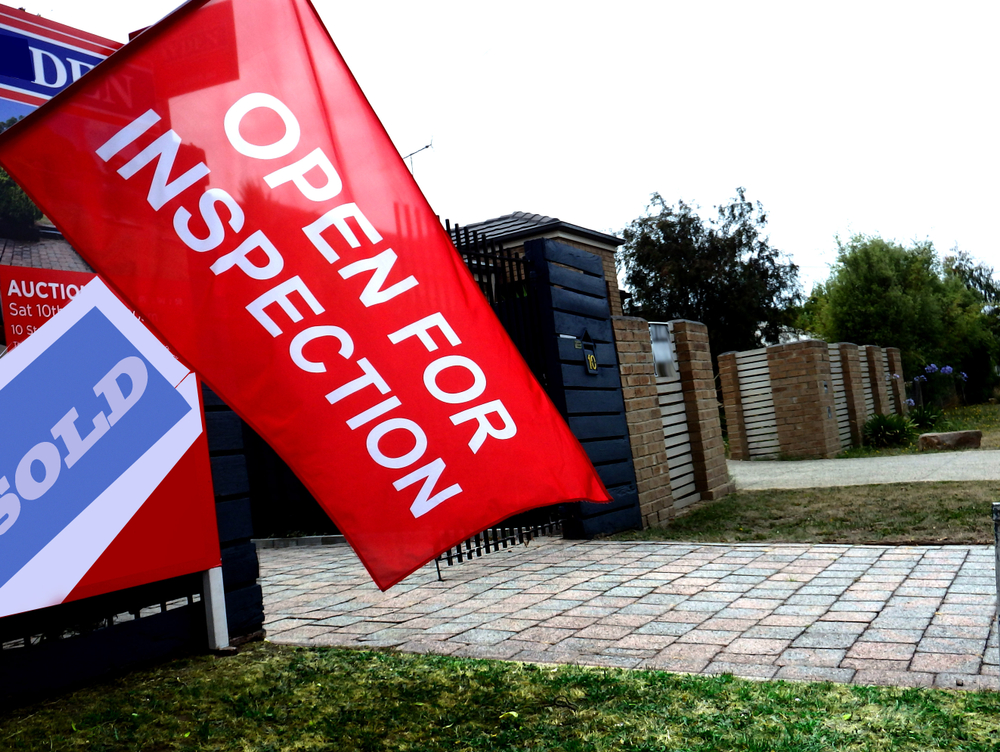
Australia’s housing market rebounded sharply in 2025, with lower-value suburbs and resource regions driving growth as rate cuts, tight supply and renewed competition reshaped the year.

A survey of people with at least $1 million in investable assets found women in their 30s and 40s look nothing like older generations in terms of assets and priorities