

Australia ranks third for youth AI readiness as study models $80.6 billion GDP lift
A new study models a potential $80.6 billion lift in Australian GDP after a decade, as national testing shows a decline in Year 10 digital literacy.
 2 min
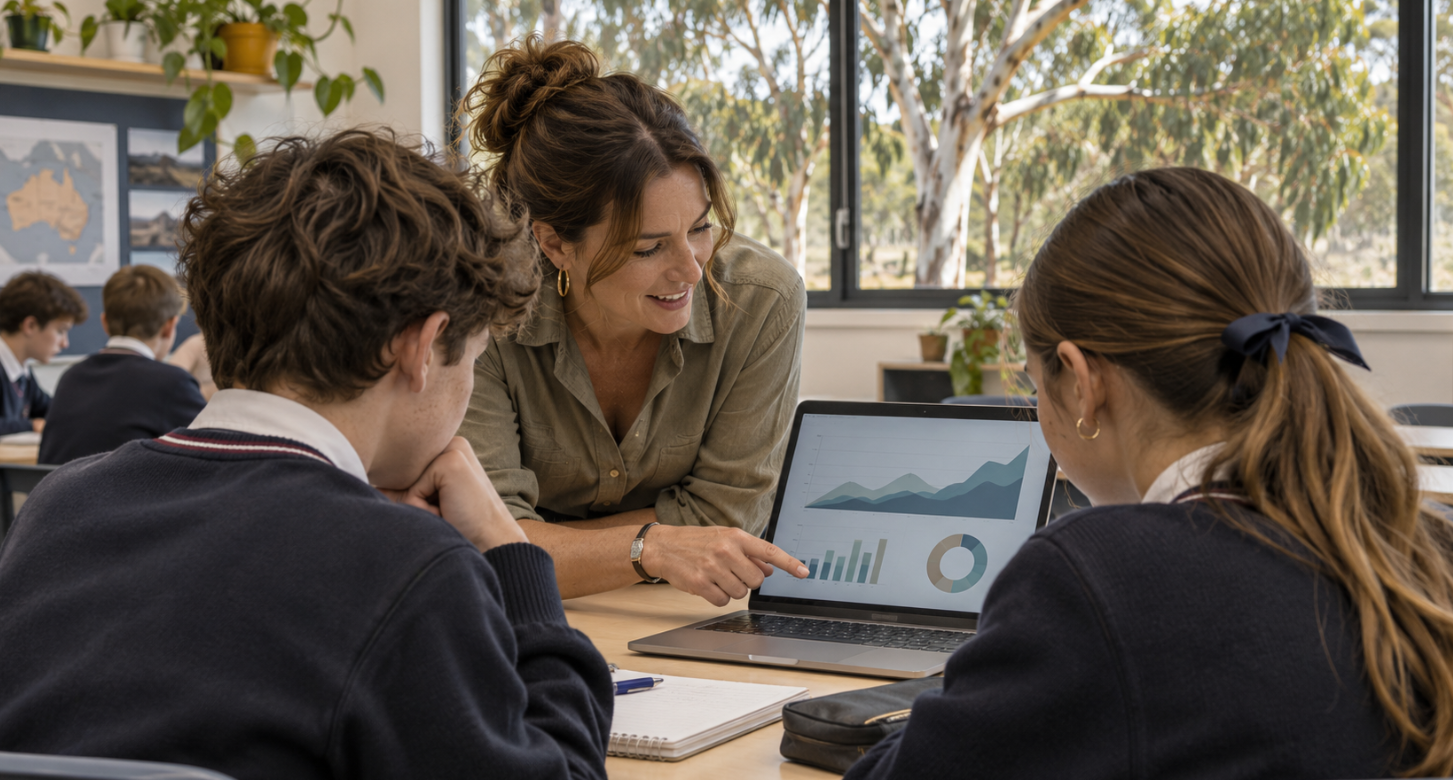
Australia trails Singapore and Malta in a new Commonwealth index, while national testing shows fewer than four in 10 Year 10 students meet the standard for digital literacy.
Australia has ranked third among 56 Commonwealth countries for youth AI readiness, with researchers estimating that artificial intelligence could lift the level of Australian GDP by $80.6 billion after a decade under their middle scenario.
The Ayre Think Tank released the index at the Commonwealth Heads of Government Meeting in Antigua and Barbuda. Australia scored 71 out of 100, behind Singapore on 77.6 and Malta on 75. The United Kingdom followed closely on 70.8, with Canada fifth on 70.2. Only 15 countries reached the study’s benchmark of 53.
What the $80.6 billion figure measures
The researchers applied International Monetary Fund estimates for broad groups of economies to Australia’s 2025 GDP. The resulting scenarios put the potential lift in Australian GDP after 10 years at between $40.9 billion and $120.3 billion, with $80.6 billion representing the midpoint.
The figures describe how much larger the economy could be at the end of the period under each scenario. They represent a change in the level of GDP in year 10.
Digital literacy falls as schools roll out AI tools
Australia scored 8.7 out of 10 for access to technology and 7.5 for digital, data, media and AI capability. Separate national testing found that 37 per cent of Year 10 students met the proficient standard for information and communications technology literacy in 2025, down from 46 per cent in 2022. About one in 10 students reported receiving substantial teaching on AI-related tasks. National assessment results
The report points to two state initiatives aimed at building those skills. Queensland began rolling out an AI education platform in state schools in 2026, while Victoria introduced free specialist training for workers looking to develop AI skills or move into related roles.
The index draws on 1,128 sources and examines the conditions facing people aged 15 to 29, including access to technology, education and pathways into work. Australia had usable data for 76 of the 102 indicators used in the rankings. The researchers found too little comparable evidence to score an eighth area covering critical judgement and people’s ability to exercise control over AI systems.
Professor C. Justin Robinson, campus principal of the University of the West Indies’ Five Islands Campus, said young people should be equipped to question and improve AI tools and supported in building alternatives suited to their needs.
The report calls for affordable access to technology, more practical education and stronger links between training, employment and entrepreneurship. It also urges governments and educators to support AI tools suited to local languages and give young people ways to challenge automated decisions.

A Sydney couple has paid $15.5 million for the Grand Penthouse at Marquee’s $285 million La Belle Residences beachfront development which is nearing completion at Palm Beach, eclipsing the record for an off-the-plan apartment sale on the southern Gold Coast. The sprawling single level 640 sqm beachfront residence, with sweeping views of the Gold Coast …
Continue reading “$15.5m La Belle Penthouse eclipses southern Gold Coast record”

On the owner’s deck, a 20-metre swimming pool incorporates Feadship’s patented ContraWave technology and extends indoors as a suspended, glass-bottomed infinity pool.
Surging demand from AI data centres has driven flash memory prices up fivefold over the past year, giving suppliers such as Kioxia greater leverage over Apple. The shift is increasing storage costs for the iPhone maker, putting pressure on profit margins and contributing to higher prices across its product lineup.
3 min
During a ride in a Southern California desert, sales executive Scott Nelson stopped his dirt bike, pulled out a rifle and shot his old iPod.
Nelson sold flash storage to Apple AAPL -0.94%decrease; down pointing triangle and hated feeling like he always got the worst end of the deal. His Japan-based manufacturer, Kioxia, had little leverage. Apple was the world’s biggest buyer of flash—the chips in iPhones that store photos, music and apps—and used its position to squeeze every cent from suppliers. Apple bullied flash makers into opening their books so it could monitor sales, making sure no one else got a better deal.
Kioxia and other flash makers stewed as Apple paid them pennies for flash storage that the iPhone maker resold to customers for dollars. The disparity in bargaining power had galled Nelson, who used Android phones in protest.
Nelson kept the broken pieces of his iPod, the first Apple device to use flash. They sit on his desk and hold a special reverence now that the tables have turned.
In the past year, demand by AI hyperscalers has quintupled prices for flash, according to research firm TechInsights, opening a new era for Kioxia and other suppliers. Two years ago, Apple bought nearly twice the flash storage of Microsoft, Amazon, Meta and Google combined, according to TechInsights estimates. Hyperscalers are now buying double Apple’s share.
Flash memory suppliers and their sales teams privately expressed their glee at Apple’s comeuppance during chitchat at the industry’s largest conference this summer in Santa Clara, Calif. AI deals have given Kioxia sales executives and other flash suppliers new leverage to charge Apple higher prices.
Meta, Microsoft and Amazon signed contracts with Kioxia this year to secure long-term supply by committing to higher prices. The contracts protect Kioxia’s profits if the market turns. The company declined to comment.
Hyperscalers can afford to pay more. Flash storage is a smaller part of building a data center than making an iPhone, and accounting rules allow companies to spread the cost over years.
Apple is expected to spend $25 billion on flash storage this year for about the same amount it bought for $6 billion in 2025, according to estimates by TechInsights. Tim Cook, Apple’s executive chairman, compared escalating memory chip prices to a “100-year flood.”
Yet Apple had ignored analysts’ warnings and was caught off guard, said people familiar with the company’s procurement practices.
Company executives believed they knew the market better than anyone else, the people said. Flash that cost $68 a gigabyte in 2005 had fallen to a nickel by 2023. Now, demand by the AI industry has lifted the price to more than 30 cents a gigabyte, a 550% jump, threatening Apple’s steep profit margins from selling extra storage.
Buyers of the iPhone 17 Pro paid Apple $200 last year for double the storage of its 256-gigabyte base model. The extra storage at the time cost Apple $15 and has since shot up to $66, according to an analysis by The Wall Street Journal.
Storage upgrades for iPhone 17 Pro (2025) versus iPhone 18 Pro (2026)
“Apple has historically driven a very hard bargain with memory suppliers,” said Walt Coon, an analyst at TechInsights. “And there’s no shortage of satisfaction among suppliers now that the balance of power is shifting.”
“We’ve worked with many of our suppliers for decades, and we deeply value their partnership over the years,” Apple said in statement. “We look forward to continuing our important work together.”
Apple recorded an average gross profit of more than 80 cents for every dollar it charged iPhone and iPad buyers for extra storage since it first released those devices through 2025, the Journal found. For Mac computers sold since 2010, it averaged nearly 80 cents.
In recent months, Apple raised prices for nearly all of its products. Prices rose an average of 13% for iPhones, an increase that included older models which typically get a price cut.
Price, change from Fall 2025 to 2026
The question for Apple is whether consumers will react to the higher prices by keeping their iPhones longer or whether they will continue to buy at their usual pace. For flash-storage makers, the question is when—or if—Apple will regain its flash-market leverage.
“It’s been a love-hate relationship between Apple and the flash industry,” said Mark Newman, an analyst with Bernstein Research. Apple has sustained the manufacturers for years, he said, but its power to cap prices, while beneficial to shareholders, left suppliers feeling “screwed.”
Commitment-phobe
In 2001, engineers at Kioxia, then called Toshiba, showed two Apple executives a 1.8-inch-diameter, 5-gigabyte hard drive they had developed but didn’t yet know what to do with.
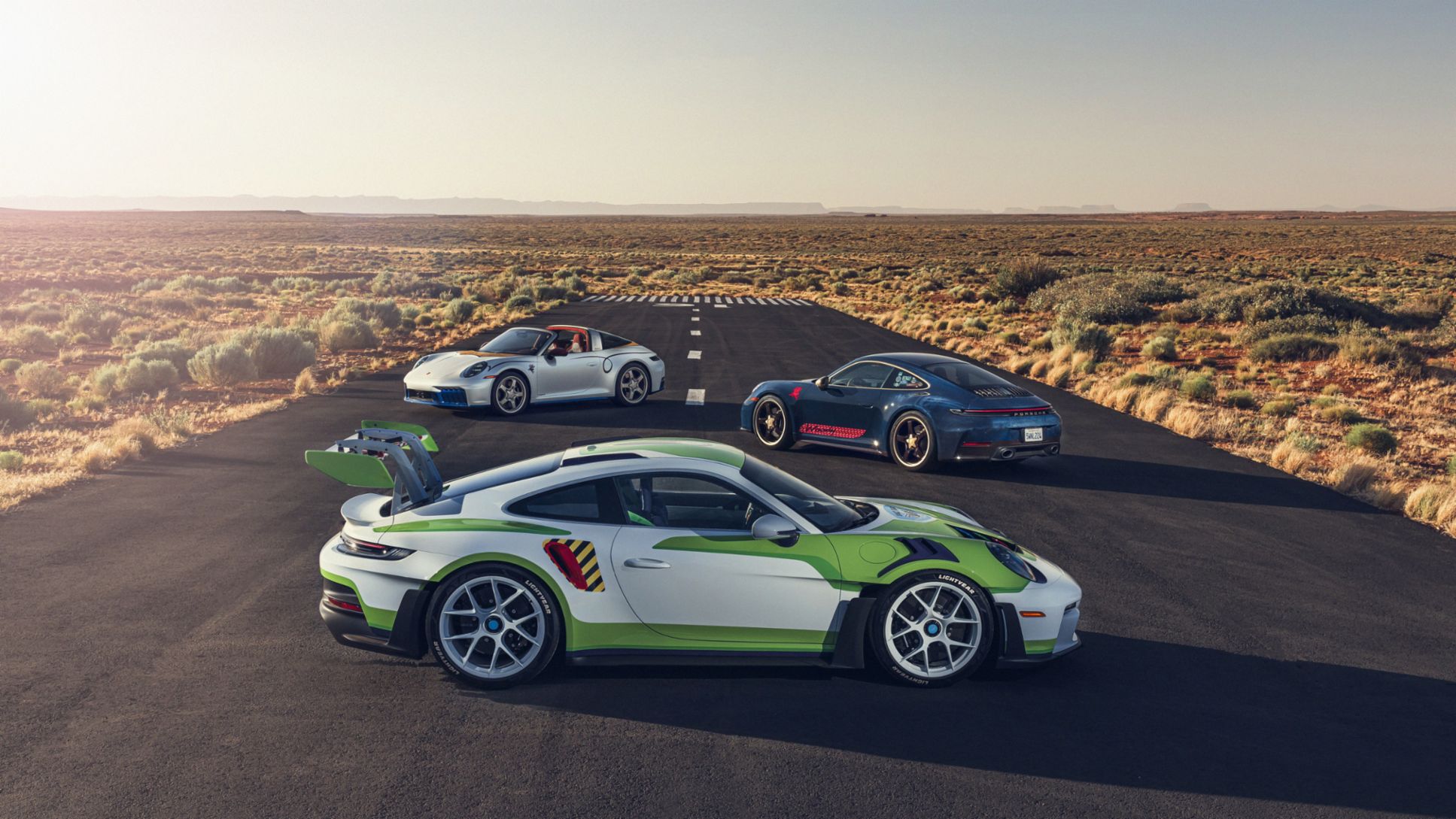
All three vehicles will form part of a broader charitable initiative benefiting Big Brothers Big Sisters of America, the American Red Cross and Starlight Children’s Foundation

BNW Developments has established a Sydney presence, joining Arada and Sobha Realty among the growing number of UAE developers pursuing Australian buyers and development opportunities.