

Australia is approving more homes. Why aren’t enough getting built?
Australia’s housing challenge is increasingly about conversion: moving approved projects through finance, commencement and completion.
 2 min

Australia’s housing debate often treats a development approval as though it were a completed home. In practice, the distance between those two milestones can stretch for years—and a growing number of projects never cross it.
The National Housing Supply and Affordability Council reported in August that approximately 308,000 homes had been completed since the Housing Accord period began, roughly one quarter of the national target. It also identified 244,000 dwellings under construction in the March quarter, the largest pipeline recorded since 1984, while approvals and commencements had improved against their pre-Accord comparisons.
Those numbers show activity, but they also expose the conversion challenge. A planning consent establishes what may be built. It does not lock in the price of labour and materials, guarantee a construction loan or persuade enough buyers to sign unconditional contracts.
For apartment developers, the first hurdle is feasibility. Land, consultant, authority, finance and construction costs must be covered by realistic sales revenue. When building prices rise faster than achievable apartment values, a project can be approved and still be economically unbuildable.
The second hurdle is debt. Financiers typically require substantial equity, a fixed or sufficiently certain building contract and presales to acceptable purchasers. Valuers may discount speculative pricing, while lenders can treat contracts with long settlement periods or highly concentrated buyer profiles cautiously.
Presales form the third constraint. Owner-occupiers may prefer to see construction under way before committing; developers often need commitments before construction can begin. This circular dependency is particularly difficult for first-time developers and projects in untested locations.
The practical metric for policymakers and the industry is therefore not approvals in isolation, but conversion: how many approved dwellings progress to finance, commencement and completion, and how long each step takes.
There are no simple fixes. Faster planning can reduce holding costs, but cannot rescue an unviable scheme. Government-backed finance can help suitable projects, but should not disguise unrealistic land values. Standardised design and modern construction methods may improve productivity, provided procurement risk and quality control are addressed.
For buyers, an approval or sales launch should be viewed as the start of the delivery process—not proof that a home will exist on schedule. The most relevant questions concern finance, builder appointment, sunset provisions, deposits and the developer’s record of completing comparable projects.
Australia has made progress in filling the front end of the housing pipeline. The next challenge is getting those homes out the other end.

From making unpopular decisions to learning when to listen, leaders from five businesses reveal what nobody prepared them for — and how running a company has challenged their expectations.

Technology and semiconductor shares fell sharply as investors questioned the debt financing the AI infrastructure boom and confronted higher rates and Chinese competition.

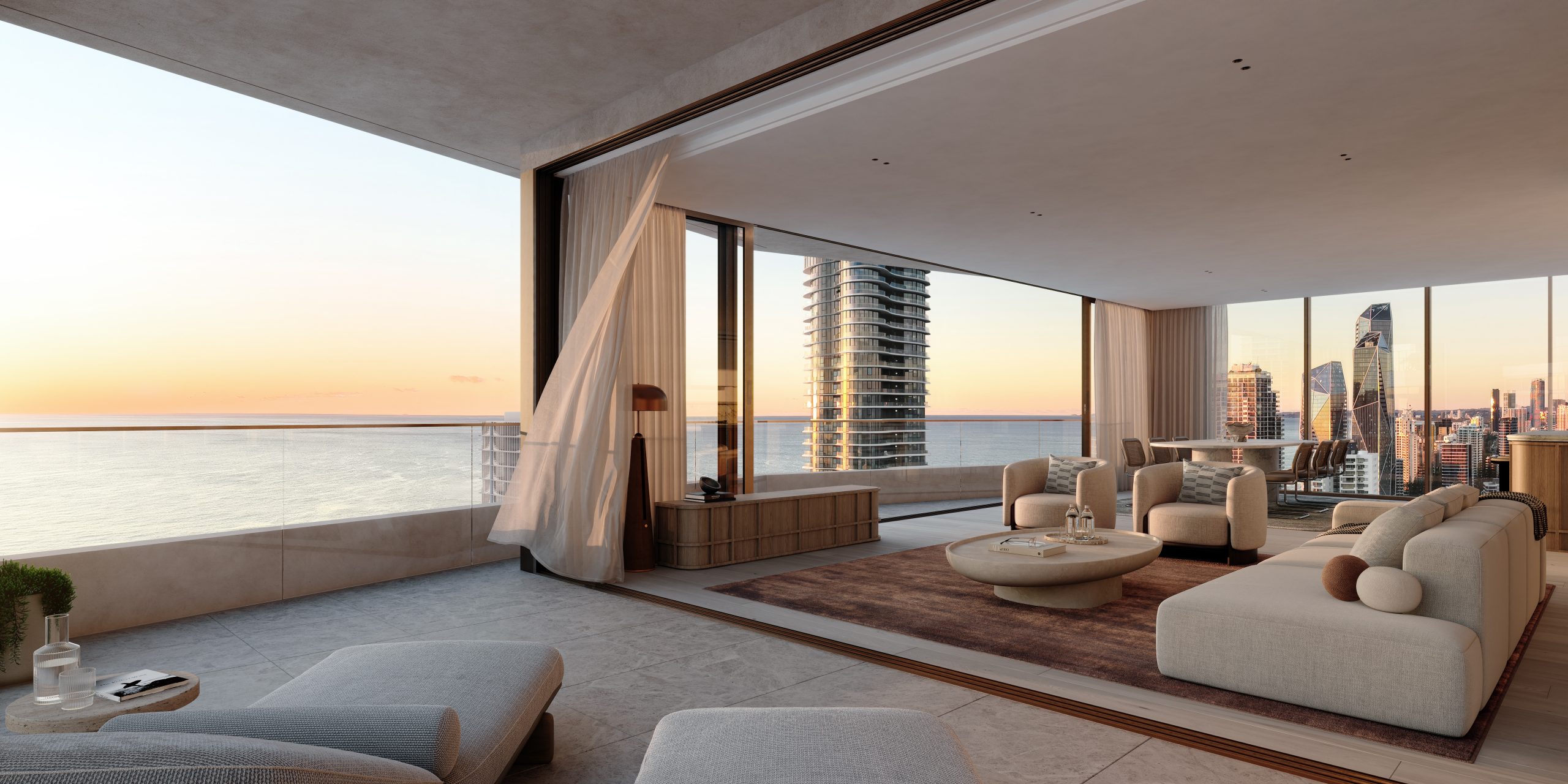
Mirvac’s 45-level Trielle has topped out at Yarra’s Edge, pairing riverfront apartments with wellness facilities, private dining and resident services.
3 min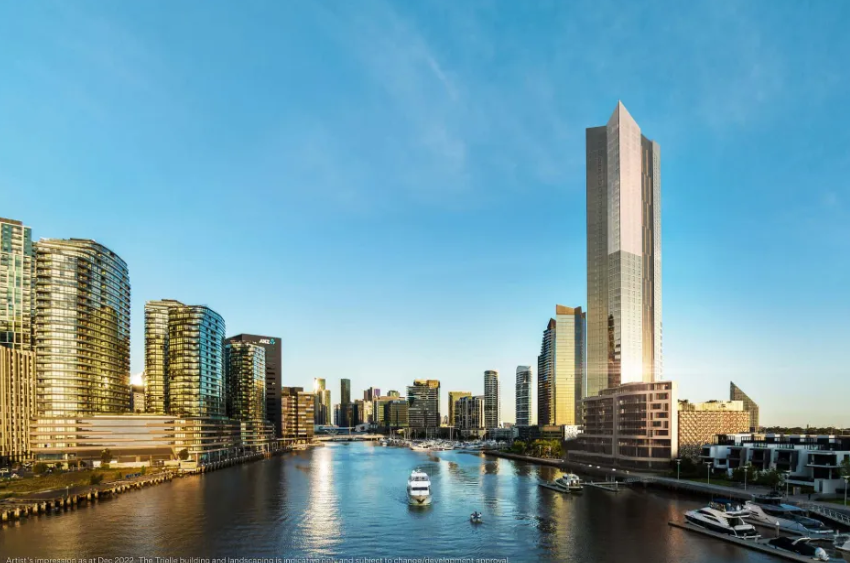
Mirvac has topped out Trielle at Melbourne’s Yarra’s Edge, with more than 70 per cent of the riverfront development sold and approximately 80 per cent of purchasers intending to make their apartment a home.
The figures, released on September 22, point to an owner-occupier audience for one of the precinct’s final residential towers. Mirvac began developing Yarra’s Edge in 2003, and its latest addition occupies one of the remaining absolute riverfront sites.
Mirvac CEO of Development Stuart Penklis said existing residents were among those moving up within the neighbourhood.
“Many purchasers already have a connection to Yarra’s Edge,” Mr Penklis said, describing buyers whose changing needs were encouraging an upgrade within the precinct.
“As one of the final residential towers within Yarra’s Edge, Trielle represents the culmination of more than two decades of creating one of Melbourne’s most established and sought-after waterfront communities,” Penklis said.
“Positioned on the Collins Street axis with absolute river frontage, Trielle offers residents a rare opportunity to enjoy sweeping views across the Yarra River, Melbourne skyline and Port Phillip Bay, while remaining seamlessly connected to the CBD. With Trielle now more than 70 per cent sold, we’re continuing to see strong demand from buyers seeking quality homes in established locations.”
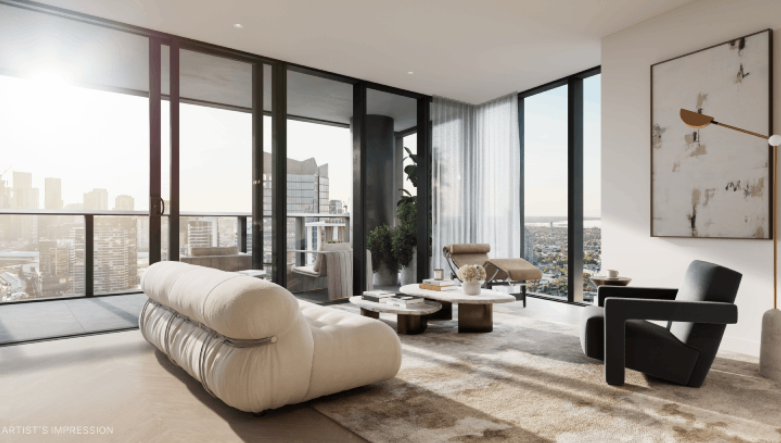
The developer also flagged a penthouse and sub-penthouse collection with larger layouts, premium finishes and broad outlooks. The planned wellness centrepiece, The Oasis, encompasses a 900-square-metre elevated urban rainforest.
Mirvac General Manager Residential Development Victoria Elysa Anderson said Trielle had resonated strongly with buyers seeking a rare lifestyle offering in Melbourne.
“Opportunities to secure a new luxury residence on a riverfront site of this calibre are incredibly rare, particularly within a community like Yarra’s Edge,” Anderson said.
“What makes Trielle unique is the combination of exceptional views, world-class residential facilities and the lifestyle that already exists around it. Residents are buying into a mature waterfront community with parks, promenades, dining, wellness and strong community connections already in place.”
The 45-level tower brings a substantial new presence to that waterfront. Its residential offering spans one-, two-, three- and four-bedroom apartments, with Signature, Prestige and Sub-Penthouse collections accommodating different household sizes. The north-facing position connects the apartments visually to the river and city beyond.
Seven storeys above the promenade, the planned Oasis combines planting and a running stream with a Scandinavian-inspired wellness club developed with spa specialist Naomi Gregory. Facilities include a 25-metre lap pool, hot magnesium pool, sauna, hydrotherapy, a gym, yoga and Pilates room, and treatment spaces.
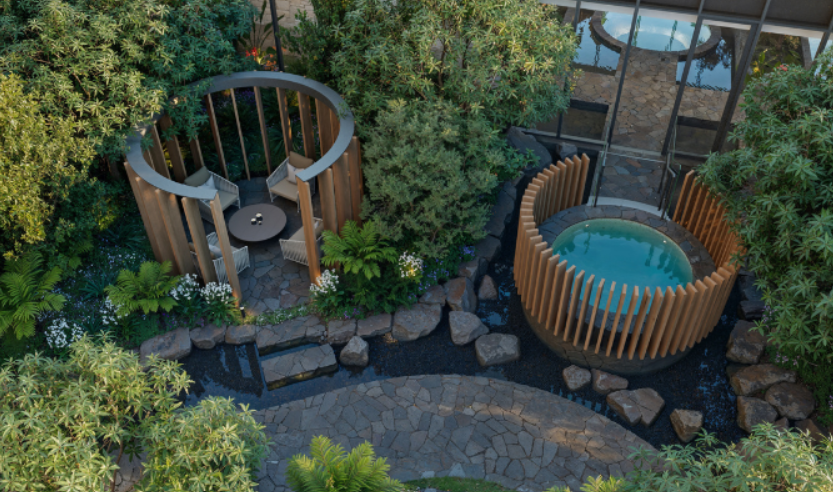
The amenity extends beyond exercise. Residents will have access to The Biblioteca library and workspaces, ground-floor work pods, and The Salone piano lounge. A private Chef’s Table dining room offers a setting for larger gatherings, while a cinema, games room and sports lounge broaden the entertaining options. Concierge services and a dog-wash area support everyday routines.
Trielle comprises a collection of one, two, three and four-bedroom residences. Reflecting strong demand from owner occupiers, approximately 80 per cent of purchasers to date intend to live in their homes, highlighting the project’s appeal to those seeking a long-term waterfront lifestyle.
Mirvac has recently delivered The Albertine, a premium apartment development on the edge of Melbourne’s CBD, and is nearing completion of Prince & Parade in Brunswick, further strengthening its portfolio of thoughtfully designed apartment communities in some of Melbourne’s most sought-after urban locations.
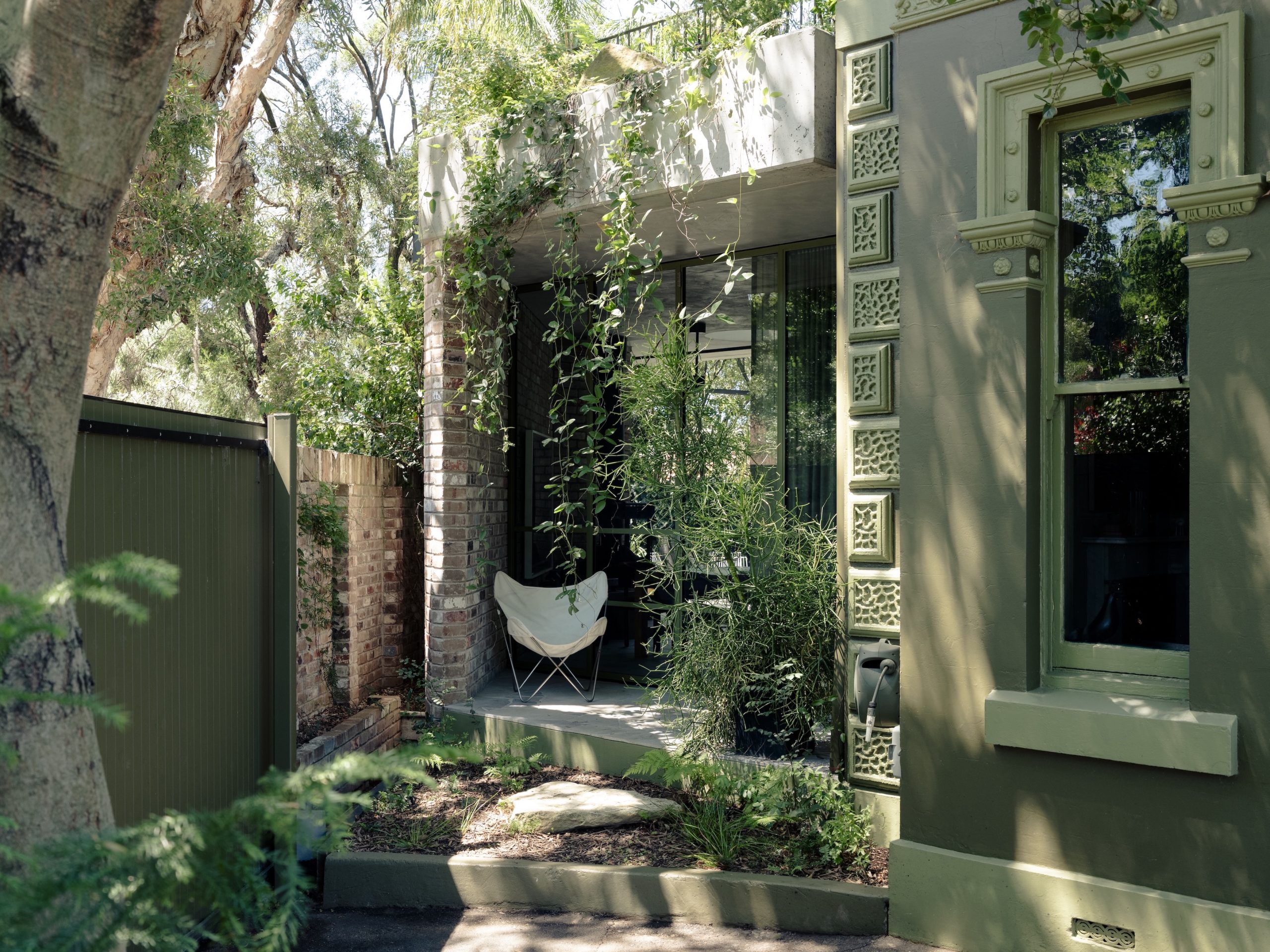
From bushland greens to valley reds, the country’s most awarded designers are proving that the best colour palette was never on a swatch card; it was outside the window all along.

From citrus oils to warming spices, the classic G&T is being reimagined at home as a more thoughtful, seasonal ritual for modern entertaining.