





REVEALED: JANE LU’S STRATEGIC PATH TO SUCCESS
From start-up to harbourfront sanctuary, fashion entrepreneur Jane Lu’s home reflects ambition, discipline and a carefully built wealth strategy.
 7 min
7 min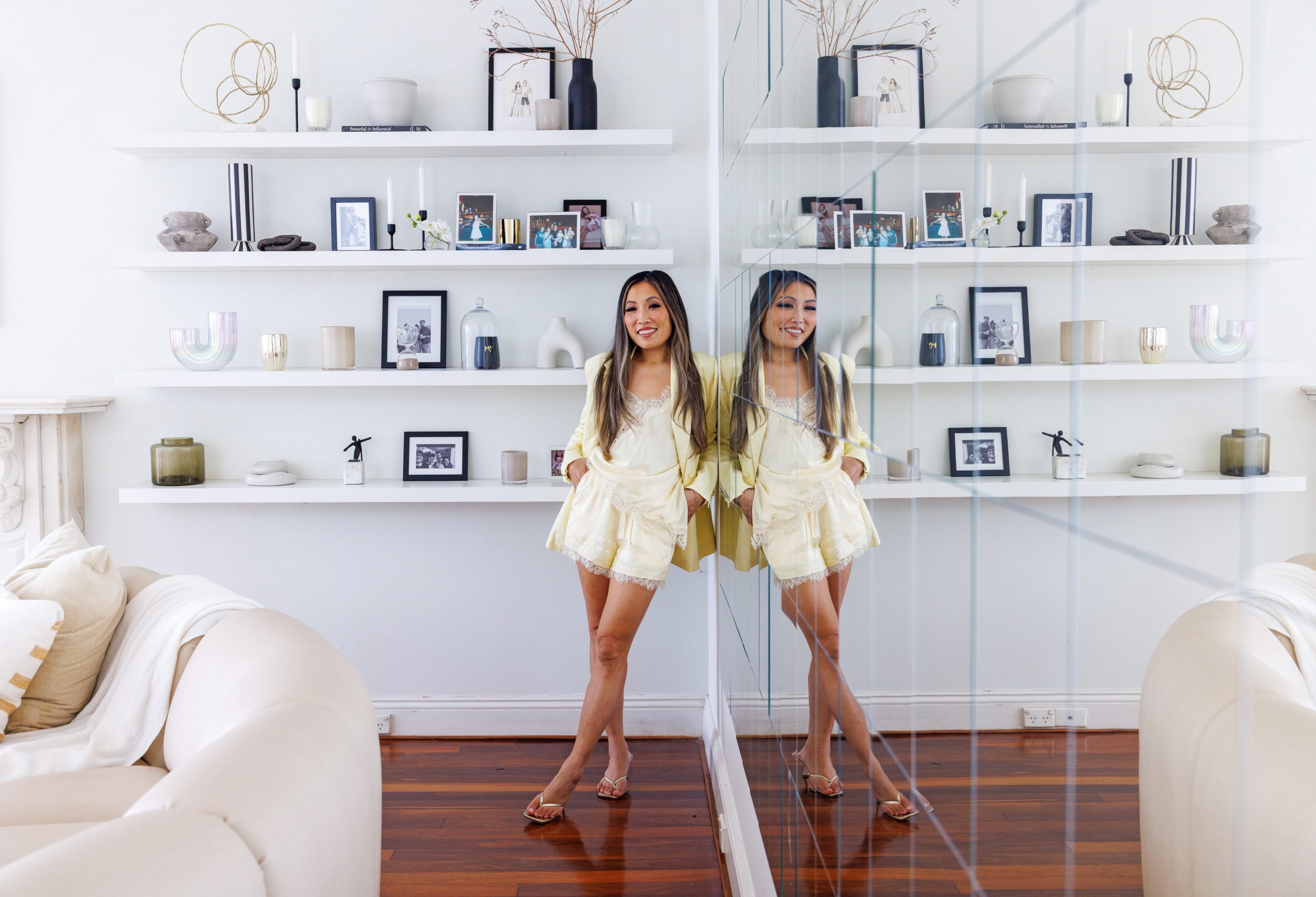
Coming home after a day in the office is a time of reckoning for Sydney businesswoman Jane Lu.
The 40-year-old founder of online fashion brand Showpo has built her empire to generate more than $100 million in annual revenue.
But unlocking her front door is a daily reminder of how far she has come in the cut-and-thrust of the business world.
One of the nation’s most iconic businesswomen, Jane, and her husband James Waldie, purchased the Birchgrove home in an off-market deal for $13.75 million in 2023.
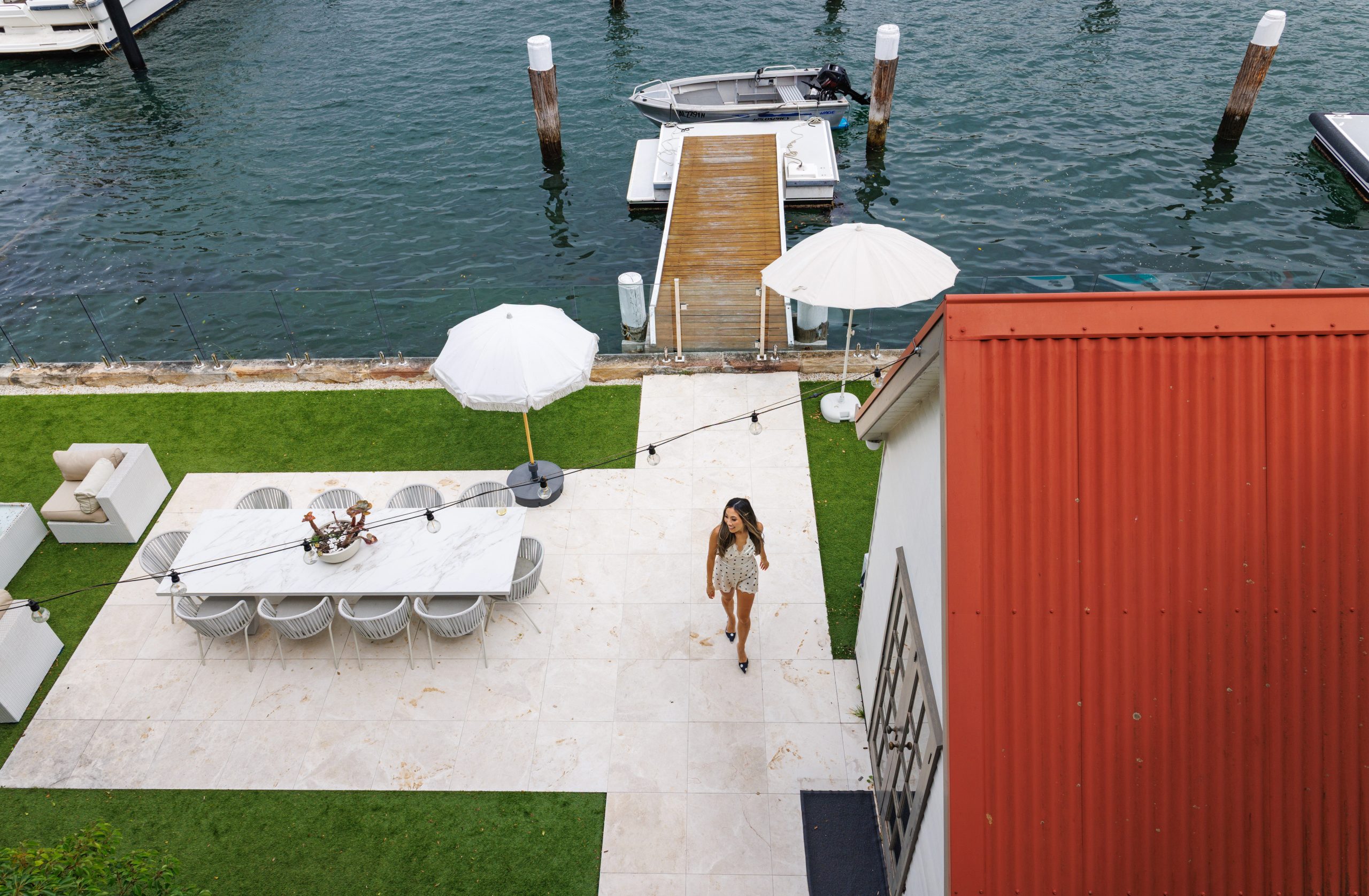
The waterfront property in the inner west suburb of Birchgrove, near Sydney, captures breathtaking views of the Sydney Harbour Bridge.
With three bedrooms and three bathrooms, the double-storey house features a striking glass atrium, floor-to-ceiling windows, and double doors opening out to outdoor entertaining areas.
Bathed in natural light, the 1980s home was designed by architect Clark Walton.
The master bedroom features a walk-in robe, ensuite and private balcony.
The property also includes a deep waterfront pontoon, alfresco area and a sizeable boathouse used as an office. There is a double lock-up garage and manicured gardens.
“Living here feels like you own a piece of Sydney Harbour,” Jane tells Kanebridge Quarterly.
“It’s just such an iconic view. When I first bought this home and showed my parents, I was so proud.”
“When we moved to Australia we first lived in a one-bedroom unit in the same suburb, so this place reflects how far we’ve come in a relatively short space of time.”
It was the view that sealed the deal for Jane. The iconic Sydney Harbour Bridge sits perfectly framed in floor-to-ceiling windows, while the sun reflects on the silvery towers of the city’s skyscrapers.
“Living here feels like you own a piece of Sydney Harbour … it’s such an iconic view.”
“Sometimes I think it’s just crazy to be in this house. I’m very fortunate to be in this position,” she says.
Jane and her husband regularly work from home, interspersed with trips into Showpo’s inner-city headquarters. They catch water taxis from the pontoon at the front of the property, or launch their small tinny and head across to a nearby park for some leisure time.
With a background in banking and private equity, Waldie is the CFO and general manager of Showpo. It is the second home the couple have purchased together. They live there with their two children.
Birchgrove will always feel like home for Jane. While the home feels like her forever home, she hopes to renovate some aspects of it.
“We should renovate, but we’re procrastinating because it’s such a huge amount of work,” Jane says.
“We rebuilt the Showpo website last year, and we didn’t feel that we could do that and renovate at the same time.”
“But one day I would like to add my own wardrobe, a cinema room and a pool.”
“You work hard and you want your home to be somewhere to come back to and relax into and unwind. Home is more of a sanctuary for me these days.”
“Our home reminds me of my success. My younger self would be so proud. She would have only ever dreamed to be in a place like this.”
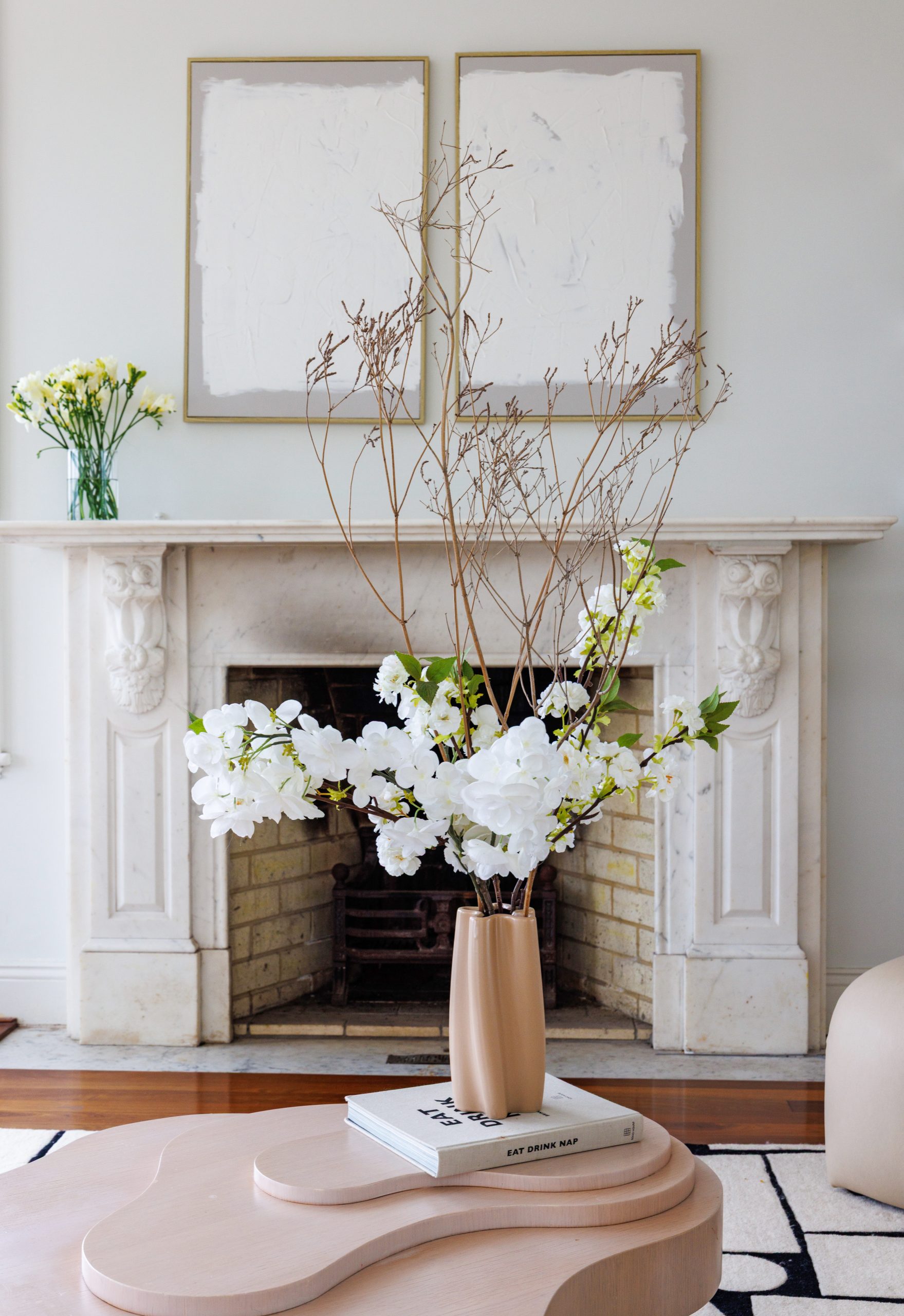
“We love the living room and the backyard area, which fronts onto the water. We love entertaining here with the backdrop of the Sydney Harbour.”
Affordable fashion
Offering global shopping, Showpo provides affordable fashion and accessories to young women. It is now a huge business, but it has been a slog.
Jane is open about quitting her job in corporate accounting to start a fashion business.
To launch Showpo, she lied to her parents, putting on a suit and pretending to go to work every day.
She shares that story in regular Instagram posts as inspirational fodder for others harbouring dreams of making it big.
Jane admits she did not love her time in the corporate world. “I really wanted to prove myself. I wanted to get out of a career that I hated, which was accounting.
“I also wanted to be able to take care of my parents, who sacrificed so much for me when they left everything back in China.”
She has also featured on the Australian Financial Review Young Rich List and appeared on Shark Tank as an investor, sometimes disagreeing with traditional business approaches taken by the other sharks.
She has rebranded herself as the Lazy CEO to highlight her focus on working smarter, not harder.
Regularly making headlines for her clever business prowess and success in business, Lu has cleverly established herself as relatable to the younger women who purchase from Showpo and respected by others in the business fraternity.
A big part of her success is her authentic and humorous approach to business and social media, which provides a glimpse into the glamorous life she’s built for herself through hard work and determination.
She doesn’t take herself too seriously, saying she believes that work should be fun and a place people want to come to every day.
Fashion empire
Jane is a cautious businesswoman who does not jump too early. During the early years of building her fashion empire, the couple rented a home in Darlinghurst, which she describes as more of a crash pad than home.
“At the time, we were busy working and had other priorities,” she says.
“The business was growing and we were young, so the home was part of the chaos. It was messy and small, but it didn’t matter.”
By delaying home ownership, she was able to prioritise liquidity, giving her the flexibility to take risks and move quickly as business opportunities arose during Showpo’s early years. At the time, she was trying to dig out of $60,000 debt.
“The thing that I have carried with me throughout the journey is to always have a bias for action. Always focus on momentum over perfection and just test, iterate and repeat,” she says.
“In business, things aren’t perfect, but just keep going and learn as you go, don’t wait until you’re ready, and mistakes are okay, they’re just valuable lessons.”
“When you’re in business, if you’re not making enough mistakes and you’re not failing enough and doing things differently, then you’ll just blend into the rest of the market and won’t stand out.”
Jane is ambitious about achieving more growth in the business she launched in 2010.
“I’ve had the business 16 years, and it’s been a bit of a roller coaster,” she says.
“There has definitely been tough times, but it’s about understanding that’s okay.
“Success isn’t about avoiding the blows it’s about building the grip to climb out of them.”
But it hasn’t always been smooth sailing. In 2010, Jane was drowning in debt and unhappy in her accounting job.
She had attempted to start a business running pop-up stores selling products from emerging designers, but it eventually folded, leaving her jobless and broke.
With a background in corporate accounting, Jane knows that superannuation offers compound interest.
“I treat super as a long-term wealth vehicle as opposed to an after-thought,” Jane says.
“It would be one of the most tax effective structures in Australia and ignoring it would be financially lazy because once you set things in place, then it compounds.”
“I see super as part of a broader wealth strategy, but you have to be disciplined with it. While not exciting, it can be very impactful over time.”
Given her financial exposure as the founder of a fashion business, Jane focuses on diversification.
“Even though I’m over-indexed in the equity of owning my own business, I’ve got some smaller business investments.”
“I believe success comes from time in the market and allowing that to compound over time,” she says.
But success for Jane is not about wealth and what you can buy.
“Life is about the memories and experiences along the way. Now I’m a mother, it’s about the flexibility to be able to spend time with my family and having freedom, leave and the alignment to become who I am while building the business. That means so much to me.”

Jane admits she does not have time to be a particularly big spender. “I don’t really care for material things. I’m not materialistic. Even now, I could afford designer bags, but I don’t have the time to research it and I don’t care enough about it to research what I want. I rarely have anything to really save for in that respect.
“Because entrepreneurship is so volatile, my personal finances are structured to be more stable.”
“I always keep liquidity, because cash is the bloodline of the business. I don’t over-invest, preferring to keep cash on hand.”
Jane would advise her younger self to keep investing in herself.
“I’d make sure that I invested in learning, invested in taking risks and being okay with those mistakes, and invested in creating memories and experiences. What’s also worked for me is that I’ve also married someone who is more risk averse than me so he can mitigate my chaos.”
Founded in 2010, the business was initially called Show Pony, but the name was changed to Showpo as it was already owned by an American business.
Today, Showpo is a $100m-plus fashion powerhouse known around the world for bringing affordable fashion to the market.
Jane says her social media handle, The Lazy CEO, captures who she is. She’s proud of that title, which American billionaire businessman and philanthropist Bill Gates once said: “I choose a lazy person to do a hard job. Because a lazy person will find an easy way to do it.”
This article appeared in the Winter 26 issue of Kanebridge Quarterly, which you can buy here.
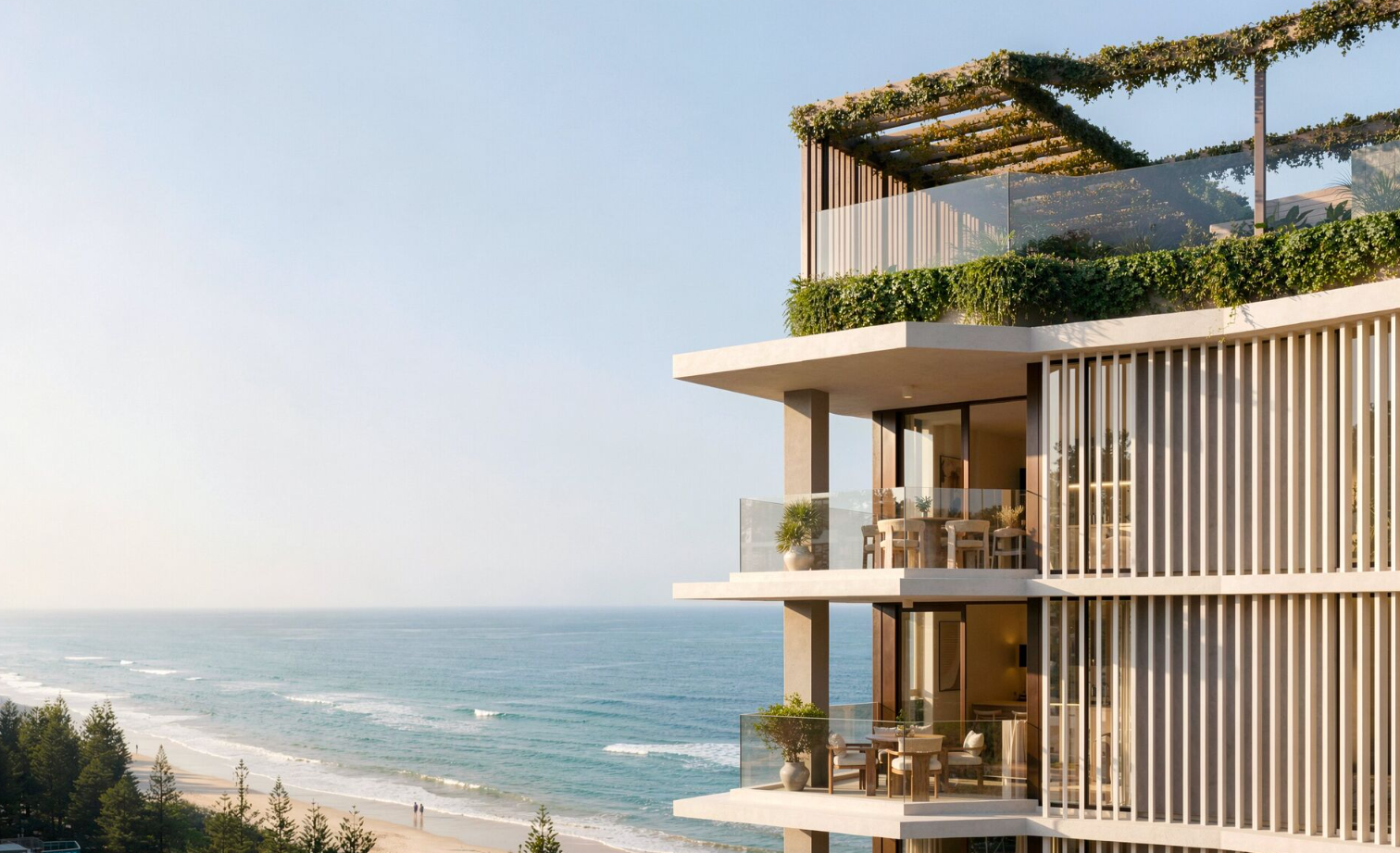
Studio apartments have almost disappeared from new Australian developments. Lura is bringing them back to Burleigh Heads from $495,000.

Porsche’s Cayenne Turbo Electric produces up to 1,156PS and reaches 100km/h in a claimed 2.5 seconds.
The ASX 200 gained 0.4 per cent in the week ended 9 October as property and energy rose while technology and small caps declined.
5 min
Heavyweights Lift the ASX as Small Caps and Technology Fall Behind
The S&P/ASX 200 finished the week ended 9 October at 8,716.6, up 0.4 per cent, but the headline concealed a sharply divided market as listed property, energy and selected blue chips advanced while technology, iron ore miners and smaller companies fell.
Australia’s sharemarket finished the week higher, but the gain was less convincing than the index alone suggested.
The S&P/ASX 200 closed Friday, 9 October at 8,716.6, gaining 0.4 per cent over the five trading sessions. The broader All Ordinaries added 0.26 per cent to 8,877.7. By contrast, the Small Ordinaries fell 1.34 per cent to 3,281.9, showing that the market’s progress relied heavily on larger, more liquid companies rather than a broad increase in investor confidence.
The index’s path was uneven. It edged up on Monday, rose 0.57 per cent on Tuesday, slipped 0.09 per cent on Wednesday and lost 0.77 per cent on Thursday before recovering 0.64 per cent on Friday.
That final-session rise of 55.7 points allowed the benchmark to finish the week in positive territory and brought it approximately back to break-even for the calendar year.
The strongest sector was listed property, which gained 3.73 per cent. The move was visible in Goodman Group, one of the market’s largest property securities, which rose 4.82 per cent across the week based on adjusted closing prices.
A-REITs remain sensitive to movements in global bond yields, funding costs and asset valuations, so the sector’s strength indicated a meaningful rotation towards income-producing real assets. It did not eliminate the longer-term questions surrounding office demand, asset valuations, development pipelines or refinancing costs.
Energy gained 2 per cent as Brent crude finished the week around US$101.42 a barrel, up approximately 0.85 per cent. Woodside Energy rose 3.46 per cent over the week, although the sector was far from uniform.
Uranium shares came under pressure on Friday, with several names falling sharply. That demonstrated why a supportive move in the energy index should not be interpreted as a universal signal for every energy commodity or producer.
Technology was the weakest major sector, declining 1.97 per cent over the week despite a substantial rebound on Friday. Pro Medicus, WiseTech Global and Life360 all rallied in the final session after suffering sizeable drawdowns from their August levels. The late recovery softened the weekly damage without erasing the market’s broader caution towards higher-valuation growth shares.
Materials also struggled. BHP fell 0.44 per cent over the week, Rio Tinto lost 1.48 per cent and Fortescue declined 5.25 per cent. The size of those companies meant their weakness offset part of the support supplied by property, energy and healthcare.
The banks were another drag. Commonwealth Bank fell 1.43 per cent, Westpac declined 1.75 per cent, National Australia Bank lost 2.13 per cent and ANZ eased 0.51 per cent.
Macquarie Group moved in the other direction, gaining 1.12 per cent. With the major banks representing an unusually large share of the Australian index, even modest simultaneous falls can materially restrain the benchmark.
Healthcare provided some of the strongest large-cap performances. CSL rose 4.84 per cent and ResMed gained 2.49 per cent. General insurer QBE advanced 5.63 per cent, making it the strongest performer among the 20 large-cap companies tracked below.
Consumer-facing companies also contributed. Woolworths rose 3.23 per cent, Coles gained 1.22 per cent and Wesfarmers added 1.48 per cent. Aristocrat Leisure finished 2.91 per cent higher. Those gains helped balance the losses across the banks and diversified miners.
How the ASX’s top 20 moved
The following figures compare adjusted closing prices on Friday, 2 October with Friday, 9 October. Percentages have been rounded to two decimal places.
The top 20 is based on the largest-company framework used for this wrap. Rankings can change with share prices, index reviews and corporate actions.
Commonwealth Bank (CBA): Down 1.43 per cent, from $151.45 to $149.29.
BHP Group (BHP): Down 0.44 per cent, from $61.21 to $60.94.
Westpac Banking Corporation (WBC): Down 1.75 per cent, from $34.32 to $33.72.
National Australia Bank (NAB): Down 2.13 per cent, from $38.50 to $37.68.
ANZ Group (ANZ): Down 0.51 per cent, from $37.37 to $37.18.
Wesfarmers (WES): Up 1.48 per cent, from $76.22 to $77.35.
Macquarie Group (MQG): Up 1.12 per cent, from $245.63 to $248.37.
CSL (CSL): Up 4.84 per cent, from $175.35 to $183.84.
Woodside Energy (WDS): Up 3.46 per cent, from $31.24 to $32.32.
Rio Tinto (RIO): Down 1.48 per cent, from $164.81 to $162.37.
Goodman Group (GMG): Up 4.82 per cent, from $25.91 to $27.16.
Woolworths Group (WOW): Up 3.23 per cent, from $38.35 to $39.59.
Telstra Group (TLS): Down 1.24 per cent, from $4.83 to $4.77.
Fortescue (FMG): Down 5.25 per cent, from $16.19 to $15.34.
Coles Group (COL): Up 1.22 per cent, from $23.03 to $23.31.
Northern Star Resources (NST): Up 1.54 per cent, from $24.02 to $24.39.
QBE Insurance Group (QBE): Up 5.63 per cent, from $23.81 to $25.15.
Aristocrat Leisure (ALL): Up 2.91 per cent, from $59.76 to $61.50.
ResMed (RMD): Up 2.49 per cent, from $31.79 to $32.58.
James Hardie Industries (JHX): Up 0.06 per cent, from $36.07 to $36.09.
The Top 20 results show why the overall index could advance despite weakness in the banks and miners. Eleven of the 20 companies finished higher, but more importantly, several of the gains were substantial.
QBE, CSL and Goodman rose close to or above 5 per cent, while Woodside and Woolworths advanced more than 3 per cent. Those moves countered falls across all four major banks and the three largest diversified iron ore exposures.
Fortescue was the weakest company in the group, down 5.25 per cent. National Australia Bank recorded the largest decline among the major banks, while Rio Tinto was the weaker of the two larger diversified miners after Fortescue.
It is important not to invent a company-specific explanation where none was confirmed. Some weekly movements reflected sector rotations, commodity prices, interest-rate expectations and changes in investor positioning rather than a fresh announcement by the company.
Where no material ASX announcement clearly explained the move, the percentage should be treated as market performance rather than evidence of a particular event.
Weekly market dashboard
Trading week: 5–9 October 2026.
S&P/ASX 200: 8,716.6, up 0.40 per cent.
All Ordinaries: 8,877.7, up 0.26 per cent.
Small Ordinaries: 3,281.9, down 1.34 per cent.
Best sector: Listed property, up 3.73 per cent.
Weakest sector: Information technology, down 1.97 per cent.
Energy: Up 2.00 per cent.
Brent crude: Approximately US$101.42 a barrel, up 0.85 per cent.
AUD/USD at Friday’s close: Approximately US69.81 cents.
Strongest tracked large cap: QBE Insurance, up 5.63 per cent.
Weakest tracked large cap: Fortescue, down 5.25 per cent.
What investors will watch next
The immediate question is whether the rally can broaden. A market supported by a handful of large companies can continue rising, but it is more vulnerable if those leaders reverse.
Improvement in the Small Ordinaries and technology sector would provide stronger evidence that investors are becoming comfortable taking risk beyond defensive and income-producing assets.
Oil remains another major variable. Prices above US$100 a barrel can support producers such as Woodside, but they also increase transport, manufacturing and household costs. That creates a complicated backdrop for inflation and interest-rate expectations.
Global bond yields, US earnings and local company announcements will also shape the coming week. For Australian investors, the concentration of the domestic market means movements in the banks, BHP, Rio Tinto, CSL, Wesfarmers, Goodman and Woodside can overwhelm an otherwise mixed session.
The week’s 0.4 per cent gain was constructive, but it was not a declaration that risk had disappeared. The more accurate reading is that investors favoured selected large companies, listed property, energy and defensive consumer names while remaining cautious about smaller companies, technology and iron ore exposure.
That distinction matters. An investor whose portfolio resembled the headline index may have finished ahead. Someone weighted towards smaller companies, technology or bulk miners may have experienced a very different week.
This article provides general information only. It does not constitute personal financial advice or a recommendation to buy, sell or hold any security. Market prices and index composition can change rapidly.

In the remote waters of Indonesia’s Anambas Islands, Bawah Reserve is redefining what it means to blend barefoot luxury with environmental stewardship.
Rising rates, construction inflation and shrinking investor confidence are pushing Australia deeper into a dangerous housing spiral that monetary policy alone cannot fix.

