What’s worse than having an affair? Lying about money
A new Australian survey revealed a lack of transparency about finances had potential to cause more harm to relationships than an extramarital romantic liaison
 2 min
2 min
One in five Australians think lying to a partner about spending or income is worse than physically cheating or having an affair. A Finder survey of 1,096 people found Baby Boomers are the most worried about financial lies in a relationship, with 23 percent feeling concerned about it. This compares to 22 percent of millennials, 21 percent of Gen X and 18 percent of Gen Y.
Sarah Megginson, Finder’s personal finance expert, said there can be major fallout from financial secrets.
“Purposefully hiding information about money is a major red flag in relationships, especially when couples share finances,” she said. “Financial lies can be quite destructive and leave people feeling betrayed and untrusting. As our research shows, it can cause even more pain than a romantic affair.”
Ms Megginson said people lie about money for several reasons.
“For some people, the motivation to be dishonest is born out of embarrassment over a secret debt or an addiction that’s gotten out of control,” she said. “For others, it’s less about shame, and more about wanting to be prepared with a financial safety net in the event the relationship ends poorly, so they might have a ‘secret’ account they haven’t told you about.”
Keeping finances separate is a rising trend among couples in Australia, even if they are married with children. St George Bank surveyed 1,500 parents in 2018 and discovered only 51 percent combined their incomes in joint accounts, and 37 percent kept their money separate. The research also showed one in four people were keeping a financial secret. Women were more likely to keep a large debt secret and men were more likely to have a private savings account. Other financial indiscretions people were keeping to themselves included a large purchase or a secret credit card.
Research by Relationships Australia shows many couples are not having conversations about financial arrangements before entering into committed relationships. Four in 10 people did not discuss how their personal incomes would be shared before they committed to their partner. A majority of women (74 percent) and men (69 percent) reported no discussion about how finances would be divided if the relationship ended.
Ms Megginson said money was a source of conflict for many couples, with 40 percent of survey respondents saying the conflict related to their partners overspending. She encouraged couples to have regular, honest conversations. “If you’re hiding something, consider coming clean sooner than later. The longer it goes on, the bigger the problem can grow and the more elaborate your lies are likely to become.
“Financial trust is really crucial in a relationship, so it’s ideal if you can talk openly about money and get on the same page, and ideally support each other to reach financial goals together. If you feel like you are being taken advantage of or if you can’t leave a relationship because of financial issues, contact the National Debt Helpline,” she said.
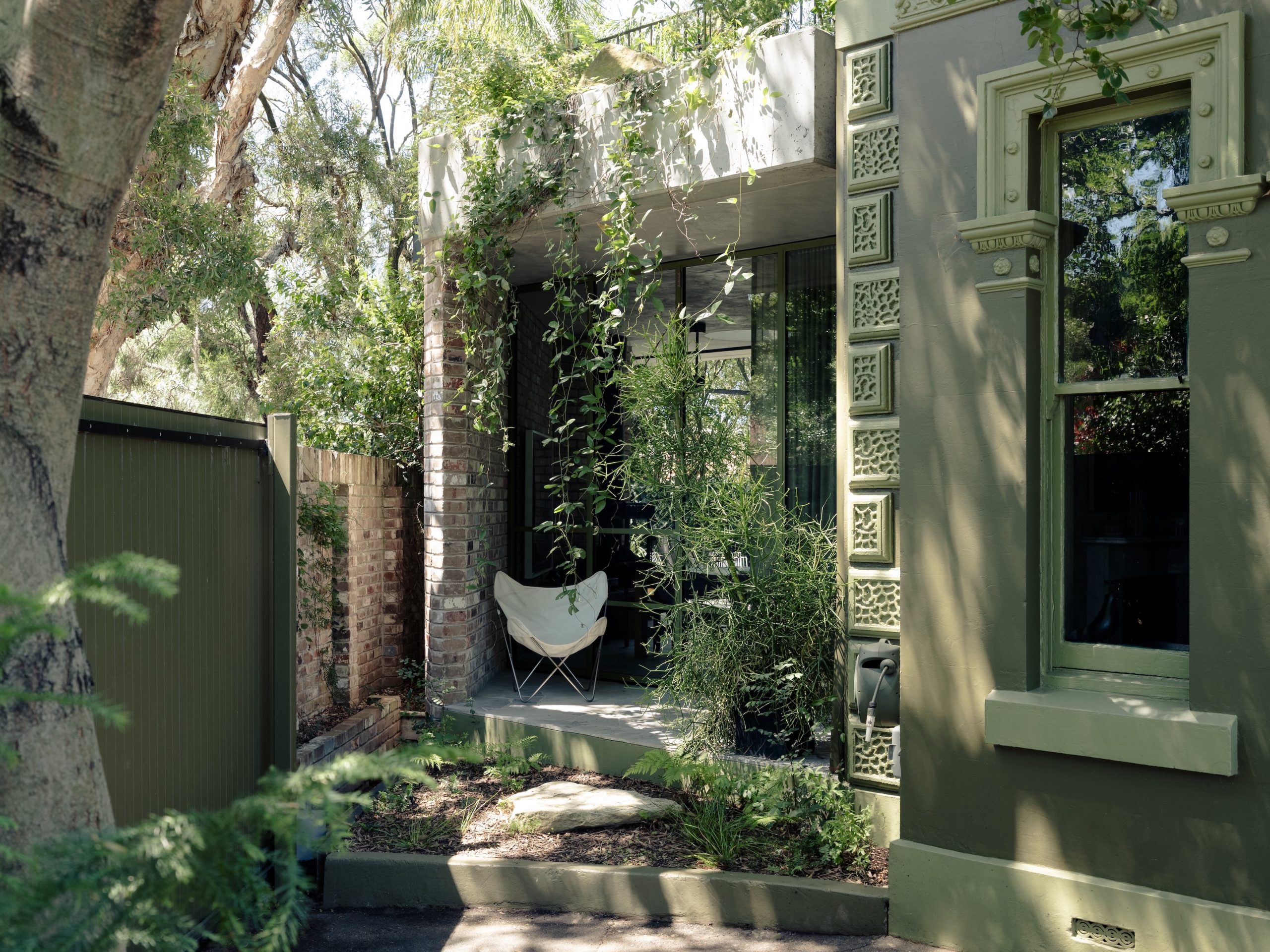
From bushland greens to valley reds, the country’s most awarded designers are proving that the best colour palette was never on a swatch card; it was outside the window all along.
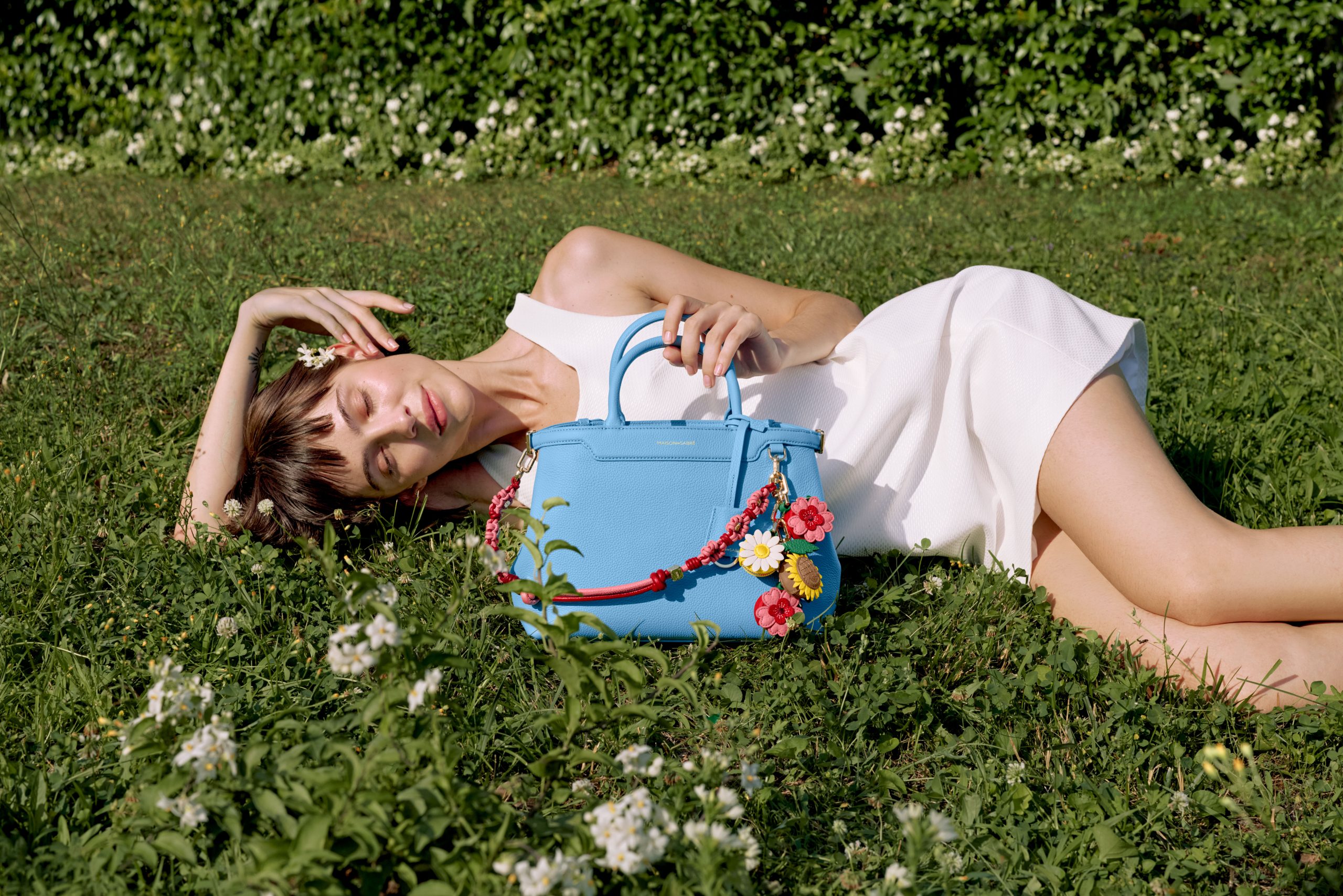
The Australian leather house has opened an immersive four-day pop-up in Manhattan, unveiling its Bloom Collection and redefining what a product launch can look like.


The federal budget has rattled property investors. But the biggest mistake isn’t the tax changes, it’s the conclusion many are drawing from them.
2 min
The recent budget has forced a reckoning for property investors.
Negative gearing now restricted to new residential builds, the CGT discount gone and on paper, the numbers look different.
And many investors are responding by pivoting toward yield, prioritising cash flow over capital growth in a way that property strategists say misses the point entirely.
“The debate has shifted to yield versus growth as if they are opposing forces,” says Abdullah Nouh, founder of Melbourne-based buyers’ agency Mecca Property Group. “But that framing is itself the mistake.”
Nouh, who works with high-net-worth families and investors on long-term acquisition strategy, argues that capital growth remains the primary driver of genuine wealth creation and that the post-budget environment has made quality assets more important, not less.
The numbers make his case plainly. An additional $500 per week in rental income is welcome. A prestige asset appreciating by $1 million over a market cycle is transformative.
These are not equivalent outcomes, and portfolios built around yield at the expense of location and land value tend to generate income while wealth stands largely still.
The more nuanced shift Nouh is seeing among sophisticated investors is a move toward assets where both outcomes can be engineered simultaneously – established homes on substantial land in quality locations, where the existing dwelling can be repositioned, rental returns improved, and the underlying land value compounds independent of what sits on it.
For investors with existing equity, commercial property is also entering the conversation in a more serious way.
Prestige industrial assets, medical centres and long-leased essential retail offer income profiles that residential property in most capital city markets cannot currently match: longer lease terms, tenants covering outgoings, and greater predictability than the residential tenancy cycle.
“The investors who build lasting wealth are rarely the ones who chased yield or growth exclusively,” says Nouh.
“They are the ones who built a strategy they could sustain – one that generated enough income to hold quality assets through multiple cycles while those assets compounded in value.”
The budget has changed the settings. It has not changed the fundamentals.

Pure Amazon has begun journeys deep into Peru’s Pacaya-Samiria National Reserve, combining contemporary design, Indigenous craftsmanship and intimate wildlife encounters in one of the richest ecosystems on Earth.

Now complete, Ophora at Tallawong offers luxury finishes, 10-year defect insurance and standout value from $475,000.