Metallica’s European Tour Showcases Renewable-Energy Big Rigs—And Their Limits
The heavy-metal band is using natural gas and vegetable oil to power its 7,200-mile journey, but filling trucks up on sustainable fuels still has a long way to go

 3 min
3 min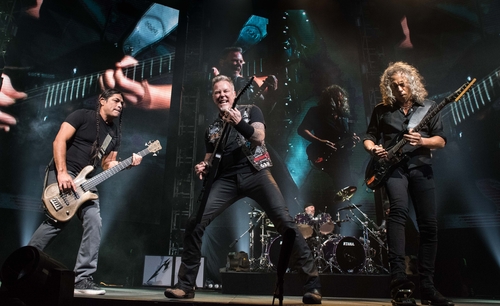
Metallica, the band that blazed a trail for thrash metal with rugged guitar riffs and relentless drumbeats, is trying to do something similar for trucks powered by sustainable fuels.
The group, a rock music mainstay since their 1986 hit album “Master of Puppets,” is looking to burnish its bona fides on social issues by using rigs powered by fuels including biomethane and vegetable oil on its European tour this summer.
Working with European truck maker Iveco, the authors of songs including “Battery” and “Fuel” (sample lyric: “Fuel is pumping engines / Burning hard, loose and clean / And I burn, churning my direction / Quench my thirst with gasoline.”) aim to show that sustainable transportation in heavy-duty trucking is possible on European highways dotted with alternative-fuelling stations.
But the trucks’ limitations and the workarounds the band’s logistics providers are undertaking on the meticulously-planned 7,200-mile journey winding through the continent from Sweden to Spain also illustrate how far trucking is from using cleaner fuels in regular operations.
“You have limited options because of the lack of the infrastructure,” said Natasha Highcroft, a director of Suffolk, U.K.-based Transam Trucking, which provides logistics for Metallica and other bands. “We use alternative fuels as and when we can, as much as possible, but until the infrastructure is there it’s very difficult.”
The trucks run on natural gas, vegetable oil, electricity and hydrogen fuel cells, and will be hauling giant video screens, lighting and instruments across nine countries.
The workhorses of Metallica’s tour will be 10 heavy-duty trucks powered by renewable natural gas—such as methane from landfills—and four heavy-duty trucks running on biodiesel or hydrogenated vegetable oil. The trucks, dramatically decked out in Metallica’s fierce logo, can travel about 1,000 miles between refuelling.
Both fuels provide a significant reduction in emissions compared with regular diesel, although emissions experts say they aren’t nearly as clean as battery-electric or hydrogen fuel cell technologies.
The tour was due to kick off this week in Munich, Germany, and over the next two months will cover the continent from Italy and Spain in southern Europe to Denmark and Norway. The longest journey between shows, from Warsaw to Madrid, covers almost 1,800 miles.
Iveco, which is providing the eco-friendly trucks for Metallica’s tour, makes both battery-electric and hydrogen fuel cell big-rig engines, the types that governments in Europe and the U.S. are trying to press on truckers as soon as possible. But because of the lack of charging and fuelling stations on the long legs between gigs, the battery-electric and hydrogen trucks will be mostly for promotional use at concerts, said Gerrit Marx , chief executive of the Italian truck maker.
Marx said Iveco wants to highlight that renewable natural gas and hydrogenated vegetable oil are “more available and ready” than batteries and hydrogen while also being “way better than fossil diesel.”
Europe has hundreds of liquefied natural gas and hydrogenated vegetable oil, or HVO, refuelling stations. A representative for British energy major Shell , which is working with Iveco on the tour, said Metallica’s low-carbon journey wouldn’t have been possible even a couple of years ago.
Shell says its customers can access HVO in five European countries and renewable natural gas in Germany and in the Netherlands. That means that when low-carbon options aren’t available, the Iveco trucks will be fuelled with regular LNG and the HVO trucks will be fuelled with regular diesel.
A Shell representative said the Metallica tour will buy carbon credits to offset “unavoidable emissions“ generated by the low-emission trucks.
U.S. companies are also using renewable natural gas and biodiesel to reduce carbon emissions. But trucking specialists say the fuels aren’t available in sufficient quantities to power the world’s fleets, which is why regulators are pushing battery-electric and hydrogen fuel cell vehicles.
Trucking executives say the costs of operating those technologies are double or triple those of diesel and that they aren’t workable in a highly-competitive, low-margin industry like trucking.
Lars Stenqvist , chief technology officer at truck maker Volvo Group , said it is important that high-profile performers like Metallica amplify the capabilities of sustainable fuels.
Truckers will only adopt the technology when customers demand it, he said, so “This is music to my ears.”
 Copyright 2020, Dow Jones & Company, Inc. All Rights Reserved Worldwide. LEARN MORE





BNW Developments has established a Sydney presence, joining Arada and Sobha Realty among the growing number of UAE developers pursuing Australian buyers and development opportunities.
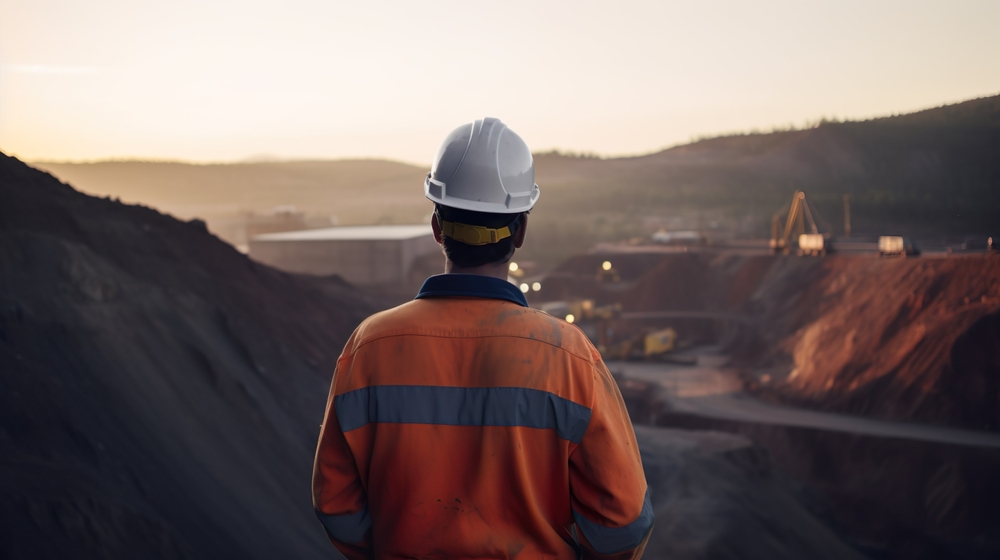
Australian shares fell on Thursday as Wall Street weakness, rising oil and persistent rate concerns weighed on most of the market. The S&P/ASX 200 declined 0.72 per cent to 8,702. The All Ordinaries lost 0.66 per cent to finish at 8,897. Mining stocks were hit particularly hard, while real estate also dragged on the index. …
Continue reading “ASX falls 0.7 per cent as miners and property stocks retreat”

 2 min
2 minAustralian shares fell on Thursday as Wall Street weakness, rising oil and persistent rate concerns weighed on most of the market.
The S&P/ASX 200 declined 0.72 per cent to 8,702. The All Ordinaries lost 0.66 per cent to finish at 8,897. Mining stocks were hit particularly hard, while real estate also dragged on the index.
Energy was the notable exception, gaining more than one per cent as Brent crude traded above US$103 a barrel. Oil had moved higher amid uncertainty surrounding potential US diesel-export restrictions and broader geopolitical supply risks. The move supported energy producers but renewed concern about inflation inputs across transport and the wider economy.
Gold shares were weak even as spot bullion remained historically elevated. The All Ordinaries Gold index fell about 2.25 per cent, showing that equity performance can diverge from the commodity because of valuation, currency, operating and company-specific factors.
Zip was a prominent loser, falling 11.38 per cent after the company reported short sales after the previous close. Nine Entertainment also weakened after UBS analysts warned of near-term revenue challenges associated with its advertising-supported subscription tier.
Premier Investments led larger winners despite caution about the retail environment. Breville, in which Premier owns a significant stake, also appeared among leading movers. In the broader ASX 300 screen, Myer gained 11.43 per cent and MAAS Group rose 7.93 per cent, while Lotus Resources fell 10.53 per cent. These percentage moves should be checked against company announcements and trading liquidity before attributing causes.
The Australian dollar was broadly flat at US70.38 cents. Spot gold was around US$4,280 an ounce, Brent crude approximately US$103.08 a barrel and iron ore near US$96.90 a tonne late in the session.
The rate outlook remains the central domestic catalyst. Labour-market weakness has not eliminated the possibility of an RBA increase next week, leaving banks, listed property and other rate-sensitive sectors exposed to changing expectations.
Market dashboard
S&P/ASX 200: 8,702, down 0.72 per cent.
All Ordinaries: 8,897, down 0.66 per cent.
Best sector: Energy, up more than one per cent.
Weakest areas: Real estate and materials were the major drags; confirm final sector percentages before publication.
Material winner: Premier Investments led the large-company gainers. Confirm its final closing move from the ASX before publication.
Material loser: Zip, down 11.38 per cent.
ASX 300 percentage leader: Myer, up 11.43 per cent.
ASX 300 percentage laggard: Zip, down 11.38 per cent.
AUD/USD: Approximately US$0.7038, broadly flat.
Australia’s market is on the move again, and not always where you’d expect. We’ve found the surprise suburbs where prices are climbing fastest.

MAISON de SABRÉ’s new Spring Harvest Collection turns everyday produce into collectible leather charms and introduces fresh silhouettes in its cult Bucket bag family.