Dual-Frontage Belongil Beach Hideaway Listed for $35m
With two waterfronts, bushland surrounds and a $35 million price tag, this Belongil Beach retreat could become Byron’s most expensive home ever.
 2 min
2 min


A rare parcel of Byron Bay is primed to hit the market this week along the glamorous holiday spot’s priciest stretch of sand – Belongil Beach.
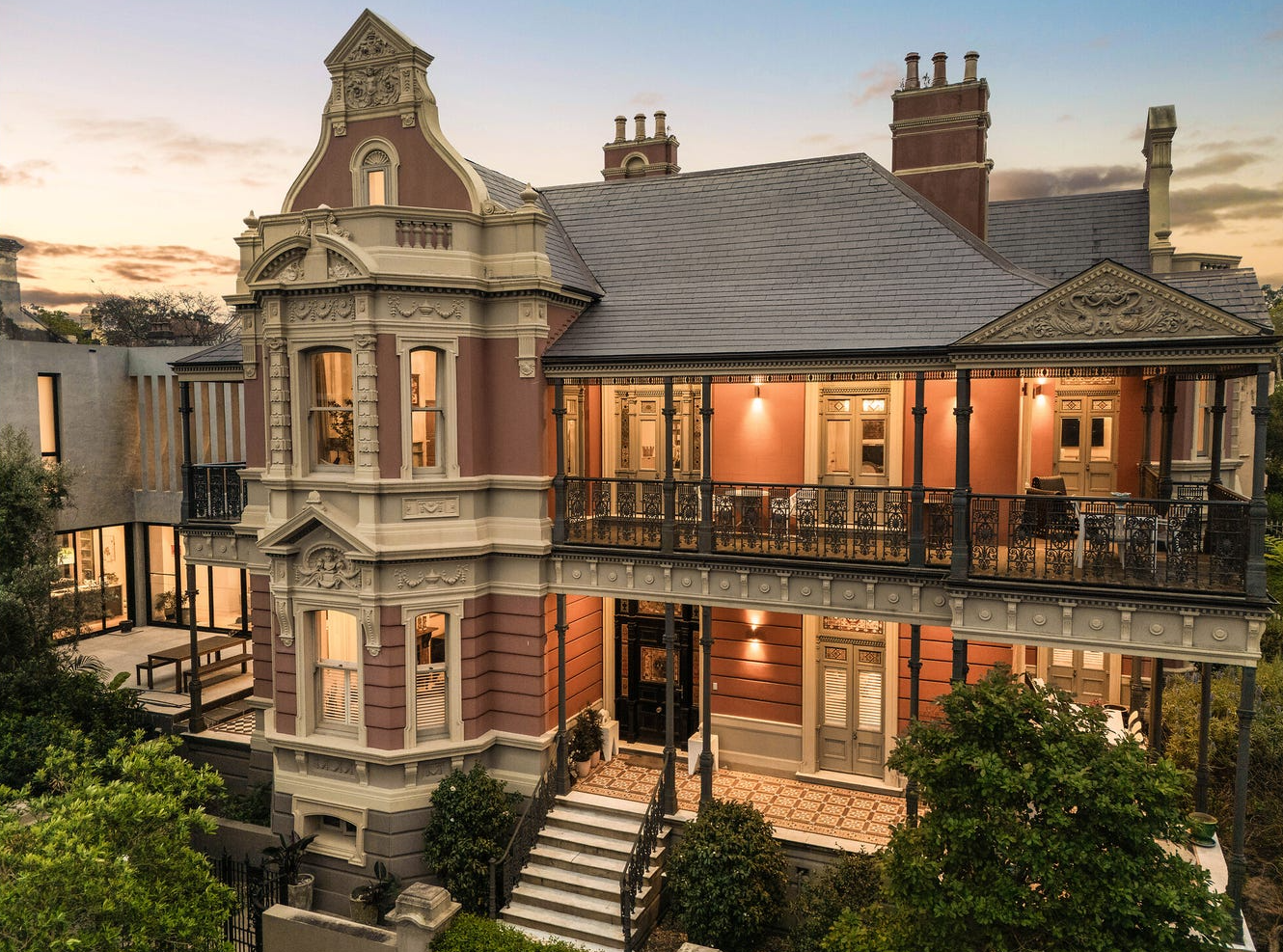
The designer digs belong to Leah and Kurt Rettenmaier, head of digital asset investment firm Revolution Tech. The couple have listed their Byron Bay hideaway, which sits on Childe St and has two waterfronts, for $35 million with Kim Jones of Jones & Co Real Estate.
The Rettenmaiers bought an original beach house on the 1776sq m block back in 2016 for $3.6 million, according to title records, and then reimagined the unique property into a sleek boho retreat worthy of its multimillion-dollar price tag.
The three-bedroom, two-bathroom compound at 4 Childe St sits at the end of the enviable strip, which is bordered on three sides by Belongil Beach, the Belongil Creek and uninterrupted bushland teeming with native flora and fauna.
In addition to the natural neighbours, the property is also surrounded by VIP residents in the exclusive peninsula, including Chemist Warehouse boss Damien Gance and Sasha Robertson.
If the Rettenmaiers and Jones achieve their $35 million goal, the newest listing could break the Byron price barrier of $33.5 million set by the Gance-Robertsons earlier this year.
Jones is also reportedly the agent behind the current Far North Coast record of $37 million. That deal was struck when Tom and Emma Lane of Oroton handbag fame bought their property, The Range, in nearby Coopers Shoot.
The primary two-bedroom residence is home to rendered white walls with integrated shelving and statement archways reminiscent of the uniquely smooth lines of the Greek Isles. The flowing curved interiors also reflect the calming contours of the coastal landscape on the home’s doorstep.
Designed for entertaining inside and out, the property features a spacious covered alfresco area with a built-in barbecue, manicured lawns, a bespoke fire pit and a private self-contained studio with an outdoor claw-foot bathtub.
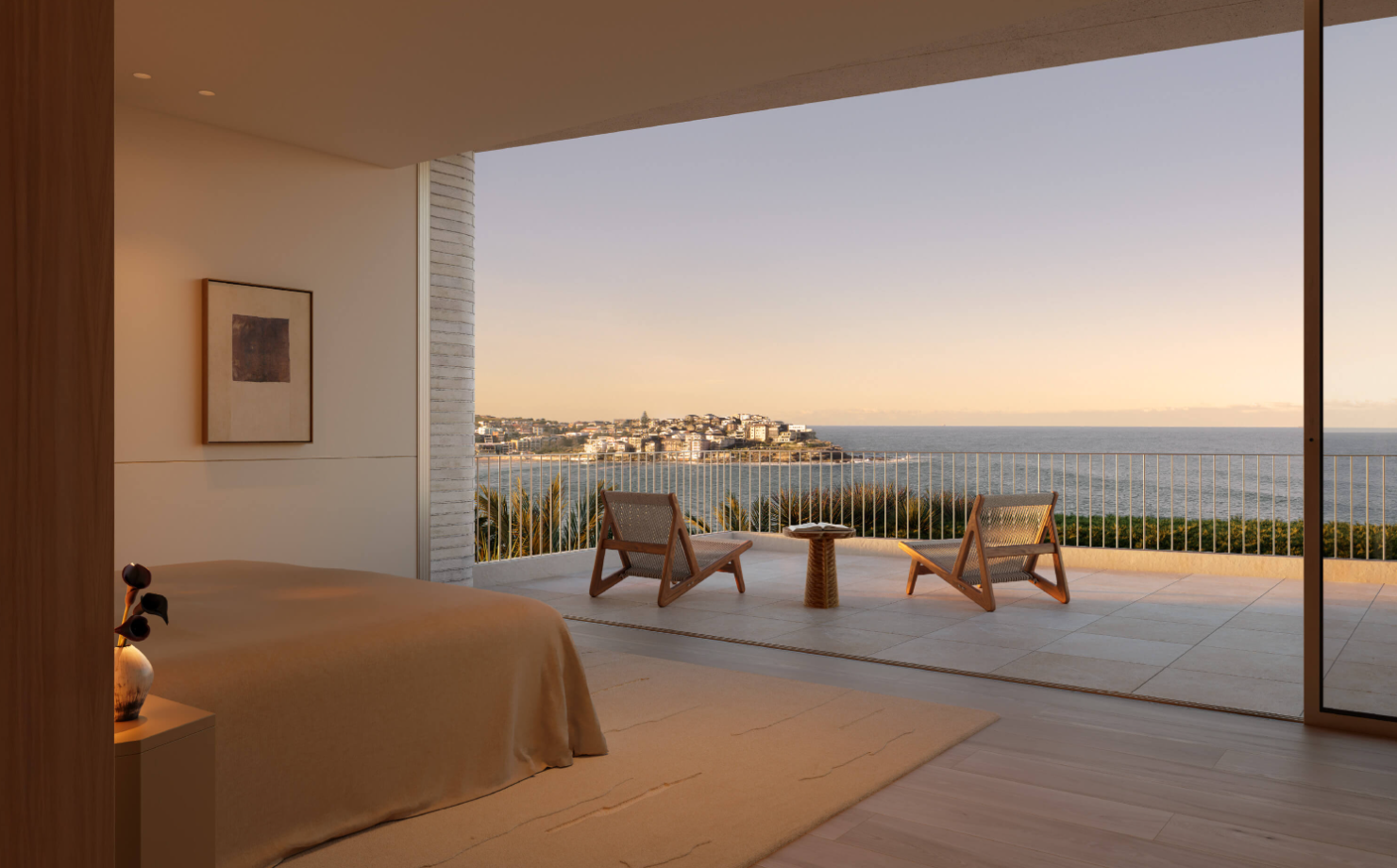
Even kids – big or small – have room to play with a fun built-in skate ramp and an expansive beachfront lawn with sweeping views over the bay, Julian Rocks and the iconic Cape Byron Lighthouse.
The dream has space to thrive with architect-designed plans for a more contemporary beach house (STCA).
Perfectly positioned for surfing at coveted Belongil Beach, or kayaking and stand up paddle boarding along the creek, the home’s prized location is within 600m of Treehouse restaurant, is a six-minute walk to the heart of Byron Bay and approximately half an hour to the Ballina/Byron Gateway Airport, or less than an hour to the Gold Coast Airport.
The dual aspect home at 4 Childe St, Byron Bay, is listed with Kim Jones of Jones & Co with price expectations of about $35 million.

From making unpopular decisions to learning when to listen, leaders from five businesses reveal what nobody prepared them for — and how running a company has challenged their expectations.

Technology and semiconductor shares fell sharply as investors questioned the debt financing the AI infrastructure boom and confronted higher rates and Chinese competition.

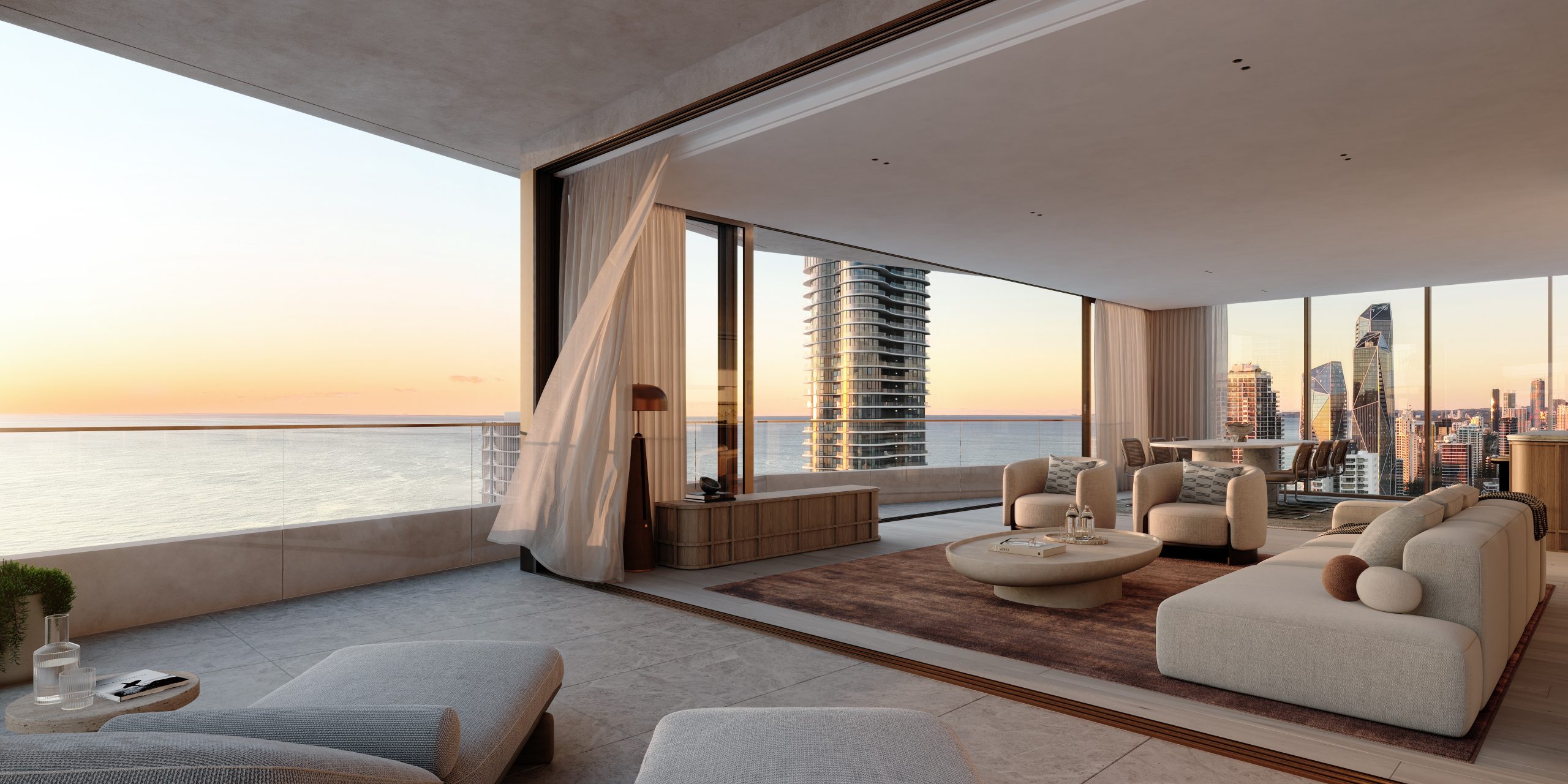
Mirvac’s 45-level Trielle has topped out at Yarra’s Edge, pairing riverfront apartments with wellness facilities, private dining and resident services.
3 min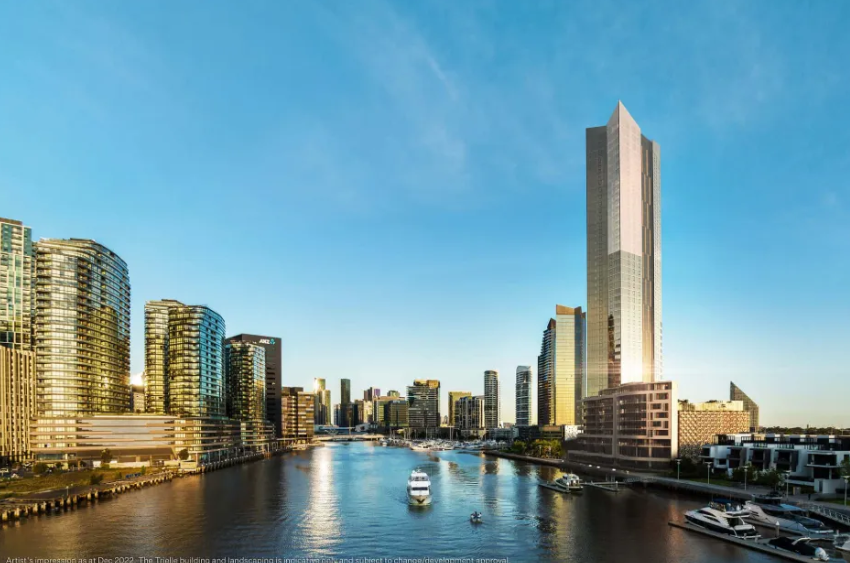
Mirvac has topped out Trielle at Melbourne’s Yarra’s Edge, with more than 70 per cent of the riverfront development sold and approximately 80 per cent of purchasers intending to make their apartment a home.
The figures, released on September 22, point to an owner-occupier audience for one of the precinct’s final residential towers. Mirvac began developing Yarra’s Edge in 2003, and its latest addition occupies one of the remaining absolute riverfront sites.
Mirvac CEO of Development Stuart Penklis said existing residents were among those moving up within the neighbourhood.
“Many purchasers already have a connection to Yarra’s Edge,” Mr Penklis said, describing buyers whose changing needs were encouraging an upgrade within the precinct.
“As one of the final residential towers within Yarra’s Edge, Trielle represents the culmination of more than two decades of creating one of Melbourne’s most established and sought-after waterfront communities,” Penklis said.
“Positioned on the Collins Street axis with absolute river frontage, Trielle offers residents a rare opportunity to enjoy sweeping views across the Yarra River, Melbourne skyline and Port Phillip Bay, while remaining seamlessly connected to the CBD. With Trielle now more than 70 per cent sold, we’re continuing to see strong demand from buyers seeking quality homes in established locations.”
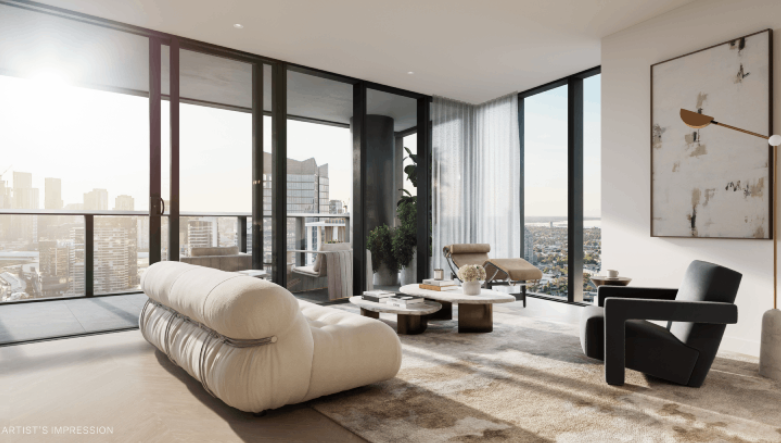
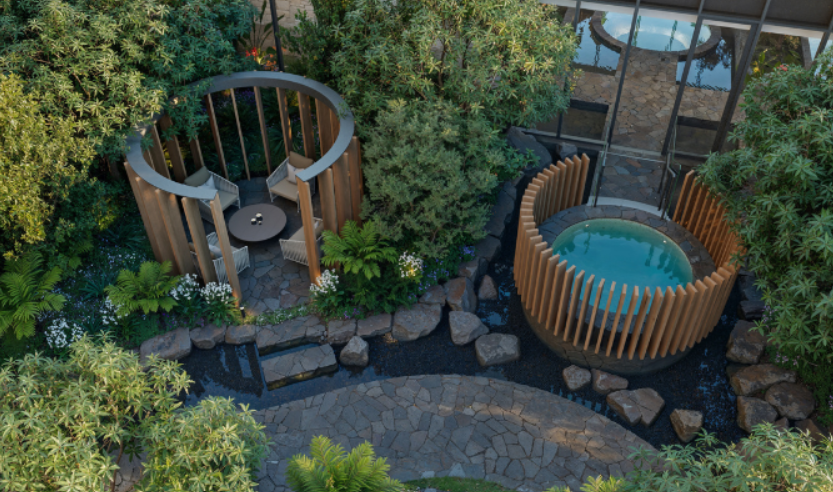
The developer also flagged a penthouse and sub-penthouse collection with larger layouts, premium finishes and broad outlooks. The planned wellness centrepiece, The Oasis, encompasses a 900-square-metre elevated urban rainforest.
Mirvac General Manager Residential Development Victoria Elysa Anderson said Trielle had resonated strongly with buyers seeking a rare lifestyle offering in Melbourne.
“Opportunities to secure a new luxury residence on a riverfront site of this calibre are incredibly rare, particularly within a community like Yarra’s Edge,” Anderson said.
“What makes Trielle unique is the combination of exceptional views, world-class residential facilities and the lifestyle that already exists around it. Residents are buying into a mature waterfront community with parks, promenades, dining, wellness and strong community connections already in place.”
The 45-level tower brings a substantial new presence to that waterfront. Its residential offering spans one-, two-, three- and four-bedroom apartments, with Signature, Prestige and Sub-Penthouse collections accommodating different household sizes. The north-facing position connects the apartments visually to the river and city beyond.
Seven storeys above the promenade, the planned Oasis combines planting and a running stream with a Scandinavian-inspired wellness club developed with spa specialist Naomi Gregory. Facilities include a 25-metre lap pool, hot magnesium pool, sauna, hydrotherapy, a gym, yoga and Pilates room, and treatment spaces.
The amenity extends beyond exercise. Residents will have access to The Biblioteca library and workspaces, ground-floor work pods, and The Salone piano lounge. A private Chef’s Table dining room offers a setting for larger gatherings, while a cinema, games room and sports lounge broaden the entertaining options. Concierge services and a dog-wash area support everyday routines.
Trielle comprises a collection of one, two, three and four-bedroom residences. Reflecting strong demand from owner occupiers, approximately 80 per cent of purchasers to date intend to live in their homes, highlighting the project’s appeal to those seeking a long-term waterfront lifestyle.
Mirvac has recently delivered The Albertine, a premium apartment development on the edge of Melbourne’s CBD, and is nearing completion of Prince & Parade in Brunswick, further strengthening its portfolio of thoughtfully designed apartment communities in some of Melbourne’s most sought-after urban locations.
As housing drives wealth and policy debate, the real risk is an economy hooked on growth without productivity to sustain it.
For Central Element, the start of work at Pearl represents another step in the company’s growing eastern suburbs pipeline.