New York Watch Auctions Record Uptick in Sales in the Face of Market Slowdown

 4 min
4 min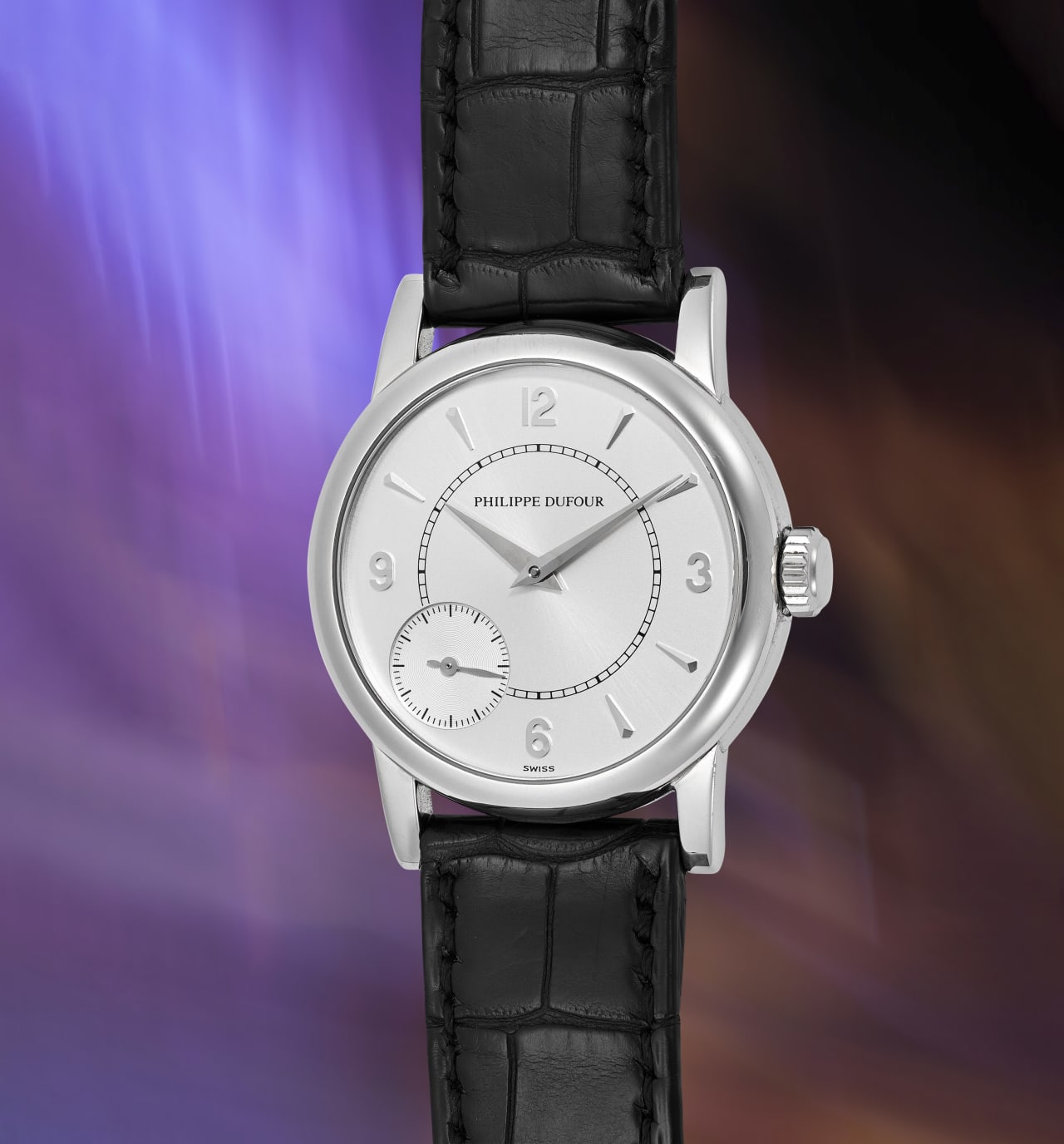
Luxury watch collectors showed ongoing strong demand for Patek Philippe, growing interest in modern watches and a preference for larger case sizes and leather straps at the June watch sales in New York, according to an analysis of the major auctions.
Independent and neo-vintage categories, meanwhile, experienced declines in total sales and average prices, said the report from EveryWatch, a global online platform for watch information. Overall, the New York auctions achieved total sales of US$52.27 million, a 9.87% increase from the previous year, on the sale of 470 lots, reflecting a 37% increase in volume. Unsold rates ticked down a few points to 5.31%, according to the platform’s analysis.
EveryWatch gathered data from official auction results for sales held in New York from June 5 to 10 at Christie’s, Phillips, and Sotheby’s. Limited to watch sales exclusively, each auction’s data was reviewed and compiled for several categories, including total lots, sales and sold rates, highest prices achieved, performance against estimates, sales trends in case materials and sizes as well as dial colors, and more. The resulting analysis provides a detailed overview of market trends and performance.
“We still see a strong thirst for rare, interesting, and exceptional watches, modern and vintage alike, despite a little slow down in the market overall,” says Paul Altieri, founder and CEO of the California-based pre-owned online watch dealer BobsWatches.com, in an email. “The results show that there is still a lot of money floating around out there in the economy looking for quality assets.”
Patek Philippe came out on top with more than US$17.68 million on the sale of 122 lots. It also claimed the top lot: Sylvester Stallone’s Patek Philippe GrandMaster Chime 6300G-010, still in the sealed factory packaging, which sold at Sotheby’s for US$5.4 million, much to the dismay of the brand’s president, Thierry Stern . The London-based industry news website WatchPro estimates the flip made the actor as much as US$2 million in just a few years.
Richard Mille
“As we have seen before and again in the recent Sotheby’s sale, provenance can really drive prices higher than market value with regards to the Sylvester Stallone Panerai watches and his standard Patek Philippe Nautilus 5711/1a offered,” Altieri says.
Patek Philippe claimed half of the top 10 lots, while Rolex and Richard Mille claimed two each, and Philippe Dufour claimed the No. 3 slot with a 1999 Duality, which sold at Phillips for about US$2.1 million.
“In-line with EveryWatch’s observation of the market’s strong preference for strap watches, the top lot of our auction was a Philippe Dufour Duality,” says Paul Boutros, Phillips’ deputy chairman and head of watches, Americas, in an email. “The only known example with two dials and hand sets, and presented on a leather strap, it achieved a result of over US$2 million—well above its high estimate of US$1.6 million.”
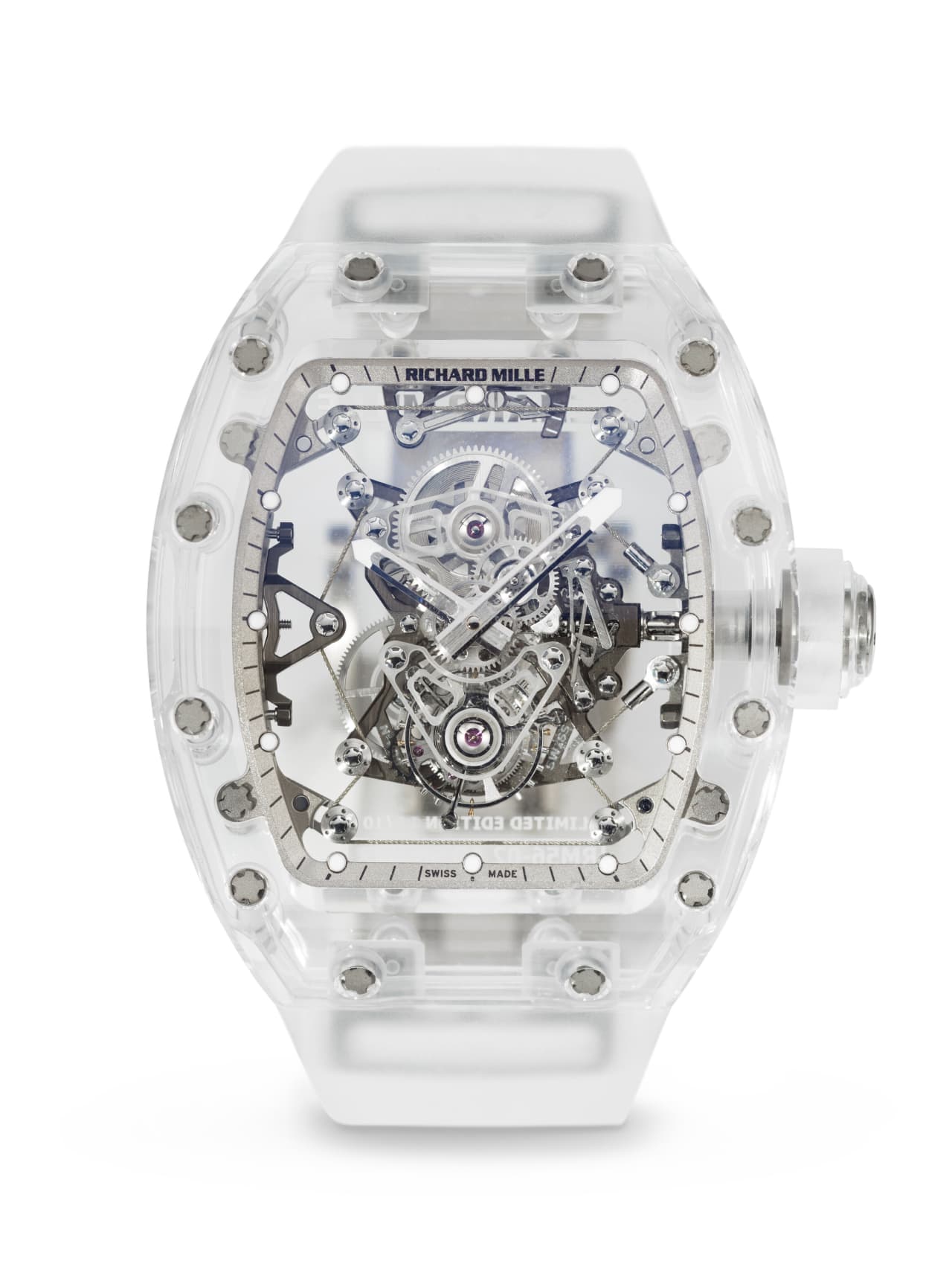
In all, four watches surpassed the US$1 million mark, down from seven in 2023. At Christie’s, the top lot was a Richard Mille Limited Edition RM56-02 AO Tourbillon Sapphire, the most expensive watch sold at Christie’s in New York. That sale also saw a Richard Mille Limited Edition RM52-01 CA-FQ Tourbillon Skull Model go for US$1.26 million to an online buyer.
Rolex expert Altieri was surprised one of the brand’s timepieces did not crack the US$1 million threshold but notes that a rare Rolex Daytona 6239 in yellow gold with a “Paul Newman John Player Special” dial came close at US$952,500 in the Phillips sale.
The Crown did rank second in terms of brand clout, achieving sales of US$8.95 million with 110 lots. However, both Patek Philippe and Rolex experienced a sales decline by 8.55% and 2.46%, respectively. The independent brand Richard Mille, with US$6.71 million in sales, marked a 912% increase from the previous year with 15 lots, up from 5 lots in 2023.
The results underscored recent reports of prices falling on the secondary market for specific coveted models from Rolex, Patek Philippe, and Audemars Piguet. The summary points out that five top models produced high sales but with a fall in average prices.
The Rolex Daytona topped the list with 42 appearances, averaging US$132,053, a 41% average price decrease. Patek Philippe’s Nautilus, with two of the top five watches, made 26 appearances with an average price of US$111,198, a 26% average price decrease. Patek Philippe’s Perpetual Calendar followed with 23 appearances and a US$231,877 average price, signifying a fall of 43%, and Audemars Piguet’s Royal Oak had 22 appearances and an average price of US$105,673, a 10% decrease. The Rolex Day Date is the only watch in the top five that tracks an increase in average price, which at US$72,459 clocked a 92% increase over last year.
In terms of categories, modern watches (2005 and newer) led the market with US$30 million in total sales from 226 lots, representing a 53.54% increase in sales and a 3.78% increase in average sales price over 2023. Vintage watches (pre-1985) logged a modest 6.22% increase in total sales and an 89.89% increase in total lots to 169.
However, the average price was down across vintage, independent, and neo-vintage (1990-2005) watches. Independent brands saw sales fall 24.10% to US$8.47 million and average prices falling 42.17%, while neo-vintage watches experienced the largest decline in sales and lots, with total sales falling 44.7% to US$8.25 million, and average sales price falling 35.73% to US$111,000.
 Copyright 2020, Dow Jones & Company, Inc. All Rights Reserved Worldwide. LEARN MORE




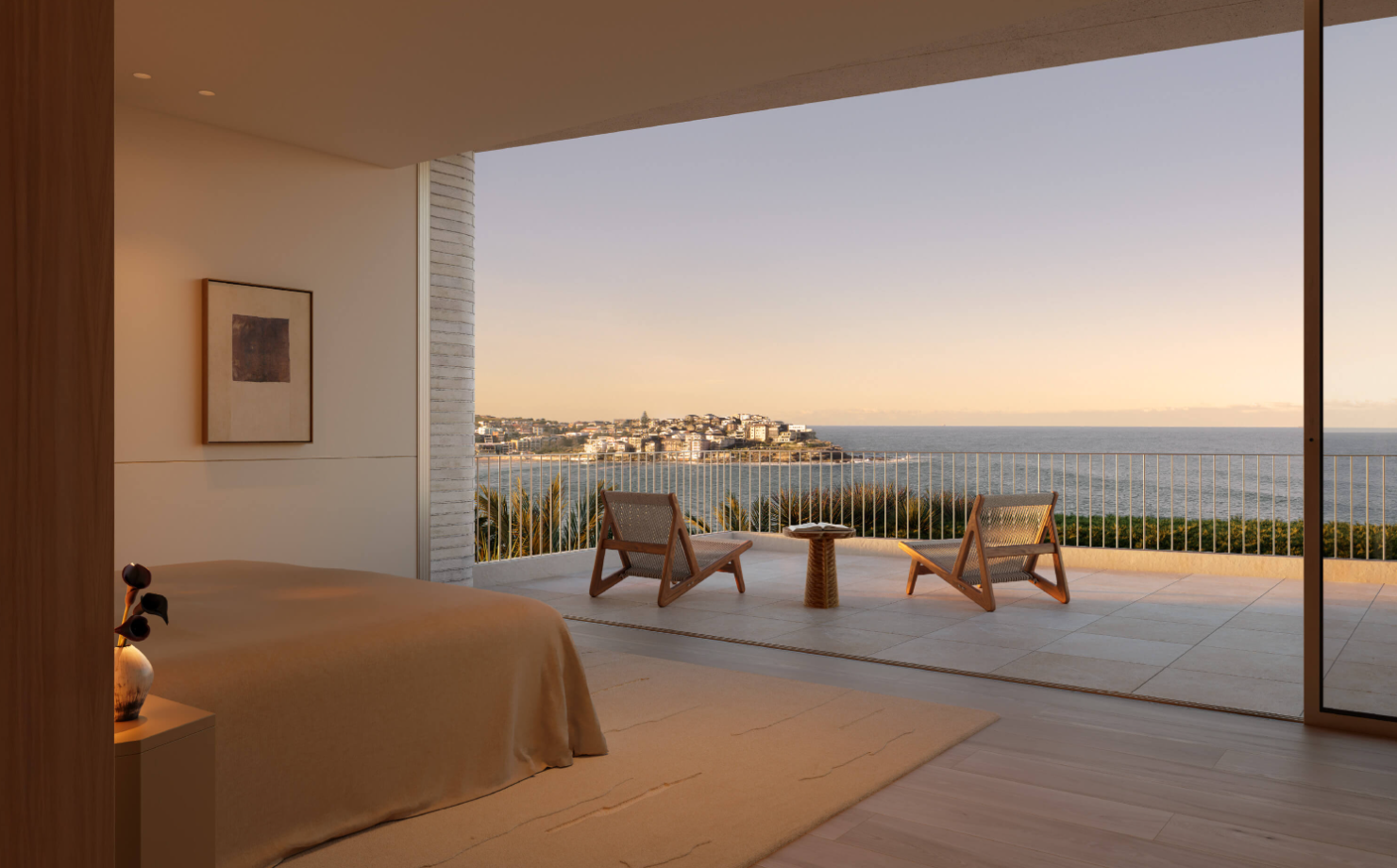
For Central Element, the start of work at Pearl represents another step in the company’s growing eastern suburbs pipeline.

All three vehicles will form part of a broader charitable initiative benefiting Big Brothers Big Sisters of America, the American Red Cross and Starlight Children’s Foundation

Overall, the season showed that share prices react less to whether profits rose or fell than to the gap between results and expectations
5 min
Reporting season has once again reminded investors that a strong profit does not guarantee a rising share price, and a large loss does not always trigger a sell-off. What matters most is how each result compares with expectations and, increasingly, what management says about the year ahead. During the August 2026 season, companies offering credible turnarounds or unexpectedly strong guidance were rewarded handsomely, while those flagging weaker margins, slowing demand or greater uncertainty were punished.
The following ranking draws on Morningstar’s review of 164 ASX-listed companies and measures each company’s share-price movement on the day it reported. This captures the market’s immediate response to the earnings announcement, before subsequent economic developments, dividends and company-specific news cloud the picture. Here are the five biggest winners, and the five hardest-hit losers, of the season so far.
The five winners
1. Bapcor (ASX:BAP): +41.0%
Bapcor delivered reporting season’s largest relief rally after presenting early evidence that its troubled automotive-parts business was stabilising. Although underlying revenue fell 1.8% to $1.92 billion and underlying NPAT collapsed 85% to $10.8 million, underlying EBITDA of $152.5 million exceeded guidance.
More importantly, working-capital initiatives released $68.5 million in the second half, lifting cash conversion to 109.4% and reducing net debt by 63% to $135 million. The statutory loss was $431.6 million, largely because of non-cash impairments. Investors focused on improving operational momentum, stronger liquidity and management’s expectation of modest FY27 revenue growth.
2. Zip Co (ASX:ZIP): +18.2%
Zip comfortably surpassed its FY26 targets, sending the buy-now-pay-later provider’s shares sharply higher. Transaction volume rose 23% to $16.7 billion, while cash earnings before tax, depreciation and amortisation jumped 58% to a record $268.9 million. Statutory profit climbed 46% to $116.4 million, and the cash operating margin expanded by 4.2 percentage points to 20%.
The strongest signal was guidance for FY27 cash earnings of $340 million—around 26% growth and above analysts’ forecasts. US transaction volume increased 42.5% and now represents three-quarters of group volume, offsetting weaker customer activity in Australia.
3. CSL (ASX:CSL): +17.3%
CSL’s result was hardly spectacular in isolation, but it cleared a market bar that had fallen dramatically following earlier downgrades and restructuring announcements. Underlying NPATA was US$3.1 billion, down 2% in constant-currency terms, while operating cash flow reached US$3.51 billion.
CSL maintained its full-year dividend at US$2.92 per share and completed a A$1 billion buyback. The real catalyst was FY27 guidance for approximately 5% underlying profit growth, compared with market expectations closer to 2%. After an extended period of earnings disappointments, investors interpreted the outlook as evidence that CSL’s core plasma business was approaching a sustainable recovery.
4. Judo Capital (ASX:JDO): +16.9%
Judo Capital demonstrated strong operating leverage as its specialist business-lending franchise expanded. Full-year profit before tax rose 34% to $168.1 million, while pre-provision profit increased 42%. Gross loans and advances grew 18% to $14.7 billion, reaching the top of the bank’s guidance range and comfortably exceeding broader system growth.
Deposits increased 24% to $12.2 billion, return on equity improved by 1.1 percentage points to 6.4%, and earnings per share rose 29% to 9.9 cents. Reaffirmation of the FY27 outlook gave investors confidence that loan growth could continue without sacrificing margins or credit quality.
5. Super Retail Group (ASX:SUL): +15.8%
The owner of Supercheap Auto, rebel, BCF and Macpac reported record sales of $4.2 billion, up 3.2%, despite cautious discretionary spending. Profitability went backwards: normalised profit before tax fell 7% to $306 million and normalised NPAT declined 2.8% to $226 million as transformation spending weighed on margins. Nevertheless, the result exceeded subdued expectations, online sales grew 5.3% and membership across the group’s loyalty programs reached 13.1 million. Investors were also encouraged by positive early FY27 trading, stable gross margins and continued market-share gains. A fully franked 33-cent final dividend added to the appeal.
The five losers
1. Hansen Technologies (ASX:HSN): –21.2%
Hansen’s historic result met expectations, but investors recoiled from its outlook. The utility and communications software provider achieved an underlying EBITDA margin of 31%, exceeding its 30% target, while generating strong cash flow. However, management designated FY27 an “investment and transition year”, signalling a roughly five-percentage-point margin contraction as spending on products, sales capabilities and organisational changes increased.
Revenue had already been broadly flat, leaving investors concerned that the investment program would depress earnings before new growth appeared. Leadership changes, including the chief executive’s departure, added uncertainty. Management expects revenue growth and margins above 30% to return in FY28, but the market was unwilling to wait.
2. Life360 (ASX:360): –19.4%
Life360’s headline growth was impressive: quarterly revenue rose 38% to US$159 million, subscription revenue increased 31%, and adjusted EBITDA climbed 53% to US$31.1 million. Monthly active users reached 102.4 million and paying circles grew 27% to 3.2 million. The sell-off reflected expectations rather than a collapsing business.
Net income fell 18%, the net margin contracted from 6% to 3%, hardware shipments dropped 18%, and full-year EBITDA guidance was merely maintained. After a strong valuation run, investors wanted a larger upgrade and clearer evidence that heavy investment in advertising, international expansion and artificial intelligence would generate additional earnings.
3. PEXA Group (ASX:PXA): –17.0%
PEXA reported a 7% increase in continuing-operations revenue and 12% EBITDA growth to $152 million, accompanied by a two-percentage-point margin expansion. Free cash flow increased 39%, suggesting the core Australian electronic-conveyancing platform remained highly profitable. Investors instead concentrated on management’s warning that property-transfer volumes could decline, alongside regulatory uncertainty surrounding the fees PEXA can charge.
The company is also continuing to invest heavily in its loss-making international expansion. Morningstar considered the market reaction excessive, arguing that structural transfer-volume assumptions had not materially changed, but the combination of softer near-term activity and regulatory risk overwhelmed the respectable headline numbers.
4. SEEK (ASX:SEK): –14.3%
SEEK produced solid FY26 figures, including 10% revenue growth to $1.20 billion, a 15% rise in EBITDA and 28% growth in adjusted earnings per share. It also lifted its fully franked annual dividend by 13% to a record 52 cents. Those achievements were overshadowed by falling paid job-ad volumes and cautious FY27 assumptions.
The statutory accounts included a $201 million loss from the SEEK Growth Fund and $377 million of significant items, making the headline result considerably less attractive. Investors were particularly concerned that economic weakness could limit volumes while the company continued investing in platform integration and artificial-intelligence products.
5. JB Hi-Fi (ASX:JBH): –12.3%
JB Hi-Fi’s full-year result was broadly respectable, with group sales rising 5% to $11.1 billion and underlying earnings per share increasing 6% to $4.48. The damage came from its current-trading update. Australian sales were almost flat during the June quarter and deteriorated further in July, while earnings in the core Australian electronics business fell 3.6%.
Housing-related categories were particularly weak as higher living costs and interest rates constrained household budgets. With JB Hi-Fi entering the season on a demanding valuation, an in-line historic result was not sufficient: the loss of sales momentum prompted investors to rapidly reduce their expectations for FY27.
Overall, the season showed that share prices react less to whether profits rose or fell than to the gap between results and expectations. Bapcor was rewarded for being less troubled than feared, while several fundamentally profitable companies were punished because their outlooks failed to justify elevated valuations.

Three completed developments bring a quieter, more thoughtful style of luxury living to Mosman, Neutral Bay and Crows Nest.

As housing drives wealth and policy debate, the real risk is an economy hooked on growth without productivity to sustain it.