





El Salvador Made Bitcoin an Official Currency. Now It’s Backtracking for IMF Loan.
Organization is showing flexibility by allowing the bitcoin program to proceed in a limited way

 2 min
2 min
The government of El Salvador’s President Nayib Bukele agreed to scale back his ambitious plan to adopt bitcoin as a national currency in exchange for a much-needed $1.4 billion loan by the International Monetary Fund.
The IMF said in a statement Wednesday that in exchange for the financial-aid program to support the Bukele administration economic overhaul agenda, the government agreed to implement measures to mitigate bitcoin-related risks.
The deal signals an important shift by the IMF, showing greater flexibility over government use and regulation of bitcoin in anticipation of friendlier crypto policies by the incoming administration of President-elect Donald Trump , said Alejandro Werner , a former director of the IMF’s Western Hemisphere Department.
Bukele’s surprise decision to make bitcoin legal tender was cheered by crypto enthusiasts but stalled financial support from the IMF in the midst of concern that the volatile crypto asset could rock the finances of the impoverished and indebted Central American nation.
“In a situation where the international financial community didn’t want to set a precedent on the adoption of bitcoin as legal tender, it became an obstacle to close an agreement with the IMF,” said Werner, who also served as adviser to El Salvador’s government and currently heads the Georgetown Americas Institute in Washington, D.C.
The use of bitcoin as a national currency in this country of around 6.5 million didn’t take off, surveys show. After the government spent more than $200 million in 2021 rolling out bitcoin ATMs and an e-wallet with $30 of free bitcoin for anyone who signed up, most users took the virtual currency to buy goods or exchange it for dollars.
The government began purchasing bitcoin when it was trading at about $30,000, booking losses at first and then posting significant gains as its volatile price surpassed $100,000 recently.
Among the concessions made by the Bukele administration, acceptance of bitcoin by the country’s businesses will no longer be mandatory, while the public sector’s participation in bitcoin-related activities will be restricted, the IMF said.
“The potential risks of the bitcoin project will be diminished significantly” in line with fund policies, the IMF said.
Under the agreement, El Salvador’s government agreed to reduce bitcoin purchases, and it will no longer accept tax payments with the crypto asset. The government’s participation in Chivo, the crypto e-wallet launched in 2021, will be gradually unwound, the IMF said.
“Transparency, regulation, and supervision of digital assets will be enhanced to safeguard financial stability, consumer and investor protection, and financial integrity,” it added.
Bukele highlighted on X the IMF’s remarks about the steady expansion of the country’s economy since the pandemic, bolstered by “robust remittances and a remarkable pickup in tourism,” in the midst of improvements in public security.
 Copyright 2020, Dow Jones & Company, Inc. All Rights Reserved Worldwide. LEARN MORE




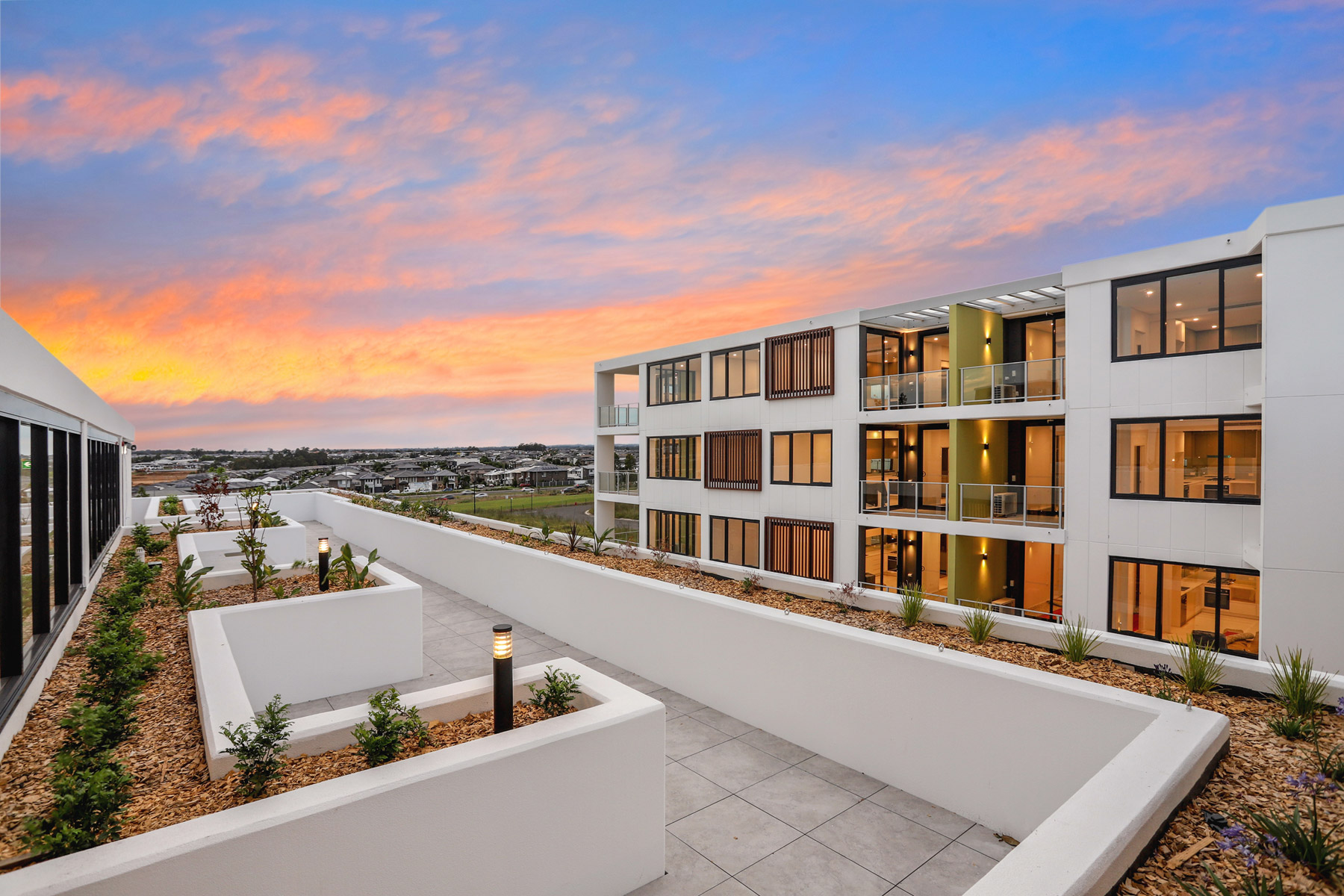
Ophora Tallawong has launched its final release of quality apartments priced under $700,000.
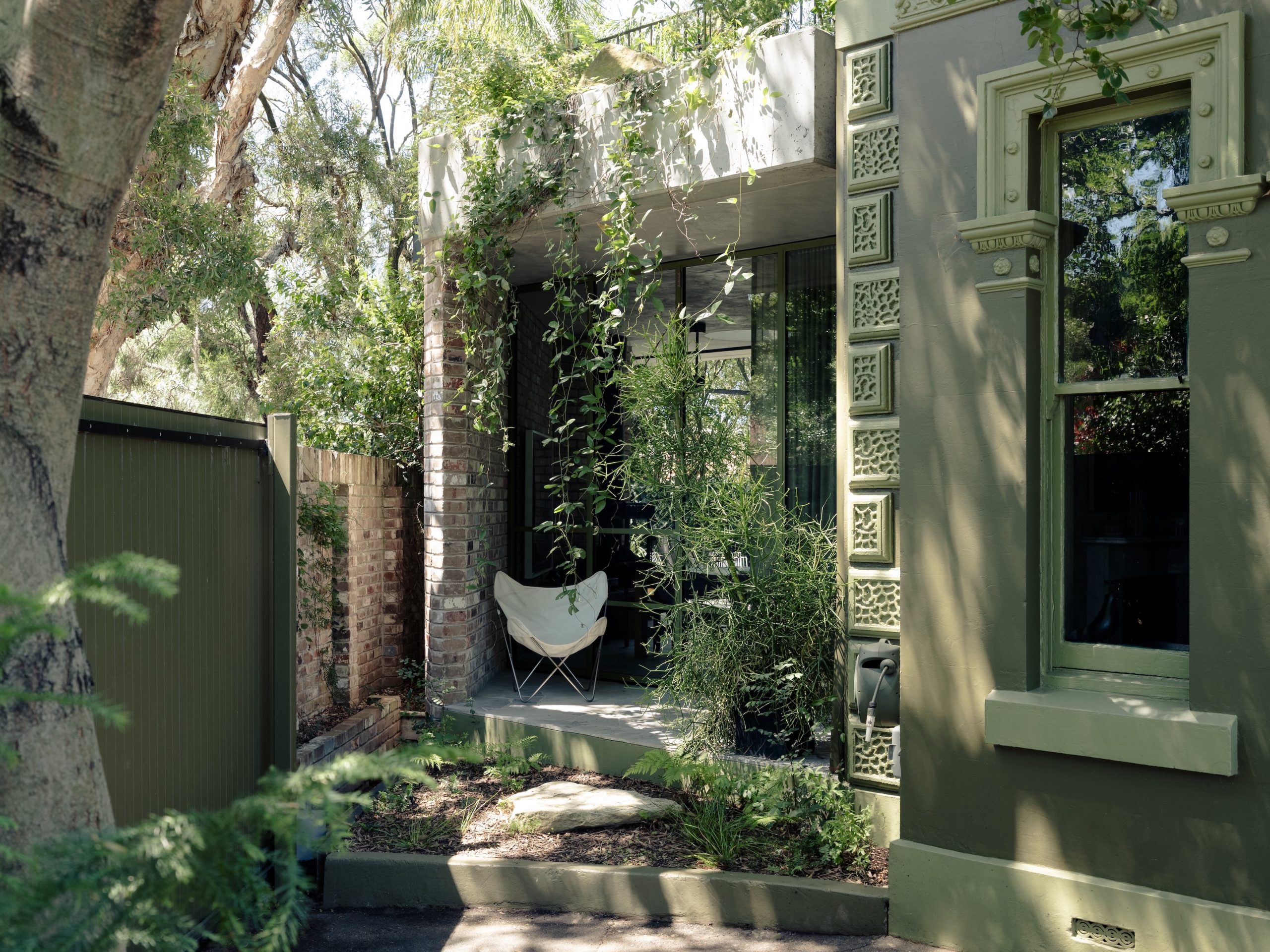
From bushland greens to valley reds, the country’s most awarded designers are proving that the best colour palette was never on a swatch card; it was outside the window all along.
The federal budget has rattled property investors. But the biggest mistake isn’t the tax changes, it’s the conclusion many are drawing from them.
2 min
The recent budget has forced a reckoning for property investors.
Negative gearing now restricted to new residential builds, the CGT discount gone and on paper, the numbers look different.
And many investors are responding by pivoting toward yield, prioritising cash flow over capital growth in a way that property strategists say misses the point entirely.
“The debate has shifted to yield versus growth as if they are opposing forces,” says Abdullah Nouh, founder of Melbourne-based buyers’ agency Mecca Property Group. “But that framing is itself the mistake.”
Nouh, who works with high-net-worth families and investors on long-term acquisition strategy, argues that capital growth remains the primary driver of genuine wealth creation and that the post-budget environment has made quality assets more important, not less.
The numbers make his case plainly. An additional $500 per week in rental income is welcome. A prestige asset appreciating by $1 million over a market cycle is transformative.
These are not equivalent outcomes, and portfolios built around yield at the expense of location and land value tend to generate income while wealth stands largely still.
The more nuanced shift Nouh is seeing among sophisticated investors is a move toward assets where both outcomes can be engineered simultaneously – established homes on substantial land in quality locations, where the existing dwelling can be repositioned, rental returns improved, and the underlying land value compounds independent of what sits on it.
For investors with existing equity, commercial property is also entering the conversation in a more serious way.
Prestige industrial assets, medical centres and long-leased essential retail offer income profiles that residential property in most capital city markets cannot currently match: longer lease terms, tenants covering outgoings, and greater predictability than the residential tenancy cycle.
“The investors who build lasting wealth are rarely the ones who chased yield or growth exclusively,” says Nouh.
“They are the ones who built a strategy they could sustain – one that generated enough income to hold quality assets through multiple cycles while those assets compounded in value.”
The budget has changed the settings. It has not changed the fundamentals.
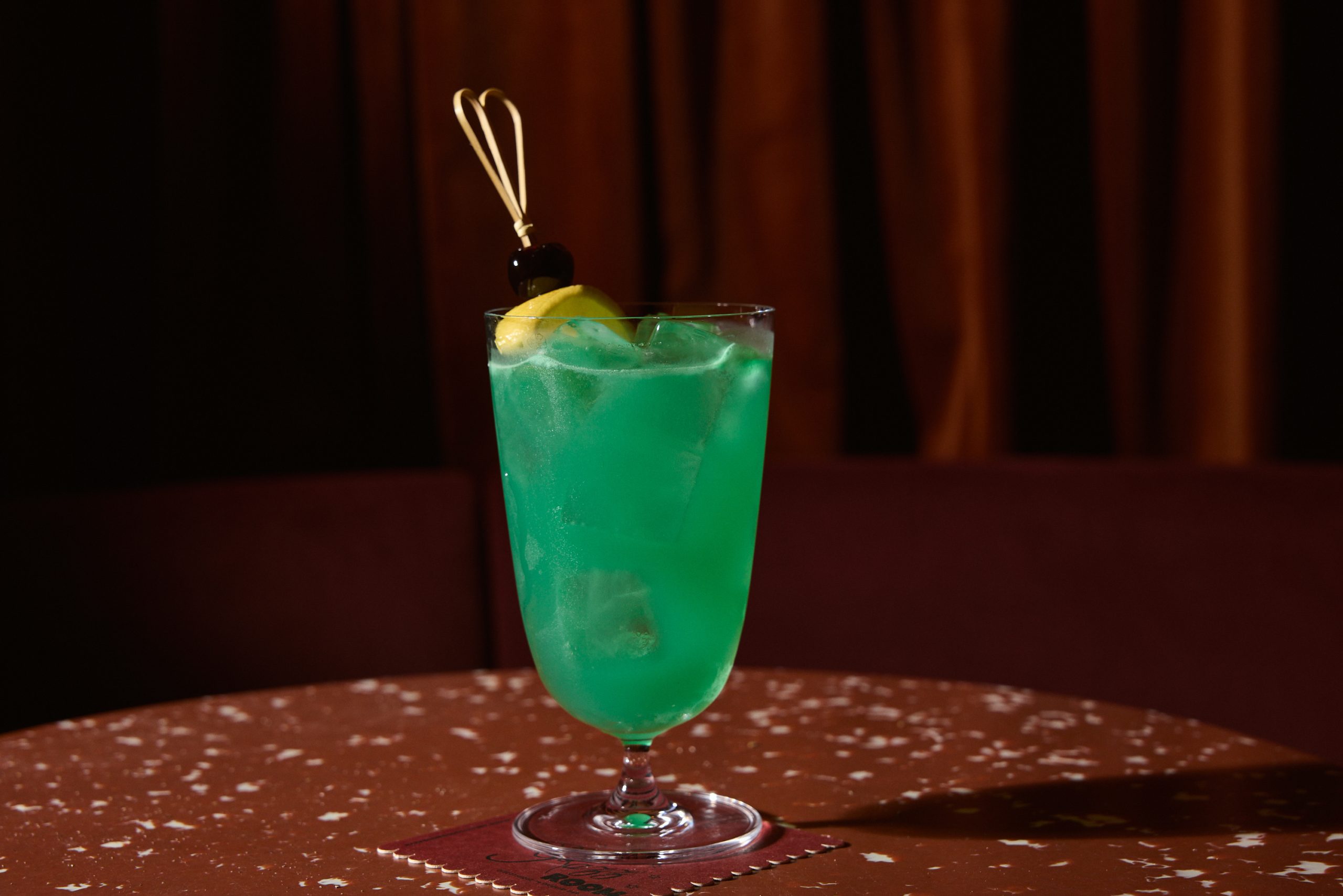
Odd Culture Group brings a new kind of after-dark energy to the CBD, where daiquiris, disco and design collide beneath the city streets.

Three completed developments bring a quieter, more thoughtful style of luxury living to Mosman, Neutral Bay and Crows Nest.


