Temu Owner PDD Posts Slowest Revenue Growth Since Early 2022
Fourth-quarter revenue climbed 24% to 110.61 billion yuan, equivalent to $15.30 billion, but missed estimates.

 2 min
2 min
The Chinese owner of bargain app Temu reported slower quarterly profit and revenue growth, capping a turbulent year for the e-commerce giant as it faced stiff competition at home, geopolitical tensions abroad and U.S. tariff uncertainties.
PDD Holdings on Thursday said fourth-quarter revenue climbed 24% to 110.61 billion yuan, equivalent to $15.30 billion, missing a Visible Alpha estimate of 117.83 billion yuan. It was the slowest pace of growth since the first quarter of 2022.
Net profit rose 18% from a year earlier to 27.45 billion yuan, topping analysts’ expectations of 27.00 billion yuan. However, the growth was slower than the 61% rise in the third quarter and the more than twofold increase a year earlier.
“Looking ahead, we will continue to prioritize investments in the platform ecosystem as the cornerstone of our long-term value creation strategy,” said Jun Liu, PDD’s vice president of finance.
Jefferies analysts in a note said PDD’s top-line miss was due to slower-than-expected revenue growth from transaction services, while revenue from online marketing services and others was in line with consensus.
The easing momentum contrasted sharply with the stunning growth rates the company delivered in past years. PDD last year repeatedly warned of a slowdown, pointing to intensifying competition and external challenges.
Pinduoduo, the company’s discount platform in China, has grown rapidly since it launched nearly a decade ago, taking market share from e-commerce stalwarts Alibaba and JD.com . Its sister platform Temu burst onto the international scene in 2022 and swiftly gained attention in the U.S., attracting customers with low prices.
However, Temu has also encountered regulatory scrutiny as it expands overseas. U.S. President Trump in February delayed his plan to end a provision for China imports that lets platforms avoid paying import duties and customs inspections on low-value packages, offering the likes of Temu a brief reprieve.
For the full year, PDD’s total revenue rose 59% to 393.84 billion yuan and net profit climbed 87% to 60.03 billion yuan.
Last month, rival Alibaba posted its fastest pace of revenue growth since late 2023, with revenue for the latest quarter rising 7.6% to 280 billion yuan. Online retailer JD.com earlier this month nearly tripled its quarterly net profit as revenue climbed 13% to 346.99 billion yuan.
U.S.-listed PDD was recently 6.5% lower in premarket trading after the results.
 Copyright 2020, Dow Jones & Company, Inc. All Rights Reserved Worldwide. LEARN MORE




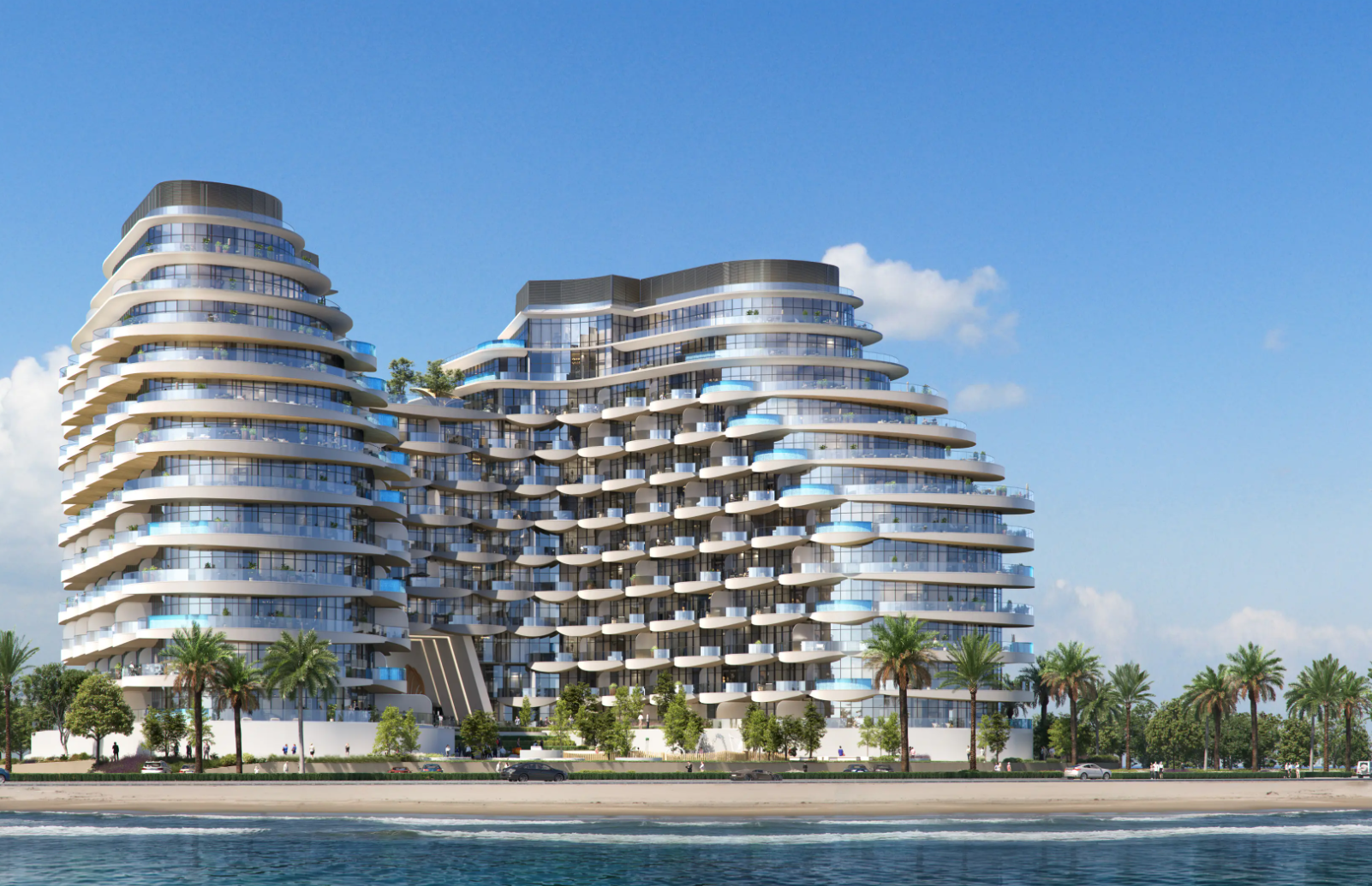
BNW Developments has established a Sydney presence, joining Arada and Sobha Realty among the growing number of UAE developers pursuing Australian buyers and development opportunities.

Australian shares fell on Thursday as Wall Street weakness, rising oil and persistent rate concerns weighed on most of the market. The S&P/ASX 200 declined 0.72 per cent to 8,702. The All Ordinaries lost 0.66 per cent to finish at 8,897. Mining stocks were hit particularly hard, while real estate also dragged on the index. …
Continue reading “ASX falls 0.7 per cent as miners and property stocks retreat”

 2 min
2 minAustralian shares fell on Thursday as Wall Street weakness, rising oil and persistent rate concerns weighed on most of the market.
The S&P/ASX 200 declined 0.72 per cent to 8,702. The All Ordinaries lost 0.66 per cent to finish at 8,897. Mining stocks were hit particularly hard, while real estate also dragged on the index.
Energy was the notable exception, gaining more than one per cent as Brent crude traded above US$103 a barrel. Oil had moved higher amid uncertainty surrounding potential US diesel-export restrictions and broader geopolitical supply risks. The move supported energy producers but renewed concern about inflation inputs across transport and the wider economy.
Gold shares were weak even as spot bullion remained historically elevated. The All Ordinaries Gold index fell about 2.25 per cent, showing that equity performance can diverge from the commodity because of valuation, currency, operating and company-specific factors.
Zip was a prominent loser, falling 11.38 per cent after the company reported short sales after the previous close. Nine Entertainment also weakened after UBS analysts warned of near-term revenue challenges associated with its advertising-supported subscription tier.
Premier Investments led larger winners despite caution about the retail environment. Breville, in which Premier owns a significant stake, also appeared among leading movers. In the broader ASX 300 screen, Myer gained 11.43 per cent and MAAS Group rose 7.93 per cent, while Lotus Resources fell 10.53 per cent. These percentage moves should be checked against company announcements and trading liquidity before attributing causes.
The Australian dollar was broadly flat at US70.38 cents. Spot gold was around US$4,280 an ounce, Brent crude approximately US$103.08 a barrel and iron ore near US$96.90 a tonne late in the session.
The rate outlook remains the central domestic catalyst. Labour-market weakness has not eliminated the possibility of an RBA increase next week, leaving banks, listed property and other rate-sensitive sectors exposed to changing expectations.
Market dashboard
S&P/ASX 200: 8,702, down 0.72 per cent.
All Ordinaries: 8,897, down 0.66 per cent.
Best sector: Energy, up more than one per cent.
Weakest areas: Real estate and materials were the major drags; confirm final sector percentages before publication.
Material winner: Premier Investments led the large-company gainers. Confirm its final closing move from the ASX before publication.
Material loser: Zip, down 11.38 per cent.
ASX 300 percentage leader: Myer, up 11.43 per cent.
ASX 300 percentage laggard: Zip, down 11.38 per cent.
AUD/USD: Approximately US$0.7038, broadly flat.

Australia’s market is on the move again, and not always where you’d expect. We’ve found the surprise suburbs where prices are climbing fastest.

The sports-car maker delivered 279,449 cars last year, down from 310,718 in 2024.