


Real Estate Returns Rebound as Investors Shift from Caution to Confidence
Dexus Research sees renewed momentum across office, retail and industrial sectors as market sentiment improves.
 2 min

Australian real estate is showing signs of a comeback, with new data revealing accelerating returns across all major property sectors and improving investor confidence.
The latest Q3 2025 Australian Real Asset Review from Dexus Research highlights a positive shift in momentum, driven by falling interest rates, stabilising vacancy rates and renewed business sentiment.
The report suggests that the market may be transitioning from a period of “Fear of Acting Too Early (FATE)” to “Fear of Missing Out (FOMO)” as capital begins to flow back into real assets.
Unlisted property funds are leading the resurgence, posting their strongest returns in two years in June 2025, particularly in retail and industrial.
Dexus forecasts sector-wide returns exceeding 7% per annum within the next 12 months, buoyed by positive revaluations and rising deal activity.
In the office sector, the Sydney CBD appears to be entering a classic recovery cycle.
For high-quality assets, capitalisation rates are believed to have peaked, vacancy rates are levelling off, and rental growth is back on the rise. With demand strengthening and limited new supply, Dexus says this could mark a rare window of opportunity for investors.
Retail property is also showing signs of renewed strength, helped by real wage growth and declining mortgage rates. CBD vacancy rates have dropped and rents are firming, especially in regional shopping centres.
Meanwhile, infrastructure transaction volumes rose significantly in Q2 2025, with renewed focus on renewable energy and battery storage projects.
Government spending is playing a major role, with the Federal Government’s $60 billion infrastructure pipeline and various state initiatives expected to drive new project originations into 2026.
Overall business confidence is improving, even amid a sluggish broader economy. Falling inflation, political stability, and a rising equities market are contributing to stronger leasing expectations in the second half of the year.
“Global uncertainty continues to influence sentiment in capital and occupier real asset markets,” said Peter Studley, Dexus Head of Research.
“However, with interest rates falling and supply constrained, there are compelling reasons to expect stronger real estate returns in the months ahead. The big question is, how quickly will the tide turn from Fear of Acting Too Early (FATE) to Fear of Missing Out (FOMO) for real asset investors?”
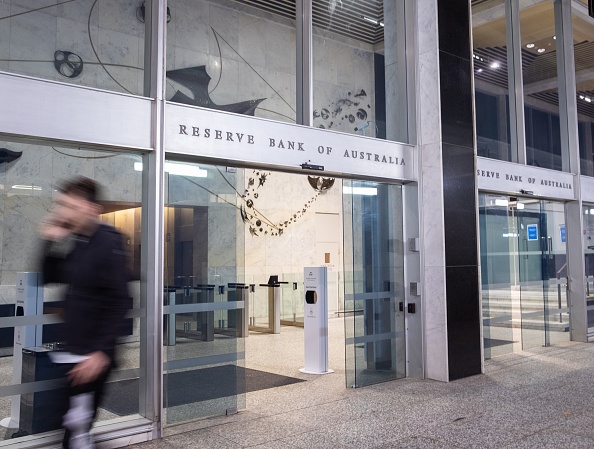
Unemployment hit 4.9% in October, but with inflation at 4.3% the big four aren’t tipping a February RBA cut. Here’s what CBA, Westpac and NAB say.

Dutch studio Vripack took cues from a Shirley Temple song for Lollipop, a 37.4-metre Moonen superyacht built for long-range cruising.
Unemployment hit 4.9% in October, but with inflation at 4.3% the big four aren’t tipping a February RBA cut. Here’s what CBA, Westpac and NAB say.
3 minUnemployment is at a five-year high and the talk has turned from hikes to cuts. But with inflation still well above target, the big banks aren’t ready to promise relief by February.
Three weeks ago the Reserve Bank lifted the cash rate for the fifth time this year. The conversation has now flipped.
Last Thursday the Australian Bureau of Statistics reported that the seasonally adjusted unemployment rate rose to 4.9 per cent in October, up from 4.7 per cent. That is the highest reading since October 2021. Economists had expected about 25,000 new jobs and an unchanged jobless rate.
“In October, there were 44,000 less employed people and 18,000 more unemployed people,” said Sean Crick, the ABS head of labour statistics. Youth unemployment rose to 11.3 per cent. October was also the second straight monthly fall in employment, following a drop of more than 36,000 in September.
Ahead of the RBA’s forecasts
The timing is awkward for the RBA. On 3 November its Monetary Policy Board raised the cash rate by 25 basis points to 4.85 per cent, the highest level since 2008. The vote was 6–3, with three members preferring to hold at 4.60 per cent.
The November Statement on Monetary Policy had forecast unemployment averaging 4.7 per cent in the December quarter, and reaching 4.9 per cent only at the end of 2027. October’s figure got there more than a year early.
Unemployment is also now above the RBA’s own estimate of full employment. Westpac economist Ryan Wells said in the bank’s labour force note that “slower hiring is now being compounded by more firing.” Westpac now expects unemployment to peak at 5.2 per cent by mid-2027, up from its earlier forecast of 4.8 per cent.
Markets moved quickly. Before the data, interest rate swaps had priced a 28 per cent chance of a rate rise by February. Afterwards they implied a roughly 20 per cent chance of a cut by March, with one cut fully priced by November 2027.
The inflation problem
So why isn’t anyone calling a February cut? Inflation hasn’t eased.
Headline CPI rose 4.3 per cent in the year to September, up from 4.0 per cent in August. Housing was the biggest contributor, up 5.2 per cent. Trimmed mean inflation, the RBA’s preferred underlying measure, was 3.6 per cent.
The RBA expects headline inflation to peak at 4.5 per cent this quarter. It sees both headline and underlying inflation staying above 3 per cent until the end of 2027, and not returning to the 2.5 per cent midpoint until mid-2028. The Board also flagged “the increasing risk that higher inflation expectations will become embedded.”
Wages add to the caution. The Wage Price Index rose 1.1 per cent in the September quarter, the strongest quarterly gain since late 2023, taking annual growth to 3.5 per cent. That is still below inflation, so real wages are falling, but the quarterly pace is not what a central bank trying to cool prices wants to see.
Where the banks stand
None of the big four is forecasting a cut at the February meeting. What has changed is the consensus that hikes are over.
- NAB: “We think the RBA are done,” chief economist Sally Auld said on 9 November. She pointed to weaker growth in the first half of 2026, business conditions below their long-run average and fading momentum in household spending. After the jobs data, NAB senior economist Taylor Nugent said unemployment was already well above where the RBA expected it to be this year, which supports the view that the tightening cycle is finished.
- CommBank: in its 2 November forecast update, CBA warned of a “sharper, longer slowdown”. It now expects GDP growth to fall to 1 per cent by mid-2027 and unemployment to peak at 5.1 per cent at the end of 2027. It still has two cuts pencilled in for August and November 2027, though it says the timing is uncertain.
- Westpac: sees November’s increase as the peak of the cycle and expects the Board to pause in December. It said a February move could not be ruled out but looked increasingly unlikely. That comment referred to a further hike, not a cut.
What it means for property
For borrowers, the change is that a sixth hike now looks unlikely. Relief, though, still looks like a story for the second half of 2027.
The housing market is already feeling the strain. NAB’s November Housing Monitor shows combined capital city dwelling prices fell 1.4 per cent in October, the seventh straight monthly fall. Prices are now 8.1 per cent below their March 2026 peak. Westpac cited a deeper-than-expected housing downturn as one reason it lifted its unemployment forecast.
What to watch
October CPI is released on Wednesday 25 November, and November jobs figures follow on 17 December. Both land before or around the RBA’s final meeting of the year next month. The December-quarter inflation figures in late January will then set up the February decision.
If unemployment keeps rising and underlying inflation falls faster than the RBA expects, February could become a real possibility. For now, the banks expect the RBA to hold rates where they are.
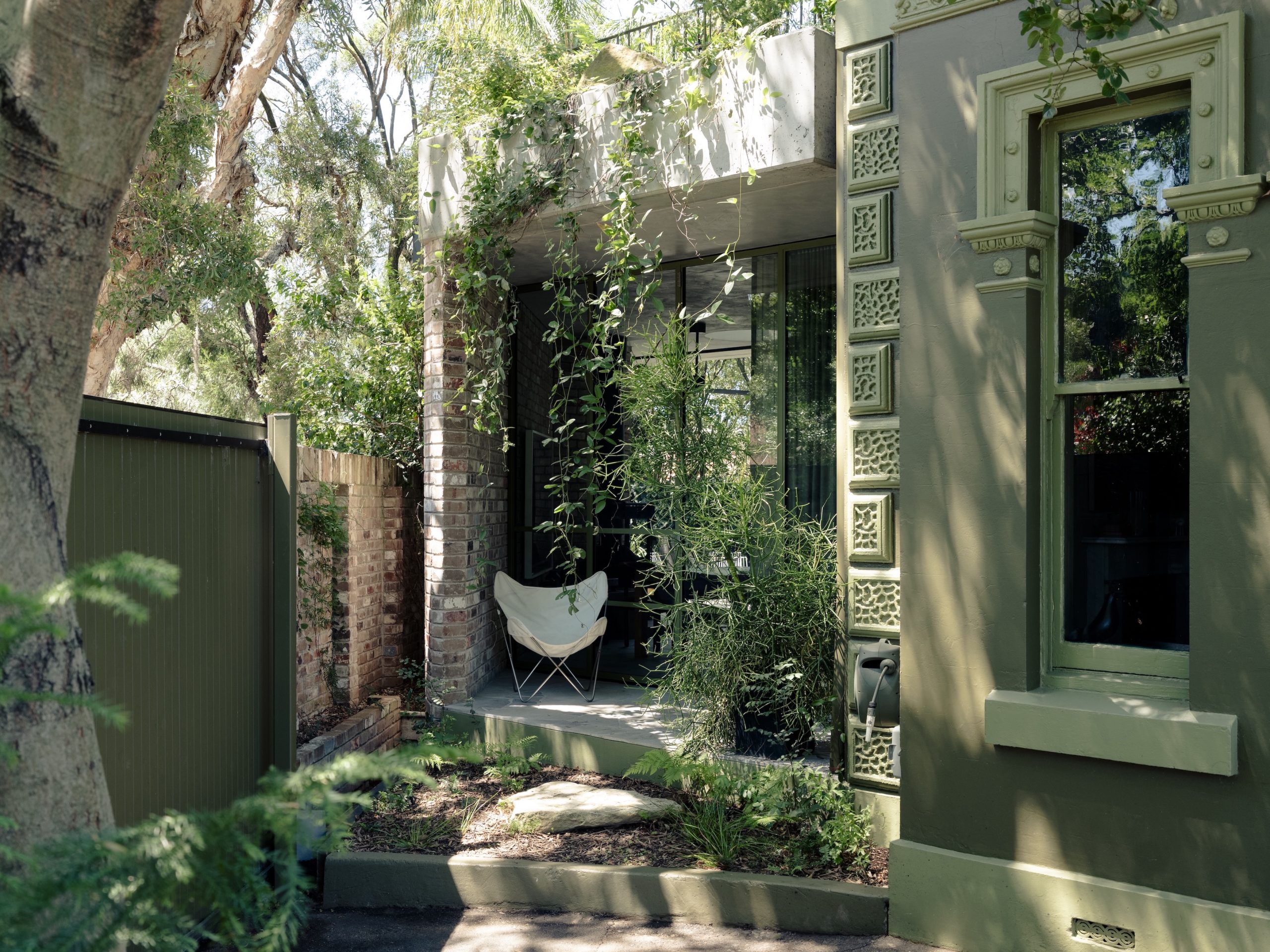
From bushland greens to valley reds, the country’s most awarded designers are proving that the best colour palette was never on a swatch card; it was outside the window all along.
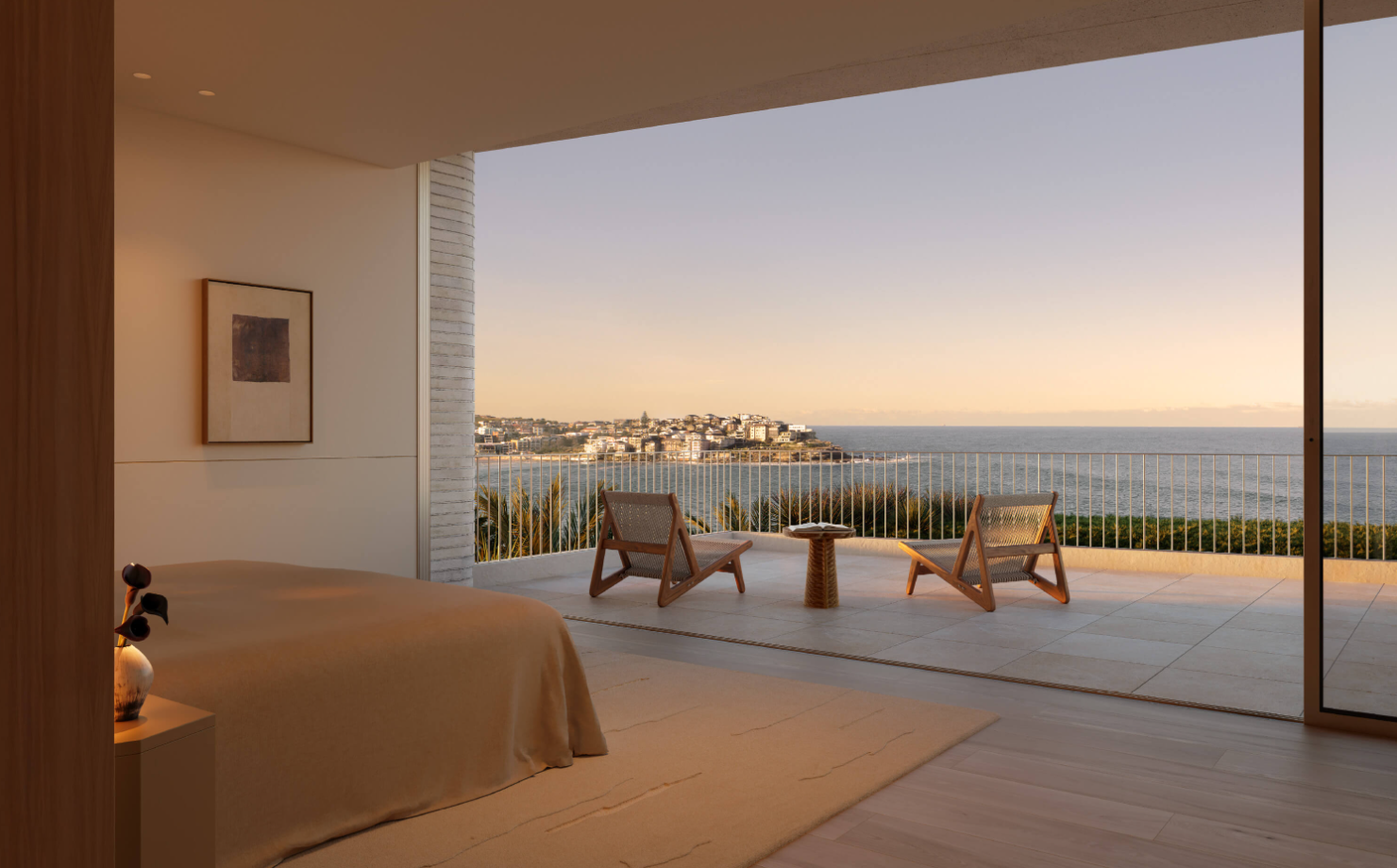
For Central Element, the start of work at Pearl represents another step in the company’s growing eastern suburbs pipeline.