Best-Performing Super Funds Over 10 Years Revealed
 3 min
3 min
The top-performing balanced super fund in Australia has delivered average annual returns of almost 9% over the past decade, according to research. Consumer comparison company Finder has published a list of the top-performing super funds over the 10 years to 30 June 2023, with Hostplus revealed as the No. 1 investment for returns.
Chant West provided the data, canvassing only balanced investment options among super funds. Balanced investment options are popular because they typically spread an investor’s superannuation monies across several asset classes, including shares, infrastructure, property, bonds and cash.
Here are the 5 top-performing super funds over the past decade
Hostplus Balanced (average 8.9% p.a.)
Hostplus’s balanced portfolio invests primarily in high growth assets with high stock diversification, according to the website. The minimum investment timeframe is more than five years and the target return is inflation (CPI) plus 4% p.a. over 20 years. The total investment fee is estimated at 0.98% p.a.
AustralianSuper Balanced (average 8.6% p.a)
This super fund invests in a wide range of assets, including shares, private equity, infrastructure, property, fixed interest, credit and cash, according to the website. The minimum investment timeframe is 10 years and the target return is CPI plus a minimum 4% p.a. over the medium to long term. In an example of fees on a $50,000 portfolio, the fee totalled 0.76% p.a.
Australian Retirement Trust (average 8.4% p.a.)
This fund has adopted the investment strategy of the Sunsuper Balanced investment option, according to the website. It invests in a wide variety of asset classes with a large allocation to Australian and international shares. The minimum investment timeframe is five years and the target return is CPI plus 3.5% p.a. over 10 years. The total investment fee is estimated at 0.8% p.a.
UniSuper Balanced (average 8.4% p.a.)
UniSuper balanced invests in a diversified portfolio of mainly higher-risk assets such as Australian and international shares, property, infrastructure and private equity, with some fixed interest and cash investments, according to the website. The minimum investment timeframe is 10 years and the target return is CPI plus 3% p.a. over 10 years. The total investment fee is estimated at 0.51% p.a.
Cbus Growth (MySuper) (average 8.3% p.a.)
The Cbus MySuper fund invests in growth assets including Australian shares and global shares, private equity, infrastructure, property, global credit, fixed interest and cash. The target return is CPI plus 3.5% p.a. over 10 years. The total investment fee is estimated at 0.5% p.a.
Source: Chant West, average annual returns among balanced super funds, 10 years to 30 June 2023
If we compare these funds’ performance to other assets owned by Australian investors, we find that over this same 10-year period, the median house price across Australia’s combined capital cities rose by about 70%. In other words, your home’s value grew by an average of 7% per year, according to CoreLogic data. If you owned an investment property during this time period, then rental returns would be added on top.
Compared to shares, the top super funds above outperformed the ASX 200. Using a popular index-based exchange-traded fund (ETF) as our yardstick, we see that the iShares Core S&P/ASX 200 ETF (ASX: IOZ) has delivered an average annual return of 7.5% (combined capital growth and dividends) since inception in 2010.
If you want to switch super funds, Finder provides the following advice and a four-step process.
Step 1: Choose a new super fund
Look for a combination of low annual fees, high long-term returns (10 year performance) and an investment strategy you understand and agree with.
Step 2: Join the new super fund
Download and complete the new membership form from the fund’s website.
Step 3: Transfer your existing super
Download and complete a second form to transfer your existing super to the new fund.
Step 4: Tell your employer
Download and complete a third form from your new fund’s website called the ‘employee super choice form’ or similar.
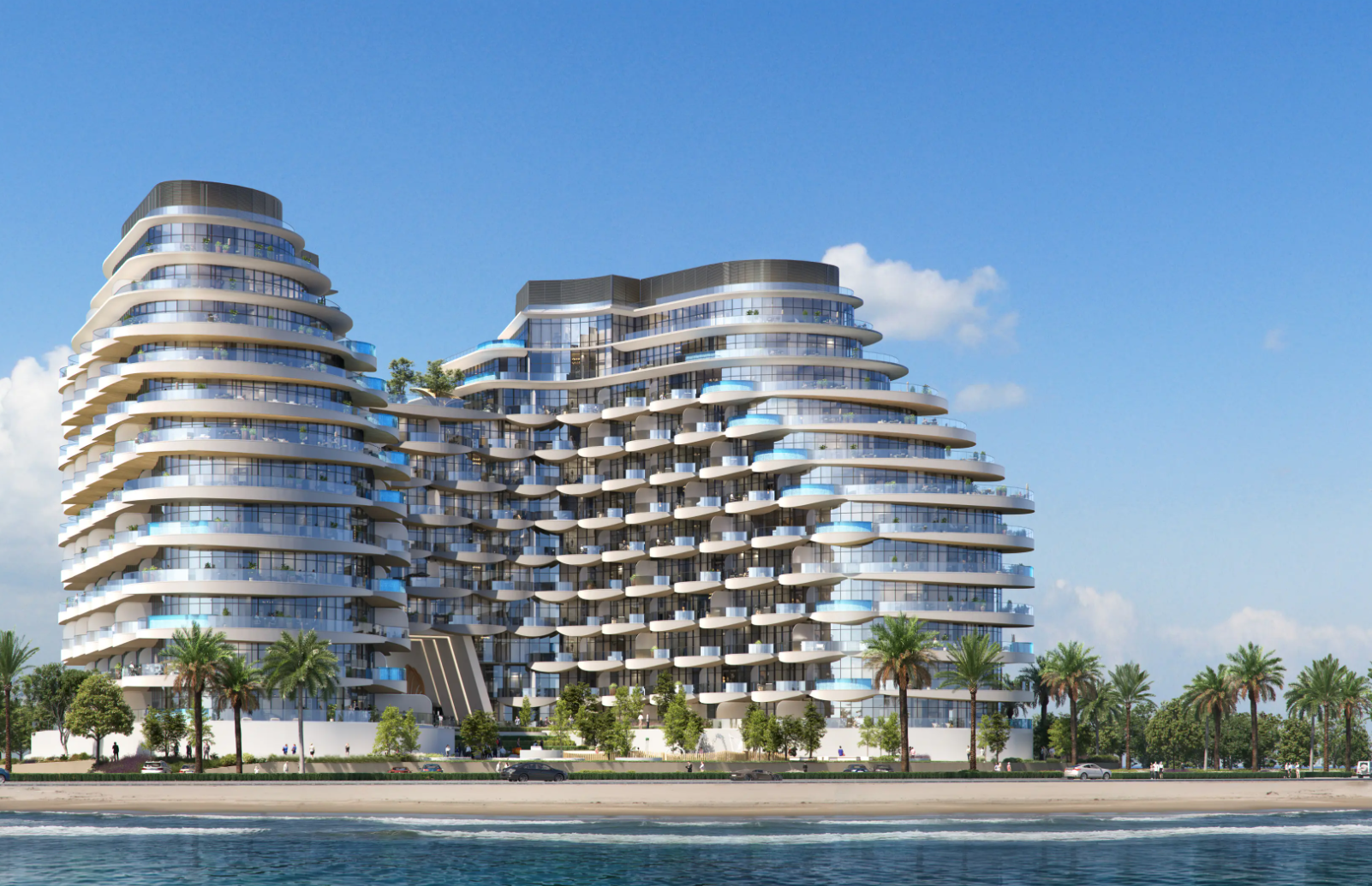
BNW Developments has established a Sydney presence, joining Arada and Sobha Realty among the growing number of UAE developers pursuing Australian buyers and development opportunities.

Australian shares fell on Thursday as Wall Street weakness, rising oil and persistent rate concerns weighed on most of the market. The S&P/ASX 200 declined 0.72 per cent to 8,702. The All Ordinaries lost 0.66 per cent to finish at 8,897. Mining stocks were hit particularly hard, while real estate also dragged on the index. …
Continue reading “ASX falls 0.7 per cent as miners and property stocks retreat”

 2 min
2 minAustralian shares fell on Thursday as Wall Street weakness, rising oil and persistent rate concerns weighed on most of the market.
The S&P/ASX 200 declined 0.72 per cent to 8,702. The All Ordinaries lost 0.66 per cent to finish at 8,897. Mining stocks were hit particularly hard, while real estate also dragged on the index.
Energy was the notable exception, gaining more than one per cent as Brent crude traded above US$103 a barrel. Oil had moved higher amid uncertainty surrounding potential US diesel-export restrictions and broader geopolitical supply risks. The move supported energy producers but renewed concern about inflation inputs across transport and the wider economy.
Gold shares were weak even as spot bullion remained historically elevated. The All Ordinaries Gold index fell about 2.25 per cent, showing that equity performance can diverge from the commodity because of valuation, currency, operating and company-specific factors.
Zip was a prominent loser, falling 11.38 per cent after the company reported short sales after the previous close. Nine Entertainment also weakened after UBS analysts warned of near-term revenue challenges associated with its advertising-supported subscription tier.
Premier Investments led larger winners despite caution about the retail environment. Breville, in which Premier owns a significant stake, also appeared among leading movers. In the broader ASX 300 screen, Myer gained 11.43 per cent and MAAS Group rose 7.93 per cent, while Lotus Resources fell 10.53 per cent. These percentage moves should be checked against company announcements and trading liquidity before attributing causes.
The Australian dollar was broadly flat at US70.38 cents. Spot gold was around US$4,280 an ounce, Brent crude approximately US$103.08 a barrel and iron ore near US$96.90 a tonne late in the session.
The rate outlook remains the central domestic catalyst. Labour-market weakness has not eliminated the possibility of an RBA increase next week, leaving banks, listed property and other rate-sensitive sectors exposed to changing expectations.
Market dashboard
S&P/ASX 200: 8,702, down 0.72 per cent.
All Ordinaries: 8,897, down 0.66 per cent.
Best sector: Energy, up more than one per cent.
Weakest areas: Real estate and materials were the major drags; confirm final sector percentages before publication.
Material winner: Premier Investments led the large-company gainers. Confirm its final closing move from the ASX before publication.
Material loser: Zip, down 11.38 per cent.
ASX 300 percentage leader: Myer, up 11.43 per cent.
ASX 300 percentage laggard: Zip, down 11.38 per cent.
AUD/USD: Approximately US$0.7038, broadly flat.

The megamansion was built for Tony Pritzker, heir to the Hyatt Hotel fortune and brother of Illinois Gov. JB Pritzker.
Australia’s housing market rebounded sharply in 2025, with lower-value suburbs and resource regions driving growth as rate cuts, tight supply and renewed competition reshaped the year.