Las Vegas Power Couple Lists Home in the Nevada Desert for $19.5 Million
Jenna and Michael Morton’s Summerlin home has a 60-foot outdoor slide, a DJ booth and a wine room that holds hundreds of bottles.

 3 min
3 min
Jenna and Michael Morton have created some of the best-known nightclubs and restaurants in Las Vegas.
But when building a home in the area for their family, they veered away from the glitzy excess of the Strip in favour of a calming, desert retreat.
That’s not to say entertainment was an afterthought: The roughly 2-acre property in the Summerlin neighbourhood has a 60-foot outdoor slide and a DJ booth.
“We are in Las Vegas,” Jenna said. “It’s part of what we do in this town. We do fun.”
Now, after about 20 years of fun, the Mortons’ three children are out of the house, and they are listing the home for $19.5 million.
Michael is a son of Chicago restaurateur Arnie Morton, who founded Morton’s The Steakhouse, which has more than 50 locations nationwide.
His brother Peter Morton co-founded the Hard Rock Cafe, and Michael and Jenna operate restaurants including Crush at the MGM Grand and La Cave Wine and Food Hideaway at Wynn Resorts .
The couple paid $1.25 million for the vacant Summerlin site in 2003. At the time, they were living in Chicago but planning to move to Las Vegas to be closer to their work.
Located in the Ridges, a gated community about 15 minutes from the Strip, the property is at the end of a cul-de-sac abutting the Red Rock Canyon National Conservation Area.
“The first time we were there, there were wild burros behind us,” Michael said.
The single-story house spans about 9,400 square feet and curves toward the canyon for privacy and mountain views.

“The curve is an embrace of the mountains,” said Jenna during a video call as she walked outside, the vista framing her face.
In contrast to the over-the-top vibe of Las Vegas hotels and casinos, the couple’s aesthetic at home is what Jenna described as “Japan meets desert,” with clean lines and neutral colours.
The house has seven bedrooms; the primary bath has a soaking tub made out of a boulder.
A wine room has colour-changing Lucite pegs that hold hundreds of bottles. A separate, roughly 530-square-foot guesthouse has a roof deck.
The property is mostly flat, with the exception of a sloped section where the Mortons built the tiled slide, which drops into the pool.
“I looked at it and said, ‘There will be a slide on that hill,’” Michael recalled. It isn’t just children who have enjoyed it—he and Jenna and many of their friends have taken a turn. “A lot of adults hit that slide,” he said.

The Mortons said they entertained frequently, from fundraisers to a birthday party where their son filled an outdoor trampoline with bubbles.
For Jenna’s 40th birthday, the couple hosted a 1960s-themed party that began with a 200-person sit-down dinner, followed by toasts and karaoke.
Michael enlisted the rock band Cheap Trick to make a surprise appearance during karaoke.
As Jenna took the microphone and started belting out their song “I Want You to Want Me,” the band began playing behind her. “We took the rods out of the reactor that night,” he said. undefined
Although selling is bittersweet, the Mortons said they want something smaller now that their children are grown.
The couple—he is 61, she is 59—have a second home in Manhattan Beach, Calif., and they plan to build a smaller house in Las Vegas.
The luxury market in Las Vegas has exploded over the past few years, said listing agent Kristen Routh-Silberman of Douglas Elliman.
There were 76 sales in the Las Vegas area above $10 million in 2025, up from 59 a year prior, she said. The record is held by a home at the Summit Club that traded for $35 million in 2024.
A recent building boom means inventory is finally catching up to demand, according to Routh-Silberman.
The spring market has started early this year, and there seems to be more activity thanks to demand from California and Washington transplants seeking tax advantages, she said.
 Copyright 2020, Dow Jones & Company, Inc. All Rights Reserved Worldwide. LEARN MORE




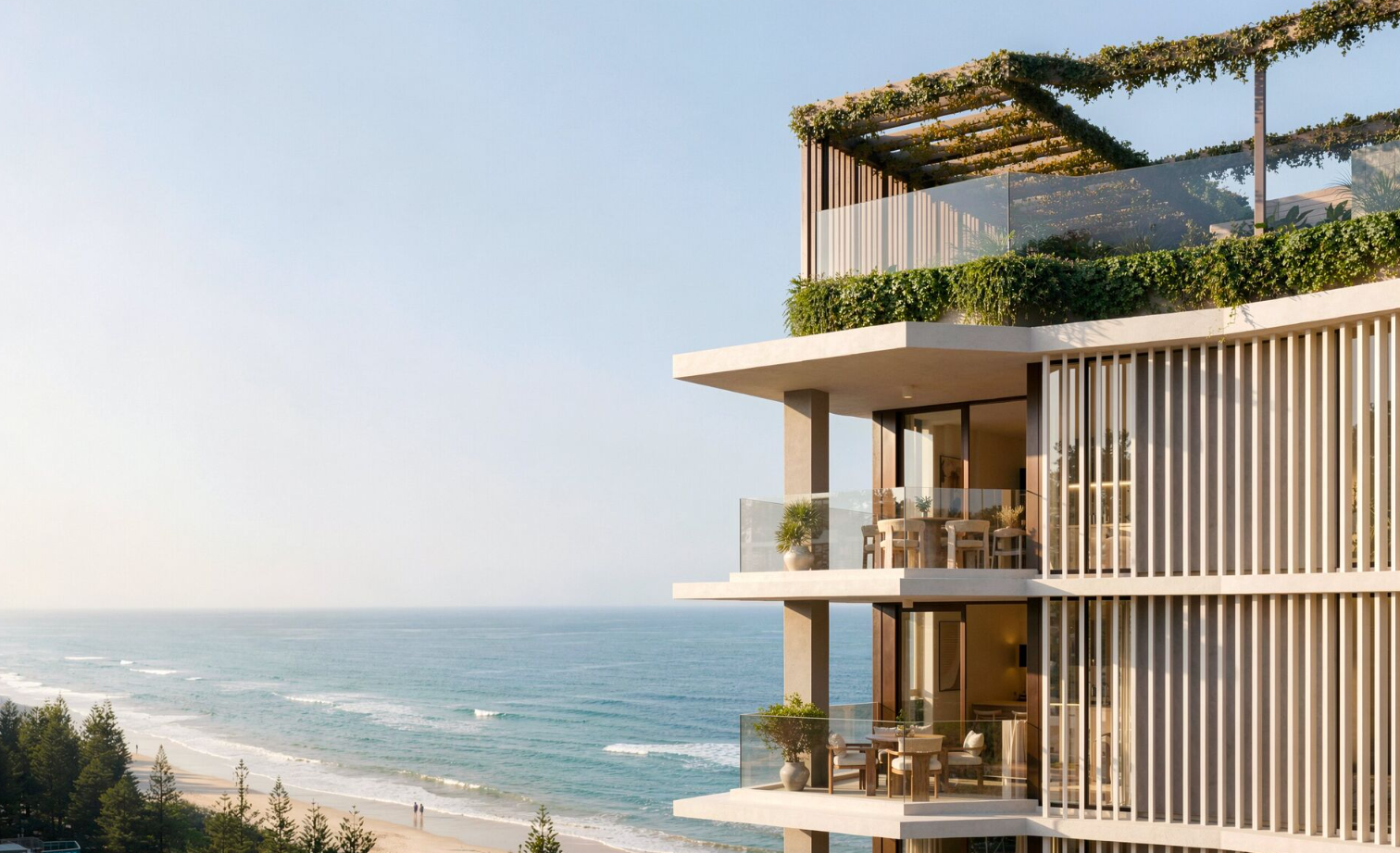
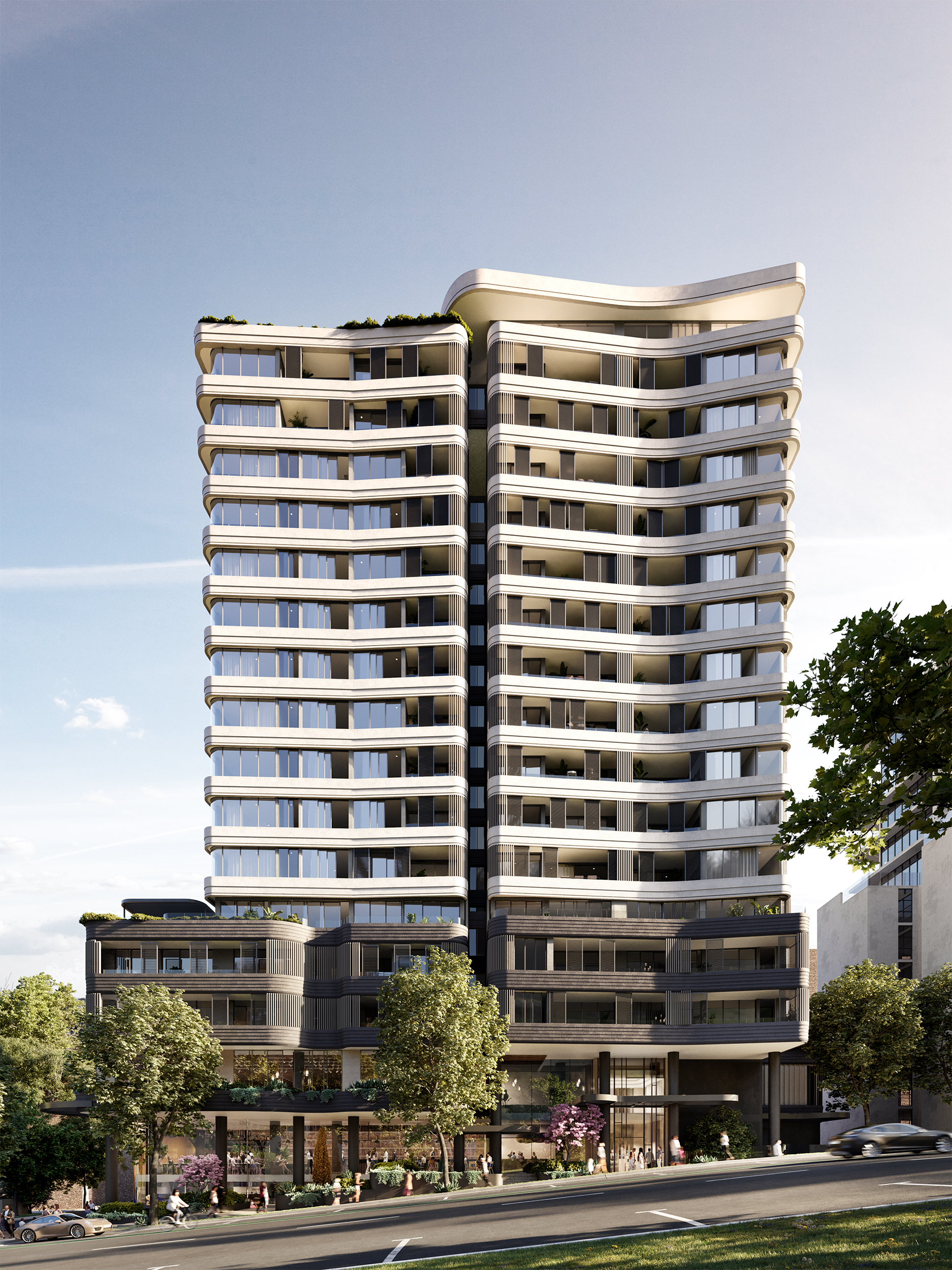
Studio apartments have almost disappeared from new Australian developments. Lura is bringing them back to Burleigh Heads from $495,000.
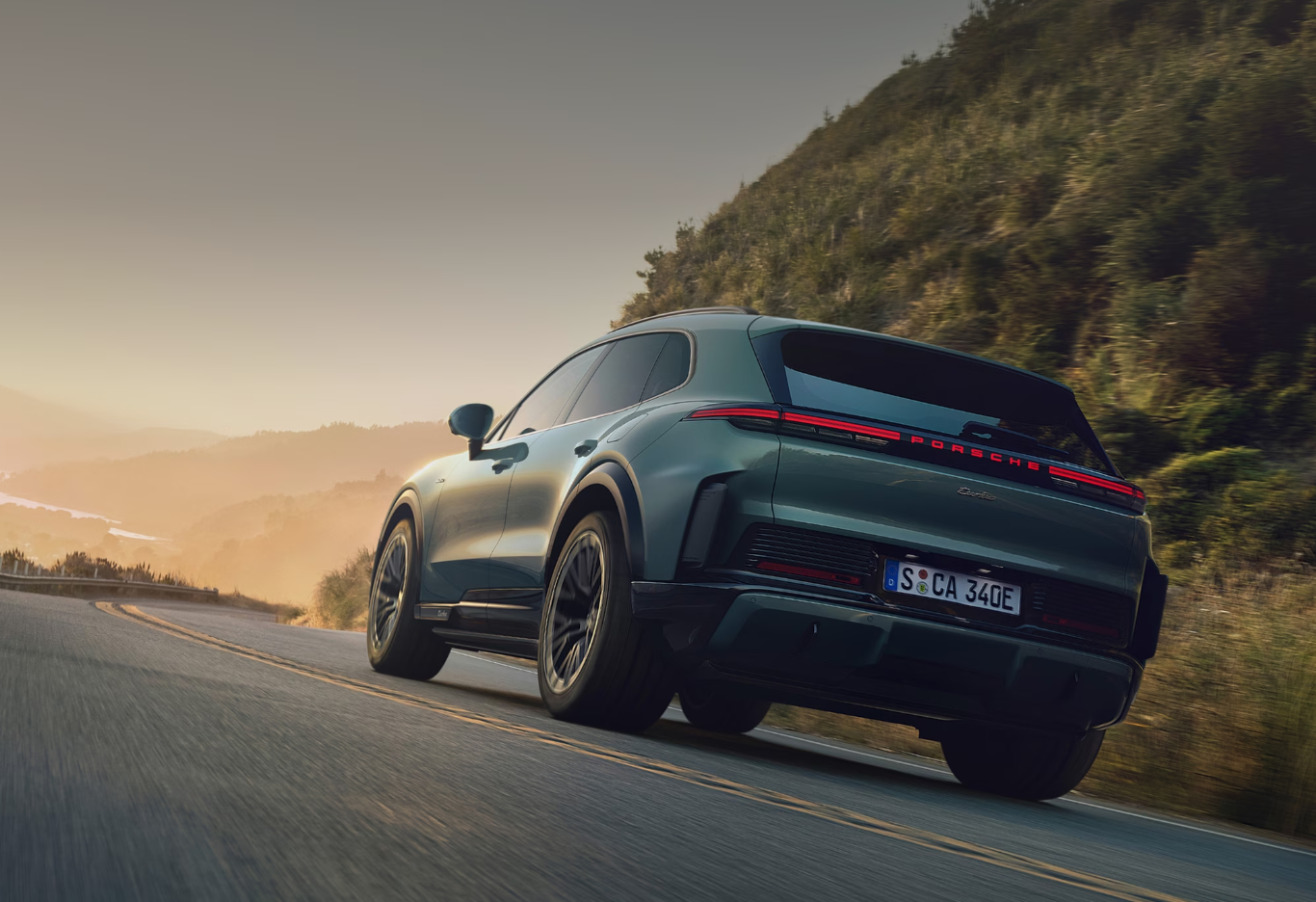
Porsche’s Cayenne Turbo Electric produces up to 1,156PS and reaches 100km/h in a claimed 2.5 seconds.
Bjorn Farrugia was named for Björn Borg, the ice-cool Swede who once ruled Wimbledon’s Centre Court, and for a long stretch of his young life the name felt like a mandate
3 min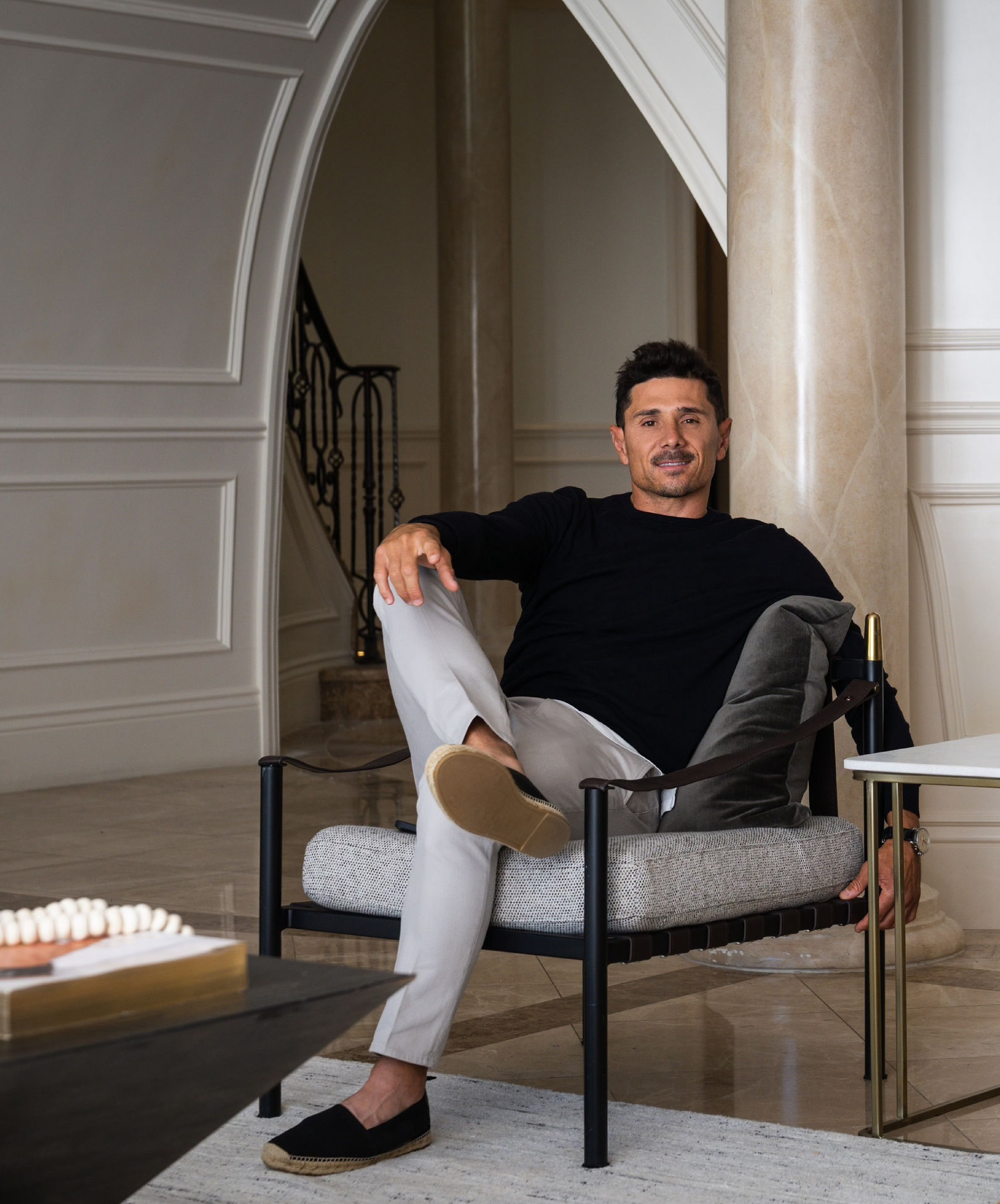
A tennis scholarship took him to America two decades ago with no return ticket in mind. Today the Melbourne-born, Beverly Hills-based agent is one of the most decorated names in Los Angeles luxury real estate — and still calls himself an Australian first.

Hand-built in Melbourne and limited to just 10 cars a year, the Zeigler/Bailey Z/B 4.4 is reshaping what a modern collector car can be.
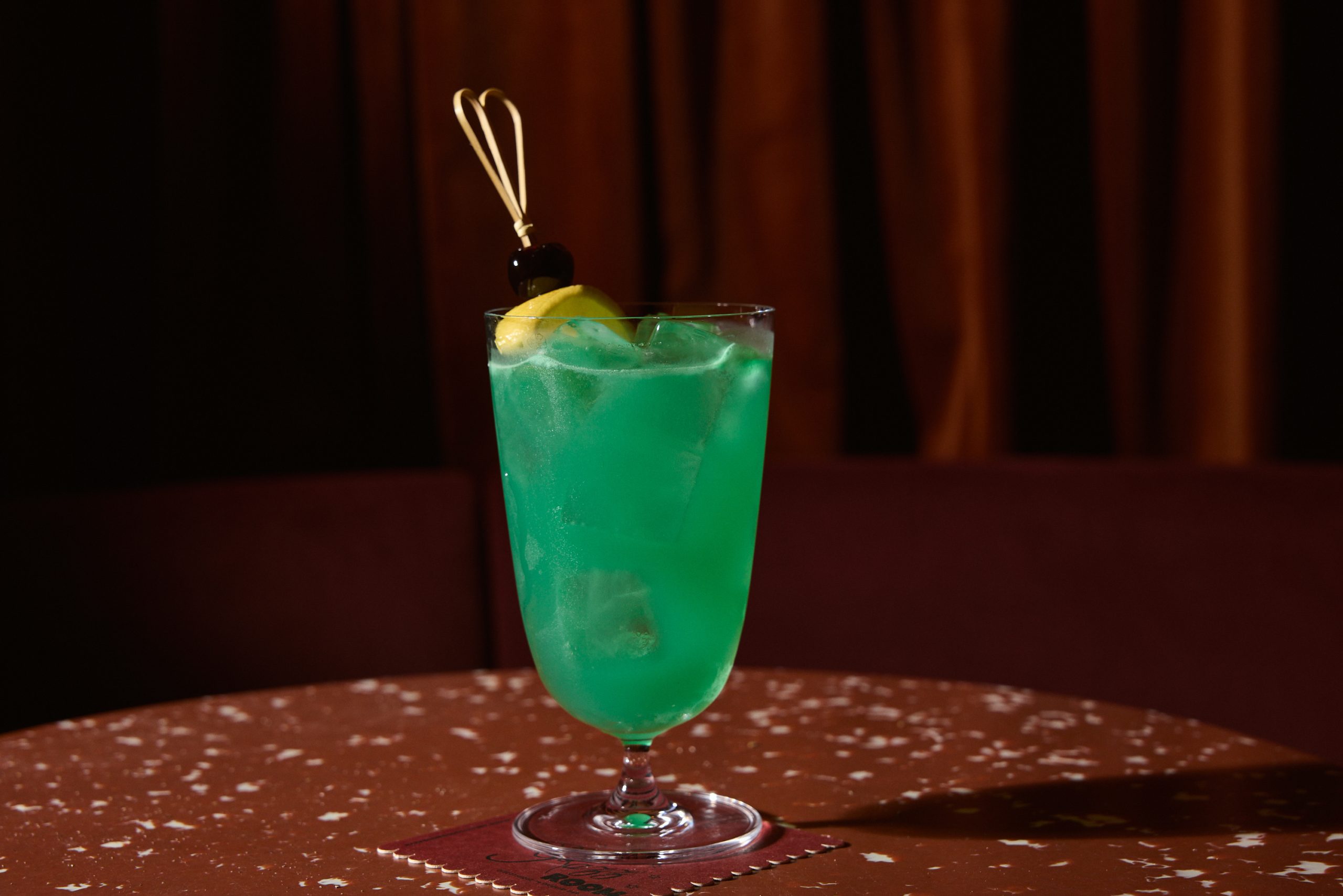
Odd Culture Group brings a new kind of after-dark energy to the CBD, where daiquiris, disco and design collide beneath the city streets.