

The Beleaguered Chip Sellers Getting Their Revenge on Apple
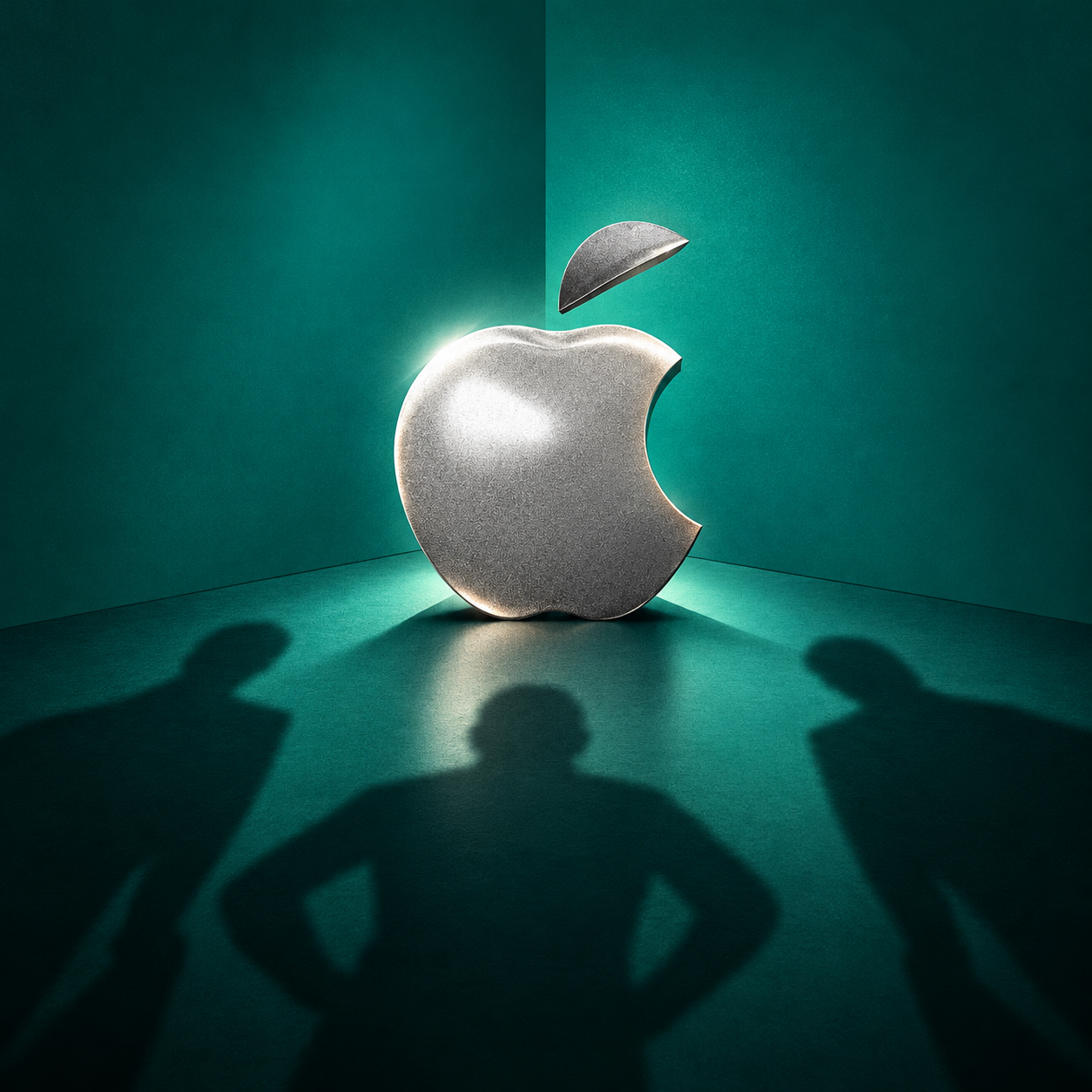
Surging demand from AI data centres has driven flash memory prices up fivefold over the past year, giving suppliers such as Kioxia greater leverage over Apple. The shift is increasing storage costs for the iPhone maker, putting pressure on profit margins and contributing to higher prices across its product lineup.

 3 min
During a ride in a Southern California desert, sales executive Scott Nelson stopped his dirt bike, pulled out a rifle and shot his old iPod.
Nelson sold flash storage to Apple AAPL -0.94%decrease; down pointing triangle and hated feeling like he always got the worst end of the deal. His Japan-based manufacturer, Kioxia, had little leverage. Apple was the world’s biggest buyer of flash—the chips in iPhones that store photos, music and apps—and used its position to squeeze every cent from suppliers. Apple bullied flash makers into opening their books so it could monitor sales, making sure no one else got a better deal.
Kioxia and other flash makers stewed as Apple paid them pennies for flash storage that the iPhone maker resold to customers for dollars. The disparity in bargaining power had galled Nelson, who used Android phones in protest.
Nelson kept the broken pieces of his iPod, the first Apple device to use flash. They sit on his desk and hold a special reverence now that the tables have turned.
In the past year, demand by AI hyperscalers has quintupled prices for flash, according to research firm TechInsights, opening a new era for Kioxia and other suppliers. Two years ago, Apple bought nearly twice the flash storage of Microsoft, Amazon, Meta and Google combined, according to TechInsights estimates. Hyperscalers are now buying double Apple’s share.
Flash memory suppliers and their sales teams privately expressed their glee at Apple’s comeuppance during chitchat at the industry’s largest conference this summer in Santa Clara, Calif. AI deals have given Kioxia sales executives and other flash suppliers new leverage to charge Apple higher prices.
Meta, Microsoft and Amazon signed contracts with Kioxia this year to secure long-term supply by committing to higher prices. The contracts protect Kioxia’s profits if the market turns. The company declined to comment.
Hyperscalers can afford to pay more. Flash storage is a smaller part of building a data center than making an iPhone, and accounting rules allow companies to spread the cost over years.
Apple is expected to spend $25 billion on flash storage this year for about the same amount it bought for $6 billion in 2025, according to estimates by TechInsights. Tim Cook, Apple’s executive chairman, compared escalating memory chip prices to a “100-year flood.”
Yet Apple had ignored analysts’ warnings and was caught off guard, said people familiar with the company’s procurement practices.
Company executives believed they knew the market better than anyone else, the people said. Flash that cost $68 a gigabyte in 2005 had fallen to a nickel by 2023. Now, demand by the AI industry has lifted the price to more than 30 cents a gigabyte, a 550% jump, threatening Apple’s steep profit margins from selling extra storage.
Buyers of the iPhone 17 Pro paid Apple $200 last year for double the storage of its 256-gigabyte base model. The extra storage at the time cost Apple $15 and has since shot up to $66, according to an analysis by The Wall Street Journal.
Storage upgrades for iPhone 17 Pro (2025) versus iPhone 18 Pro (2026)
“Apple has historically driven a very hard bargain with memory suppliers,” said Walt Coon, an analyst at TechInsights. “And there’s no shortage of satisfaction among suppliers now that the balance of power is shifting.”
“We’ve worked with many of our suppliers for decades, and we deeply value their partnership over the years,” Apple said in statement. “We look forward to continuing our important work together.”
Apple recorded an average gross profit of more than 80 cents for every dollar it charged iPhone and iPad buyers for extra storage since it first released those devices through 2025, the Journal found. For Mac computers sold since 2010, it averaged nearly 80 cents.
In recent months, Apple raised prices for nearly all of its products. Prices rose an average of 13% for iPhones, an increase that included older models which typically get a price cut.
Price, change from Fall 2025 to 2026
The question for Apple is whether consumers will react to the higher prices by keeping their iPhones longer or whether they will continue to buy at their usual pace. For flash-storage makers, the question is when—or if—Apple will regain its flash-market leverage.
“It’s been a love-hate relationship between Apple and the flash industry,” said Mark Newman, an analyst with Bernstein Research. Apple has sustained the manufacturers for years, he said, but its power to cap prices, while beneficial to shareholders, left suppliers feeling “screwed.”
Commitment-phobe
In 2001, engineers at Kioxia, then called Toshiba, showed two Apple executives a 1.8-inch-diameter, 5-gigabyte hard drive they had developed but didn’t yet know what to do with.
 Copyright 2020, Dow Jones & Company, Inc. All Rights Reserved Worldwide. LEARN MORE


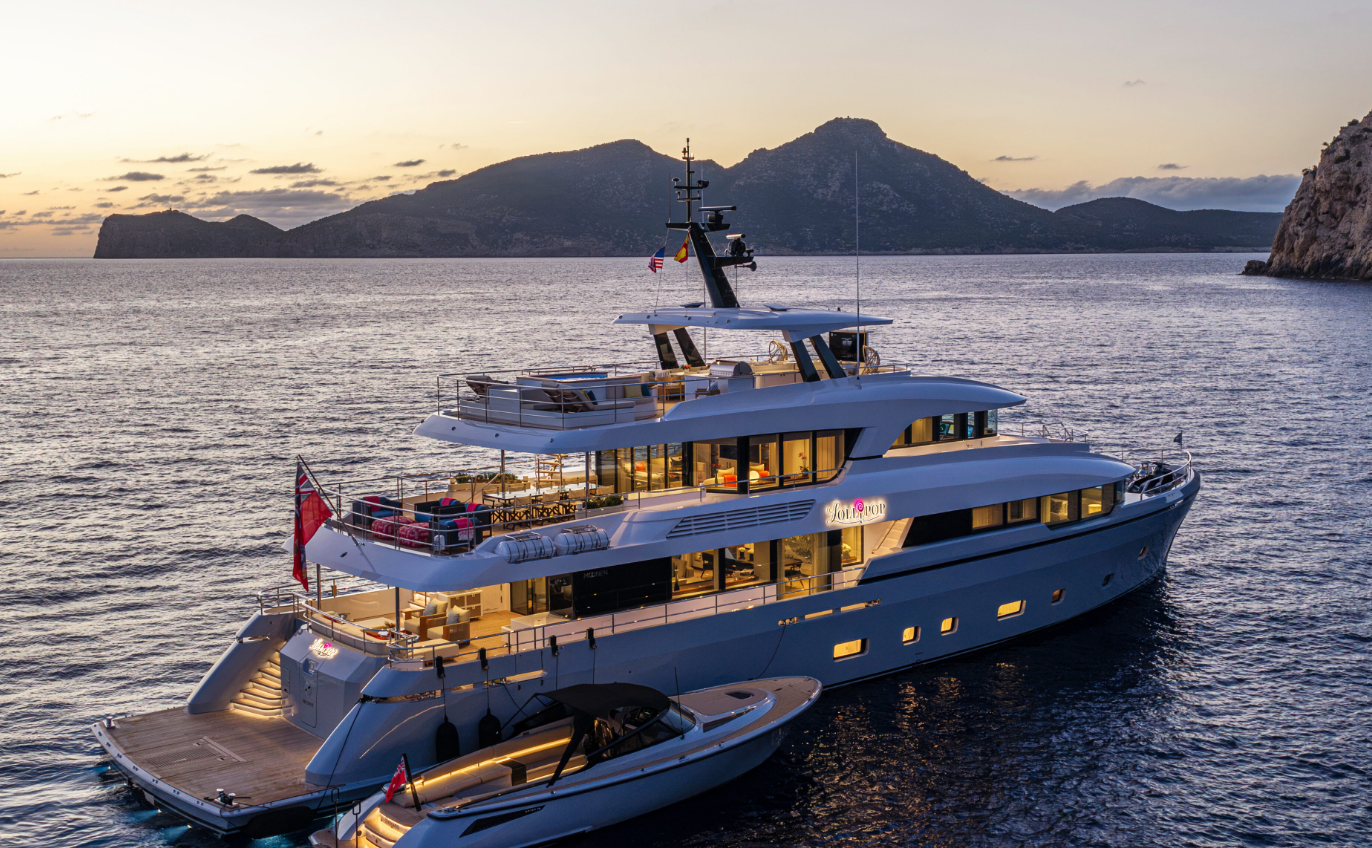
Dutch studio Vripack took cues from a Shirley Temple song for Lollipop, a 37.4-metre Moonen superyacht built for long-range cruising.
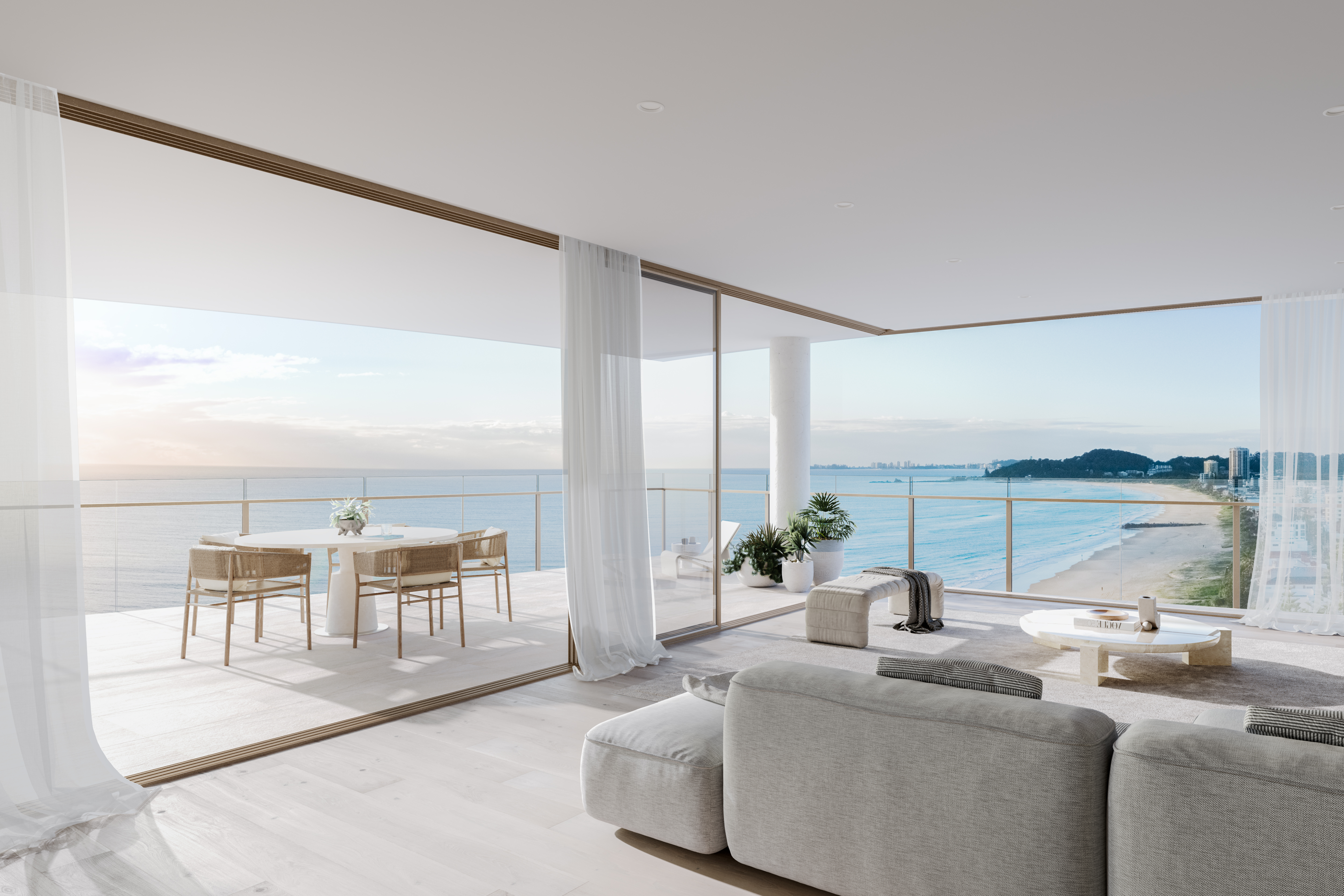
A Sydney couple has paid $15.5 million for the Grand Penthouse at Marquee’s $285 million La Belle Residences beachfront development which is nearing completion at Palm Beach, eclipsing the record for an off-the-plan apartment sale on the southern Gold Coast. The sprawling single level 640 sqm beachfront residence, with sweeping views of the Gold Coast …
Continue reading “$15.5m La Belle Penthouse eclipses southern Gold Coast record”

Dutch studio Vripack took cues from a Shirley Temple song for Lollipop, a 37.4-metre Moonen superyacht built for long-range cruising.
2 minOn the 37.4-metre Lollipop, a Shirley Temple song gave Dutch design studio Vripack a brief that runs from the cocktail bar to the guest cabins.
From the water, Lollipop gives little away. Its silvery hull and white superstructure look restrained enough. Head up to the sun deck, though, and there are sweets suspended in the transparent bar top. The owners helped position them before they were set in resin. Pastel lights run across the front of the bar, and the spa has a curved glass panel that continues the theme.
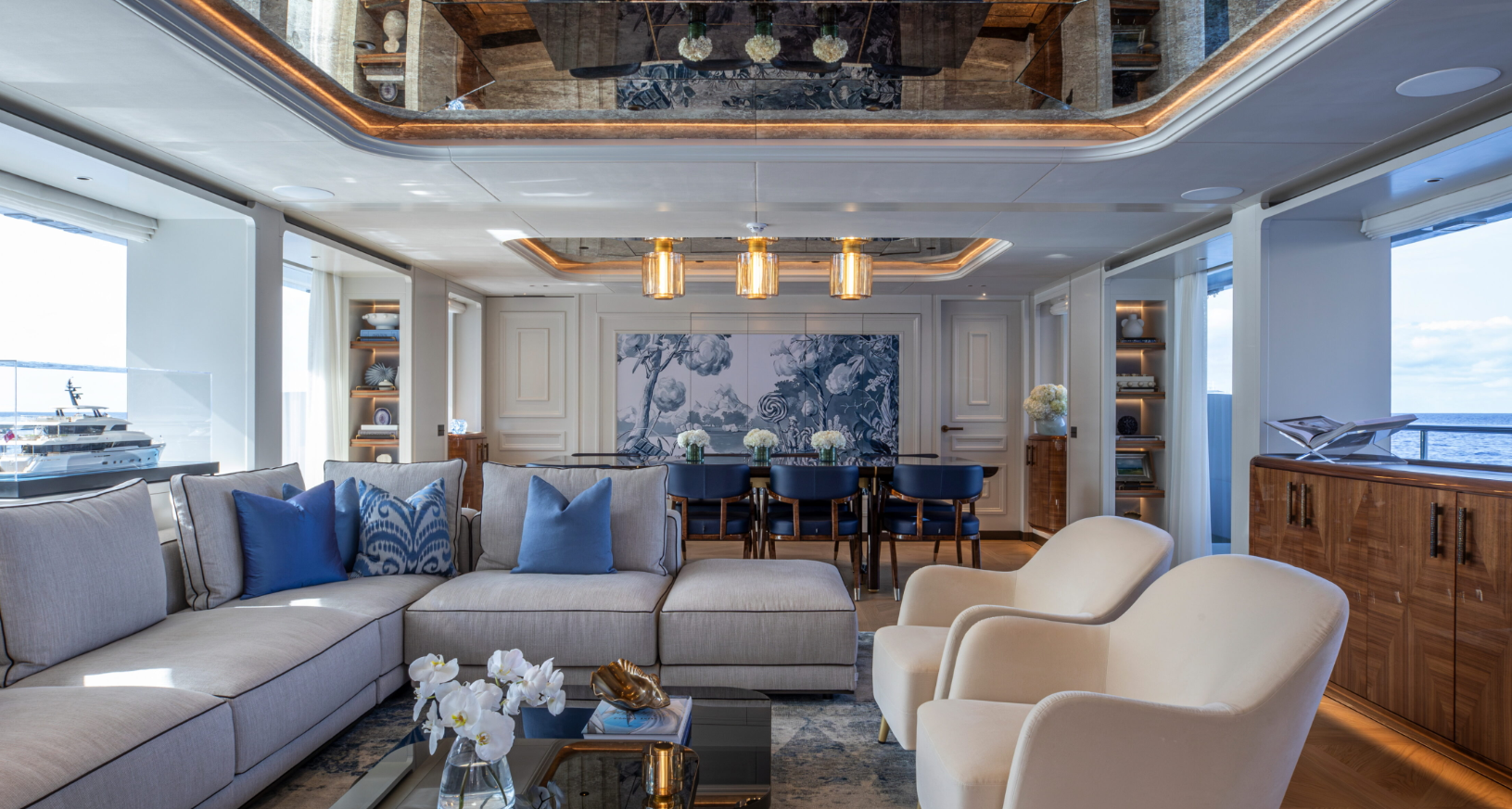
The yacht takes its name from Shirley Temple’s On the Good Ship Lollipop, a favourite of its American owners. Vripack used the song as a starting point for details that reward a closer look. In the main saloon, a blue-and-white mural borrows the look of Delft pottery. Look again and there are lollipops and lemon drops in the scene. Below deck, sweets including peppermints and gummy bears informed the guest cabins’ palettes.
From a sailing catamaran to a steel yacht
Before Lollipop, the owners spent much of a decade sailing a 17-metre performance catamaran around the Caribbean and the east coast of the United States. They were accustomed to spending about eight months a year aboard with their two dogs. Moving to a 37.4-metre motor yacht meant living with full-time crew for the first time. They came across the Moonen project in Monaco while the yacht was still under construction, and the layout already appealed to them.
By the time the owners joined the project, the floors and built-in furniture were already in place. Vripack kept the white panelling and walnut, then worked their ideas into the surfaces and fittings. The Delft-style mural behind the dining table doubles as the front of a cupboard for tableware. A child modelled on the owners’ daughter appears in the scene holding an oversized lollipop.
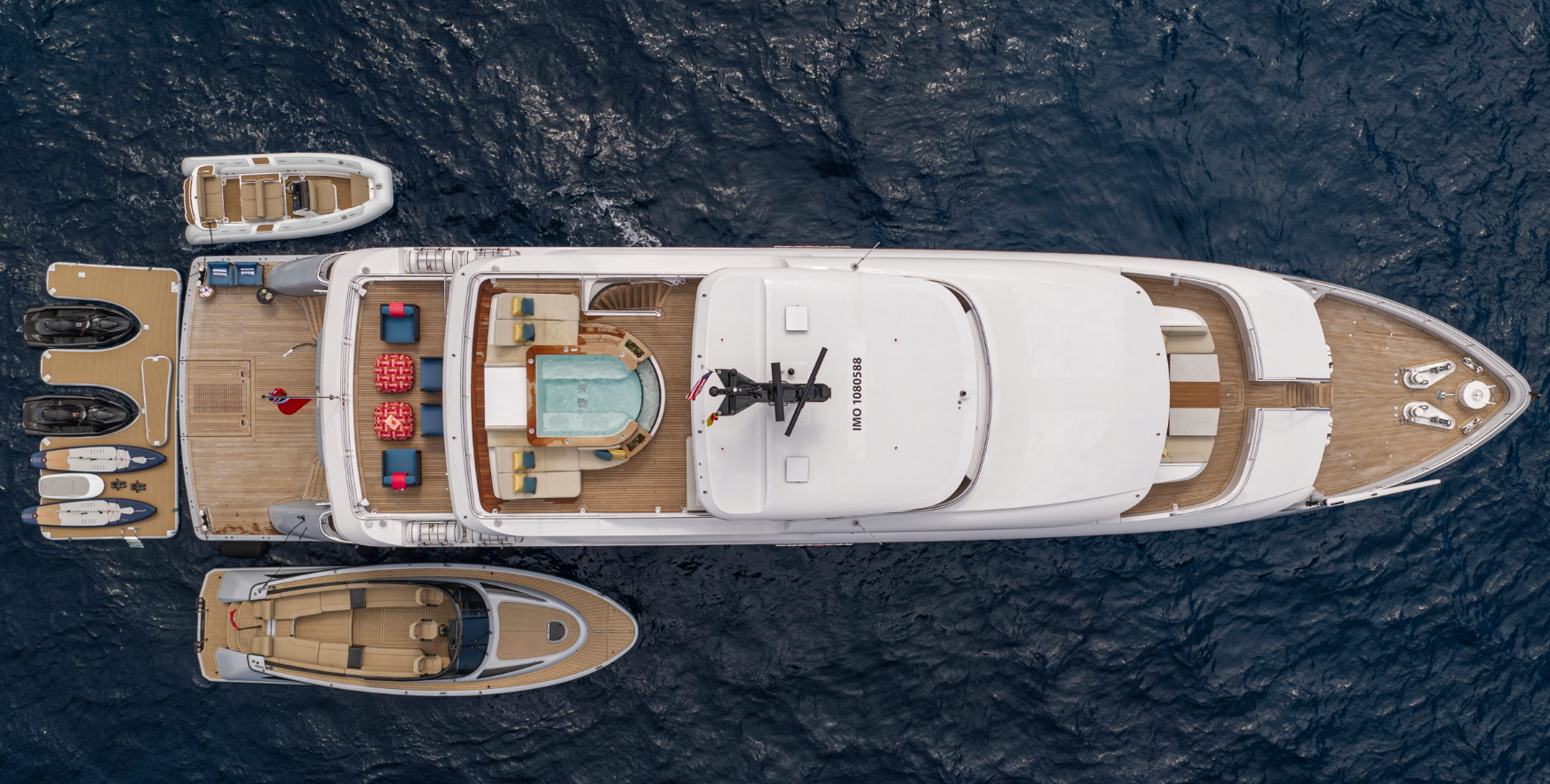
In the owner’s suite, the swirl of a lollipop becomes a pattern in the leather ceiling. Up on deck, a thin waterfall runs over Murano glass sweets set against the spa’s curved front. Even the tenders carry the theme out onto the water. The Wajer 38 is called BonBon and the crew tender is CrackerJack.
Lollipop is the eighth yacht in Moonen’s 122 Martinique series. René van der Velden drew the exterior and Diana Yacht Design handled naval architecture. The steel-hulled yacht accommodates up to 12 guests and seven crew, with a range of 4,000 nautical miles at 10 knots, according to the builder. Moonen announced delivery in June and selected it to showcase the series at September’s Monaco Yacht Show.
The owners wanted a boat they could spend long stretches aboard. The white panelling, walnut and Delft blue give them a saloon to live in day after day. The sweets in the bar can wait until cocktail hour.
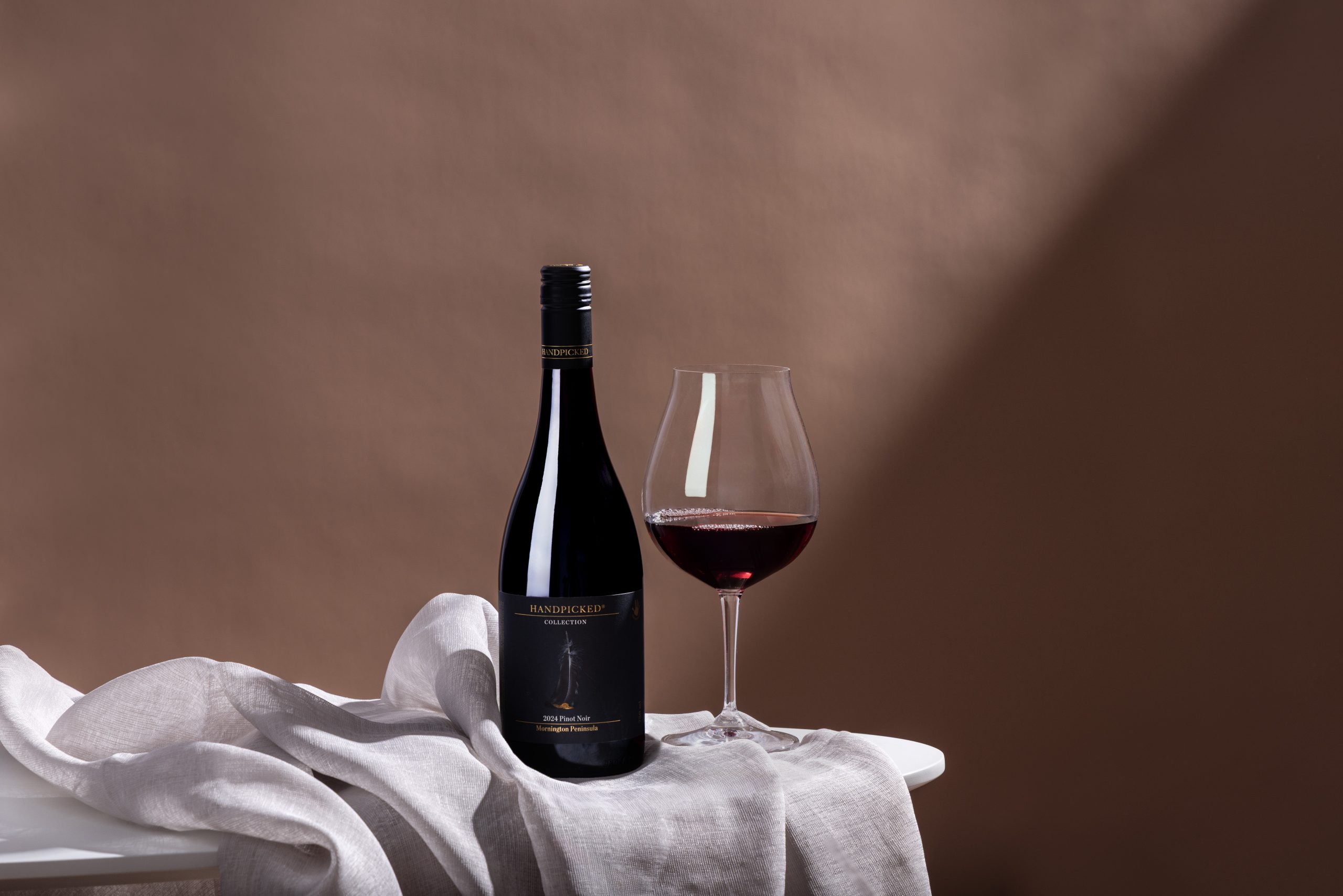
As the season turns, Handpicked Wines’ latest Pinot Noir and Chardonnay releases reveal how subtle shifts in place shape what ends up in the glass.

The megamansion was built for Tony Pritzker, heir to the Hyatt Hotel fortune and brother of Illinois Gov. JB Pritzker.