RARE TASMANIAN COASTAL ESTATE ON THE MARKET FOR MORE THAN $20 MILLION
A 250-hectare beachfront vineyard, distillery and resort on Tasmania’s East Coast has been listed for sale, marking one of the most significant lifestyle and tourism opportunities to emerge in the State in years.
 2 min
2 min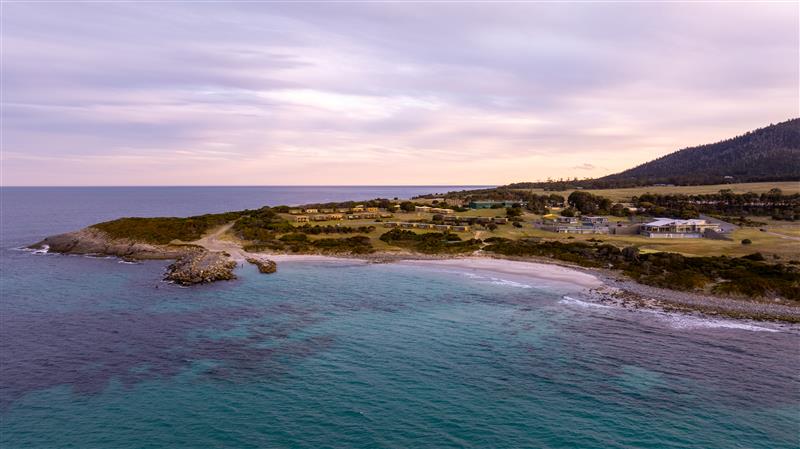
A landmark coastal property on Tasmania’s East Coast has hit the market, with expectations of more than $20 million for the fully integrated vineyard, distillery and hospitality estate.
White Sands Estate, set across 250 hectares at Four Mile Creek, is being offered by owner-operator John White through Tom Ryan of Knight Frank and Josh Hart of McGrath.
It represents one of the largest privately owned coastal holdings on the East Coast, a region increasingly favoured by both domestic and international investors seeking long-term tourism and lifestyle assets.
The property’s credentials are formidable. It encompasses an operating brewery, distillery and vineyard with a cellar door and tasting room housed within a 3,254-square-metre two-level complex.
Accommodation includes 19 self-contained villas and larger group lodges, alongside multiple event spaces catering to weddings, conferences and corporate retreats. The estate also features manicured lawns, gardens and beachfront event locations with direct private access to Four Mile Creek beach.
Located along the Tasman Highway between St Helens and Bicheno, White Sands occupies a prime position on the East Coast tourism trail, within easy reach of Freycinet National Park, Douglas Apsley and Maria Island. It’s about 90 minutes’ drive from Launceston, making it an accessible yet secluded escape that draws consistent visitor traffic year-round.
Knight Frank’s Tom Ryan said the property’s combination of operational success, large-scale infrastructure and future potential made it an exceptional offering. “An opportunity of this scale simply doesn’t come to the market,” he said.
“We expect strong interest from both domestic and international investors, particularly given the global profile White Sands Estate has developed.”
While already operating as a successful hospitality and tourism venture, the property also offers significant potential for expansion.
“The large-scale site offers multiple future development pathways,” Ryan added. “That includes eco-tourism, resort or residential projects, as well as expanded events and commercial operations.”
McGrath’s Josh Hart echoed that sentiment, describing the listing as a “once-in-a-generation opportunity to secure a fully operational coastal agritourism and lifestyle asset in a tightly held pocket of the East Coast.”
“It occupies a rare stretch of coastline with direct beach access and sweeping ocean views,” Hart said.
“This region benefits from strong year-round visitation linked to nearby icons such as Freycinet and Wineglass Bay, and there are very few large-scale holdings of this nature remaining.”
The East Coast of Tasmania has long been a magnet for tourism investment, prized for its dramatic coastal scenery, growing food and wine culture, and consistent visitor growth.
With strong domestic demand and increasing international visibility, assets like White Sands Estate are becoming increasingly scarce, and increasingly valuable.
The Expressions of Interest campaign for White Sands Estate closes at 2pm AEDT on Thursday, November 20.
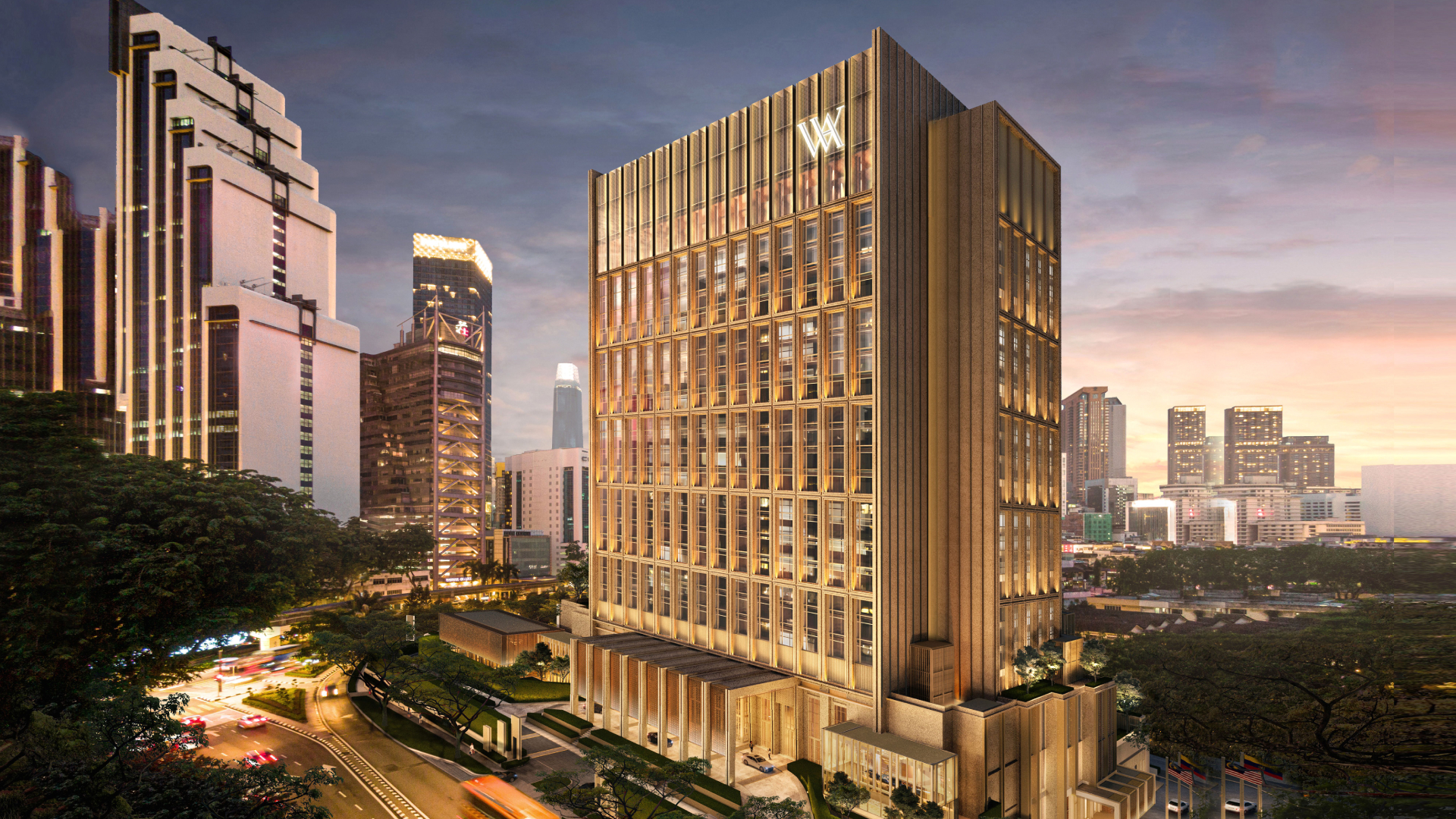
Waldorf Astoria Kuala Lumpur is scheduled to open on 30 October, introducing the Hilton luxury brand to Malaysia with an all-suite hotel in the city’s Golden Triangle.
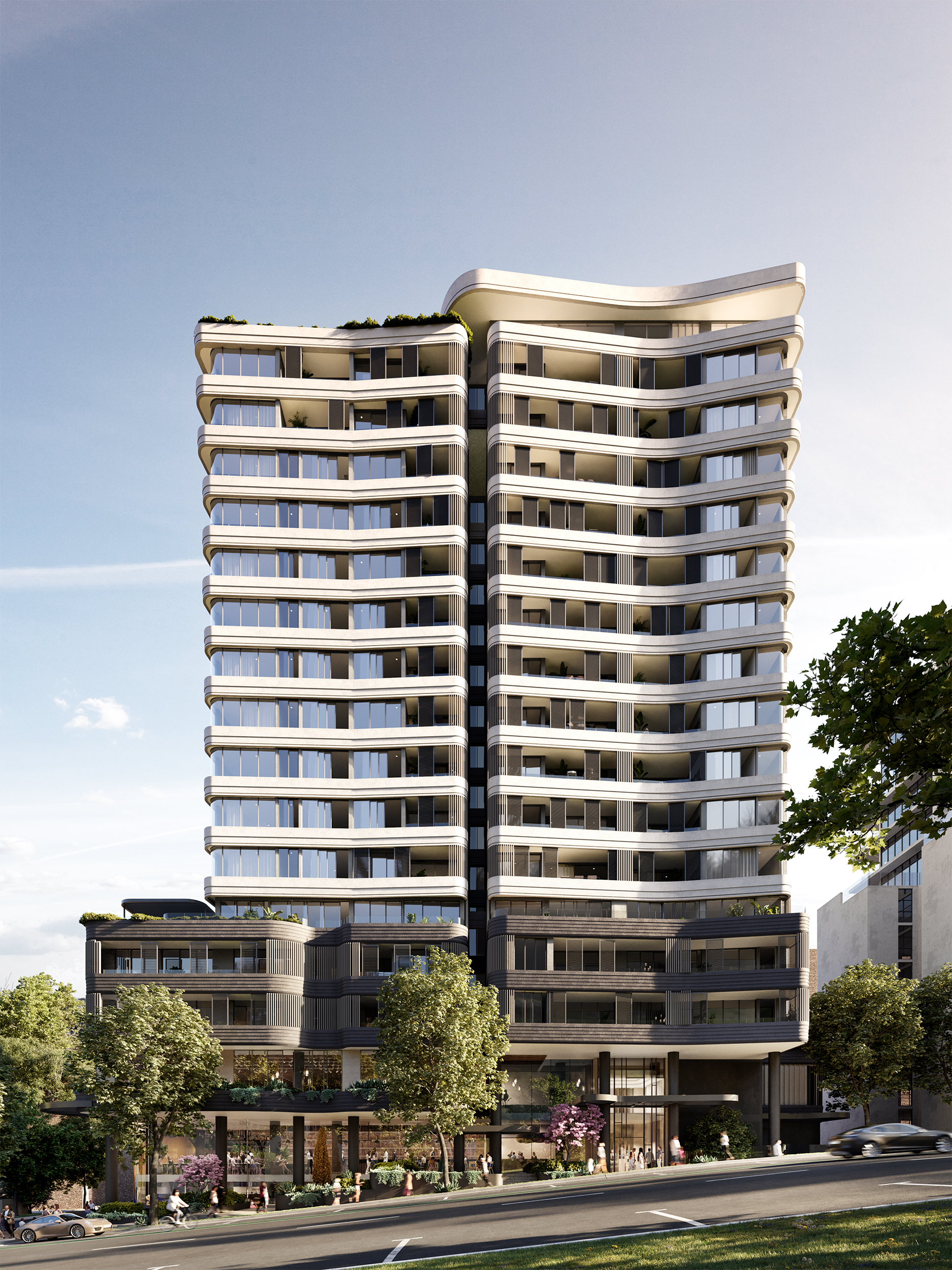
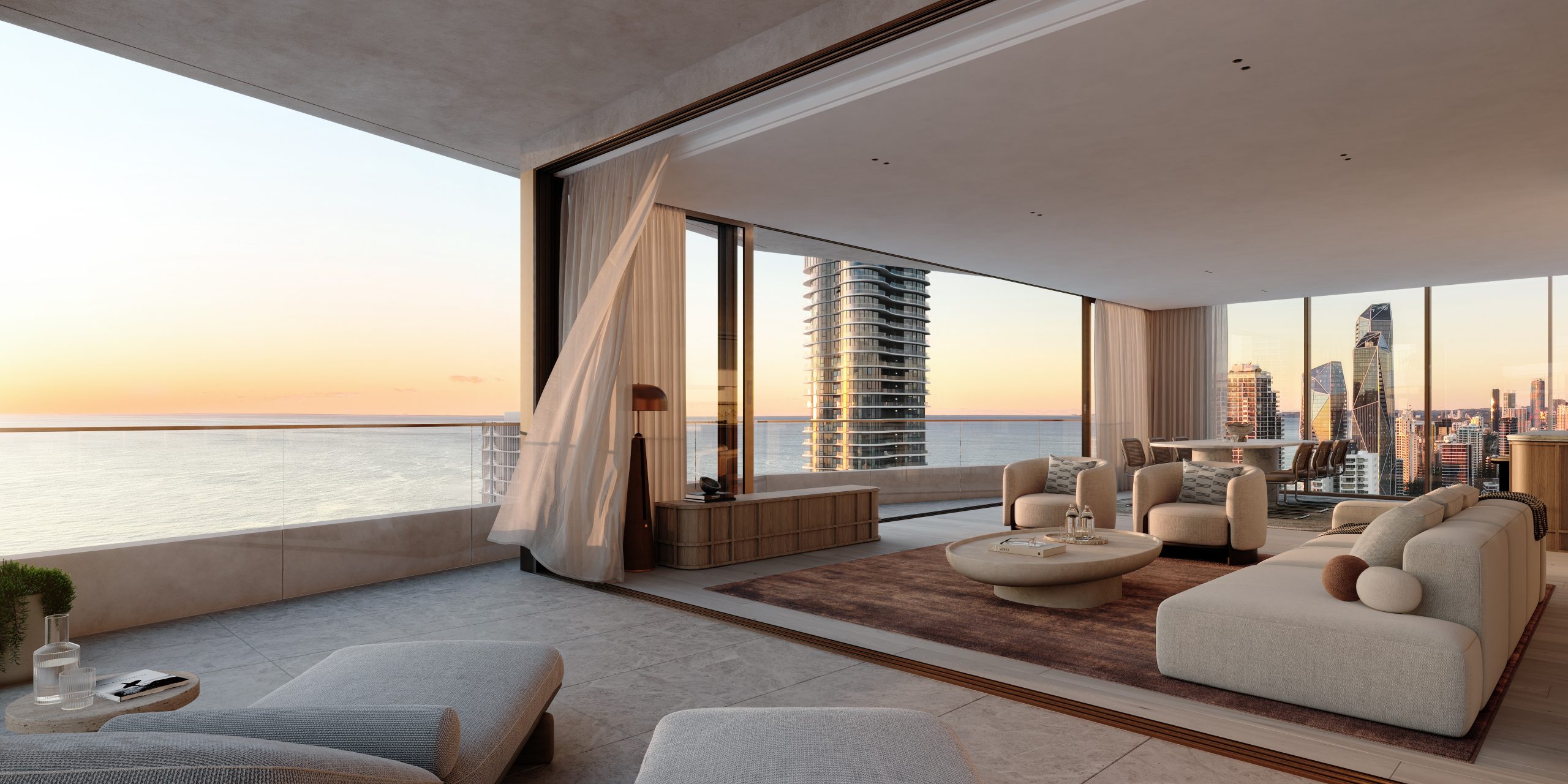
Located steps from Crows Nest Metro, the near-complete development brings luxury living to Sydney’s Lower North Shore.
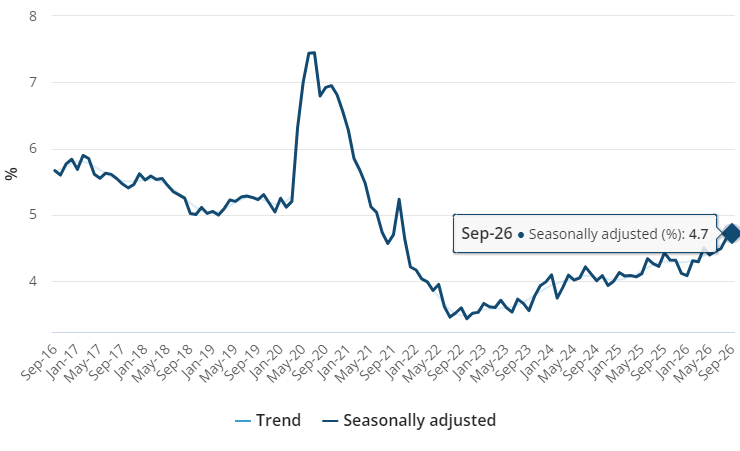
Employment fell by 39,300 and unemployment held at a revised 4.7 per cent, giving the RBA more room to pause in November.
2 min
Australia’s labour market weakened in September, reducing—but not eliminating—the case for another Reserve Bank rate rise in November.
The seasonally adjusted unemployment rate was 4.7 per cent, according to the Australian Bureau of Statistics. August was revised to the same level, while September employment fell by 39,300 people. The number of unemployed Australians increased by 8,900 to 732,000.
The weakness extended beyond the headline rate. The employment-to-population ratio fell 0.3 percentage points to 63.6 per cent, participation declined 0.2 points to 66.8 per cent and underemployment edged up to 6.3 per cent. Part-time employment fell by 73,700, partly offset by a 34,400 increase in full-time work.
For the RBA, this is a clearer sign that restrictive monetary policy is cooling demand. Higher unemployment and falling employment reduce wage pressure over time and increase the risk that another rate rise would push the economy harder than necessary.
That makes a November increase less certain. It does not make a hold inevitable. The RBA must balance labour-market softness against inflation, and the September-quarter consumer price index due later in October will carry more direct weight in the decision.
For mortgage holders and property investors, the practical conclusion is not to trade one data release. Borrowers should continue testing repayments at higher rates, preserve liquidity and avoid basing a purchase on an assumed near-term reversal. Refinancing decisions should be assessed against total cost, not simply the advertised rate.
Property markets may initially welcome a reduced probability of another increase because borrowing capacity and sentiment are highly rate-sensitive. But a weakening labour market is not unambiguously positive for housing: job security supports mortgage serviceability, rental demand and buyer confidence.
The September numbers have given the RBA a credible reason to wait. Inflation will determine whether it can use it.
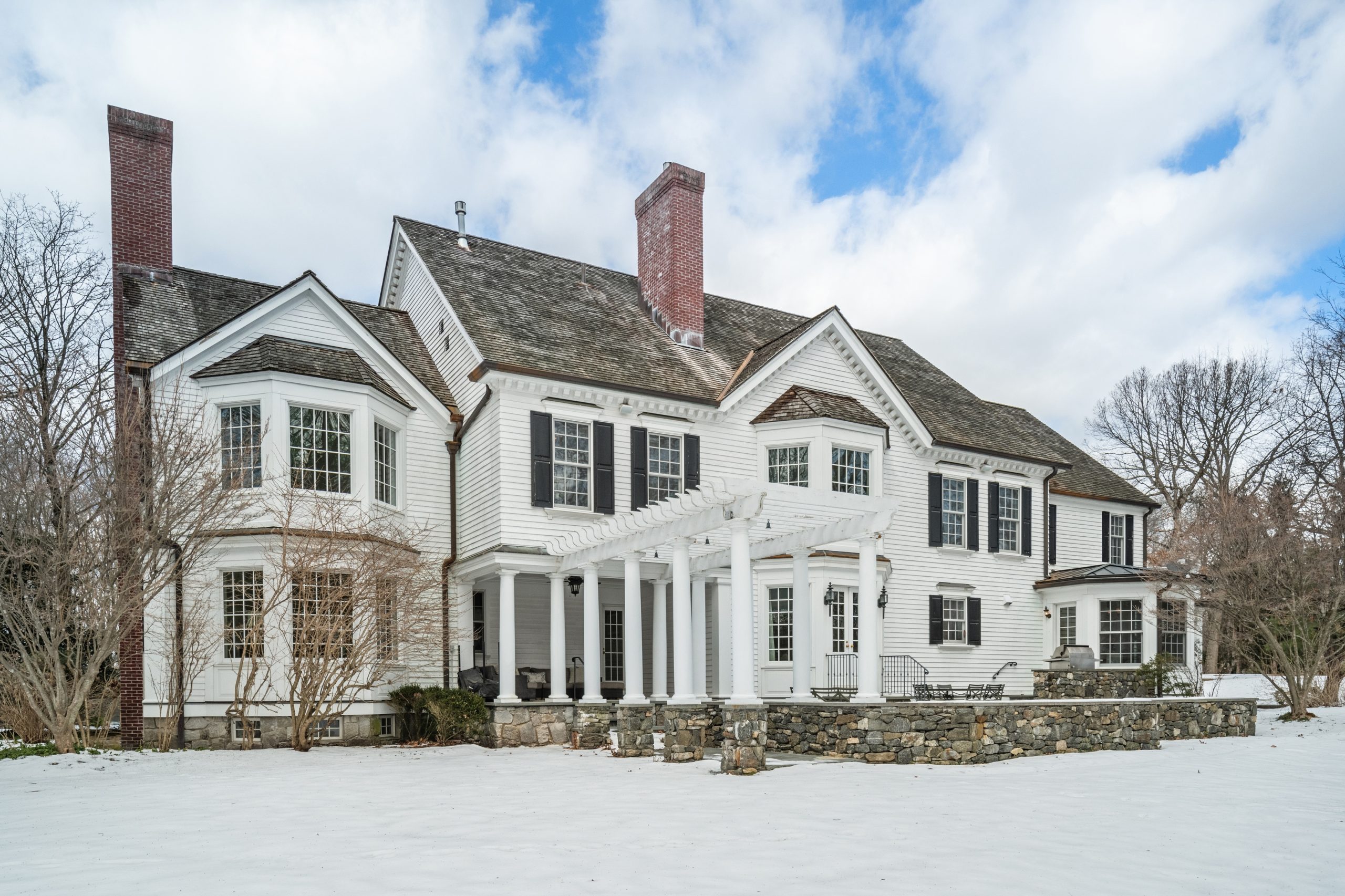
A haven for hedge-fund titans and Hollywood grandees, Greenwich is one of the world’s most expensive residential enclaves, where eye-watering prices meet unapologetic grandeur.
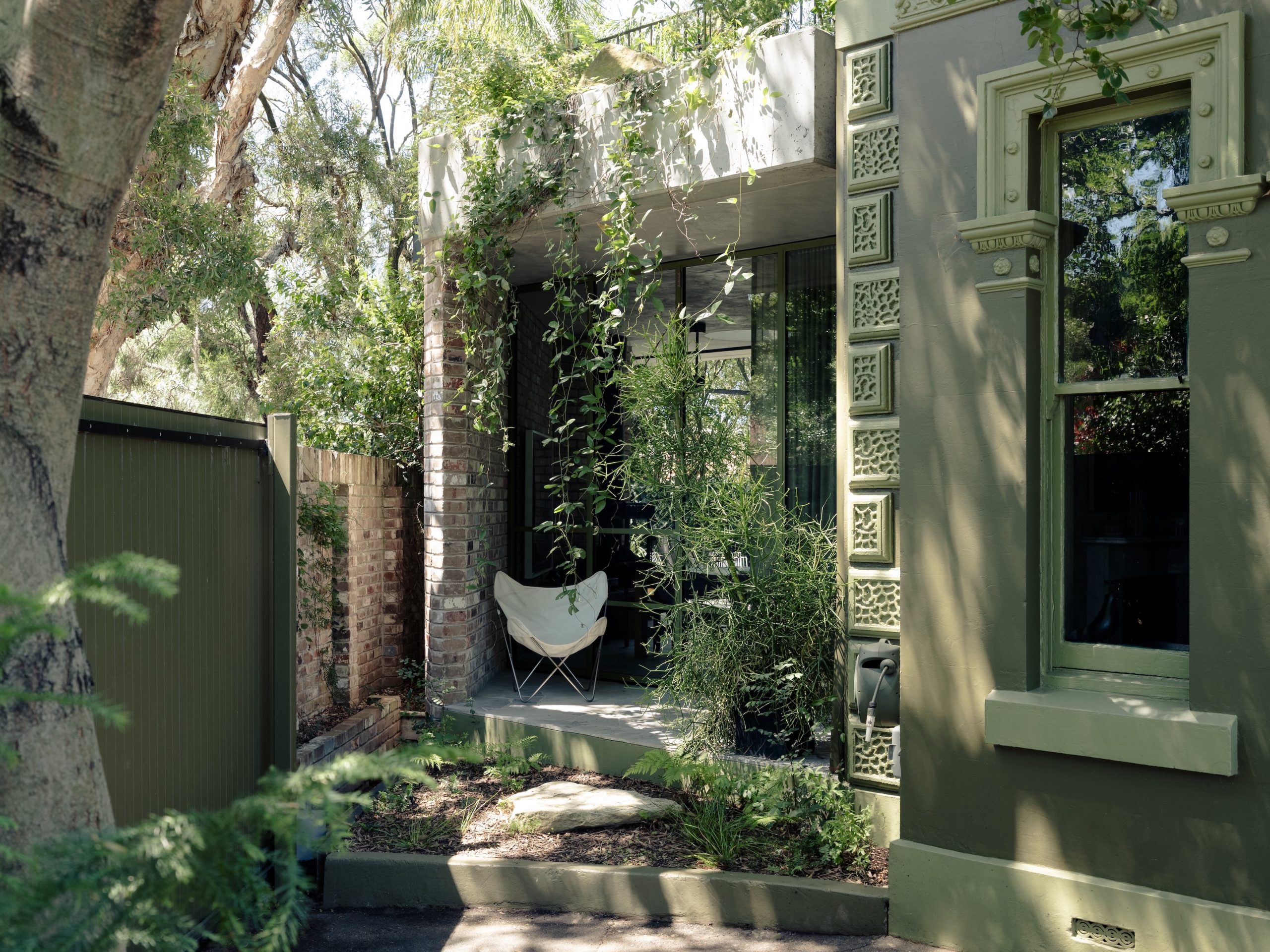
From bushland greens to valley reds, the country’s most awarded designers are proving that the best colour palette was never on a swatch card; it was outside the window all along.