Belle Epoque Estate Lists in France’s Fragrant Perfume Capital
The eight-bedroom villa asking €3.4 million occupies a hillside site above the old town of Grasse, filled with olive groves and citrus trees, and offering dramatic views of the Bay of Cannes

 4 min
4 min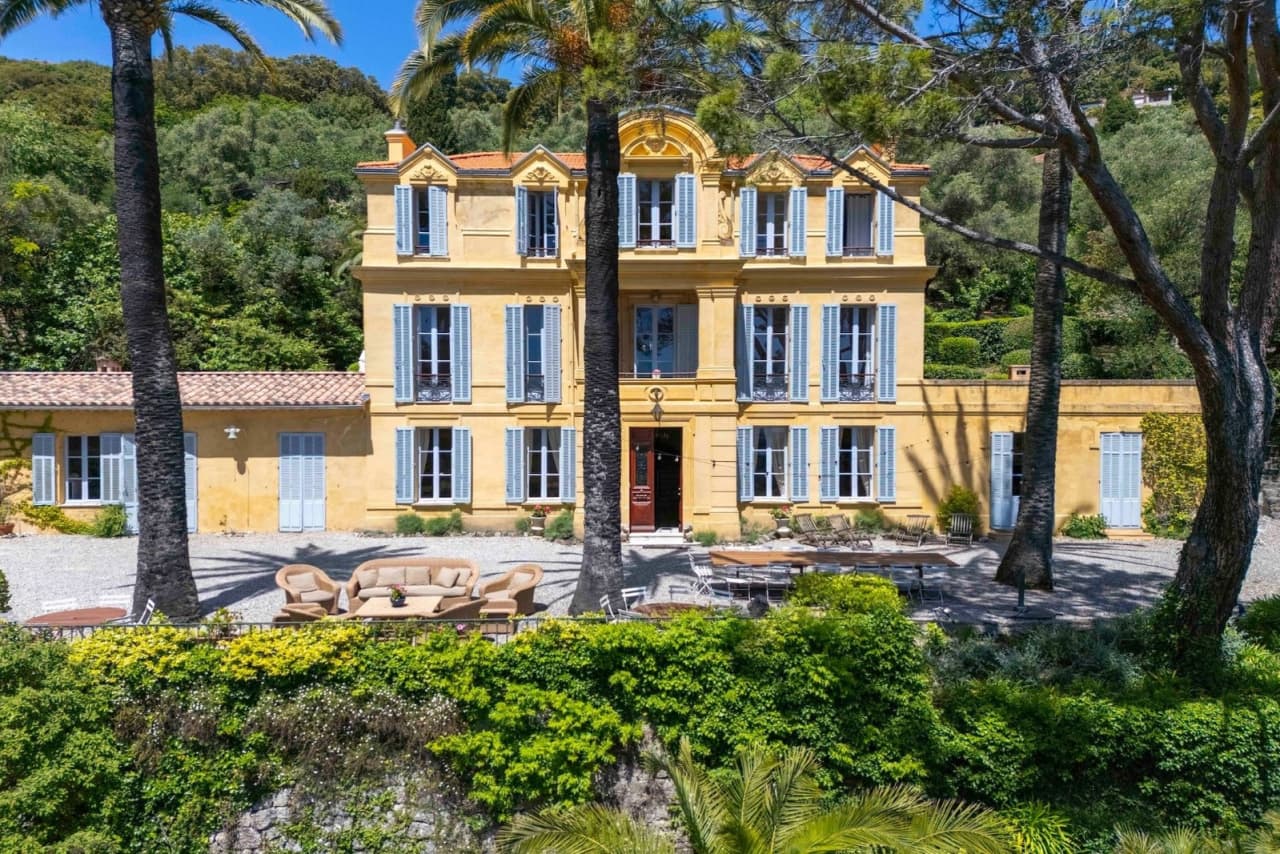
A historic Belle Epoque villa in the Provencal town of Grasse, known as the perfume capital of the world, listed for €3.4 million (US$3.64 million) earlier this month.
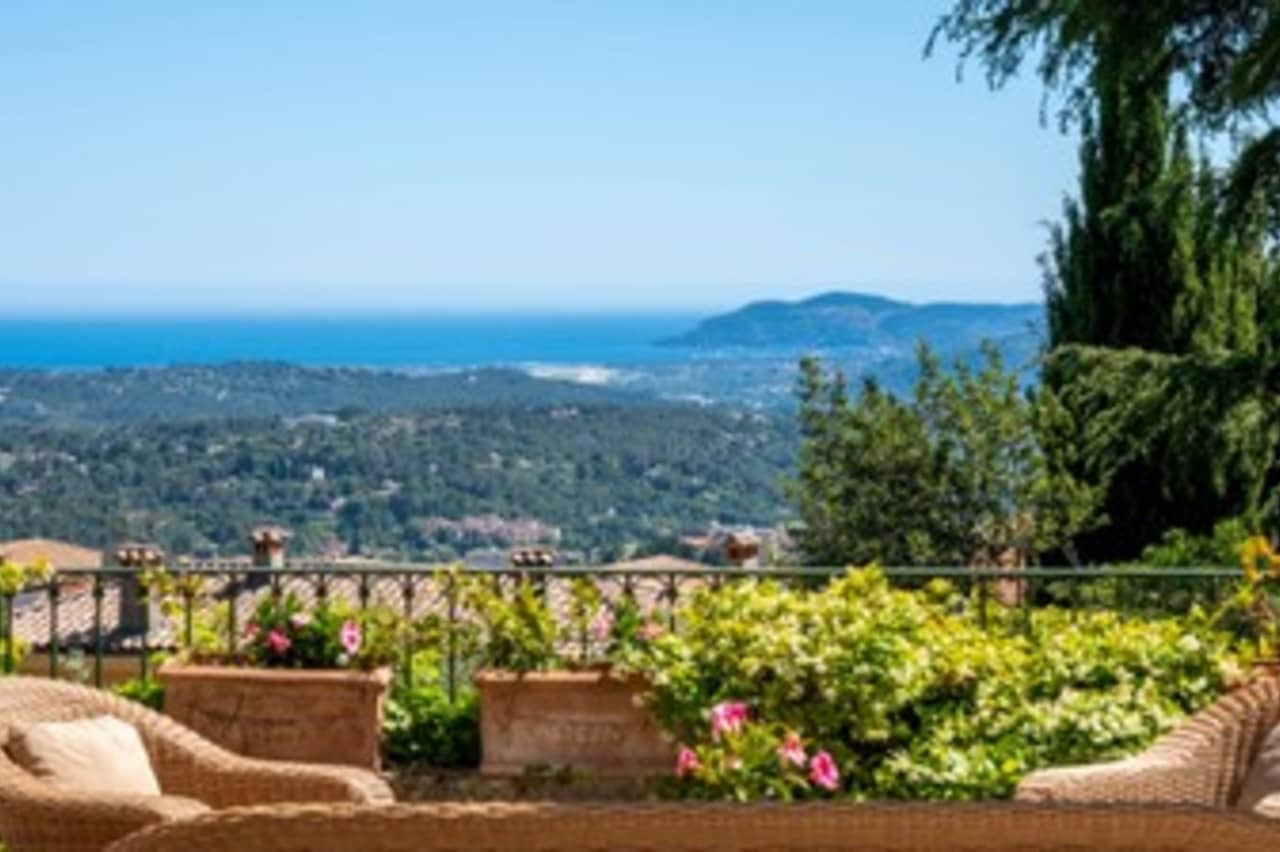
Known as La Rivolte, the eight-bedroom villa occupies a 1.8-acre hillside site above the old town of Grasse, filled with olive groves and citrus trees, and offering dramatic views of the Mediterranean Sea. The city is still filled with perfumeries, and surrounded by flower fields growing jasmine, iris, geraniums, orange blossom and roses, that supply some of the world’s most well-known perfumes, including Chanel No. 5.
The villa was built in the 1880s at the height of Grasse’s renown as the centre of the perfume industry, and had a string of prominent owners and residents, including wealthy Grasse perfumer and the first Russian to win a Nobel Prize for Literature.
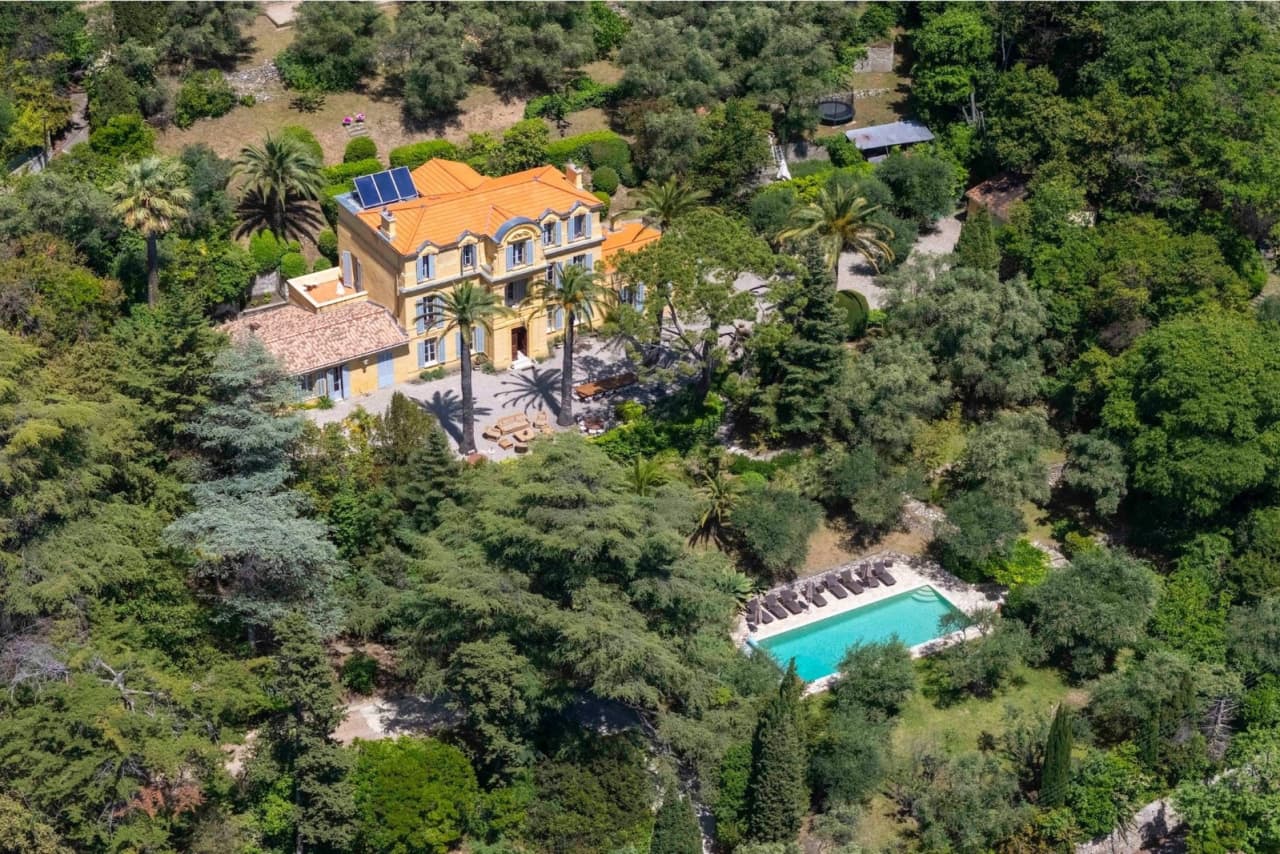
Most recently, it was owned by the Usborne family, who purchased it in the 1990s. The London-based family spent many summers in the South of France, but are looking to sell now that patriarch Peter Usborne has passed, according to his son, Martin Usborne.
“It has a very romantic and a very unique character that when we looked for houses to buy, this one jumped out as being incredibly authentic and with incredible views extending over the whole Bay of Cannes,” Usborne said. “We fell in love with it.”
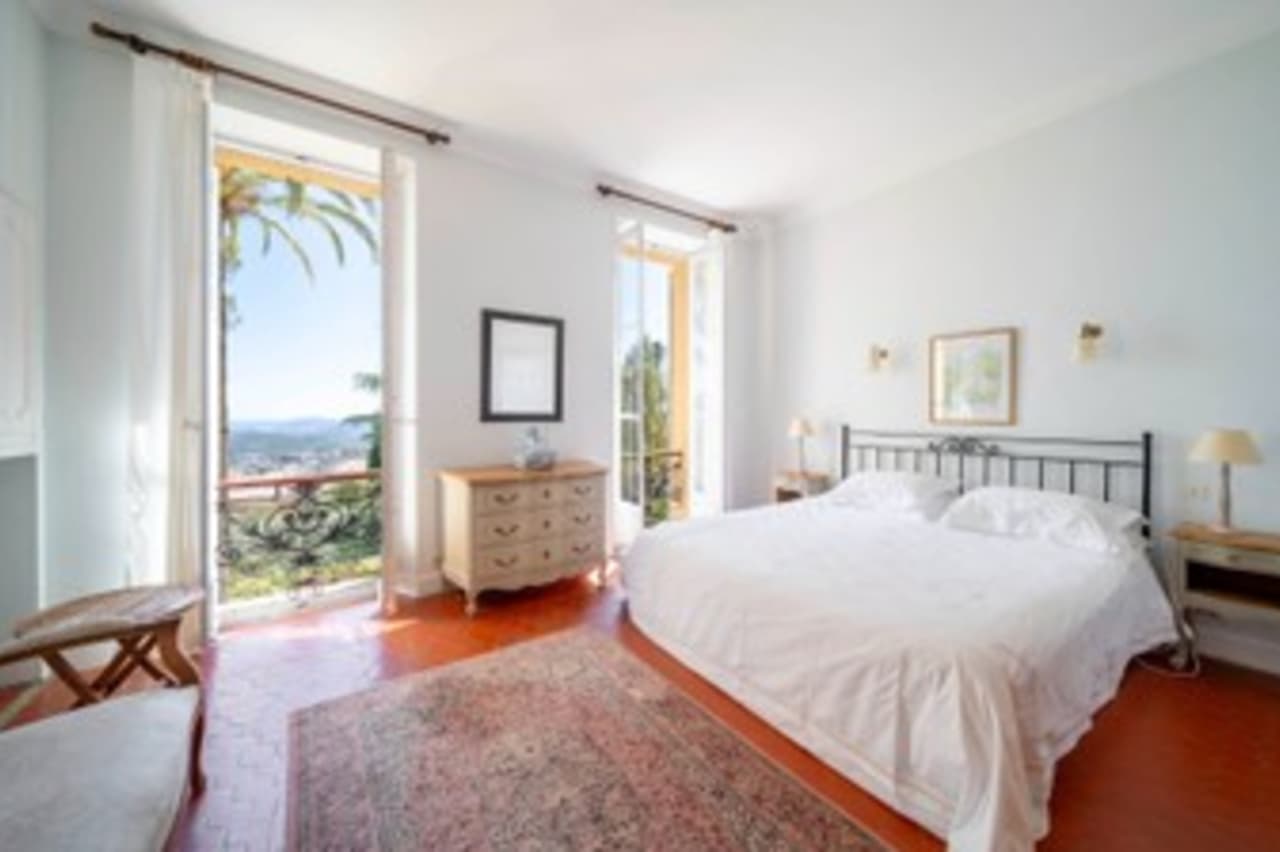
The home, which spans 3,267 square feet over several floors, maintains its original charm with tiled floors, Juliet balconies, and large windows to take in the views, along with ample terraces, gardens and a pool deck.
Peter Usborne, the owner of children’s book publisher Usborne Books, bought the property from a perfumer and renovated it in keeping with the traditional provencal style. Like the owners before them, they rented out the home and used it themselves, which meant it was kept up to date.
“The property is really beautiful with a magical view to the seas, but not a ten minutes walk from the old city of Grasse,” said Tamara Bourdin of Côte d’Azur Sotheby’s International Realty, who is marketing the property with Tarik Bouchenak.
The villa’s unique yellow-ochre facade holds a clue to its history. It matches the nearby Grand Hotel Grasse, a neoclassical masterpiece built around the same time, when the city was gaining some acclaim as a winter destination to rival more popular resort towns like Cannes and Nice.
In fact, the man who built the house, a jeweller named Gustav Roquier, purchased the site from the Cresp family, a prestigious local perfuming dynasty in 1882, likely as an investment—with the intention of renting it out to wealthy vacationers, according to Ruth Midgley, a local historian hired by the Usborne family. (It was described as an “alluring and comfortable villa aimed at winter visitors,” in a local newspaper in 1903.)
There is some reason to believe that Roquier might have commissioned the same Cannes architects who built the Grand Hotel to design his own villa, given some of their similarities, but there’s no direct evidence, per Midgely.
Roquier had good reason to believe in the value of his property. Soon after La Rivolte was completed, Baroness Alice de Rothschild built her own—much more extravagant—home on an adjacent lot, called Villa Victoria in honour of her friend, the British Queen, according to the historian and the Rothschild Archives. And in 1891, the Grand Hotel hosted Queen Victoria herself when she came to visit her friend Alice.
The property stayed in the Roquier family for four generations, until 1949, and it was alternately rented out or utilized by the family. Among its notable tenants was Ivan Bunin, the first Russian writer to win a Nobel Prize for Literature in 1933, for an autobiography written while he lived at the villa. “We often get stray Russian tourists coming up the drive because it was the home of the first Nobel-prize winning Russian author,” said Usborne. “He is a household name in Russia.”
Grasse never did become the tourist destination Roquier had hoped for, but it draws plenty of visitors both for its Mediterranean climate and old-world charm, as well as its continuing legacy as the perfume capital of the world.
While the Usbornes have many happy memories there, it’s become too much for Martin and his sister, both of whom are also in publishing, to keep up with the maintenance, he said.
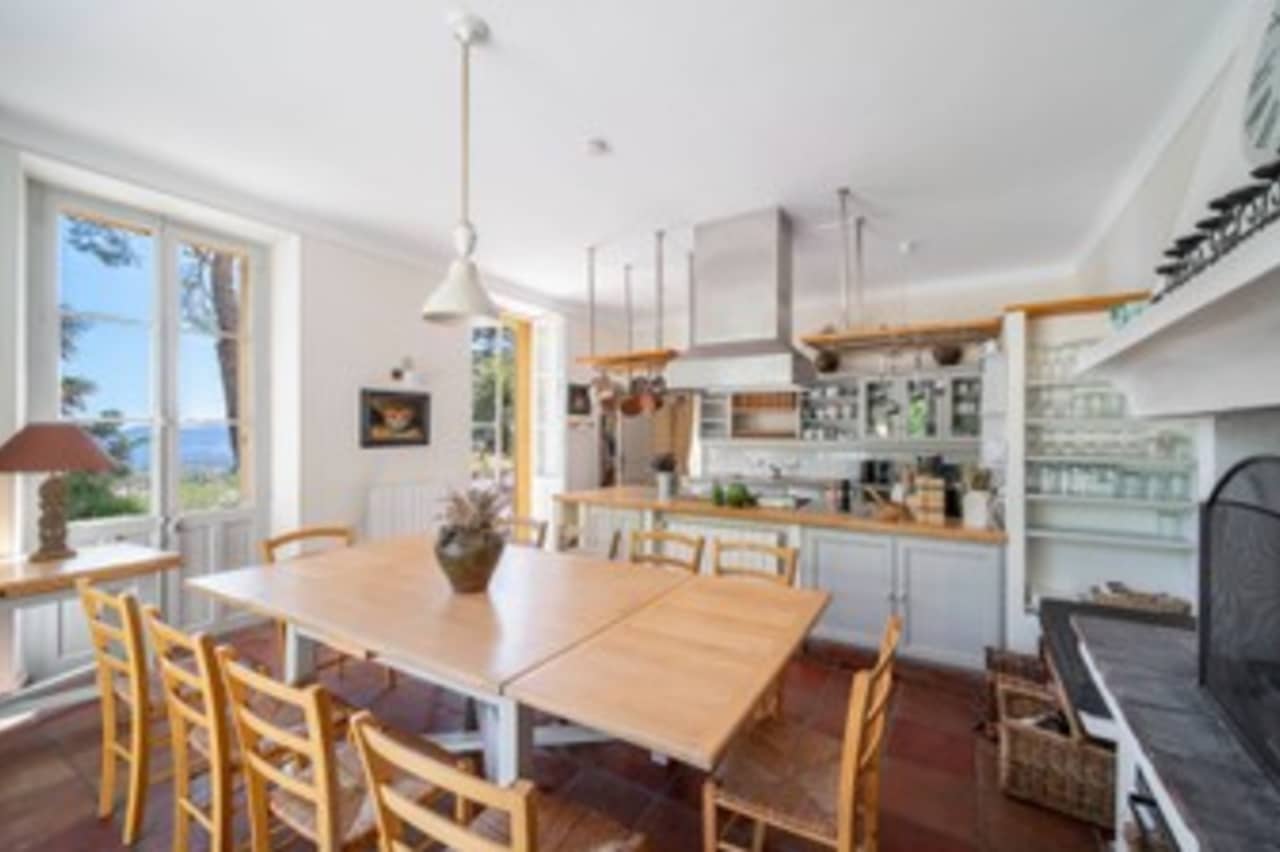
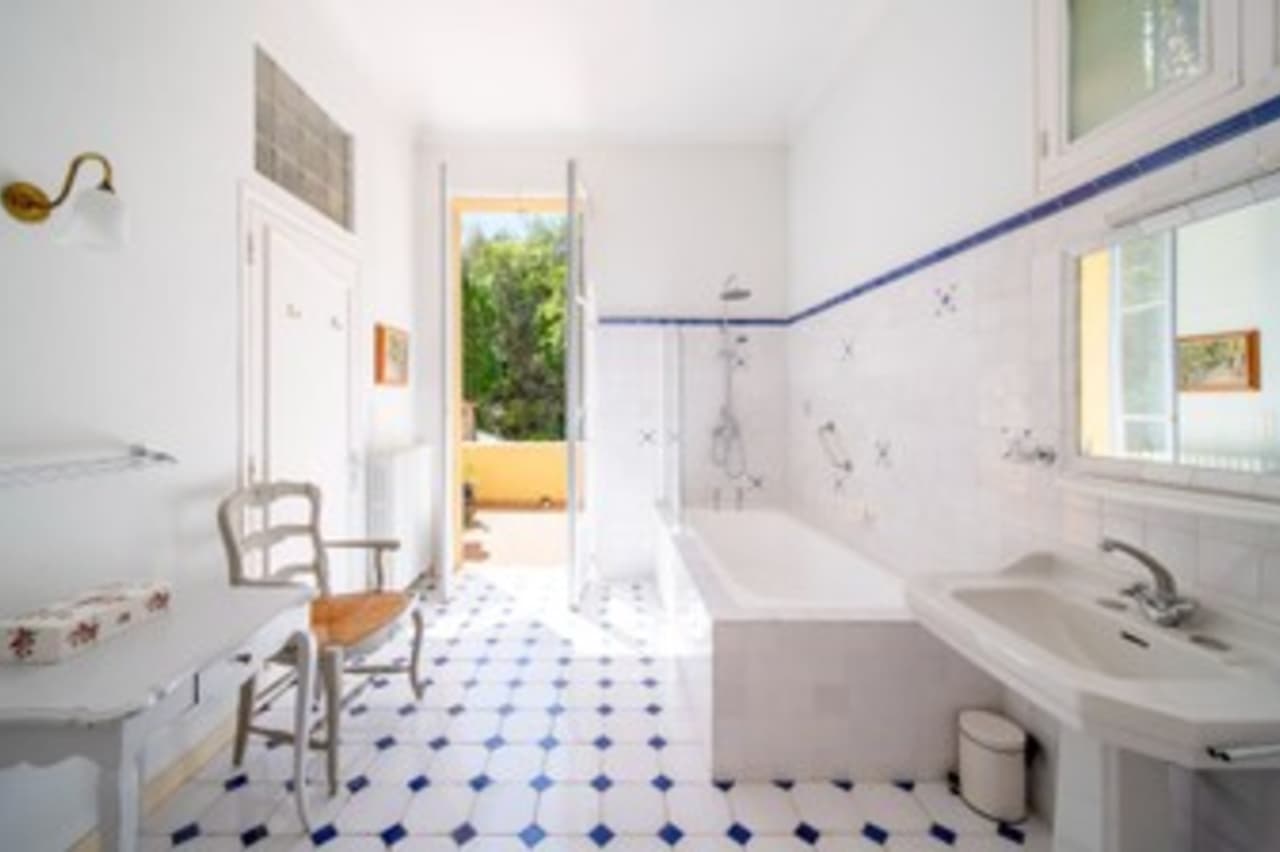
“It needs a refresh inside, but the actual owners used to rent it for like 10 or 15 years, so the property is fully equipped,” said Bourdin. “All the bedrooms are ensuite so it’s well equipped for modern living, but it needs a bit of makeup inside.”
 Copyright 2020, Dow Jones & Company, Inc. All Rights Reserved Worldwide. LEARN MORE




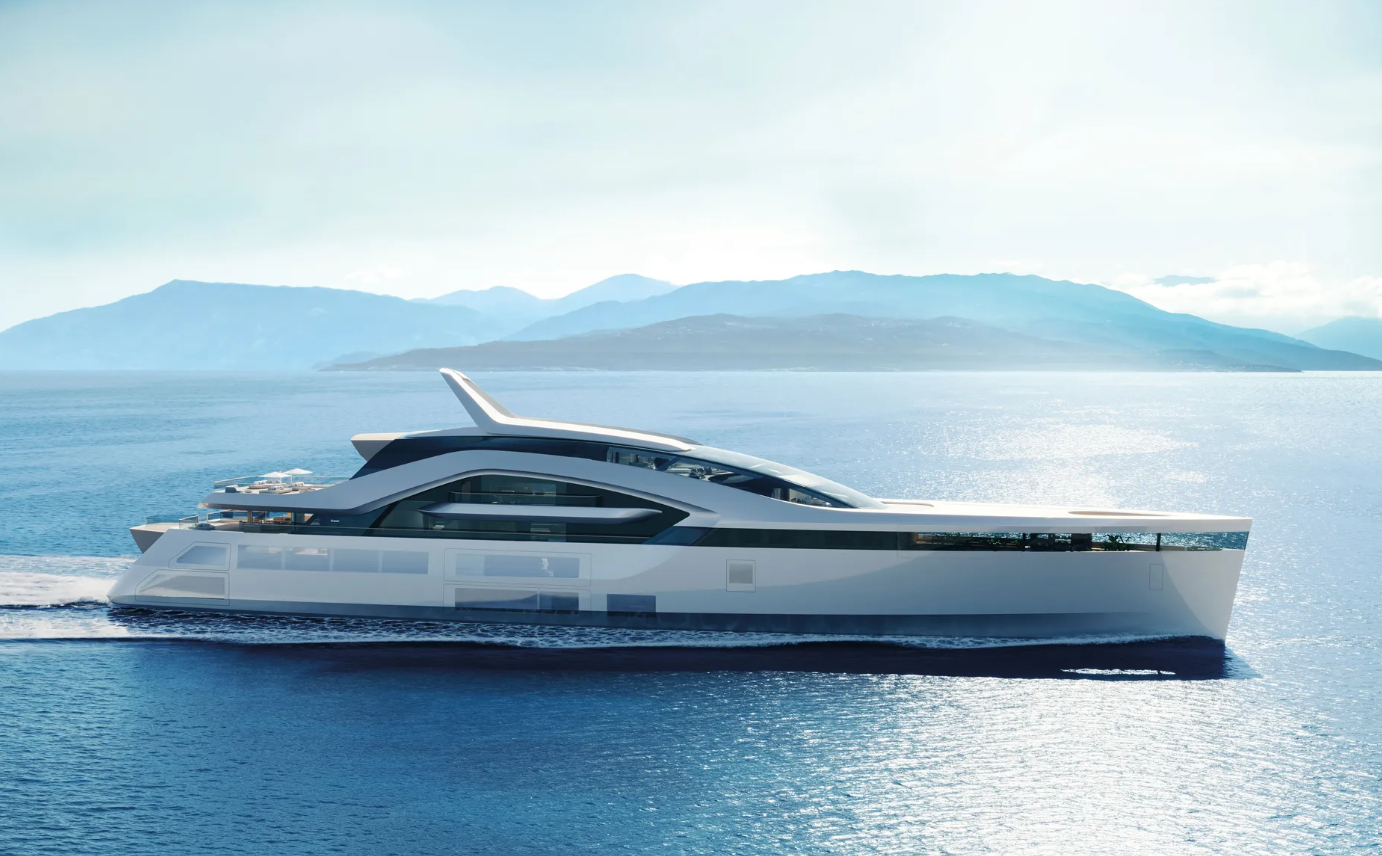
On the owner’s deck, a 20-metre swimming pool incorporates Feadship’s patented ContraWave technology and extends indoors as a suspended, glass-bottomed infinity pool.
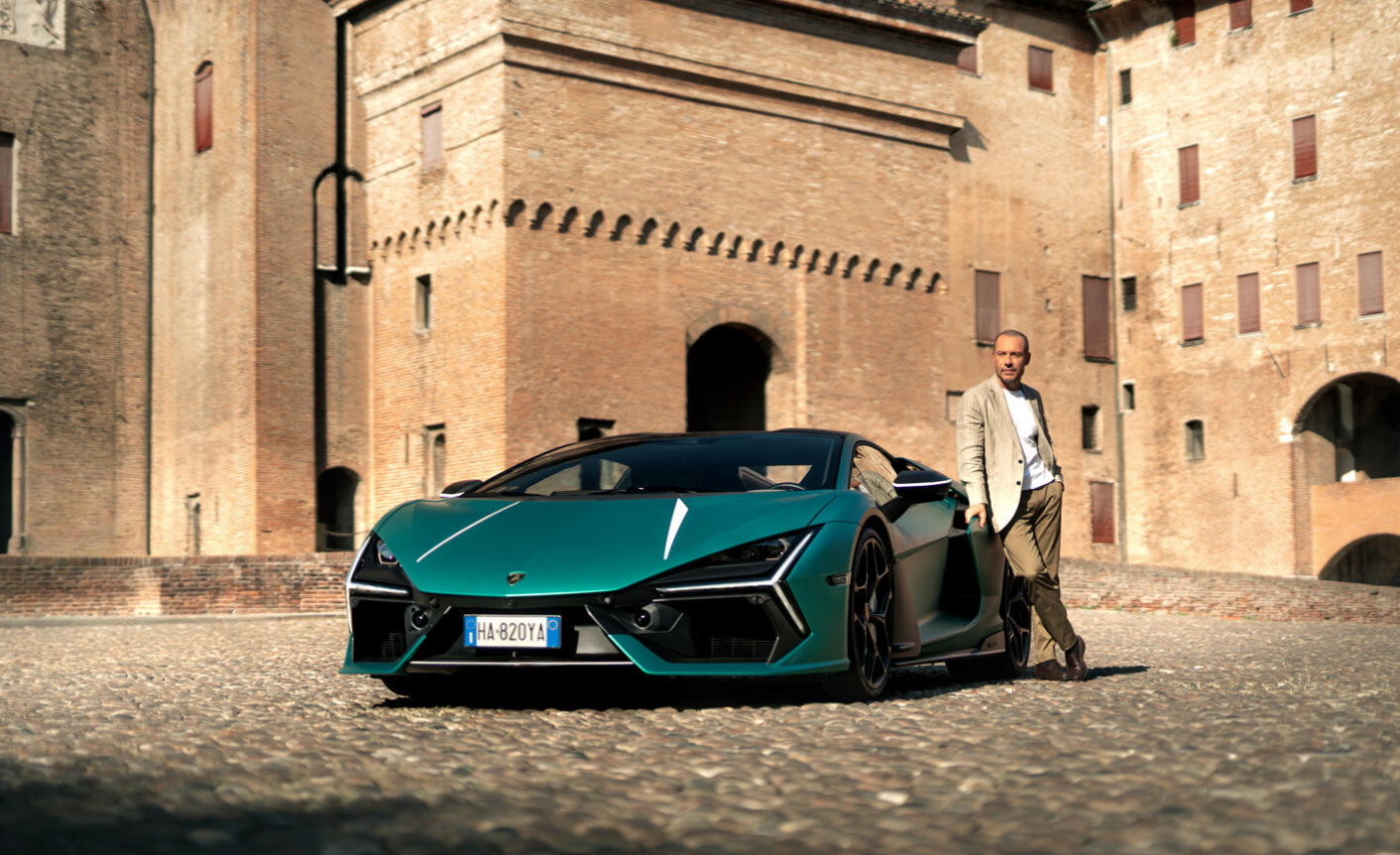
Automobili Lamborghini is turning its attention to something considerably more difficult to define: what makes Italian excellence uniquely Italian?
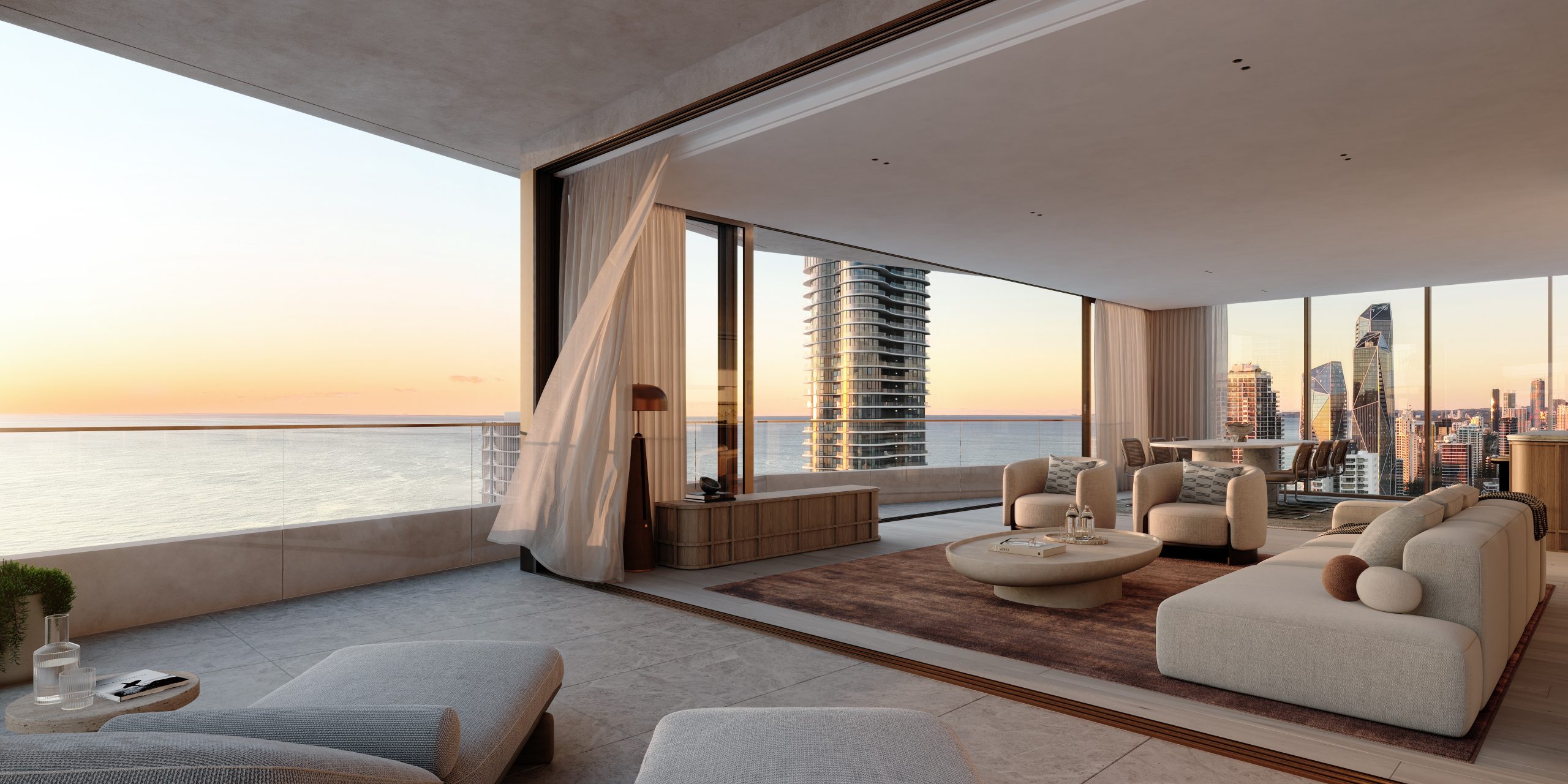
Mirvac’s 45-level Trielle has topped out at Yarra’s Edge, pairing riverfront apartments with wellness facilities, private dining and resident services.
3 min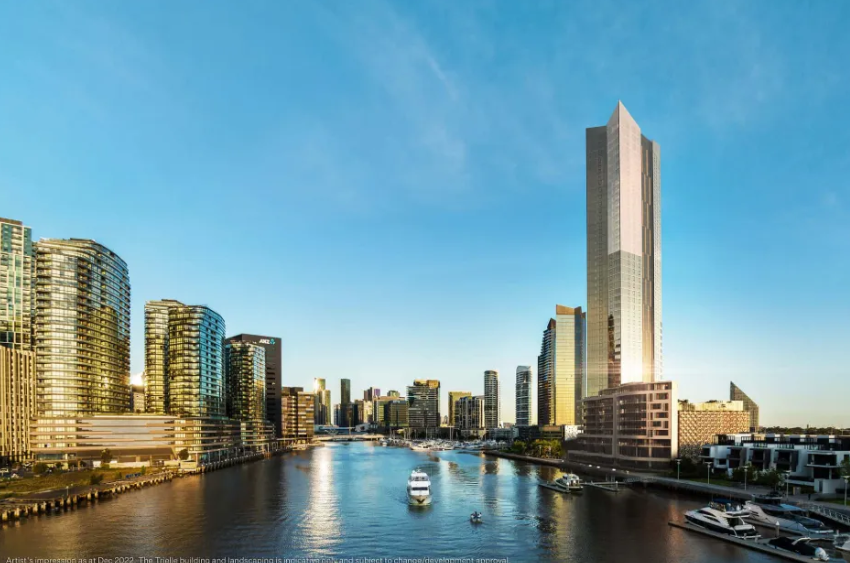
Mirvac has topped out Trielle at Melbourne’s Yarra’s Edge, with more than 70 per cent of the riverfront development sold and approximately 80 per cent of purchasers intending to make their apartment a home.
The figures, released on September 22, point to an owner-occupier audience for one of the precinct’s final residential towers. Mirvac began developing Yarra’s Edge in 2003, and its latest addition occupies one of the remaining absolute riverfront sites.
Mirvac CEO of Development Stuart Penklis said existing residents were among those moving up within the neighbourhood.
“Many purchasers already have a connection to Yarra’s Edge,” Mr Penklis said, describing buyers whose changing needs were encouraging an upgrade within the precinct.
“As one of the final residential towers within Yarra’s Edge, Trielle represents the culmination of more than two decades of creating one of Melbourne’s most established and sought-after waterfront communities,” Penklis said.
“Positioned on the Collins Street axis with absolute river frontage, Trielle offers residents a rare opportunity to enjoy sweeping views across the Yarra River, Melbourne skyline and Port Phillip Bay, while remaining seamlessly connected to the CBD. With Trielle now more than 70 per cent sold, we’re continuing to see strong demand from buyers seeking quality homes in established locations.”
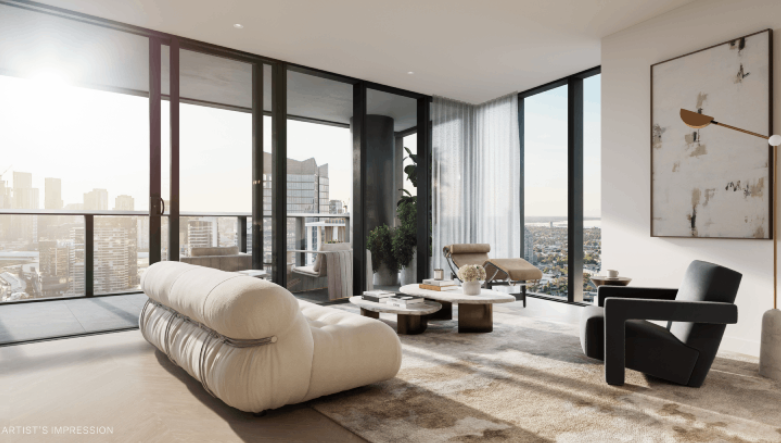
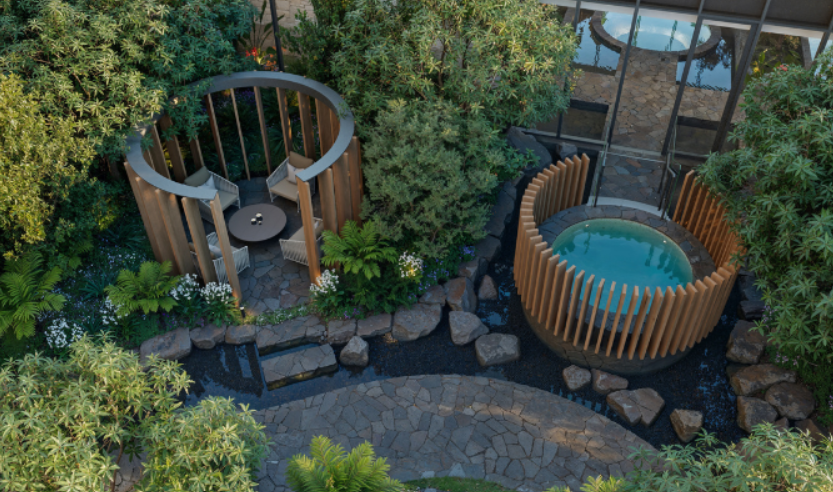
The developer also flagged a penthouse and sub-penthouse collection with larger layouts, premium finishes and broad outlooks. The planned wellness centrepiece, The Oasis, encompasses a 900-square-metre elevated urban rainforest.
Mirvac General Manager Residential Development Victoria Elysa Anderson said Trielle had resonated strongly with buyers seeking a rare lifestyle offering in Melbourne.
“Opportunities to secure a new luxury residence on a riverfront site of this calibre are incredibly rare, particularly within a community like Yarra’s Edge,” Anderson said.
“What makes Trielle unique is the combination of exceptional views, world-class residential facilities and the lifestyle that already exists around it. Residents are buying into a mature waterfront community with parks, promenades, dining, wellness and strong community connections already in place.”
The 45-level tower brings a substantial new presence to that waterfront. Its residential offering spans one-, two-, three- and four-bedroom apartments, with Signature, Prestige and Sub-Penthouse collections accommodating different household sizes. The north-facing position connects the apartments visually to the river and city beyond.
Seven storeys above the promenade, the planned Oasis combines planting and a running stream with a Scandinavian-inspired wellness club developed with spa specialist Naomi Gregory. Facilities include a 25-metre lap pool, hot magnesium pool, sauna, hydrotherapy, a gym, yoga and Pilates room, and treatment spaces.
The amenity extends beyond exercise. Residents will have access to The Biblioteca library and workspaces, ground-floor work pods, and The Salone piano lounge. A private Chef’s Table dining room offers a setting for larger gatherings, while a cinema, games room and sports lounge broaden the entertaining options. Concierge services and a dog-wash area support everyday routines.
Trielle comprises a collection of one, two, three and four-bedroom residences. Reflecting strong demand from owner occupiers, approximately 80 per cent of purchasers to date intend to live in their homes, highlighting the project’s appeal to those seeking a long-term waterfront lifestyle.
Mirvac has recently delivered The Albertine, a premium apartment development on the edge of Melbourne’s CBD, and is nearing completion of Prince & Parade in Brunswick, further strengthening its portfolio of thoughtfully designed apartment communities in some of Melbourne’s most sought-after urban locations.

From Italian vegetable-tanned leather to real-world training insight, Australian brand PK9 Gear is redefining what luxury means for discerning dog owners.
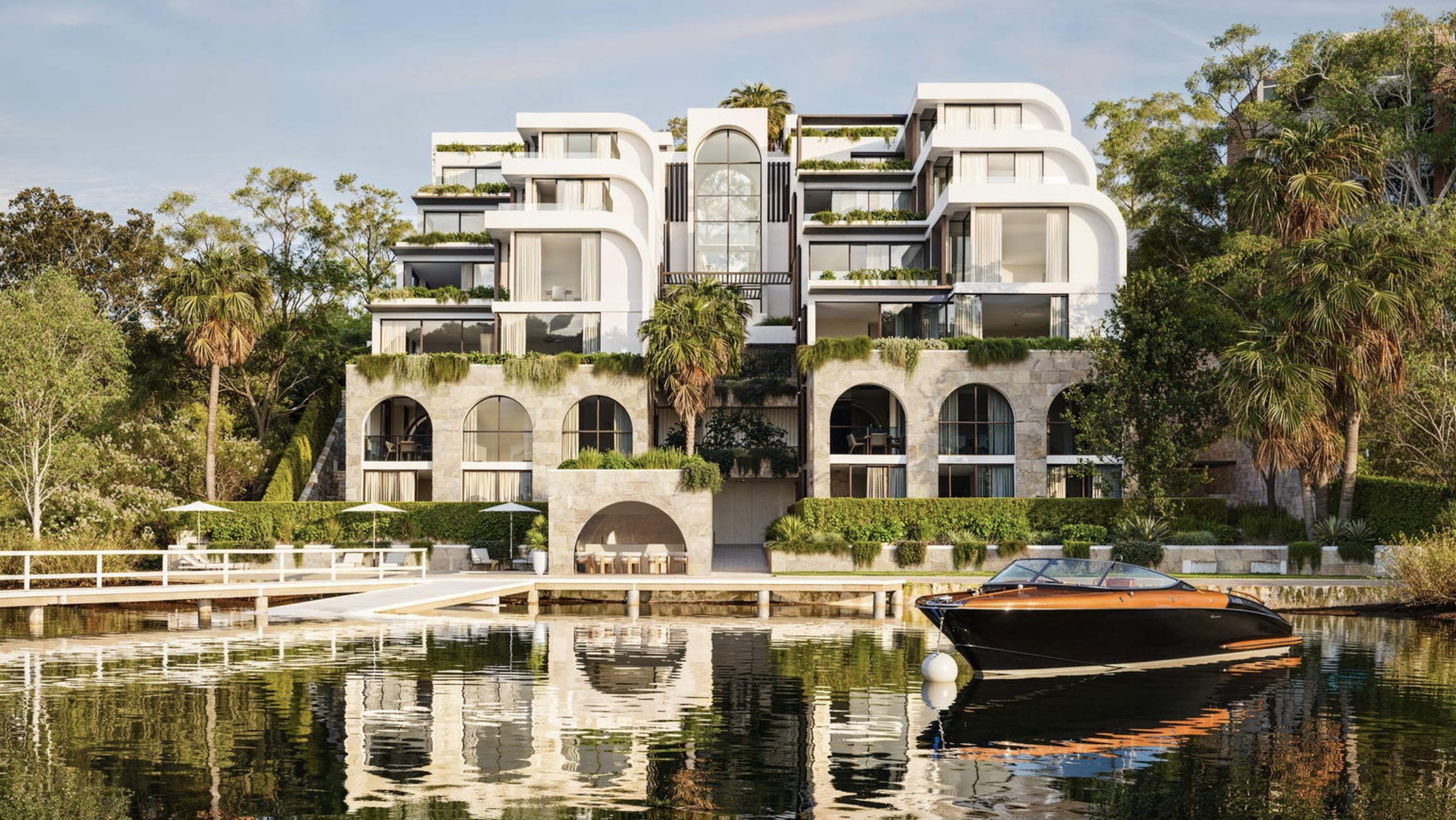
Advertising legend John Singleton unveils an exclusive 16-residence Caroline Bay development, marking his latest high-end property play on the Central Coast.