The luxury property market embracing a surprising new approach to building the dream home
Wealthy homeowners are voting with their wallets, exploring environmentally conscious ways to design and run their homes
 5 min
5 min
From the Spring issue of Kanebridge Quarterly. Order your copy here.
Design can achieve great things when environmentally enthusiastic homeowners have terrifically deep pockets. The rich and famous have long been ground-breakers in sustainable residential design, laying the foundations of a stealth-wealth aesthetic by funding innovative architects and new technologies.
Sustainability is now sexy with Hollywood heavyweights leading the charge.
Johnny Depp’s Bahamian island, Little Hall’s Pond Cay, cost him US$3.6 million in 2004 but the Pirates of the Caribbean star is rumoured to have spent millions more on enlisting the talents of home-brew hydrogen energy expert Mike Strizki to make the isle self-sufficient. Entourage actor Adrian Grenier, who hosts sustainability makeover TV show Alter Eco, has walked the talk with a house in Brooklyn, New York featuring walls insulated with recycled denim and rooftop gardens installed in an effort to eliminate the need for air conditioning.
Veteran actor Ed Begley Jr. famously built a luxury Californian home that achieved a LEED Platinum certification, the world’s most prestigious rating system for green buildings. He did it by recycling 96 percent of materials from the pre-existing house and adding a 9kw photovoltaic system and Tesla Power-wall.
Closer to home, in the early 2000s Cate Blanchett upcycled her former Sydney home with $1.5 million in renovations including a 20,000L water tank, high-tech solar panelling, low energy lighting and grey water recycling. Before eventually selling the Hunters Hill home and moving to London with husband Andrew Upton and their children, the pair were also instrumental in turning The Wharf Theatre green by installing approximately 2000 solar panels to provide 70 percent of the venue’s electricity and a system for rainwater harvesting.
Sean Triner, who works in environmental fundraising and is on the board of WWF Australia, wanted to challenge the idea that luxury and sustainability were mutually exclusive when he and his partner Christiana Stergiou built their Queensland home, Kingfisher House, in 2022.
Designed by PTMA Architecture and built by Kai Konstruct, the Currumbin Waters residence sits on a 5640sq m block, earned an energy-efficiency rating of 9.1 stars, featured twice in the national Sustainable House Day event and was the most-visited home in the Gold Coast Open House Architectural Festival in 2022 and 2023.

“We wanted a sustainable house, but also wanted to be able to have a pool heater, charge our electric car, or turn the aircon on whenever we felt like it — basically we wanted to have it all,” he says. “Our idea was to show that you can reduce your carbon footprint dramatically and still get all those luxuries you might want.
“Usually when you’re designing a home, you want form, function and price. Does it do the job? Does it look nice? And can we afford it? We just added a fourth pillar — form, function, price and sustainability.”
The six-bedroom, barn-style smart home has a central courtyard with an automated roof, a wine cabinet opening to a secret games room in the attic, a solar-heated swimming pool, a self-contained pool house, a cyclone-rated zinc roof, a 20kw PV solar power system and 12kw battery store, two 27,000L water tanks and an underground garage with 7kw WallBox electric car charger.
“Another really simple but important thing is to consider fauna by planting local species. Everything we’ve done in terms of landscaping includes varieties from the region and edible plants that don’t harm the wildlife,” Triner adds. “As soon as we’d done the planting we started to see tracks of everything from echidnas to wallabies and have even seen koalas in our trees.”
Architect Chris Major, co-founder of Welsh+Major, says sustainability is a priority among many clients of high spec builds today.
“There’s a whole range of things clients are looking for. The obvious add ons are around water tanks and solar panels but batteries are fast becoming sought after, especially for those with bigger budgets. Reliability of power supply is a genuine concern,” she says.
“Many clients also want to make sure there are great sustainable choices made in materials and sometimes that comes with an extra price tag. When you’ve got deeper pockets, that’s something you can definitely do; support local designers over using potentially cheaper imported products.”
European brands are being consciously replaced with domestic alternatives.
“Our local designers are equally talented,” Major says. “We also have such beautiful materials in Australia and if we can source them sustainably here, that’s what we’re interested in.”
For a long time, bigger meant better in the built environment, but that obsession with larger-than-life luxury is falling out of fashion.
“Now it’s more about the quality of spaces rather than the biggest house possible,” she says. “The move is towards luxury in a more restrained way.”

While intelligent architecture has always liked to push the envelope with the latest mod cons, the current environmental climate and recent natural disasters have had homeowners rethinking the their designer add ons.
“People are more conscious of the amount of energy that goes into building and running a home. It’s that idea of quality over quantity,” she says. “Passive solar design is really in focus now. It’s not that it was ever unfashionable, but some of these principles were forgotten in the midst of new technology.
“You can have solar panels, rainwater tanks, heat pumps and geothermal tech — which are all great — but they’re no substitute for just really good decisions around orientation, capturing cooling breezes and natural light.”
Savvy sustainable design can make a home a pleasure to live in, but really smart environmental decisions make for strong ROI, says David Medina of Sotheby’s International NSW, who regularly sells in the wealthy regional playgrounds of Byron Bay and the Southern Highlands.
“Sustainability is really important for buyers today,” he says. “Going back 15 years, one of the first questions I’d get asked was ‘Does it have access to power?’ That’s now moved from number one or two on the list to about number 10.” These days, he says, prestige purchasers are today more concerned about producing their own electricity.

“In terms of resale, it’s a huge bonus to not be reliant on town power. Although they’re probably not as troubled by running costs as the average Australian, the luxury of living totally off-grid gives people a lot of strength. If there’s a storm or blackout and you’ve got a generator that kicks in to back up the battery then it gives them peace of mind.”
He says buyers also want enhanced water storage solutions, double or triple-glazed windows as well as savvy orientation to capture the best views, natural light and airflow. Some are even opting for small wind turbines.
“When homeowners are building they’re thinking further ahead than ever,” says Medina. “Now the quality of products, the build quality, the architecture, is just developing at a rate of knots. I’m really excited to see what the next thing is going to be.”
From making unpopular decisions to learning when to listen, leaders from five businesses reveal what nobody prepared them for — and how running a company has challenged their expectations.

Technology and semiconductor shares fell sharply as investors questioned the debt financing the AI infrastructure boom and confronted higher rates and Chinese competition.

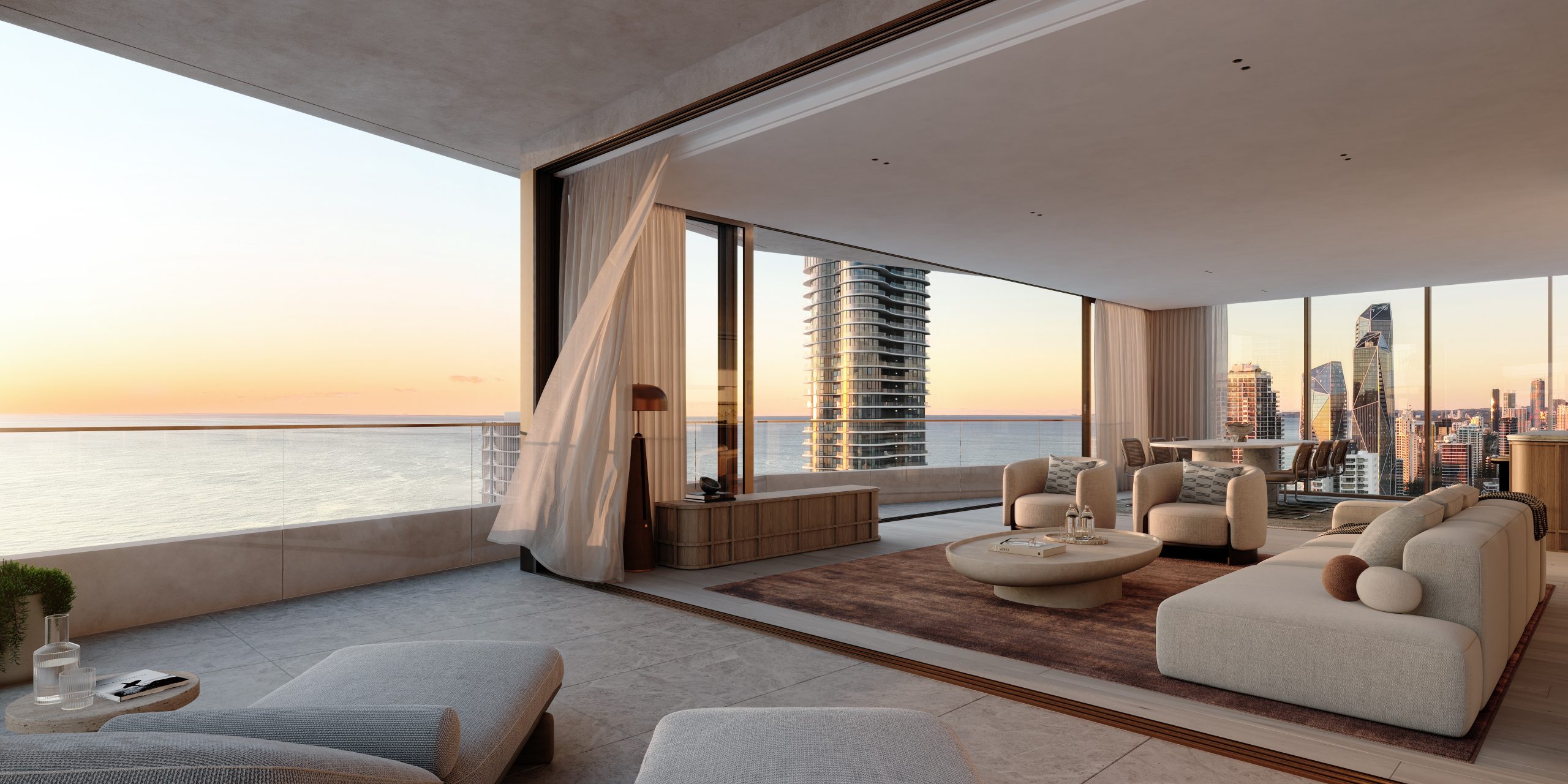
Mirvac’s 45-level Trielle has topped out at Yarra’s Edge, pairing riverfront apartments with wellness facilities, private dining and resident services.
3 min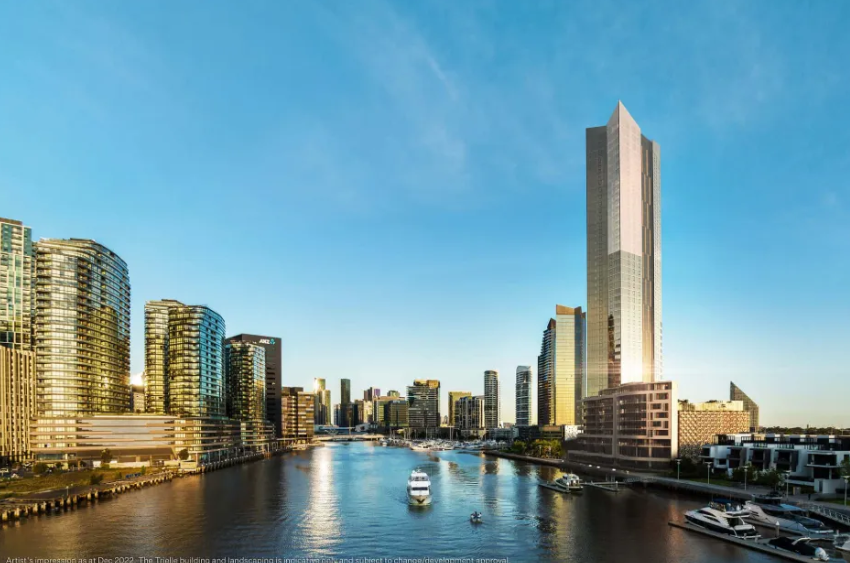
Mirvac has topped out Trielle at Melbourne’s Yarra’s Edge, with more than 70 per cent of the riverfront development sold and approximately 80 per cent of purchasers intending to make their apartment a home.
The figures, released on September 22, point to an owner-occupier audience for one of the precinct’s final residential towers. Mirvac began developing Yarra’s Edge in 2003, and its latest addition occupies one of the remaining absolute riverfront sites.
Mirvac CEO of Development Stuart Penklis said existing residents were among those moving up within the neighbourhood.
“Many purchasers already have a connection to Yarra’s Edge,” Mr Penklis said, describing buyers whose changing needs were encouraging an upgrade within the precinct.
“As one of the final residential towers within Yarra’s Edge, Trielle represents the culmination of more than two decades of creating one of Melbourne’s most established and sought-after waterfront communities,” Penklis said.
“Positioned on the Collins Street axis with absolute river frontage, Trielle offers residents a rare opportunity to enjoy sweeping views across the Yarra River, Melbourne skyline and Port Phillip Bay, while remaining seamlessly connected to the CBD. With Trielle now more than 70 per cent sold, we’re continuing to see strong demand from buyers seeking quality homes in established locations.”
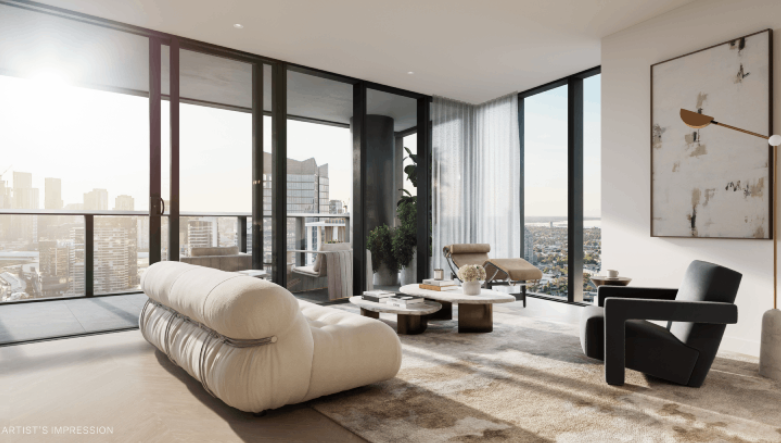
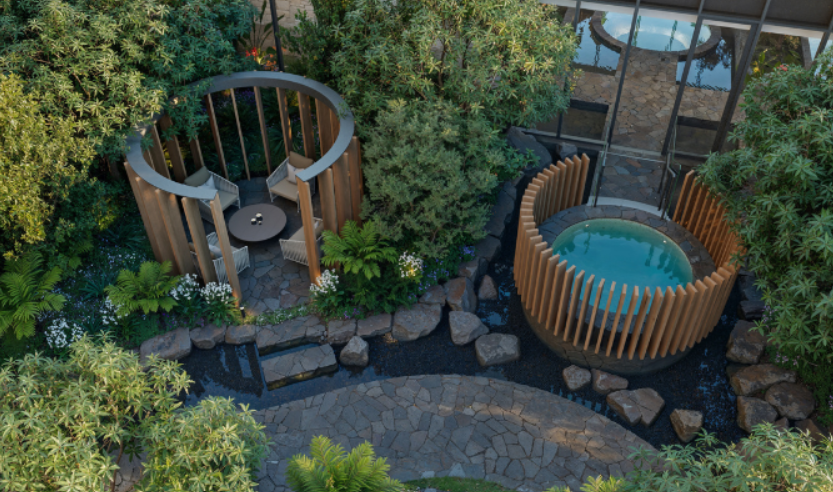
The developer also flagged a penthouse and sub-penthouse collection with larger layouts, premium finishes and broad outlooks. The planned wellness centrepiece, The Oasis, encompasses a 900-square-metre elevated urban rainforest.
Mirvac General Manager Residential Development Victoria Elysa Anderson said Trielle had resonated strongly with buyers seeking a rare lifestyle offering in Melbourne.
“Opportunities to secure a new luxury residence on a riverfront site of this calibre are incredibly rare, particularly within a community like Yarra’s Edge,” Anderson said.
“What makes Trielle unique is the combination of exceptional views, world-class residential facilities and the lifestyle that already exists around it. Residents are buying into a mature waterfront community with parks, promenades, dining, wellness and strong community connections already in place.”
The 45-level tower brings a substantial new presence to that waterfront. Its residential offering spans one-, two-, three- and four-bedroom apartments, with Signature, Prestige and Sub-Penthouse collections accommodating different household sizes. The north-facing position connects the apartments visually to the river and city beyond.
Seven storeys above the promenade, the planned Oasis combines planting and a running stream with a Scandinavian-inspired wellness club developed with spa specialist Naomi Gregory. Facilities include a 25-metre lap pool, hot magnesium pool, sauna, hydrotherapy, a gym, yoga and Pilates room, and treatment spaces.
The amenity extends beyond exercise. Residents will have access to The Biblioteca library and workspaces, ground-floor work pods, and The Salone piano lounge. A private Chef’s Table dining room offers a setting for larger gatherings, while a cinema, games room and sports lounge broaden the entertaining options. Concierge services and a dog-wash area support everyday routines.
Trielle comprises a collection of one, two, three and four-bedroom residences. Reflecting strong demand from owner occupiers, approximately 80 per cent of purchasers to date intend to live in their homes, highlighting the project’s appeal to those seeking a long-term waterfront lifestyle.
Mirvac has recently delivered The Albertine, a premium apartment development on the edge of Melbourne’s CBD, and is nearing completion of Prince & Parade in Brunswick, further strengthening its portfolio of thoughtfully designed apartment communities in some of Melbourne’s most sought-after urban locations.

Following the successful launch of its Palais Collection, MAISON de SABRÉ has unveiled a new modular handbag system offering more than 720 styling combinations.

Paine Schwartz joins BERO as a new investor as the year-old company seeks to triple sales.