Jim Carrey Lists L.A. Home of Nearly 30 Years for $28.9 Million
The actor says the ranch-style Brentwood property has been a ‘place of enchantment and inspiration’

 2 min
2 min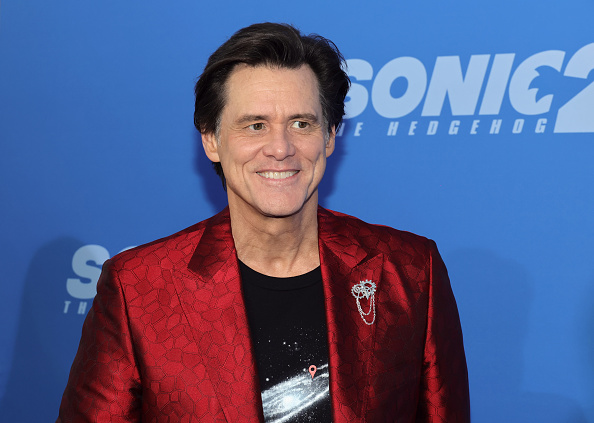
Actor Jim Carrey is putting his Los Angeles home of nearly 30 years on the market for $28.9 million.
Mr. Carrey, who was born in Canada, bought the ranch-style Brentwood home in 1994, around the time of the release of his first major movie hit, “Ace Ventura: Pet Detective.” It wasn’t clear how much he paid.
In a statement, Mr. Carrey said the property had been “a place of enchantment and inspiration” to him over “30 very creative and prosperous years.”
“Every night the owls sang me lullabies and every morning I sipped my cup of joe with the hawks and hummingbirds, under a giant grandfather pine,” he said.
The roughly 12,700-square-foot estate includes a five-bedroom main house with a traditional brick facade and contemporary interiors, according to listing agent Janelle Friedman of Sotheby’s International Realty. Spanning about 2 acres, the property has a gym, a tennis court, a waterfall pool and spa, and a pool house with a sauna and steam room. There is also a dedicated outdoor yoga and meditation platform, she said.
The home is infused with elements of Mr. Carrey’s personality. A custom Art Deco-style home theatre, complete with mohair-covered sofas, burl wood columns and a snack area, features costumes from Mr. Carrey’s films in glass cases on the walls. They include a set of blue overalls from “The Cable Guy” and the Santa Claus costume from “The Grinch.” In an adjacent bar area, his Riddler costume from “Batman Forever” is on display, as well as some of his trophies from the MTV Movie & TV Awards.
The home’s neutral, understated aesthetic is punctuated by dramatic pops of colour, some of which are provided by Mr. Carrey’s own artwork: the actor is also a prolific painter who has gained recognition for his bold, graphic and colour-saturated pieces. On the lawn is “Ayla,” a sculpture by Mr. Carrey that depicts a nude woman peering through a picture frame. The art and mementos aren’t for sale with the house.
In the main house, the primary living space has pitched, beamed ceilings with skylights, while the living, dining and family rooms all have their own fireplaces. French doors throughout the home open to a large courtyard patio. The primary bedroom suite has its own sitting area, fireplace, and a covered balcony overlooking the property.
In a statement, Mr. Carrey said he is selling the property because he no longer spends as much time there. “I want someone else to enjoy it like I have,” he said, referencing a famous song by David Bowie: “Ch-ch-ch-changes!”
Mr. Carrey is best known for films like “The Mask,” “Dumb and Dumber” and “Liar Liar.” More recently, he has starred in the “Sonic the Hedgehog” film franchise.
 Copyright 2020, Dow Jones & Company, Inc. All Rights Reserved Worldwide. LEARN MORE




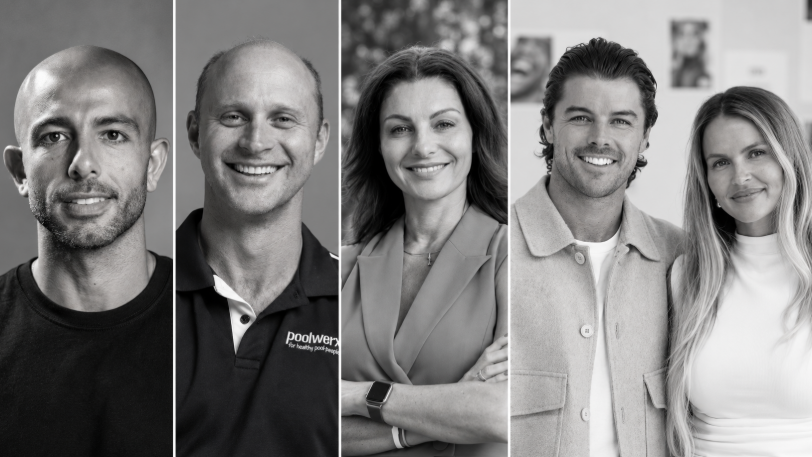
From making unpopular decisions to learning when to listen, leaders from five businesses reveal what nobody prepared them for — and how running a company has challenged their expectations.

Technology and semiconductor shares fell sharply as investors questioned the debt financing the AI infrastructure boom and confronted higher rates and Chinese competition.
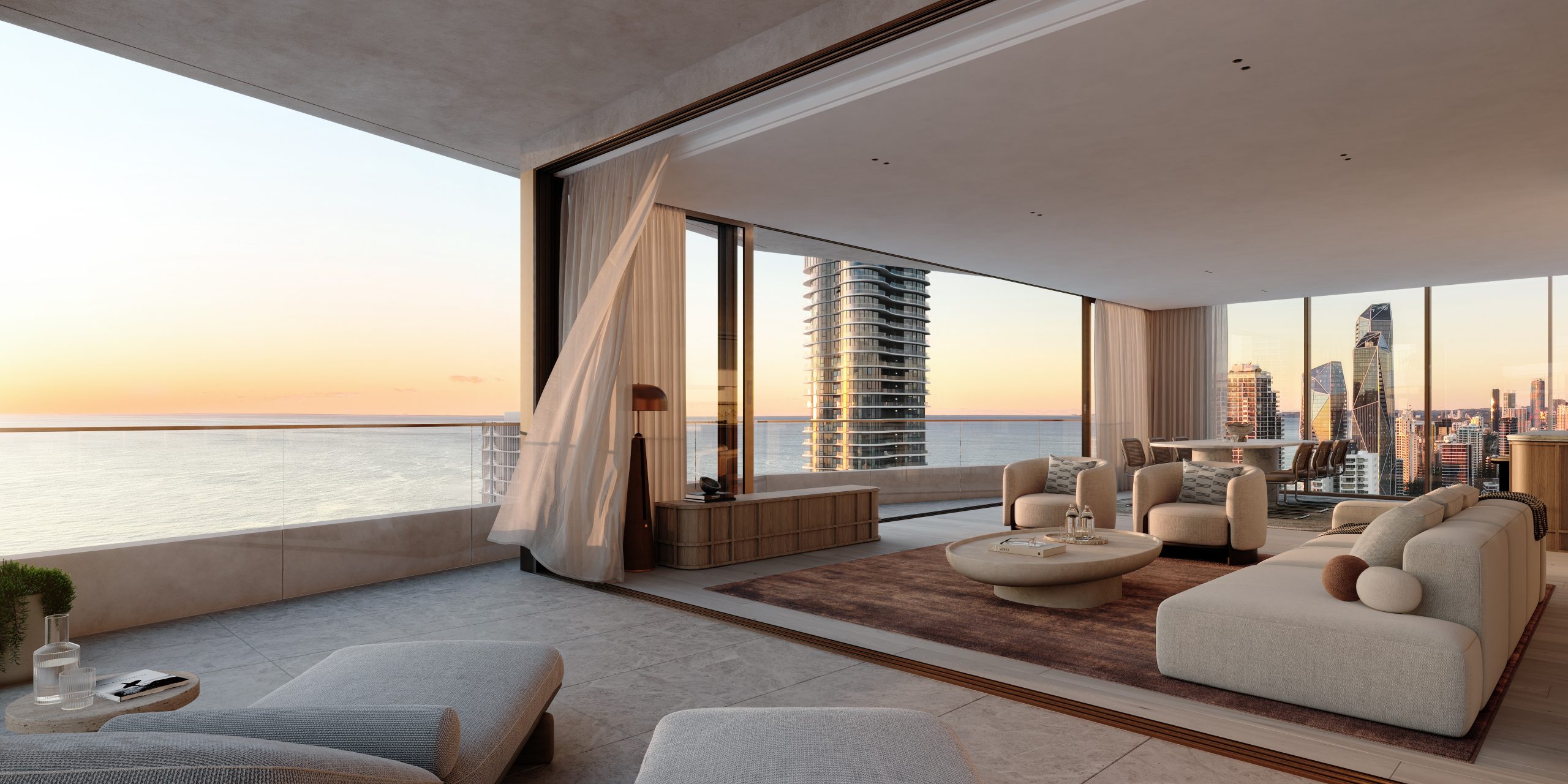
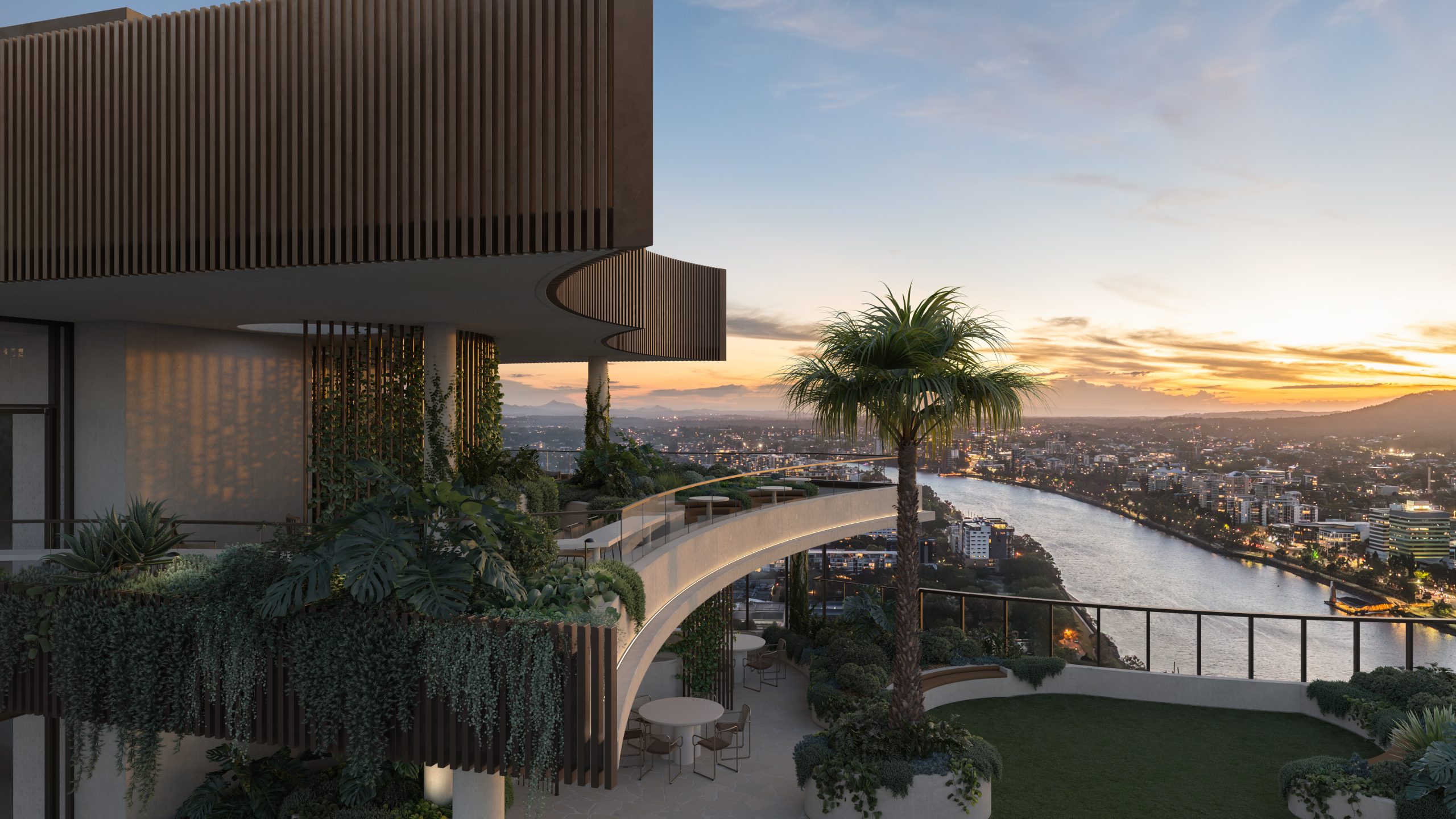
Mirvac’s 45-level Trielle has topped out at Yarra’s Edge, pairing riverfront apartments with wellness facilities, private dining and resident services.
3 min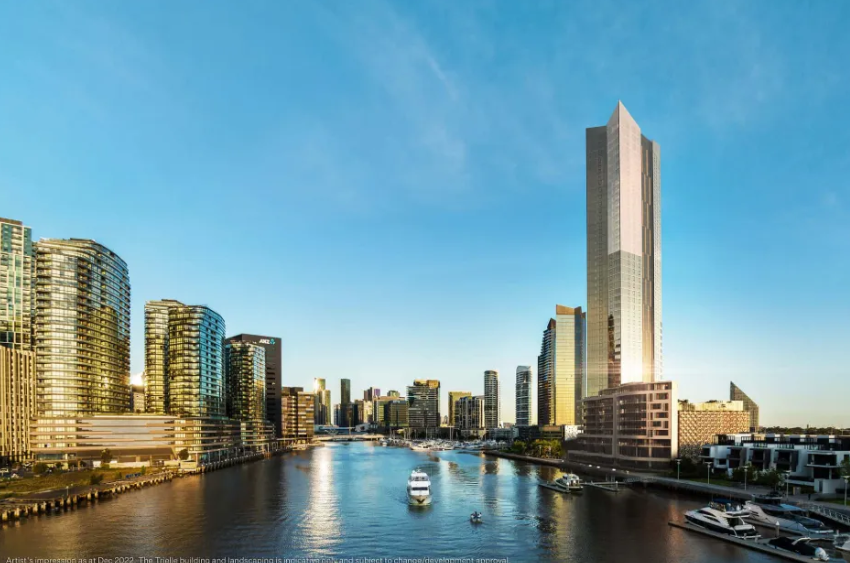
Mirvac has topped out Trielle at Melbourne’s Yarra’s Edge, with more than 70 per cent of the riverfront development sold and approximately 80 per cent of purchasers intending to make their apartment a home.
The figures, released on September 22, point to an owner-occupier audience for one of the precinct’s final residential towers. Mirvac began developing Yarra’s Edge in 2003, and its latest addition occupies one of the remaining absolute riverfront sites.
Mirvac CEO of Development Stuart Penklis said existing residents were among those moving up within the neighbourhood.
“Many purchasers already have a connection to Yarra’s Edge,” Mr Penklis said, describing buyers whose changing needs were encouraging an upgrade within the precinct.
“As one of the final residential towers within Yarra’s Edge, Trielle represents the culmination of more than two decades of creating one of Melbourne’s most established and sought-after waterfront communities,” Penklis said.
“Positioned on the Collins Street axis with absolute river frontage, Trielle offers residents a rare opportunity to enjoy sweeping views across the Yarra River, Melbourne skyline and Port Phillip Bay, while remaining seamlessly connected to the CBD. With Trielle now more than 70 per cent sold, we’re continuing to see strong demand from buyers seeking quality homes in established locations.”
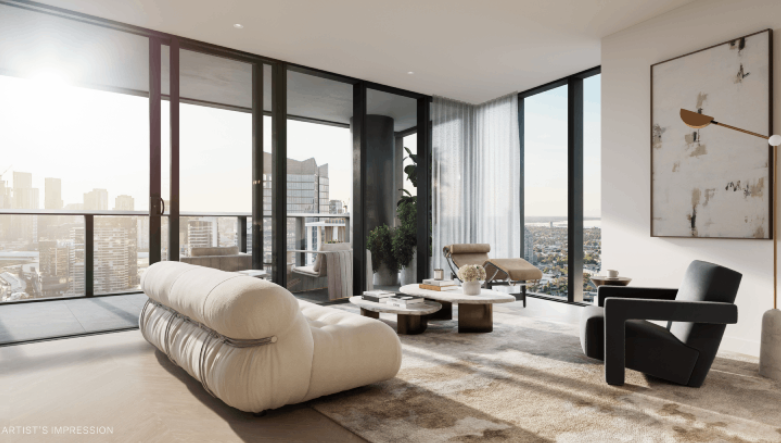
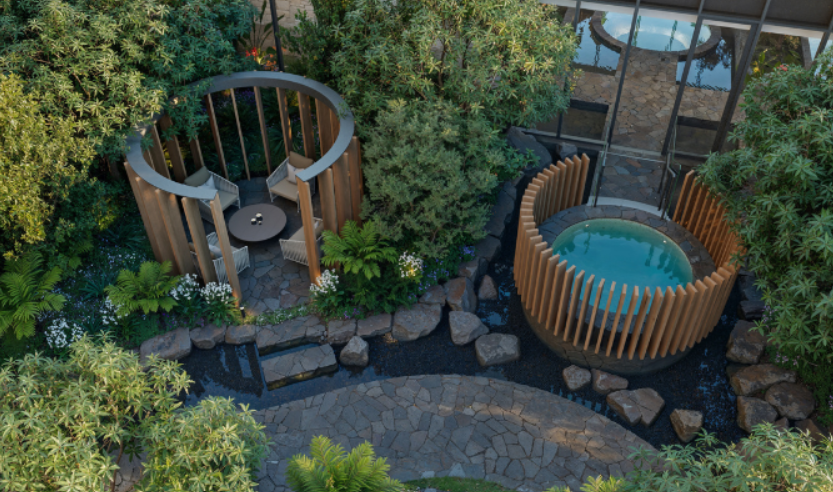
The developer also flagged a penthouse and sub-penthouse collection with larger layouts, premium finishes and broad outlooks. The planned wellness centrepiece, The Oasis, encompasses a 900-square-metre elevated urban rainforest.
Mirvac General Manager Residential Development Victoria Elysa Anderson said Trielle had resonated strongly with buyers seeking a rare lifestyle offering in Melbourne.
“Opportunities to secure a new luxury residence on a riverfront site of this calibre are incredibly rare, particularly within a community like Yarra’s Edge,” Anderson said.
“What makes Trielle unique is the combination of exceptional views, world-class residential facilities and the lifestyle that already exists around it. Residents are buying into a mature waterfront community with parks, promenades, dining, wellness and strong community connections already in place.”
The 45-level tower brings a substantial new presence to that waterfront. Its residential offering spans one-, two-, three- and four-bedroom apartments, with Signature, Prestige and Sub-Penthouse collections accommodating different household sizes. The north-facing position connects the apartments visually to the river and city beyond.
Seven storeys above the promenade, the planned Oasis combines planting and a running stream with a Scandinavian-inspired wellness club developed with spa specialist Naomi Gregory. Facilities include a 25-metre lap pool, hot magnesium pool, sauna, hydrotherapy, a gym, yoga and Pilates room, and treatment spaces.
The amenity extends beyond exercise. Residents will have access to The Biblioteca library and workspaces, ground-floor work pods, and The Salone piano lounge. A private Chef’s Table dining room offers a setting for larger gatherings, while a cinema, games room and sports lounge broaden the entertaining options. Concierge services and a dog-wash area support everyday routines.
Trielle comprises a collection of one, two, three and four-bedroom residences. Reflecting strong demand from owner occupiers, approximately 80 per cent of purchasers to date intend to live in their homes, highlighting the project’s appeal to those seeking a long-term waterfront lifestyle.
Mirvac has recently delivered The Albertine, a premium apartment development on the edge of Melbourne’s CBD, and is nearing completion of Prince & Parade in Brunswick, further strengthening its portfolio of thoughtfully designed apartment communities in some of Melbourne’s most sought-after urban locations.
High-end homeowners are choosing to upgrade rather than relocate, investing in bespoke design, premium finishes and long-term lifestyle value.

A bold new era for Australian luxury: MAISON de SABRÉ launches The Palais, a flagship handbag eight years in the making.